Practical writing on automation integration, robotics, workforce transformation, training and sustainability.
In short
The Wartens news section publishes practical articles on automation integration, PLC migration, virtual commissioning, digital twins, robotics, workforce training and energy storage controls, with sources cited.
LADX puts ladder editing, AI generation, conversion, HMI, CAD, testing and project paperwork on one shared project, and refuses to show AI output a compiler has not accepted. Here is what each tool does, who it suits and where its limits are.
Every major PLC vendor now has an AI assistant inside its engineering software. They are good at their own platform and silent about everyone else's. Here is how to decide which kind of PLC copilot your team needs.
A language model on its own writes PLC code that looks right and often is not. Put a real compiler, a static analyser and a schema check in a loop around it and the picture changes. Here is how that loop works and what it still cannot prove.
Many plants will not let PLC code anywhere near a cloud service, and some engineering workstations never touch the internet at all. Here is how offline AI for PLC programming works with LADX Studio and a local model, and how to set it up properly.
The answer to most drive and machine questions is in a PDF somebody already has. Finding the right page is the work. Here is how AI that answers only from your manuals, and cites the page, changes that job, and where it still needs a human check.
Documentation is the most disliked and most billable part of a control system project. Here is the full set of handover documents a typical job owes, when each one is due, and how to generate them from the project instead of retyping the same facts.
iUNI builds digital twins of factories, plants, warehouses and facilities from CAD data and connects them to live sensor data. Here is what you get, how a 12 to 24 week build is usually organised, and what to have ready before you start.
The three terms get used interchangeably in sales material, but they answer different questions: will the design work, does the control software work, and what is the real asset doing now. Here is how to tell which one your project actually needs.
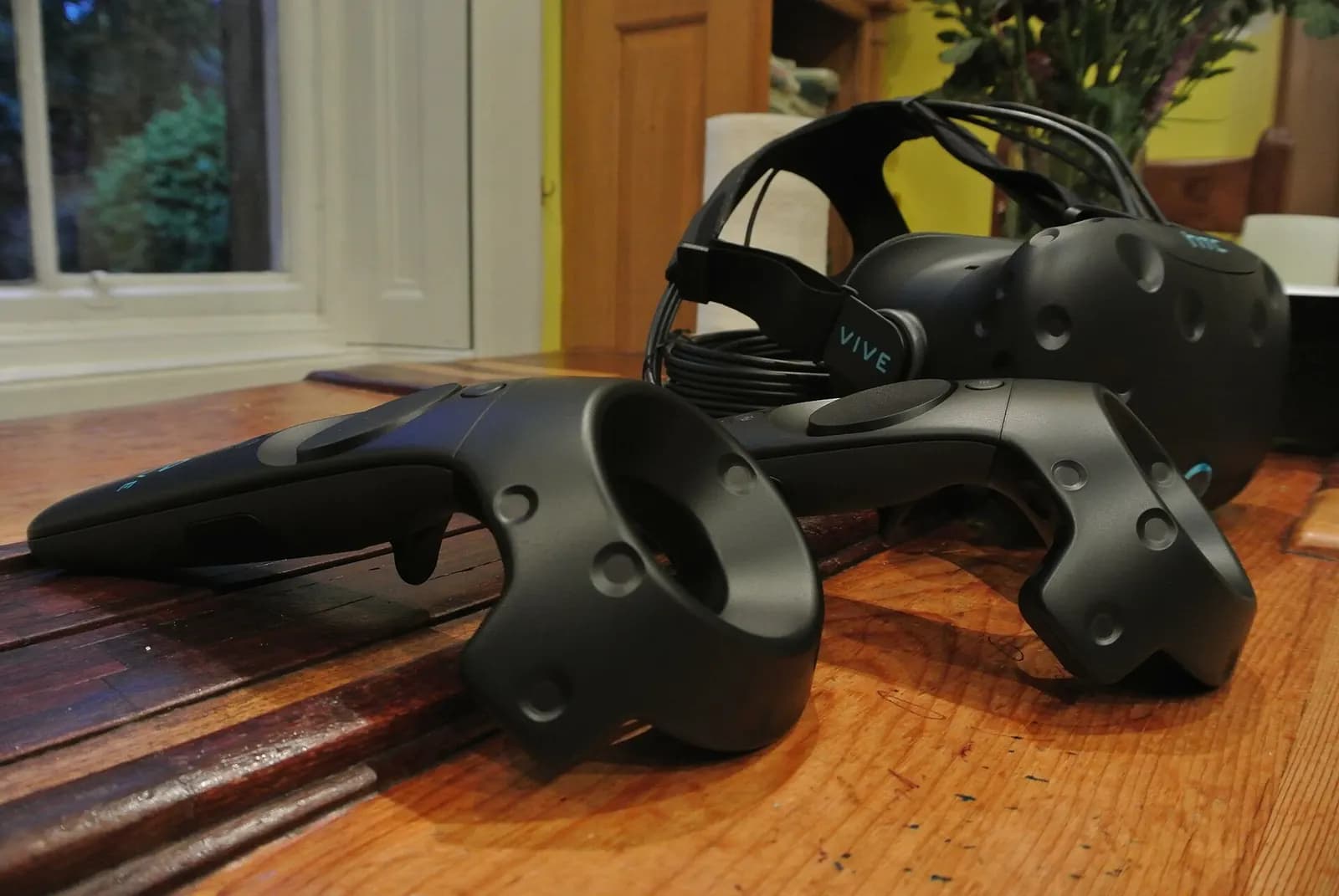
PLC trainers are expensive, fragile and never enough for a full class. The iUNI VR PLC/SCADA Digital Twin Lab puts a virtual S7-1200 or S7-1500, its I/O and a conveyor in a headset. Here is what it does, who it suits and how to build a course around it.
A 12-tonne machine does not fit in a sales bag, and shipping it to a trade fair costs more than the stand. iUNI's Virtual Showroom Platform turns the CAD you already have into 3D, VR and WebAR views. Here is what it does and how to prepare for it.
Offshore controls engineering can add capacity without adding risk, but only if the provider proves the code before it reaches your site. Here is how a simulation-first model works and the questions that separate good providers from cheap ones.
A new line usually involves a controls integrator, a simulation specialist and a training provider, each with their own version of the machine. Here is when one automation partner for all three makes sense, and a checklist to test whether a candidate can really deliver it.
Virtual commissioning means testing the real control software against a simulated machine before anything is wired on site. Here is how it works, what it costs in effort and where it earns its keep.
Remote PLC programming only works if the code can be proven before anyone travels. Here is how a simulation-first workflow handles scope, testing, acceptance and site support across time zones.
A simulation answers 'what if'. A digital twin answers 'what is happening now, and what happens next'. The difference is the live data link, and it changes cost, ownership and value.
AI assistants can now draft Structured Text, explain old code and build first-pass HMI screens. They cannot be trusted with safety logic or untested deployment. Here is a practical view.
Most PLC migrations fail on planning, not code. This checklist covers the audit, conversion, testing and cutover steps that keep a plant running while its controls are replaced.
A factory acceptance test proves the system meets its specification before it ships. A site acceptance test proves it works in your plant. Confusing the two is how projects slip.
The functional specification is the contract between the people who want a machine to behave a certain way and the people who program it. Here is a structure that works.
OPC UA is the closest thing industry has to a common language for machine data. Here is what it actually does, where it fits alongside fieldbuses and MQTT, and how to specify it.
IEC 62443 is the international framework for securing industrial control systems. You do not need to read all of it to act on it. Here is what a plant manager needs to know.
Ladder, Structured Text, Function Block Diagram and Sequential Function Chart each solve different problems. Choosing well, and mixing them sensibly, makes code easier to maintain.
ISO 23247 does not tell you which software to buy. It gives you a shared structure for describing what a manufacturing digital twin is, what it connects to and how data flows. That alone saves projects from confusion.
The Asset Administration Shell turns a nameplate into a structured, machine-readable digital twin. Here is how it works and why machine builders selling into Europe should care.
The right sensor on the right machine finds failures weeks early. The wrong one produces dashboards nobody trusts. Here is how to choose predictive maintenance sensors by failure mode.
VR training pays back when it replaces expensive, risky or hard-to-schedule practice. Here is a practical way to calculate the return, with the published evidence and its limits.
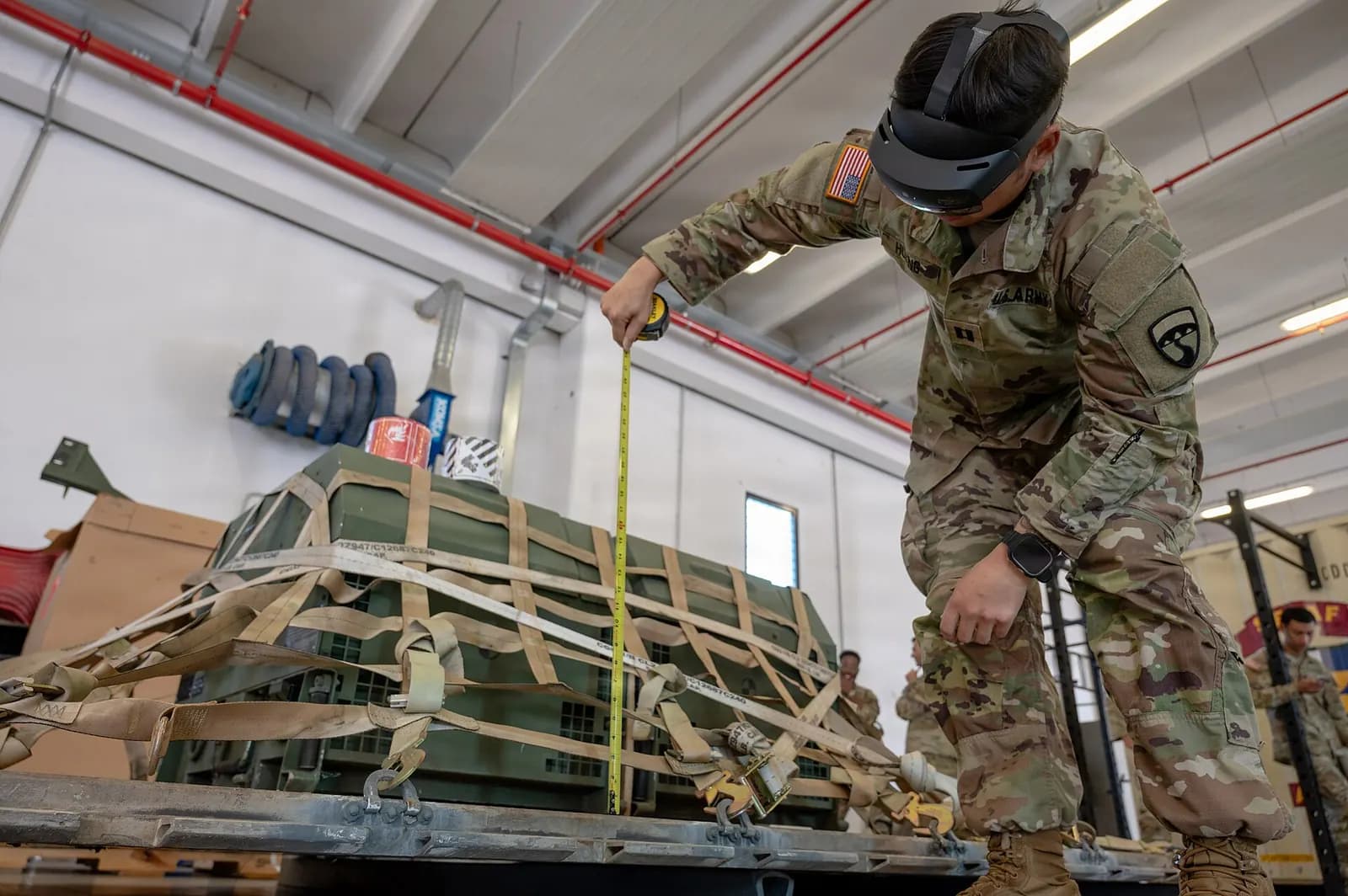
Augmented reality puts instructions, data and remote experts in a technician's field of view. Used for the right tasks, it shortens repairs and spreads scarce expertise further.
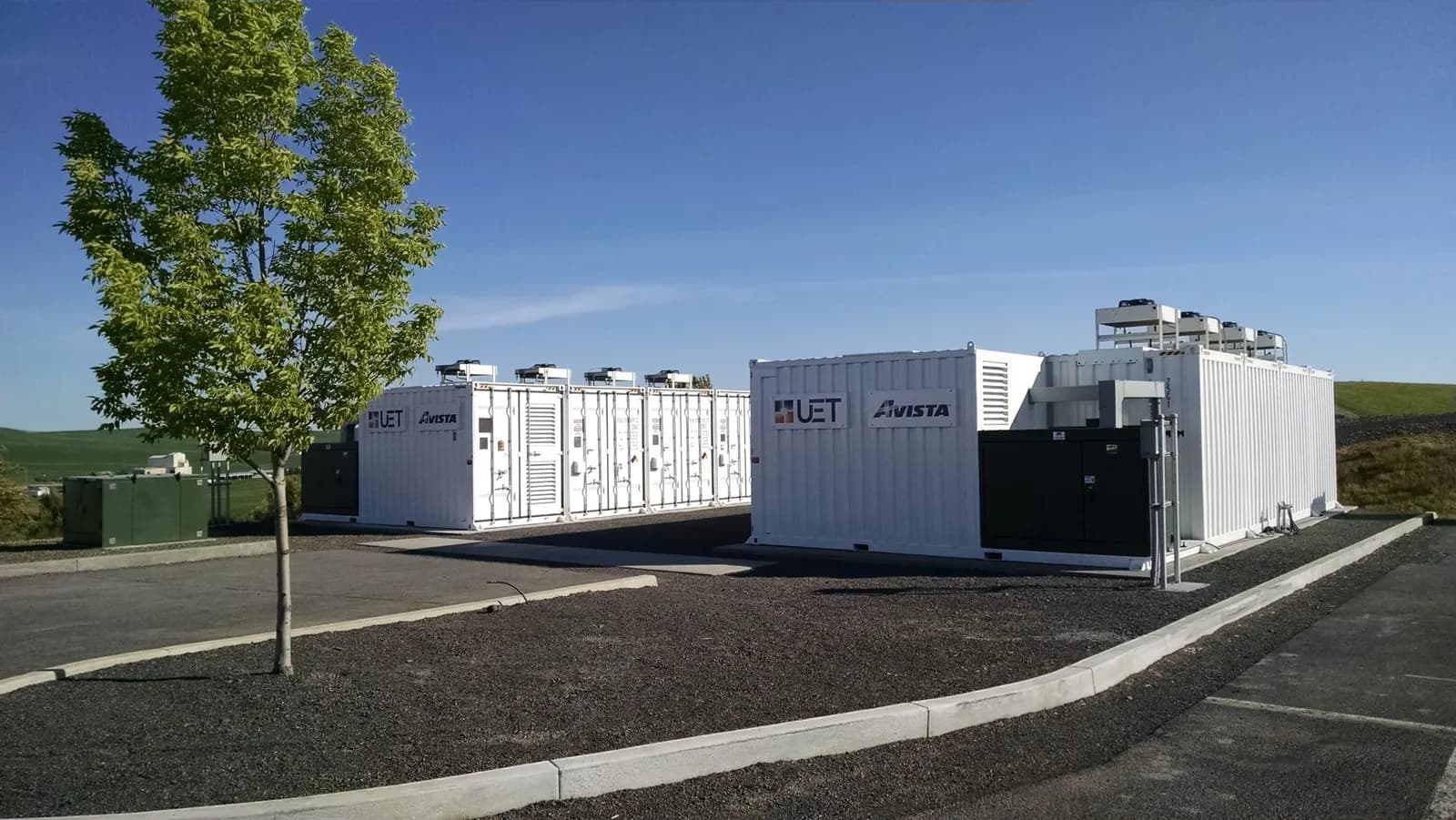
A battery storage site is a control system first and a battery second. Here is how the BMS, inverters, EMS and SCADA fit together, and what to get right before energisation.
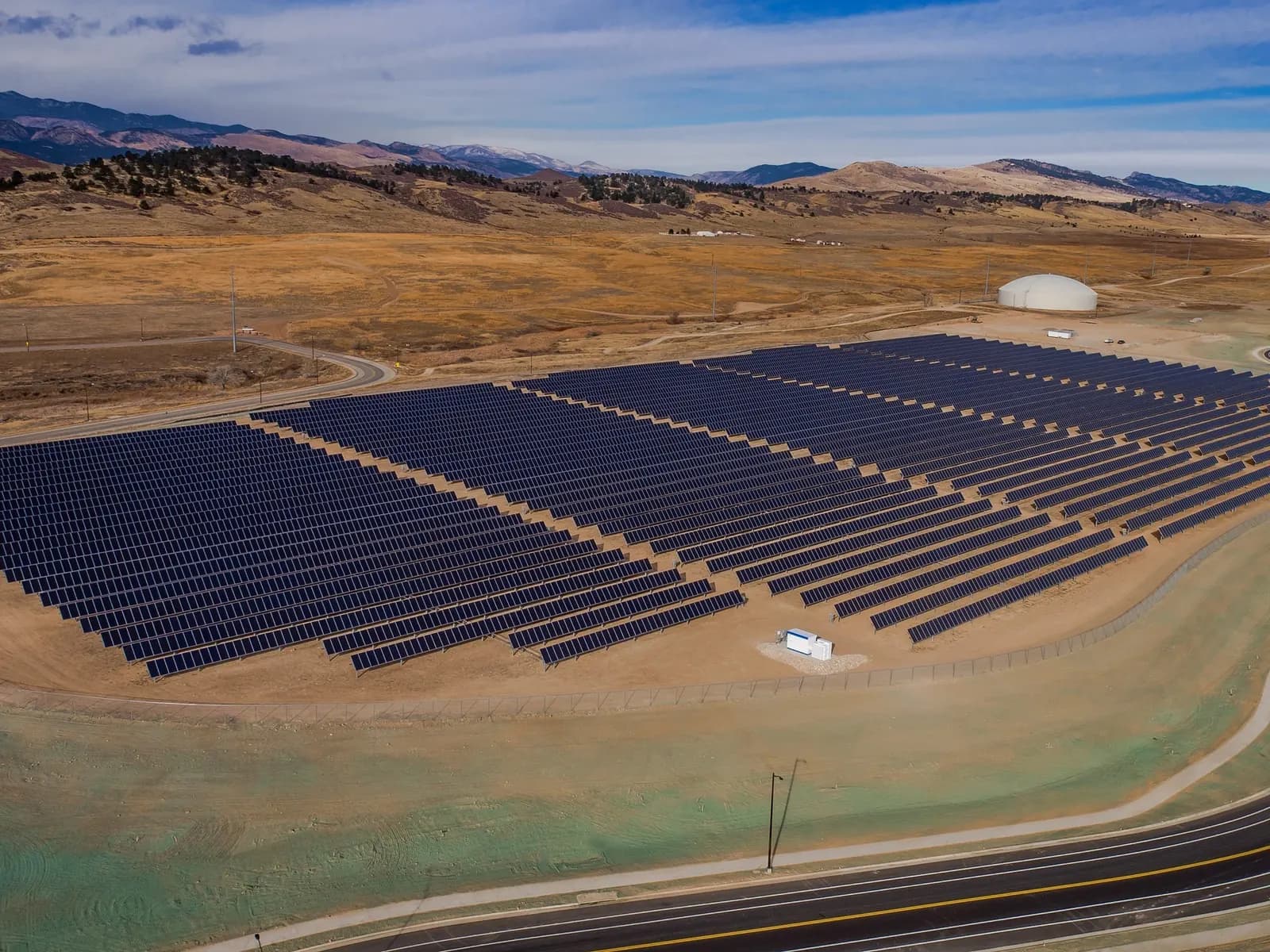
Inverters make the power, but the power plant controller makes the plant behave like one grid-friendly generator. Here is what a PPC does, how it is tested and where projects go wrong.
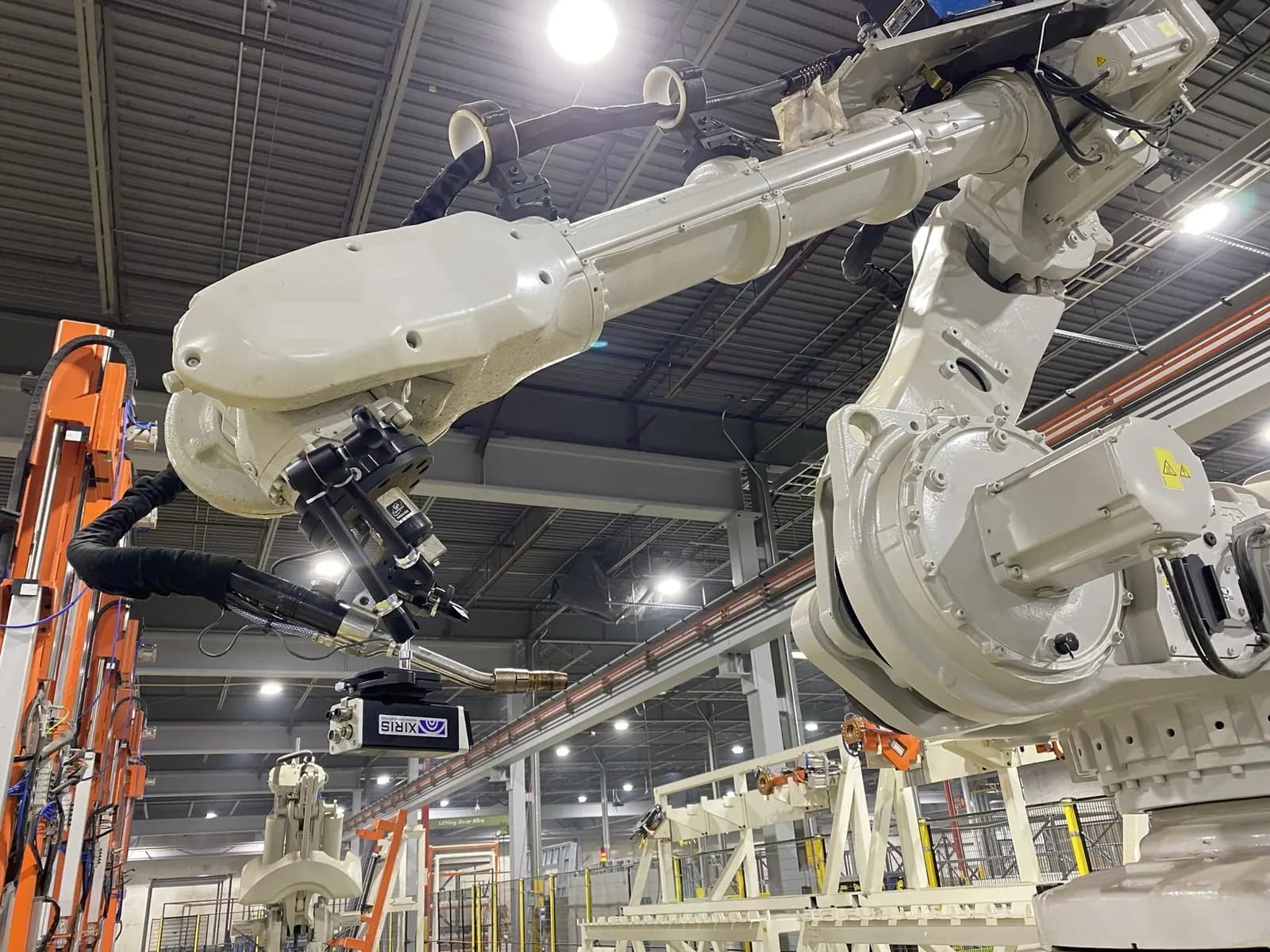
Teaching a robot point by point with a pendant stops production. Offline programming builds and tests the program in simulation instead. Here is how it works and where it falls short.
The cheapest quote is rarely the cheapest project. These questions help you compare integrators on the things that decide whether a line starts up on time.
Bright 3D pumps and rainbow colours make HMIs look impressive and make abnormal situations harder to see. ISA-101 sets out a better way. Here is how to apply it.
Both standards lead to a safe machine control system. They use different scales and suit different designs. Here is how they compare and how to pick one for your project.