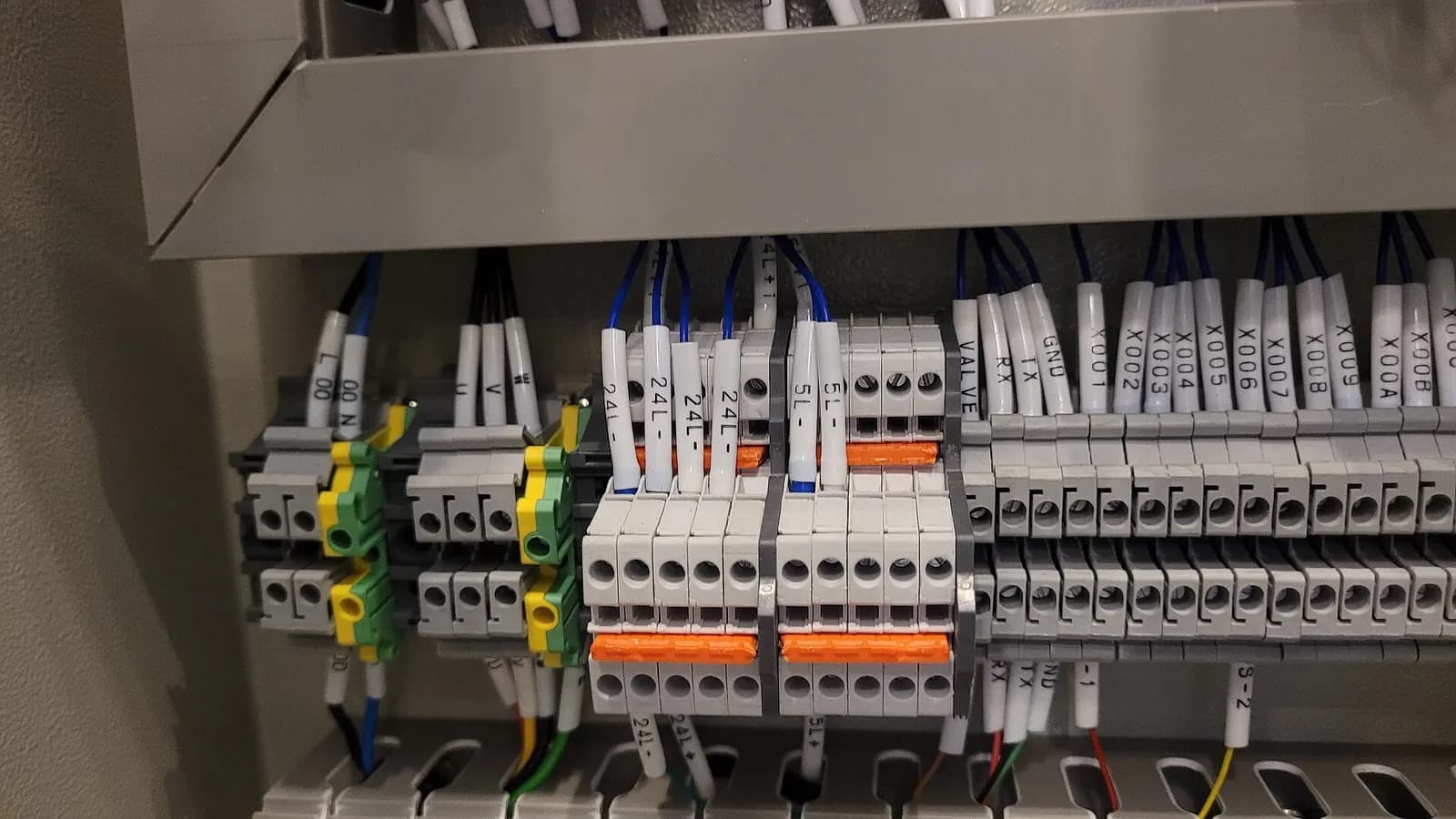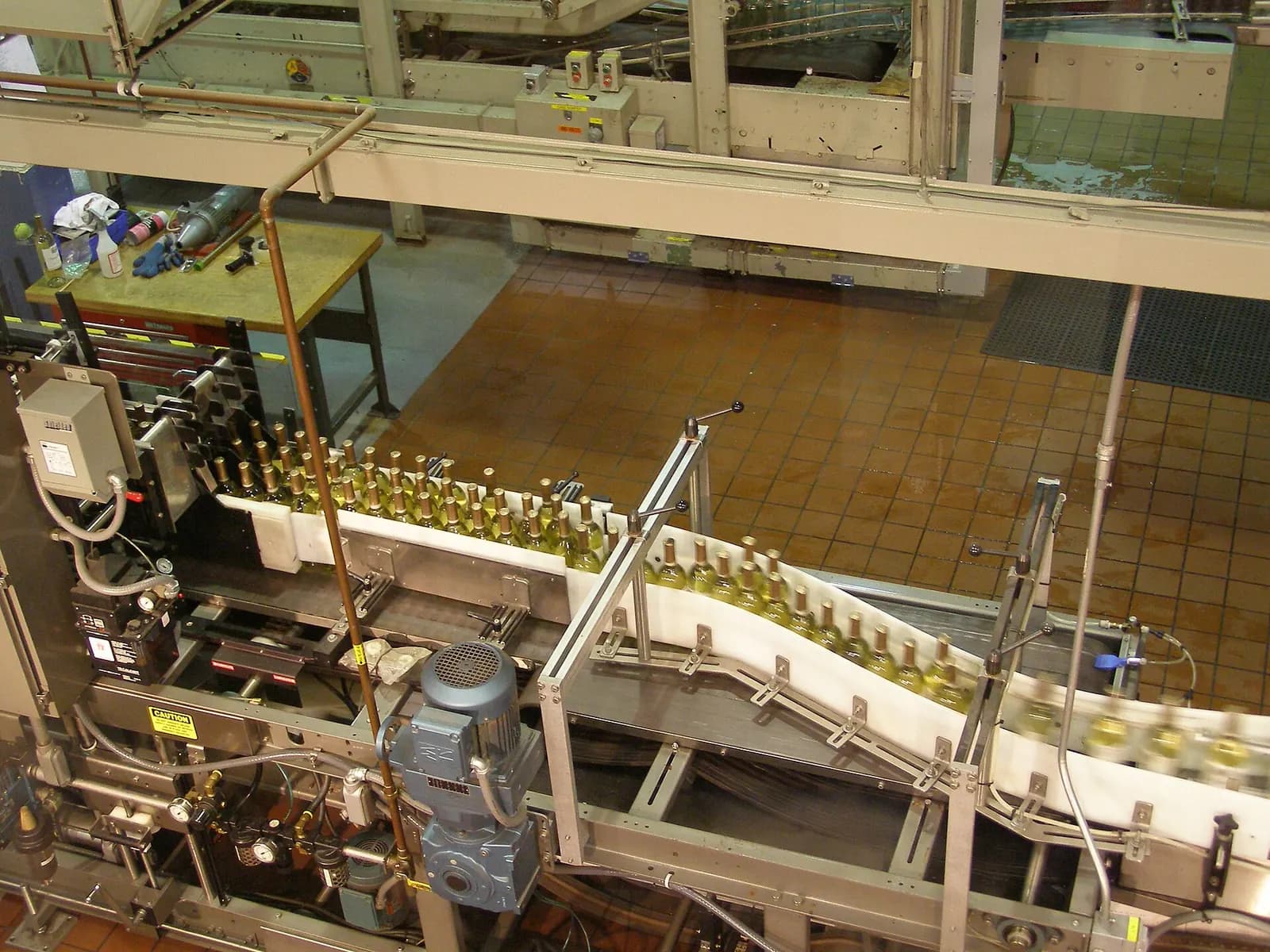
Choosing one automation partner for PLC programming, virtual commissioning and training means the same team writes the control software, tests it on a model of your machine and then uses that model to train your people. The benefit is fewer handoffs: one interpretation of the machine instead of three. The risk is depending on one supplier for more of the job, so the partner has to prove capability in each area, not just claim it.
Our earlier guide on how to choose a system integrator covers integrator selection in general. This checklist is for buyers deciding whether to combine controls, simulation and training under one contract.
Why three suppliers often means three versions of the machine
On a typical project the integrator writes the code from the specification. A simulation consultancy builds a model from the CAD, often without the code. A training provider builds courses from the O&M manual, months later. Each makes its own assumptions about sequences, faults and operator actions, and the differences surface at the worst moment: at FAT, at start-up, or when a newly trained operator meets a fault the course never mentioned.
| Handoff | Three suppliers | One partner |
|---|---|---|
| Code to model | I/O map rebuilt by the modeller | Same team, same tag list |
| Model to commissioning | Model often discarded after FAT | Reused for start-up and changes |
| Model to training | New training content built from documents | Training runs on the model driven by the real logic |
| Changes after start-up | Three updates, three invoices | One change, tested once |
What is the Control System Integrators Association?
Control System Integrators Association (CSIA)
This video is hosted on YouTube. Playing it loads content from Google, which may set cookies.
Watch on YouTubeThe automation partner checklist
Control software
- Works daily in your platforms and versions, to IEC 61131-3 and a written coding standard.
- Writes or reviews the functional specification before pricing.
- Has engineers who have commissioned real equipment, and can show anonymised examples.
- Handles legacy migration as well as new builds, if you have older controllers on site.
Virtual commissioning
- Runs your actual PLC program against the model, emulated or on a bench, not just a process animation.
- Builds models from your CAD at the fidelity the code needs, and says what will not be modelled.
- Includes test cases and logs in the deliverable, and offers a virtual FAT you can attend remotely.
- Can connect the model to live data later if you want an operational twin.
Training
- Trains on the same model and logic as the real machine, so faults behave as they will on the line.
- Offers both classroom or bench training and immersive options where they add value.
- Has trainers who have worked on delivery projects.
- Measures results with practical assessments, not attendance.
Quality, security and commercial
- Certified quality management, for example ISO 9001, covering engineering and training.
- Remote access and code handling aligned with ISA/IEC 62443 and your own policies.
- Separate prices for each part, so you can compare and, if needed, buy only one.
- A support route after handover with named people and response times.
When one partner is not the right answer
- Very large programmes where no single firm has the capacity, and a main contractor already coordinates specialists.
- Mandated vendors, for example where a corporate standard names the integrator or the simulation platform.
- A single, simple machine where a bench test and a short handover course are enough, and a model would cost more than it saves.
Even then, you can reduce handoffs by insisting that every supplier works from one tag list, one specification and one issue log. Name one of them as the owner of the I/O map, and require the others to raise a change request rather than keep a private copy. That single rule prevents most of the disagreements that otherwise surface at FAT, when the simulation, the code and the training material each turn out to describe a slightly different machine.
Contract points that protect you
Combining the work under one supplier is only safe if the contract keeps your options open. Four clauses matter most. First, ownership: source code, simulation models, training content and documents are deliverables you own at handover, in formats you can open without the supplier. Second, separate line items for each part, so a weak area can be replaced without re-tendering the whole job. Third, acceptance criteria for each part: a signed FAT for the software, a test log for the virtual commissioning, a practical assessment for the training. Fourth, a change process that updates code, model and training together, with one price.
Also agree how the model will be maintained after handover. If you intend to use it for future changes and refresher training, decide now whether your team, the partner or both will keep it current, and what that costs per year.
Evidence to request
Ask for an anonymised functional specification, a virtual commissioning test log with faults found, a sample training exercise and an outline handover pack. If the candidate holds an integrator certification such as CSIA certification, which assesses ten areas from project management to IT and cybersecurity, ask what the audit covered. A quality certificate to ISO 9001 should name the scope it applies to.
How the Wartens group covers it
Wartens offers automation engineering, digital twins and virtual commissioning through iUNI, immersive training and engineering training through edWartens, all delivered from one engineering centre. Services vary by country; immersive training is not offered in Germany. To discuss a line, contact us.