FAT vs SAT in one line: the factory acceptance test (FAT) proves that the control system, panel or machine meets its specification at the supplier's premises before it ships; the site acceptance test (SAT) proves it works correctly once installed and connected to your real plant. FAT catches design and software faults cheaply. SAT catches installation, integration and process faults that only appear on site.
For automation systems in the process industry, IEC 62381:2024 sets out requirements and checklists for the FAT, the SAT, a site integration test (SIT) and, new in this edition, an optional factory integration test (FIT). Its stated aim is to help owner, buyer and vendor agree scope and responsibilities for each test. Even outside process plants, it is the best reference for structuring acceptance tests.
FAT vs SAT at a glance
| Factory acceptance test (FAT) | Site acceptance test (SAT) | |
|---|---|---|
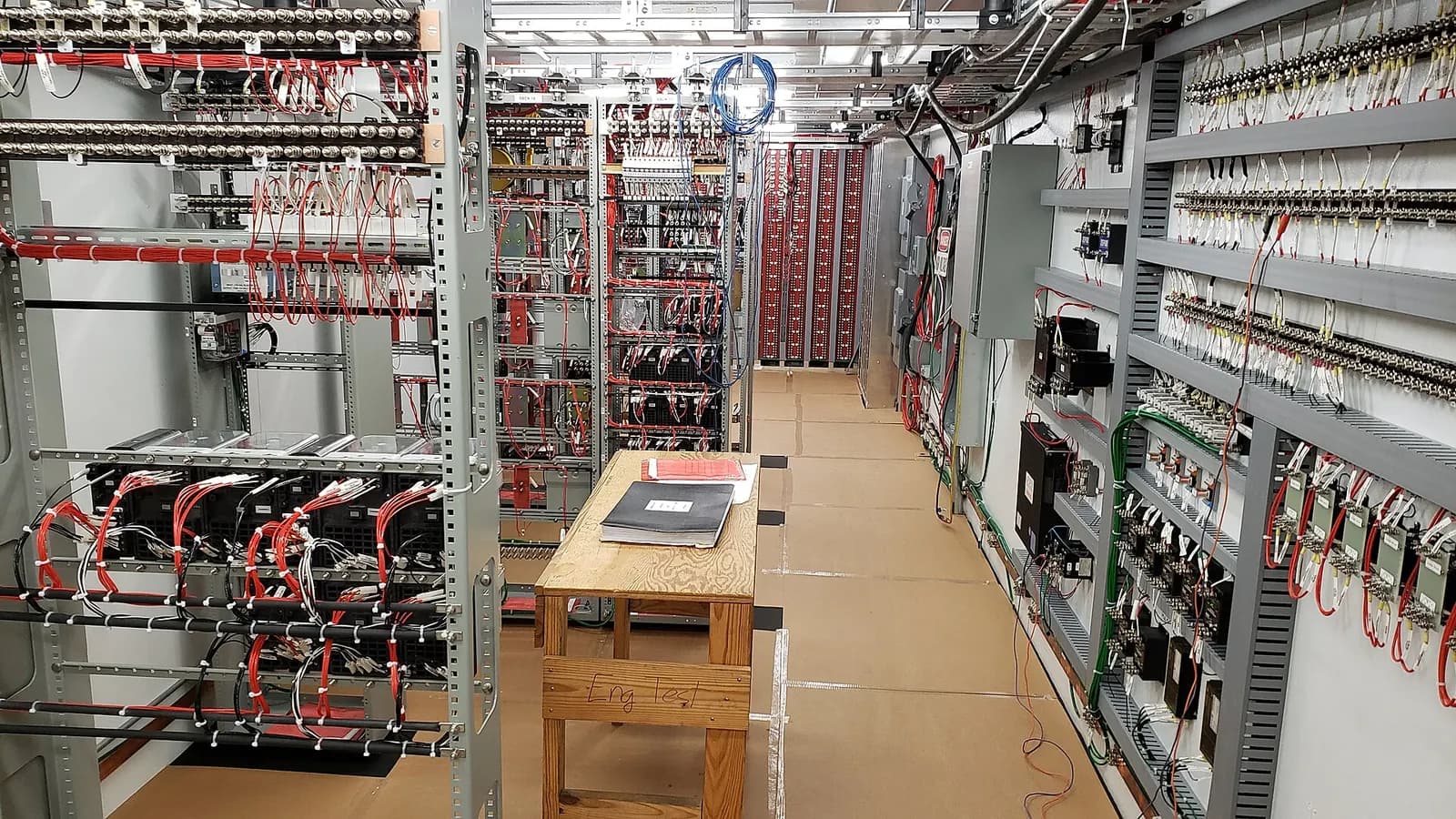
| Where | Supplier's workshop or test bay | Your plant, after installation |
| Proves | Hardware and software meet the specification | System works with real field devices, utilities and process |
| Typical scope | Panel build, I/O, logic, HMI, alarms, comms | Loop checks, interlocks, sequences, performance, operator use |
| Field devices | Simulated or a sample set | Real, installed and wired |
| Cost of finding a fault | Low | High: site time, travel, production delay |
| Signed off by | Buyer's engineer, often with end user | Operations and engineering, sometimes QA |
What a good FAT covers
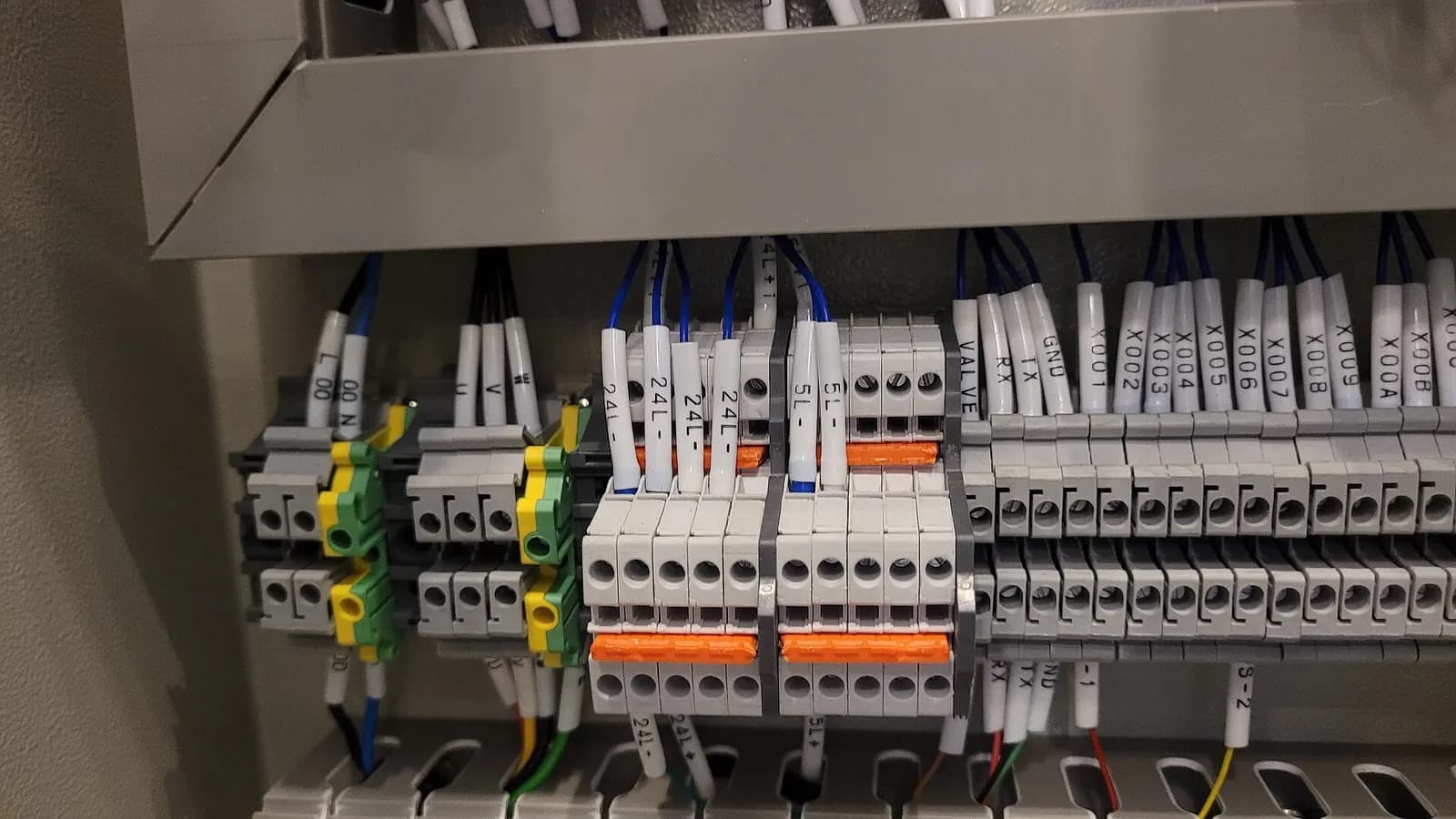
- Visual and mechanical inspection of panels against drawings, including labelling and segregation
- Power-up, earthing and insulation checks
- Every I/O point, forced from the field side and seen in the PLC and HMI
- Each control sequence in normal operation, then each mode change: auto, manual, maintenance
- Fault and alarm tests: sensor failure, actuator timeout, communication loss, power dip and restart
- HMI screens, navigation, alarm text and user access levels
- Interfaces to SCADA, MES or other controllers, at least with a simulated partner
- Documentation: as-built drawings, I/O list, code version and test records
Factory Acceptance Test Explained - Part 1 | Power the Control Panel
RealPars
This video is hosted on YouTube. Playing it loads content from Google, which may set cookies.
Watch on YouTubeWhat a good SAT covers
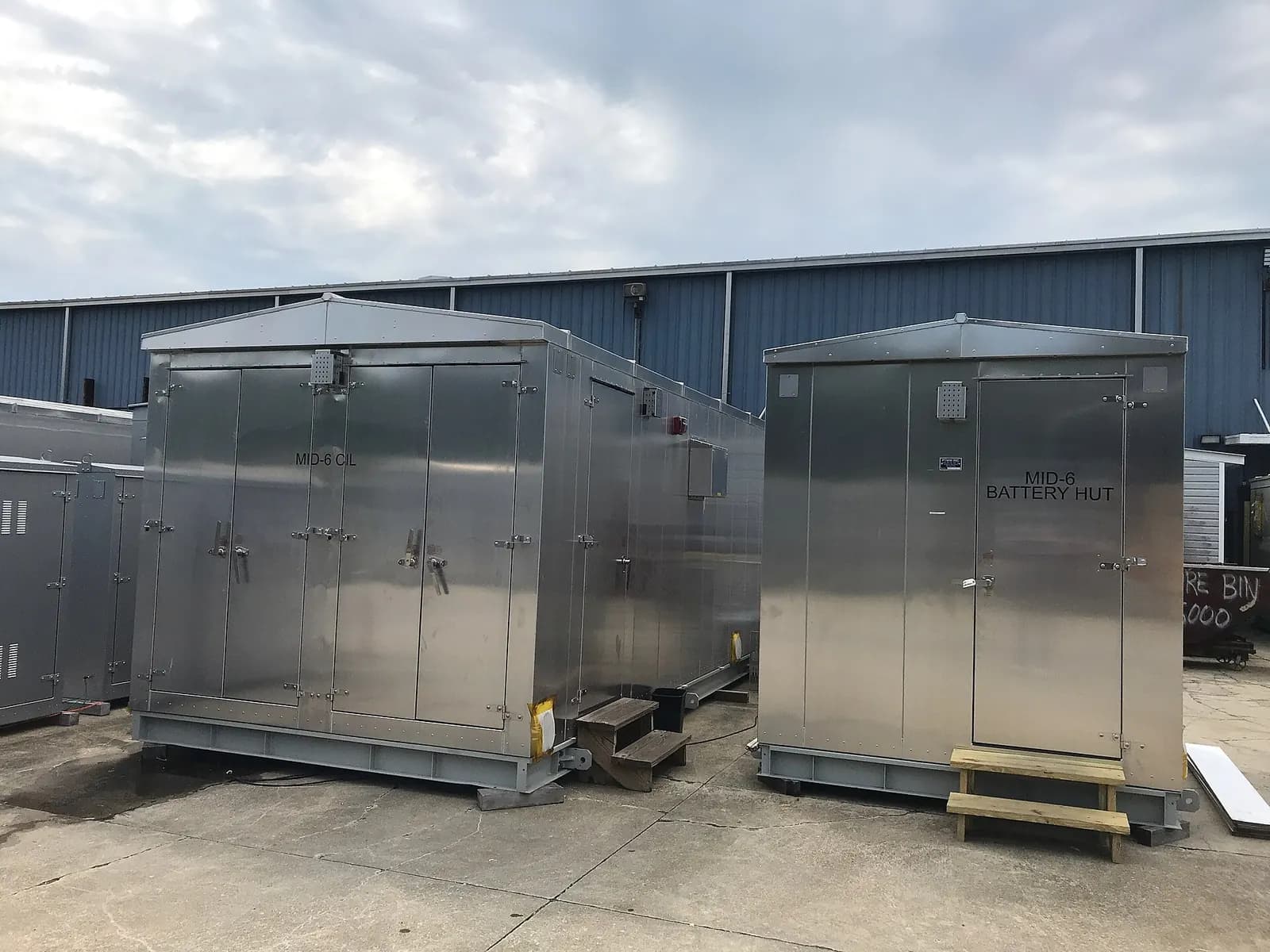
SAT repeats a subset of FAT tests in the real environment and adds everything the factory could not test. Loop checks from each field device to the HMI come first. Then interlocks with real hardware, sequences with real product, performance targets such as throughput or batch time, and operator acceptance. In regulated sectors such as pharmaceuticals, SAT evidence often feeds qualification activities described in guidance such as ISPE GAMP 5.
Why FATs miss things, and how to fix that
Traditional FATs test I/O and screens well but test process behaviour poorly, because there is no process. Operators toggle inputs by hand and watch outputs. Sequences with timing, product flow or several interacting stations are barely exercised. That is why so many 'passed FAT' systems still need weeks of software changes on site.
The fix is to attach a simulated machine or process to the FAT. With a behaviour model driving the inputs, you can run complete production sequences, inject faults at awkward moments and repeat the test after every change. The ISA notes that end customers have begun asking for this kind of virtual FAT (ISA InTech). Our guide to virtual commissioning explains the set-up.
How to plan FAT and SAT together
- Write the test cases from the functional specification, not from the finished code.
- Tag each test FAT, SAT or both, so nothing falls between the two.
- Agree pass criteria and who signs each test before the FAT is booked.
- Run a supplier's internal pre-FAT; never let the formal FAT be the first full run.
- Log every punch-list item with an owner and a date, and agree which items may ship open.
- Reuse the FAT test records as the baseline for SAT, and repeat only what changed or could not be tested.
How long should FAT and SAT take?
Durations vary with scope, but the ratio is a useful sanity check. For a single machine with one PLC and a few hundred I/O, a FAT of one to three days is typical, and the SAT a similar length once loop checks are done. For a process area with several controllers and a SCADA system, FAT can run for one to three weeks. If your plan shows a two-day FAT and a four-week SAT, the FAT is too thin and site will pay for it.
Who should attend
- The supplier's lead engineer for the software, and someone who built the panel
- The buyer's controls or project engineer, with authority to accept or reject
- An operator or shift lead for HMI and sequence tests; they find usability problems engineers miss
- Maintenance, for fault-finding, diagnostics and spares review
- Quality or validation staff in regulated sectors, to confirm the evidence is usable
The most common dispute after FAT is over what was actually agreed. Avoid it with signed test sheets for each case, a punch list with categories (must fix before shipping, fix on site, improvement for later) and photos or screen recordings of anything contentious.
Remote FAT: does it work?
Yes, for software-heavy scope. With a shared screen, a camera on the panel and a simulation model, a buyer can witness sequences, alarms and HMI behaviour without travelling. Hardware inspection is harder remotely, so many teams combine a remote software FAT with a short in-person panel inspection or a trusted local inspector. Wartens builds remote acceptance into every project, so you can test the software yourself.
For help writing test procedures or running a simulation-backed FAT, see our automation engineering service and digital twins and virtual commissioning, or contact us.