Practical writing on automation integration, robotics, workforce transformation, training and sustainability.
In short
The Wartens news hub publishes practical articles on automation integration, virtual commissioning, robotics, AI for controls teams, workforce training and energy storage controls, written by an automation group working since 2013.
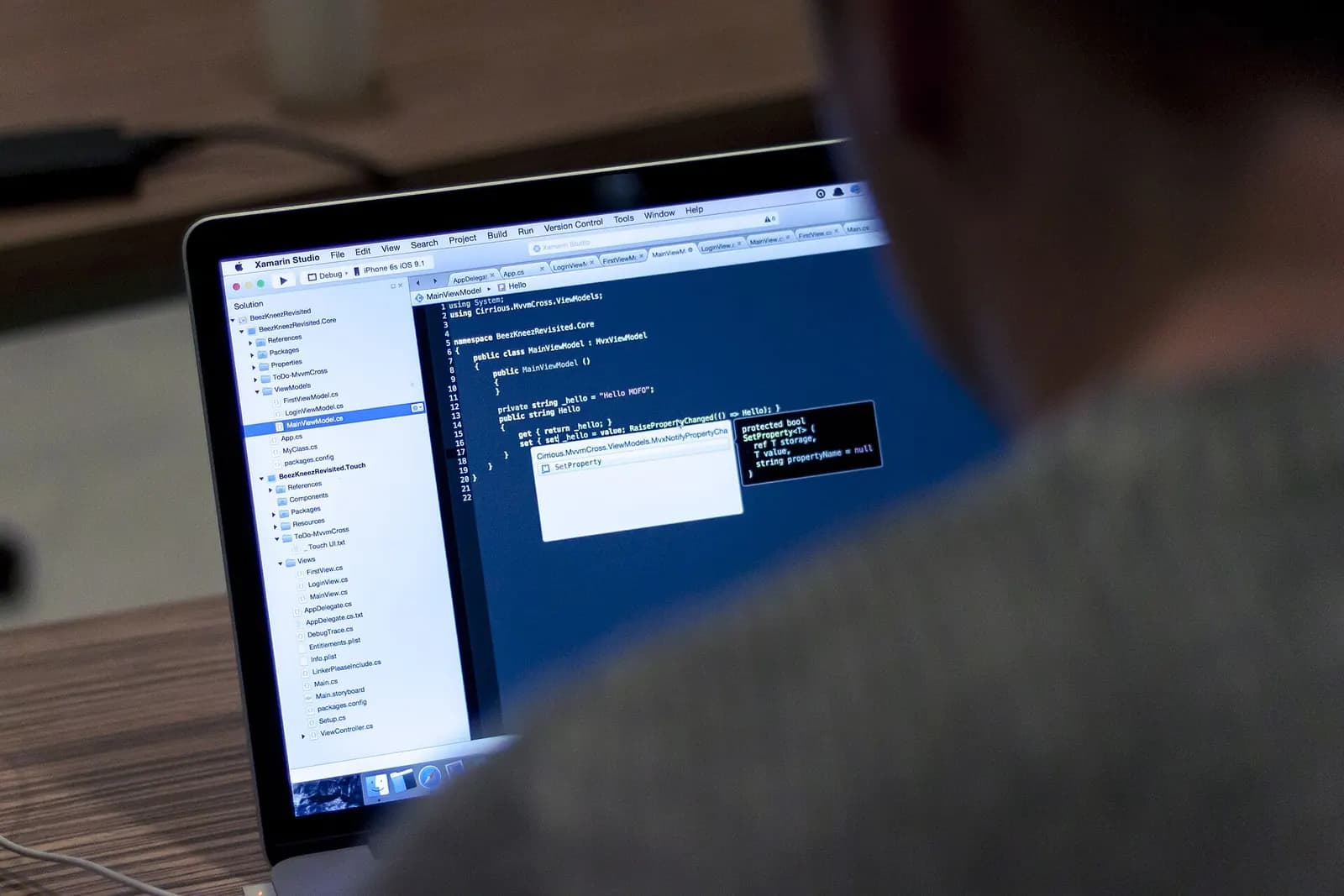
Most Studio 5000 users want three things from AI: explain the inherited program, draft new rungs, and move logic in from another platform. Here is what LADX Convert does for the third, and what it deliberately does not do yet.
AI can draft ladder logic in seconds. Proving it is right still takes a process. Here are the six gates we put AI-assisted rungs through before anybody books a factory acceptance test.
Most HMI alarm systems fail in the details: acknowledge clears the alarm, limits chatter, shelving never expires. Here is what ISA-18.2 expects and how to test alarm behavior before the screens reach site.
On a small integration job the facts live in an email, a kickoff call and one engineer's head. Here is how LADX keeps the design basis, the plan and seventeen project documents on one record, and what it leaves to you.
For most programs, the first real run happens on real hardware in front of the customer. A desk bench test closes that gap. Here is how to run one, what it finds and what it cannot.
Learning ladder logic normally means a software license and a controller. LADX Ladder runs in a browser with a real scan engine behind it. Here is what it teaches, what it leaves out and five exercises to start with.
Pharma, water, defense and food plants often cannot send a PLC program to a cloud AI service. Here is how LADX Studio runs on a single PC with a local model, what it leaves out, and how to get it past your OT security review.
A twin that stops at startup is a simulation. An operational twin keeps running on live plant data. Here is how iUNI connects PLC, SCADA and ERP data to a 1:1 model, and the architecture decisions that make it safe.
Packaging lines fail on changeovers, jams and handshakes. Pharma skids fail on sequences and paperwork. Here is what to put through virtual commissioning on each before the equipment ships.
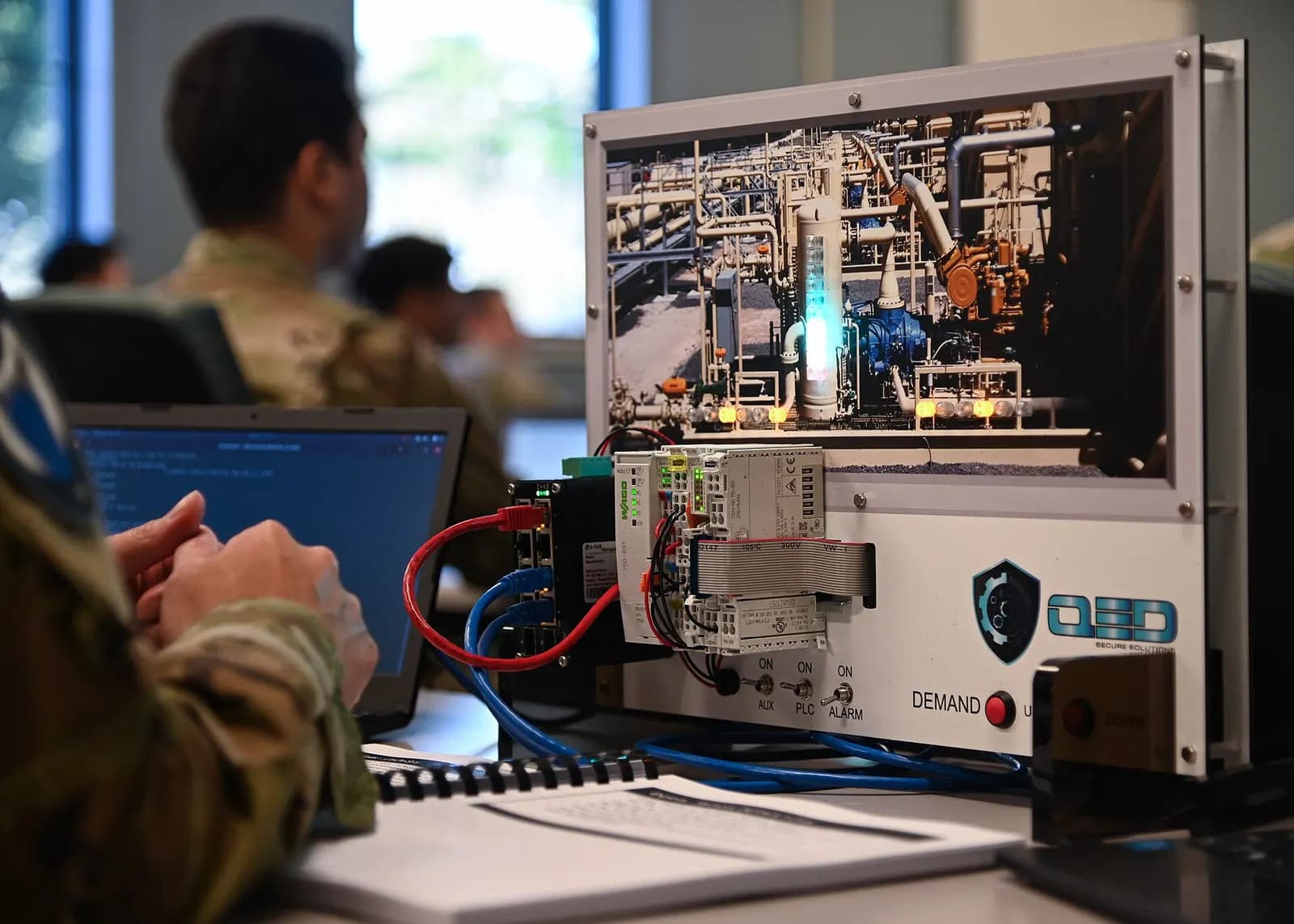
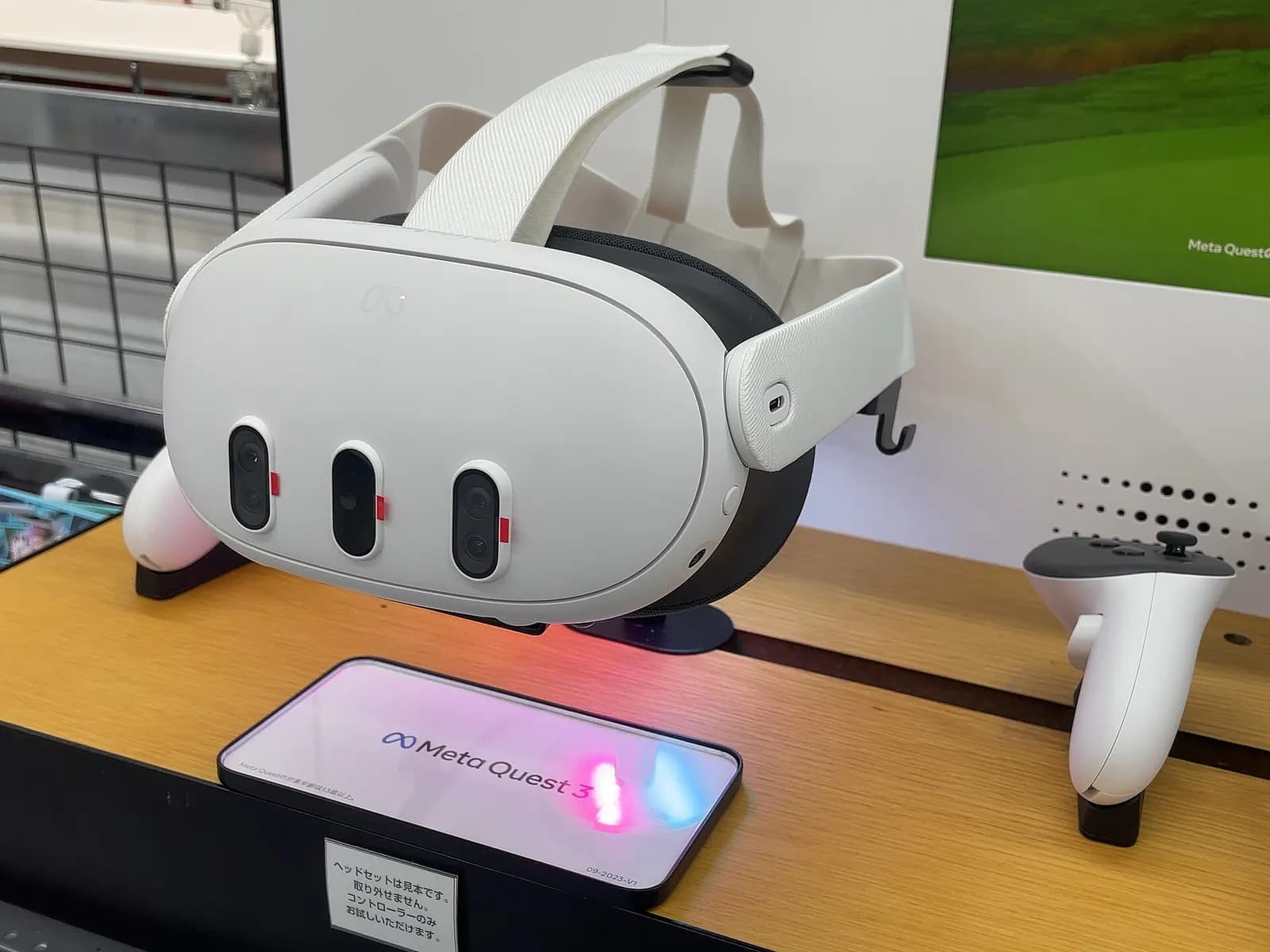
Plants and colleges need more people who can troubleshoot a PLC, and not every trainee can get time on real hardware. Here is what a VR PLC and SCADA lab does, how a session runs, and its limits.
A plain product brief: what an iUNI digital twin includes, who it suits, how the build runs week by week, what it will not do, and the questions to answer before you ask for a quote.
Outsourcing PLC work fails on vague scope and untested code, not on distance. Here is how a machine builder can hand off a fixed-scope software package, get it tested in simulation and accept it remotely.
Virtual commissioning moves PLC debugging off the plant floor and onto a simulated machine. Here is what the published results show, what you need to start and how we run a first project.
Two quotes for the same machine can differ by a factor of two and both be honest. Here is what actually drives PLC programming cost and how to scope a job so quotes compare like for like.
New factory construction in the U.S. has slowed, and growth is coming from expansions inside existing buildings. Here is the controls checklist we use when a new line has to plug into a plant that cannot stop.
A Studio 5000 standard is only useful if engineers follow it on a Friday afternoon before shipment. Here is the structure we use and recommend for ControlLogix and CompactLogix projects.
Most U.S. plants are Allen-Bradley shops, but more and more European machines arrive with Siemens controls. Here is how TIA Portal and Studio 5000 differ in daily engineering work.
The right virtual commissioning tool depends on your controller, your process and how much physics you need. Here is how the main options compare, from engineers who use them.
Digital twin is one of the most overused words in manufacturing. Stripped of the hype, a twin is a model kept in sync with reality to answer specific questions. Here are four that pay back.
A factory acceptance test used to mean a week of travel to watch a machine run. A virtual FAT tests the controls against a simulation over a remote session. Here is how to run one properly.
PLC-5 controllers are discontinued and the people who know them are retiring. Here is how we plan a PLC-5 to ControlLogix migration so the cutover fits a weekend, not a month.
Thousands of U.S. machines still run on SLC 500 controllers. Here are the two realistic migration routes to CompactLogix 5380, what goes wrong in conversion and a checklist for the cutover.
Ignition has become the default shortlist entry for new U.S. SCADA projects, while FactoryTalk View still runs a huge installed base. Here is how to choose, and when to use both.
Many HMIs still look like piping diagrams in bright colors, and operators miss the one thing that matters. High-performance HMI design fixes that. Here is how to apply ISA-101 in practice.
European and Asian machines arriving in U.S. plants regularly fail inspection on NFPA 79 points. Here is what the standard covers and the checklist we use on controls designs.
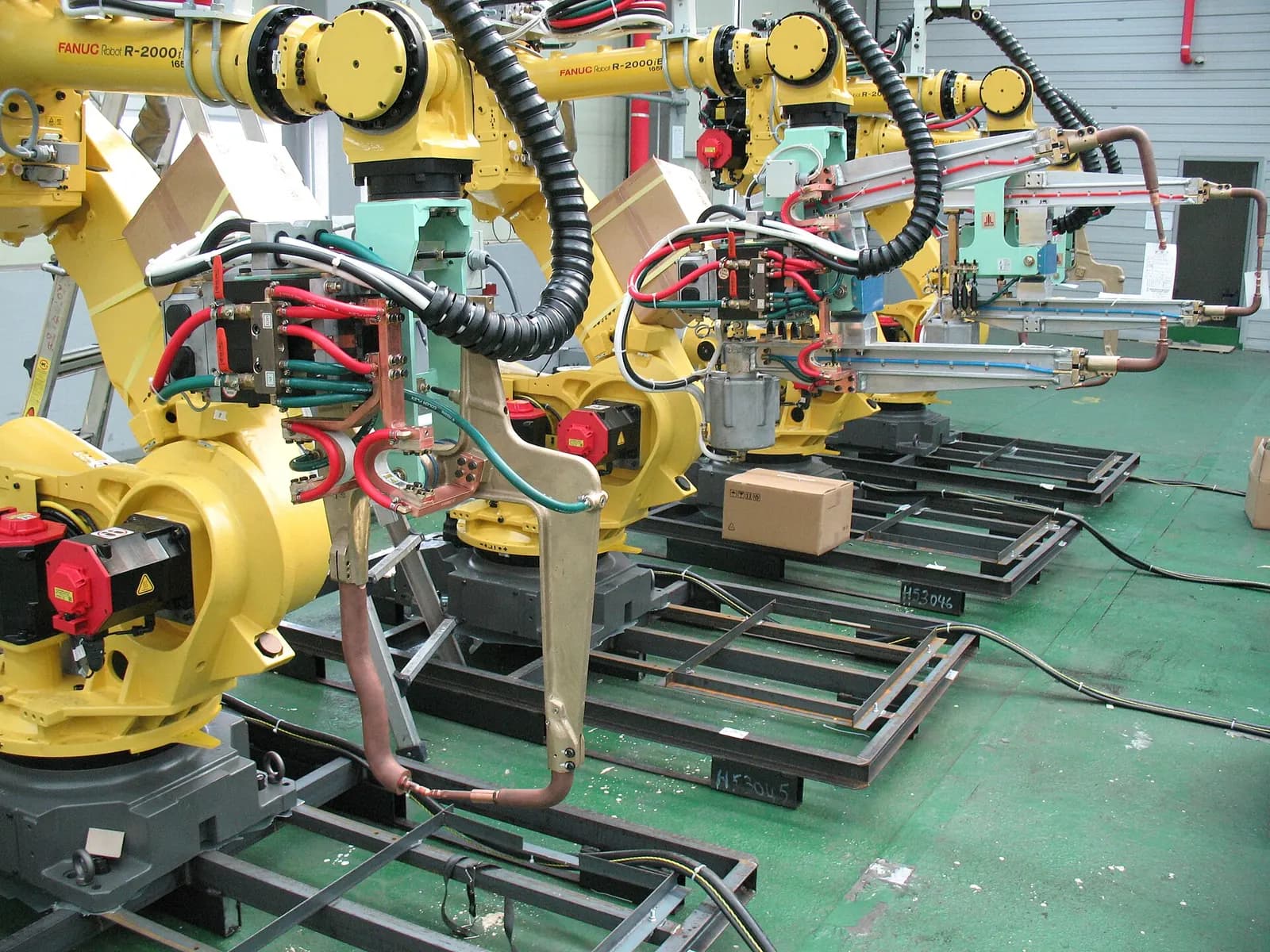
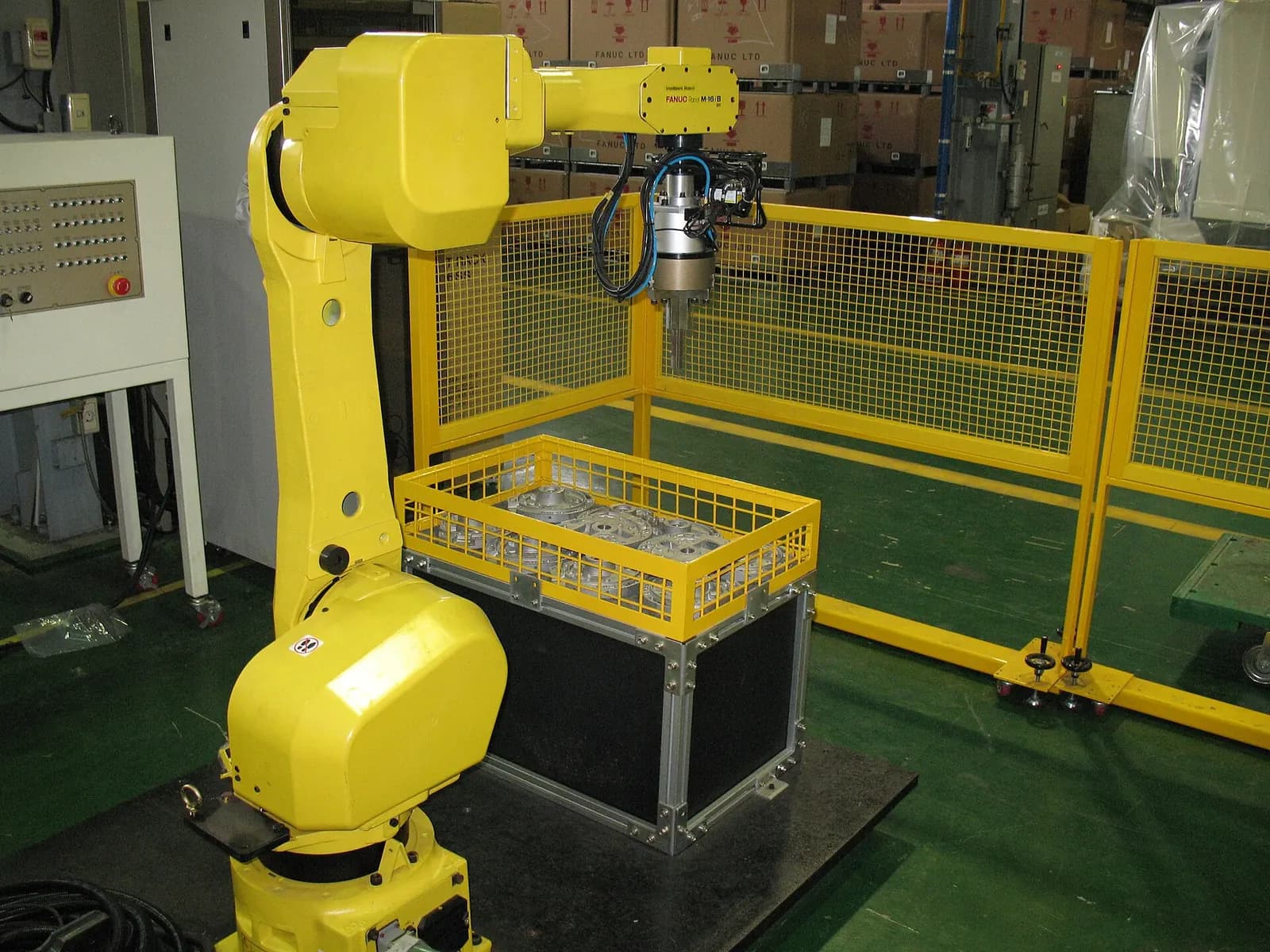
Robot orders in North America are spreading well beyond automotive. Offline programming lets you program and prove a cell on a computer while the hardware is still being built. Here is how.
Most robot cell startup problems are not in the robot program or the PLC program. They are in the signals between them. Here is how we design and test the PLC-robot interface.
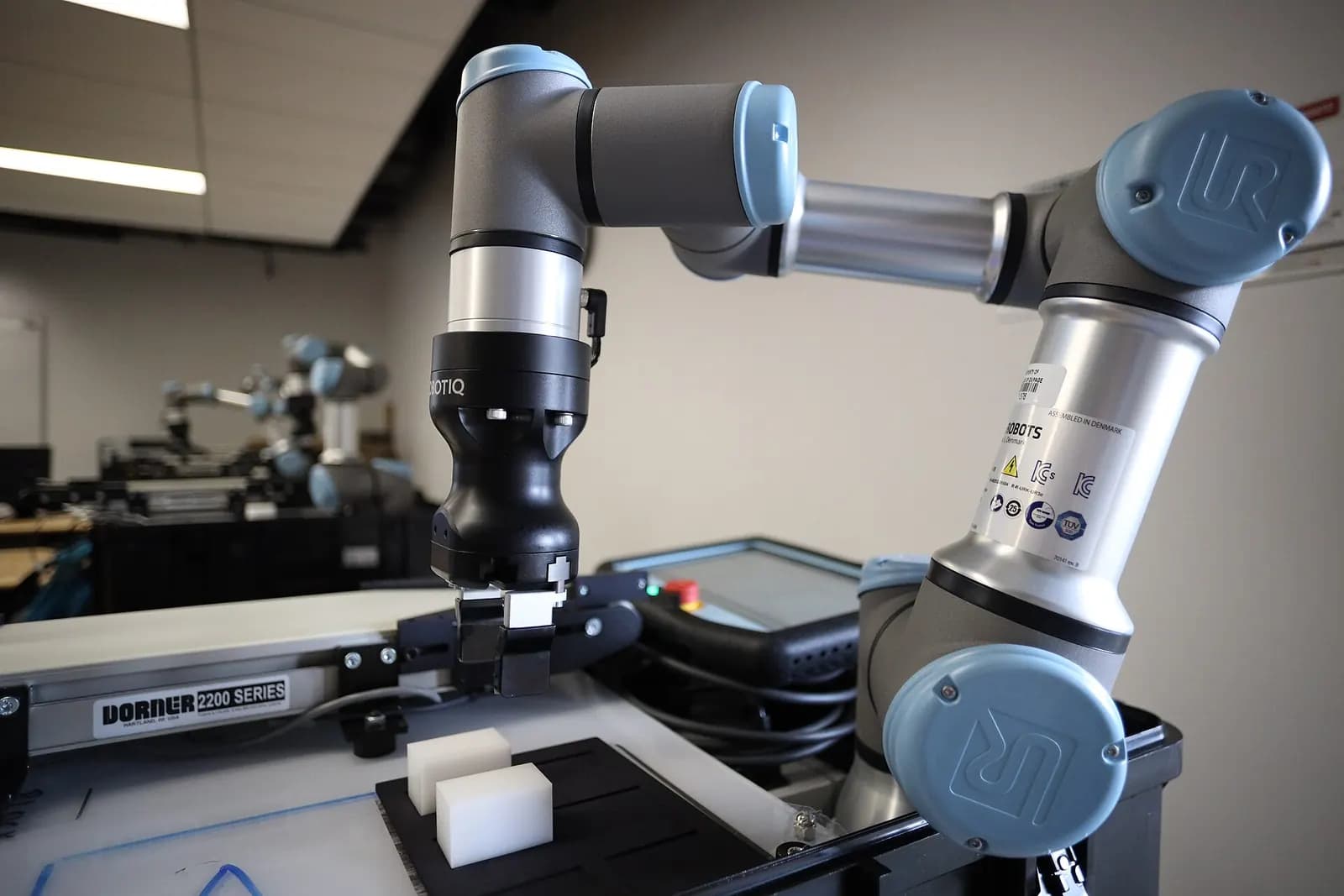
Collaborative robots are spreading fast in life sciences and electronics, often in plants with no robot safety experience. The robot is not the application. Here is how to assess the whole cell.
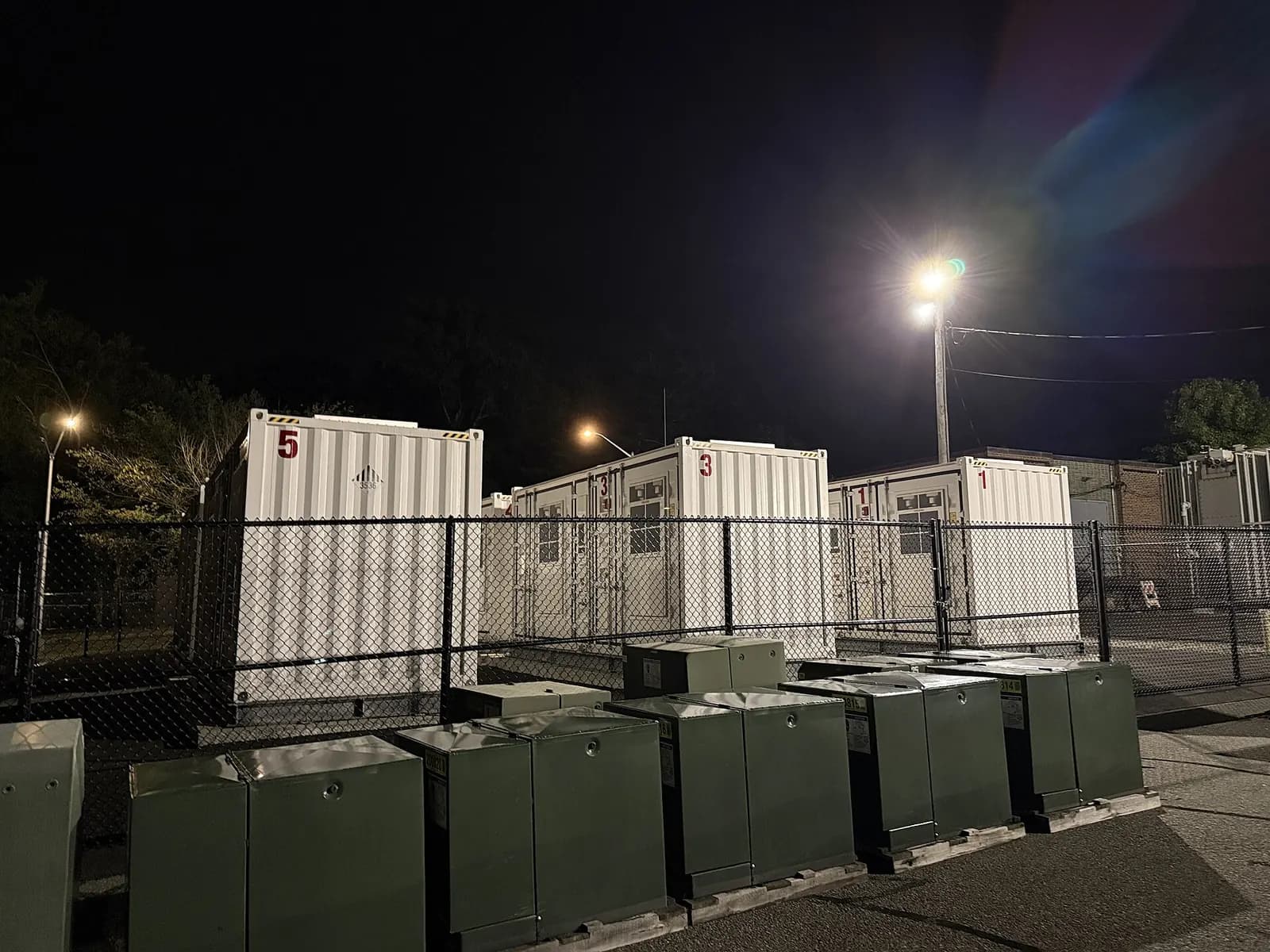
The U.S. installed a record 18.9 GWh of battery storage in one quarter. Every one of those sites runs on controls. Here is how a BESS SCADA system is structured and what to get right.
Battery failure rates have dropped sharply, and NFPA 855 is a big reason why. Most of its safety measures depend on controls working correctly. Here is what controls engineers should take from it.
Every major PLC vendor now ships an AI assistant. Here is what they are good at, what the research shows about generated control code, and how we use AI without putting machines at risk.
Pharma expansions bring validated control systems, and validation changes how PLC code is specified, written, tested and changed. Here is what controls engineers need to know about GAMP 5.
U.S. manufacturers need millions of new workers this decade and can't train them all on live equipment. VR training helps, for the right tasks. Here is how to pick them and run a pilot.
AR puts the procedure, the drawing and the live machine data in front of the technician's eyes. It helps most where tasks are rare and mistakes are costly. Here is how to apply it.