A PLC-5 to ControlLogix migration replaces a discontinued Allen-Bradley controller family with a current one, while keeping the process, the field wiring and as much of the proven logic as possible. Done well, it happens in phases: the processor and network first, then the I/O, with the old 1771 field wiring reused through conversion systems. The cutover then fits a planned shutdown instead of a long outage.
Rockwell states plainly that PLC-5 controllers are discontinued, and notes that spare parts, repaired units and engineers who know the platform are getting scarcer (Rockwell Automation PLC-5 migration). The risk is not that the PLC-5 stops tomorrow. It is that when a processor or a 1771 chassis fails, the replacement takes days to find and costs more than the planned migration would have.
Step 1: audit what you really have
Before anyone talks about hardware, collect the facts. We ask for the latest program files (and we check they match what is running), the I/O list, network drawings and a list of everything that talks to the PLC: HMIs, SCADA, drives, other PLCs, data collection.
- Processor models and firmware, chassis count and remote I/O racks
- All 1771 modules by catalog number, including specialty modules (high-speed counters, analog, BASIC modules)
- Networks: Data Highway Plus, Remote I/O, DH-485, serial links
- HMIs and SCADA that read PLC-5 addresses directly
- Undocumented changes: forces, jumpers, logic edited online years ago
Rockwell's lifecycle search tells you the status of every part: Active, Active Mature, End of Life or Discontinued (Rockwell product lifecycle status). Run the whole bill of materials through it. Some modules in the same panel will be in worse shape than others.
Step 2: convert and clean up the code
The conversion tool is the easy part. Logix Designer Export is built into RSLogix 5 and converts a project into a Studio 5000 file, but it converts ladder only, and errors are written into the affected rungs for manual review (Rockwell 1756-RM085, September 2025). That manual review is where the real engineering is.
Converted PLC-5 code works, but it reads like PLC-5 code: integer files, bit addresses mapped into arrays, block transfers for analog. We usually recommend a light restructure while the code is open. Replace block-transfer logic with direct module tags, give tags real names, and move repeated device logic into Add-On Instructions. Not a rewrite. A rewrite changes behavior, and changed behavior is what makes operators distrust a new system.
Step 3: keep the field wiring
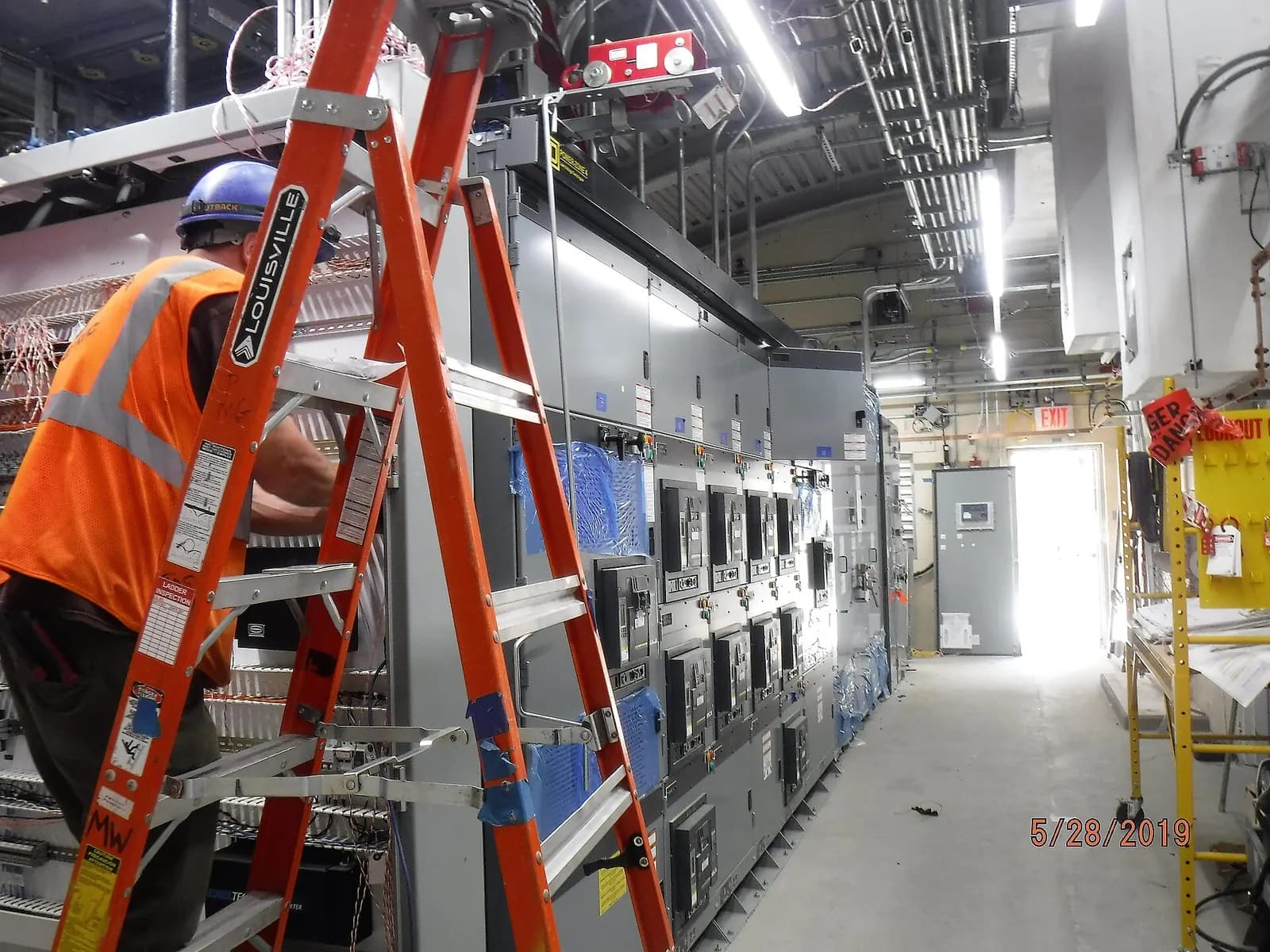
Rewiring hundreds of field terminations is what turns a migration into a long outage. Rockwell's 1492 conversion systems let a 1771 swing arm plug onto a conversion module, with pre-wired cables running to 1756 I/O, without removing any field wires from the existing swing arm (Rockwell 1492-SG121). Third-party conversion hardware exists too. Either way, the field side stays untouched and verified loops stay verified.
Don't forget the networks
PLC-5 systems rarely live alone. Data Highway Plus links to other processors, Remote I/O to drives and operator stations, serial links to scales and printers. Each one needs a plan: a bridge module during the transition, a direct replacement on EtherNet/IP, or a deliberate decision to retire it. We draw the before-and-after network on one page and agree it with your maintenance and IT teams before ordering hardware. It is the single drawing that saves most arguments during cutover week.
Step 4: choose a phasing strategy
| Approach | How it works | Best for |
|---|---|---|
| Processor first | ControlLogix replaces the PLC-5, existing 1771 I/O kept on a remote I/O network for now | Short shutdowns, staged budgets |
| Processor and I/O together | Full swap using wiring conversion systems | Planned outage of a few days |
| Parallel build | New panel built and tested beside the old one, cut over loop by loop | Critical processes, enough floor space |
For most plants, processor first is the lowest-risk start. It removes the hardest-to-find part, gets you onto Studio 5000 and Ethernet, and leaves the I/O swap for the next planned shutdown. Rockwell's replacement guidelines help choose the target controller, for example ControlLogix 5580 or 5590 (Rockwell 1756-RM100).
Step 5: test before the shutdown, not during it
Converted code should run against a simulation of the process before cutover. We emulate the new controller, connect a simple model of the equipment and replay the sequences operators use every day: start-up, normal run, stops, alarms. HMI screens are tested against the new tag database at the same time, because broken HMI addressing is the most common cutover surprise. Our guide to virtual commissioning explains the method.
Discover Our Lifecycle Extension & Migration Solutions
Rockwell Automation
This video is hosted on YouTube. Playing it loads content from Google, which may set cookies.
Watch on YouTubeStep 6: cutover and the first weeks
- Freeze program changes on the old system two weeks before cutover.
- Back up everything: PLC, HMI, drive parameters, network settings.
- Swap hardware and load the tested program.
- Check every I/O point from the field, not just from the screen.
- Run the process in manual, then automatic, with operations watching.
- Keep the old processor and program available for an agreed fallback period.
On U.S. projects, our engineers do the audit, conversion, restructuring and testing remotely from our India center. Your electricians or a local partner do the hardware work on site, with us on a remote session through cutover. If you have PLC-5 or SLC systems still running, our legacy modernization and controls engineering team can start with a migration assessment. The SLC route is covered in SLC 500 to CompactLogix migration. Or send us the program files and we'll scope it.