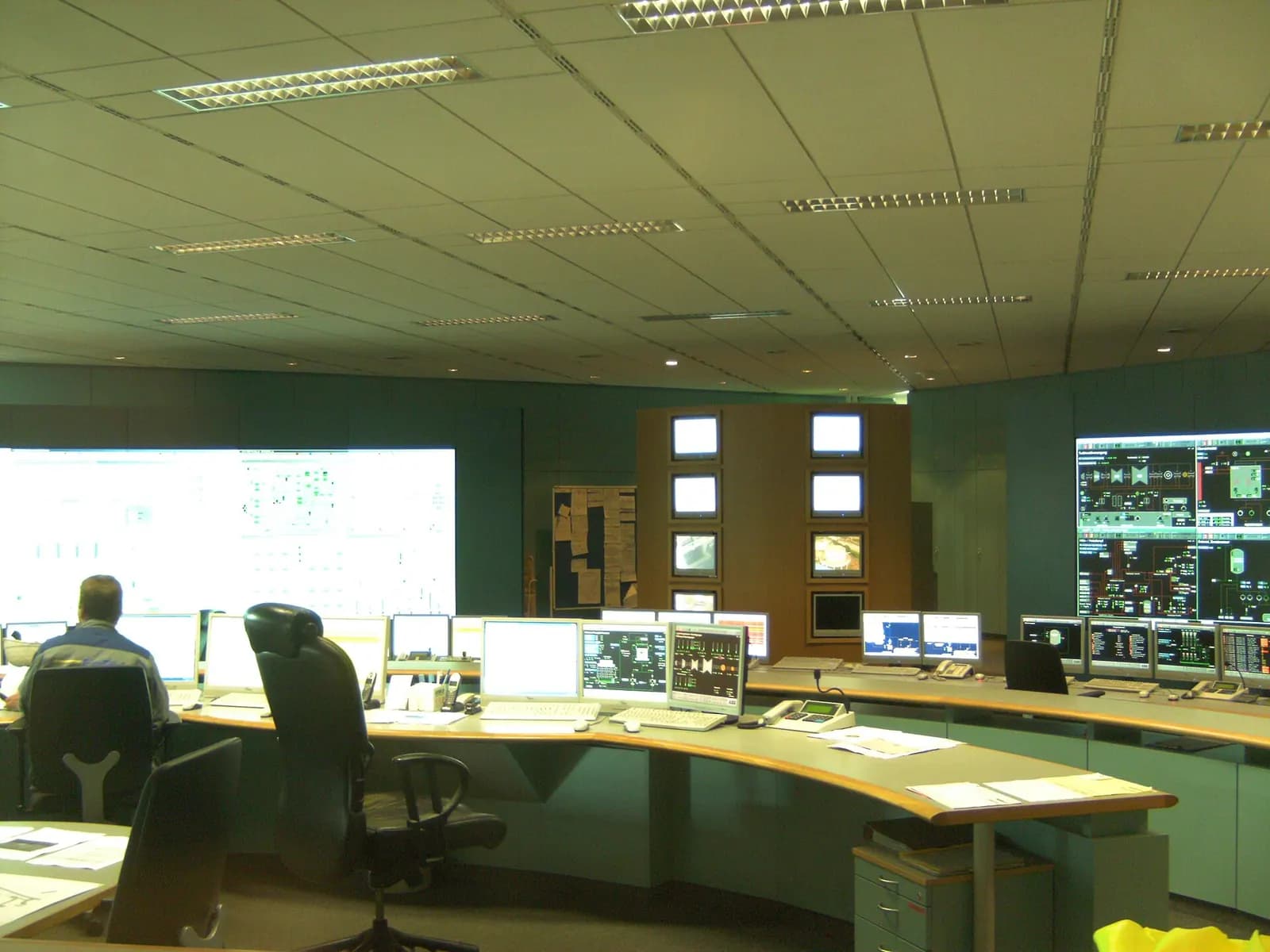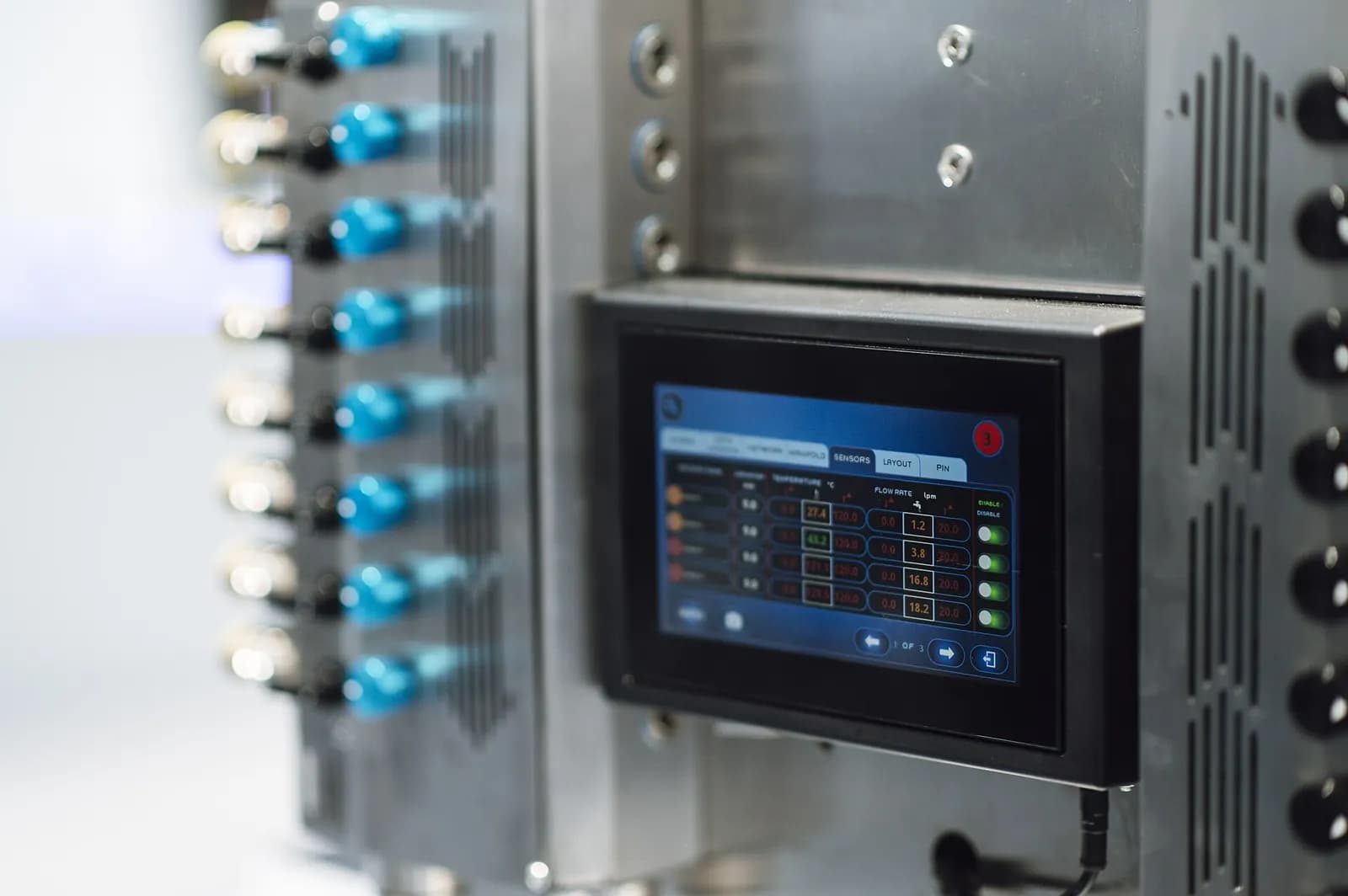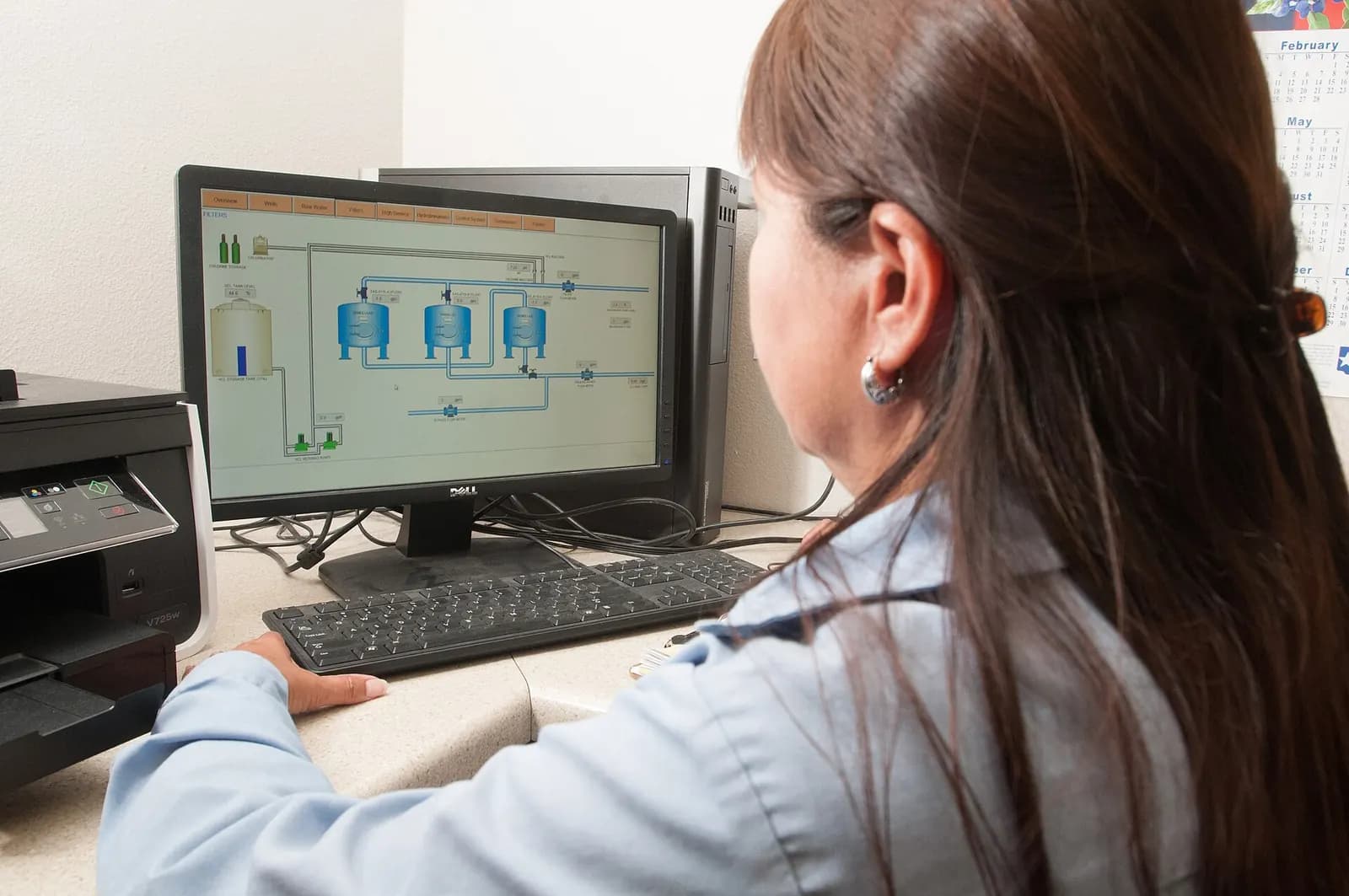
Ignition vs FactoryTalk View usually comes down to three things: how you want to pay for licenses, how tightly you need to integrate with Rockwell controllers, and how many people and sites need to see the data. Ignition from Inductive Automation is licensed per server with unlimited clients and tags. FactoryTalk View from Rockwell Automation is the long-established HMI and SCADA choice for Allen-Bradley plants, now joined by Rockwell's newer FactoryTalk Optix platform. Both can run a plant well.
Licensing: the biggest practical difference
Ignition is licensed by the server, not the client, with unlimited clients, tags and projects, and you buy the modules or solution suites you need (Ignition 8.3 licensing documentation). Inductive Automation publishes list prices on its website; at the time of writing the Application Building suite was listed at $13,500 and the Industrial Historian suite at $3,500 (Ignition pricing). Prices change, so check before you budget.
That model changes how a plant behaves. When adding a screen in the maintenance shop or a tablet on the line costs nothing extra, people add them. With per-client licensing, every extra view is a purchase decision.
FactoryTalk View comes in Site Edition for distributed, multi-user supervisory HMI, Machine Edition for machine-level HMI on PanelView Plus terminals, and ViewPoint for web access (Rockwell FactoryTalk View). Licensing is through Rockwell and your distributor, and the product page notes the industry move toward subscription software.
Solving The Roadblocks Of Conventional Licensing With Ignition
Inductive Automation
This video is hosted on YouTube. Playing it loads content from Google, which may set cookies.
Watch on YouTubeArchitecture and integration
| Topic | Ignition | FactoryTalk View |
|---|---|---|
| Licensing | Per server, unlimited clients and tags | Per edition, server and client licenses |
| Platform | Java-based gateway on Windows, Linux, containers | Windows |
| Rockwell integration | Drivers for Logix controllers | Native, with FactoryTalk Directory and alarms |
| Historian | Industrial Historian suite, SQL databases | FactoryTalk Historian (separate product) |
| Web clients | Built in (Perspective) | ViewPoint add-on |
Ignition 8.3, released in September 2025, added an Industrial Historian solution suite, an Event Streams module for routing events such as tag changes or Kafka messages, and a redesigned gateway (Inductive Automation). It also supports leased licenses for Docker, Kubernetes and cloud deployments, which suits companies that want SCADA managed like other IT services.
FactoryTalk View's strength is depth of integration in an all-Rockwell plant: shared security through FactoryTalk Directory, alarm and event handling tied to Logix controllers, and PlantPAx faceplates that match the library AOIs. If your plant runs PlantPAx, View SE remains a natural fit.
Alarm handling deserves its own look during selection. Ask each vendor or integrator to show how alarms are configured, shelved, suppressed and reported, and how alarm history is stored. A plant that is moving toward alarm management under ISA-18.2 will spend more time in this part of the software than in any graphics editor.
Total cost over ten years, not the first invoice
Compare platforms over the life of the system. Include the license or subscription, annual support, the hardware for servers and clients, the engineering hours to build and maintain screens, and the cost of upgrades. A platform that is cheaper to buy but needs a specialist for every change can end up more expensive than one your own team can maintain.
- Engineering effort: templates, tag structures and reusable faceplates reduce hours on both platforms. Ask how the integrator builds them.
- Upgrades: check how major version upgrades are licensed and how often you will realistically upgrade.
- Skills: count who in the plant can already edit screens on each platform.
- Security: both need patching, user management and network segmentation. Budget for it.
- Redundancy: decide early whether you need redundant servers. It changes architecture and price on both sides.
Where FactoryTalk Optix fits
Rockwell calls FactoryTalk Optix its new HMI platform. Design is browser-based through FactoryTalk Hub, runtime runs on OptixPanel terminals, industrial PCs or virtual machines on Windows or Linux, and it supports OPC UA, MQTT and C# scripting (Rockwell FactoryTalk Optix). PlantPAx faceplates are now published for both View and Optix. For new machine-level HMI on Rockwell projects, Optix belongs on the shortlist alongside View ME.
How we would choose
- New multi-site SCADA, mixed controller brands, many viewers: Ignition is usually the simpler and cheaper route.
- All-Rockwell process plant on PlantPAx: FactoryTalk View SE, or Optix for new areas, keeps one ecosystem.
- Machine HMI on Allen-Bradley equipment: View ME or Optix on the panel, with plant-level SCADA in whichever platform the site uses.
- Existing View SE system that works: don't rip it out. Add Ignition above it for reporting, dashboards and MES links if needed.
If you are replacing an old SCADA package, migrate in layers: first the data connections and tag database, then the overview screens operators use most, then detail screens and reports. Run old and new side by side for a few weeks with operators using both, and retire the old system only when the new one has handled real upsets. Mixed systems are common and fine. A frequent pattern is View ME or Optix on the machines, and Ignition at plant level collecting data from many lines and brands. The rule is to keep one platform responsible for each operator task, so nobody acknowledges the same alarm in two places.
Read more in high-performance HMI and ISA-101. Our controls engineering team builds HMI and SCADA in Ignition, FactoryTalk View and TIA Portal WinCC, and tests the screens against an emulated controller before site. If you are choosing a platform or migrating an old SCADA system, talk to us.