Practical writing on automation integration, robotics, workforce transformation, training and sustainability.
In short
The Wartens news section publishes practical articles on PLC engineering, legacy control migration, virtual commissioning, training and energy systems.
IEC 61131-3 makes the language portable, not the project. How German machine builders who ship on Siemens, Beckhoff and CODESYS can write logic that moves with predictable effort.
Most findings at a factory acceptance test are logic faults that could have been caught at a desk. A practical PLC FAT checklist, test case format and bench-test routine for machine builders.
The answer is almost always in a PDF somebody has. How service engineers working in Germany can use AI search over their own manuals, with the page cited, and where the limits are.
ISO 23247 does not tell you which software to buy. It gives you a structure for scoping, building and connecting a manufacturing digital twin. Here is what each part asks for.
A digital twin for a machine builder is not a 3D rendering. It is a model your PLC program can run against. What iUNI delivers, how a build runs and where it stops.
Virtual commissioning tests the real PLC program against a simulated machine before the machine exists. What it is, the three set-ups, what the evidence says and how to start without a big software budget.
If you supply components or machines to German manufacturers, an AASX file is starting to appear in purchase specifications. Which submodels matter, how identifiers work and how to build the first one.
From 20 January 2027 the Machinery Regulation defines when a modified machine needs a new conformity assessment, and who becomes its manufacturer. What that means for controller upgrades and retrofits.
A PLC program is usually your customer's trade secret. When AI is allowed near it, and how to run the model on your own machine so prompts and code never leave the building.
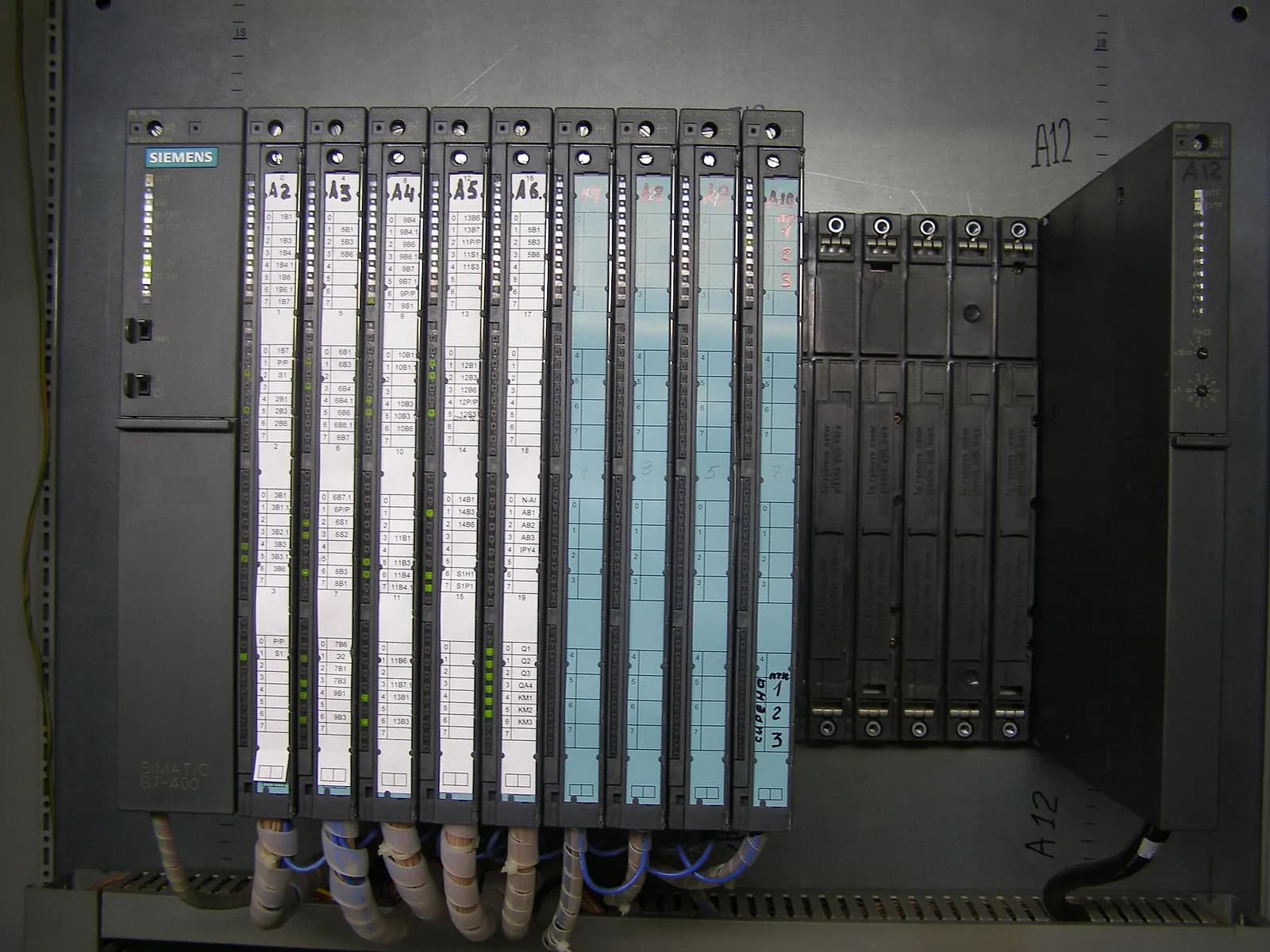
Siemens ended the S5 product life cycle in 2020, yet S5 controllers still run machines across Germany. The realistic routes to S7-1500, what the converter leaves behind, and how to plan the cutover.
From 20 January 2027 the EU Machinery Regulation replaces the Machinery Directive. For controls engineers the biggest changes sit in software: safety components, protection against corruption and a five-year log of safety software updates.
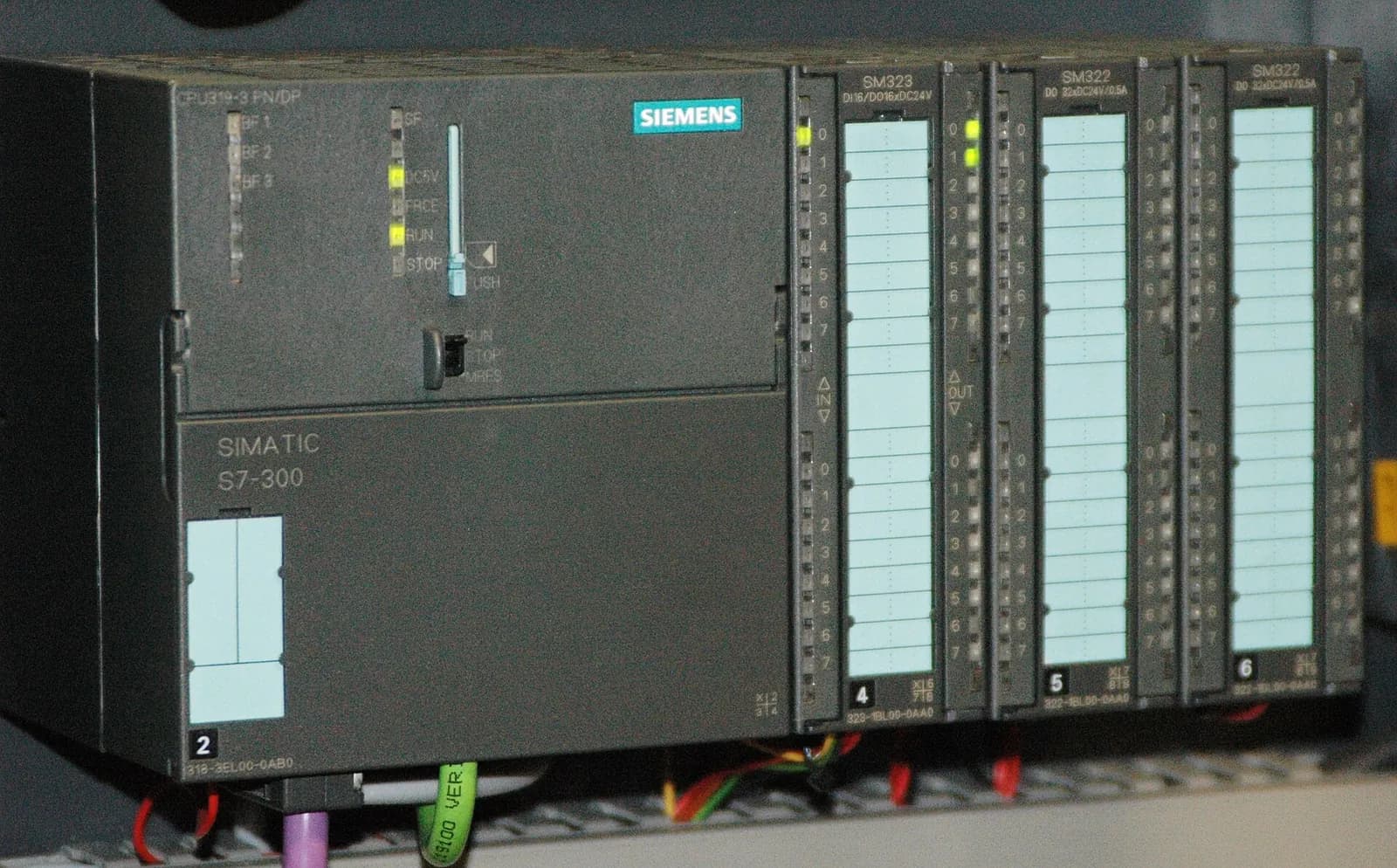
The S7-300 is in phase-out and Siemens gives availability until 2033. That sounds like plenty of time until you count your controllers. A practical plan for ranking and migrating an S7-300 fleet.
Most German machine builders do not need more controls engineers all year. They need two or three machine programs off the critical path. Here is how outsourcing PLC programming as a fixed work package works.
About 29,500 German companies fall under the NIS2 implementation law, many of them manufacturers. Registration, reporting and risk management are due now, and the production network is part of the scope.
The Cyber Resilience Act is already partly in force. Machine builders who ship connected controls need a vulnerability process, an SBOM and a support period plan well before December 2027.
TwinCAT makes virtual commissioning unusually practical: the same PC-based runtime, an EtherCAT simulation that plugs straight into the machine controller, and model interfaces for FMI and Simulink.
The Asset Administration Shell, or Verwaltungsschale, is how German industry standardises digital twins. A plain-English explanation for machine builders, with a practical first step.
German mid-sized firms are building engineering capacity in India faster than ever. Here is how engineering outsourcing from India to Germany works for controls projects, and where it goes wrong.
Unlike the S7-300, the S7-400 is not on a short clock. Here is how to decide whether an S7-400 to S7-1500 migration is worth doing now, and what changes for redundant H systems.
Importing a STEP 7 project into TIA Portal takes minutes. Making it run properly on an S7-1500 takes engineering. These are the code issues we meet on almost every migration.
Siemens offers several tools around PLCSIM Advanced for virtual commissioning. Here is how they fit together, which combination suits a machine, a process skid or a production line, and what results to expect.
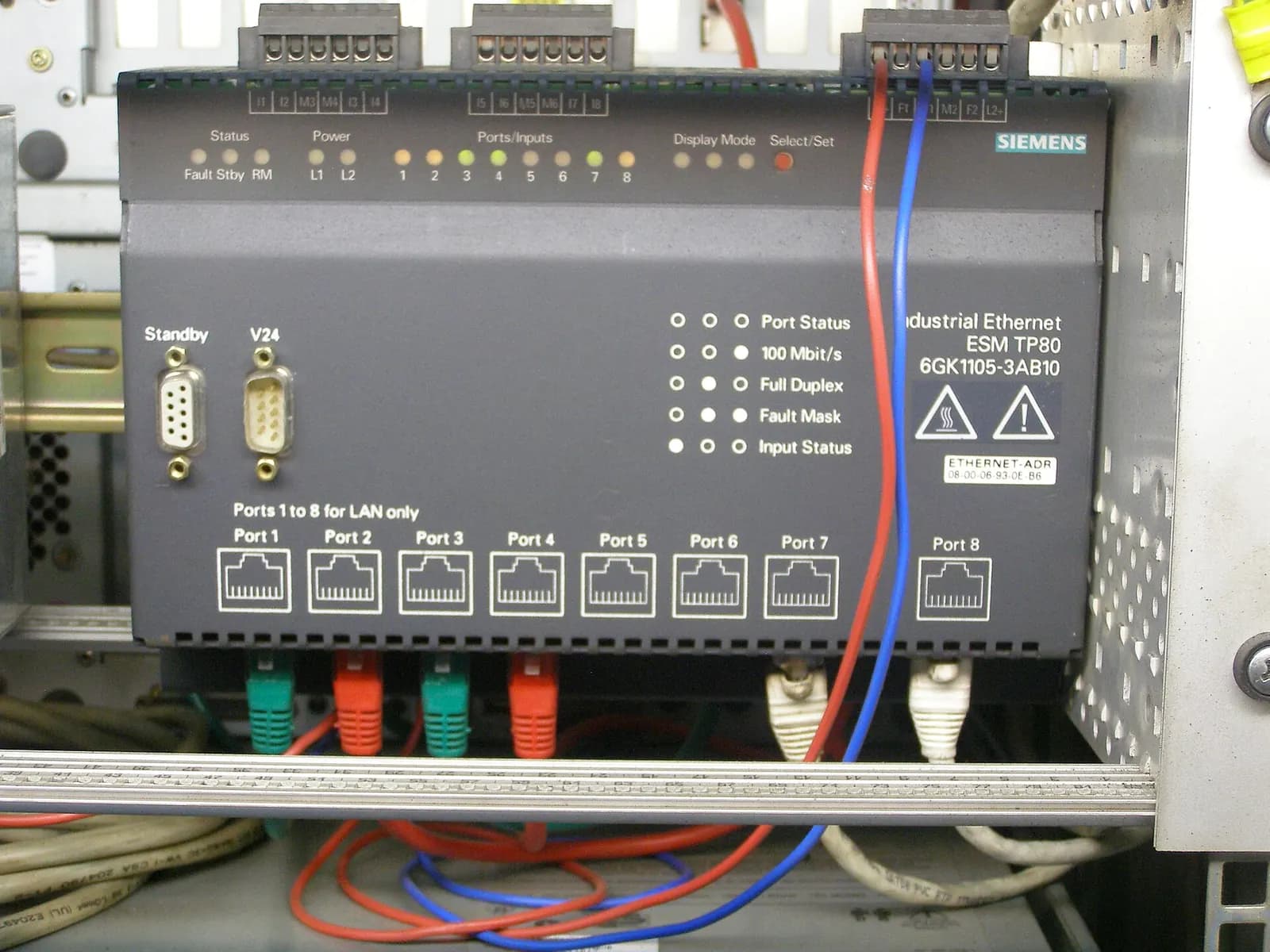
Zones and conduits are the heart of IEC 62443. Here is how we split a real production network into zones, define what may cross between them and set a target security level for each.
You cannot protect what you have not listed. A practical guide to building an OT asset inventory in a running plant, based on the CISA and BSI guidance.
Remote access lets engineers fix a stopped line in minutes. It is also one of the most common ways into a plant. A practical design for secure remote PLC support.
Safety functions are only as good as the software that implements them. A practical route to specifying, verifying and validating safety-related application software under EN ISO 13849.
Manufacturing-X aims to let factories and their suppliers share data securely across company boundaries. A plain explanation for international suppliers, machine builders and plant operators.
Customers ask for OPC UA, for an Asset Administration Shell, or for both. What each one is for, how they connect, and a sensible order to implement them on a machine.
Most failed controls projects fail at the specification. A practical structure for a PLC software specification that an internal or external team can build and test against.
Folders named final_v3_really_final are not version control. How Git now works with the three main PLC platforms, and a workflow that suits machine builders and outsourced teams.
German battery storage is growing fast, and the control system decides whether a site connects on time and earns what it should. What grid codes and markets demand from BESS controls.
Many engineering teams in Bavaria work in English, but most PLC courses run in German. What a good English-language PLC course near Munich should cover, and how to arrange one.