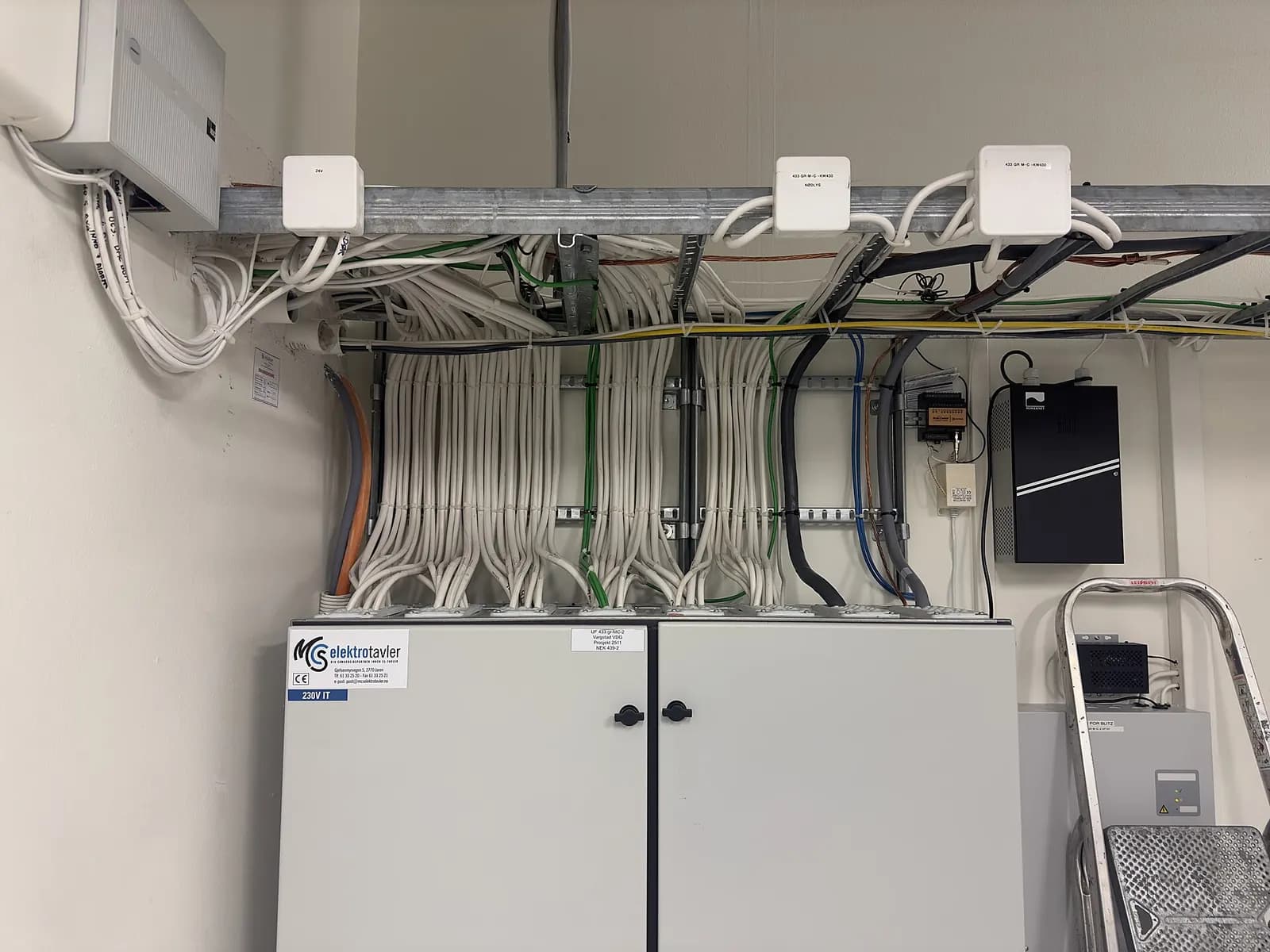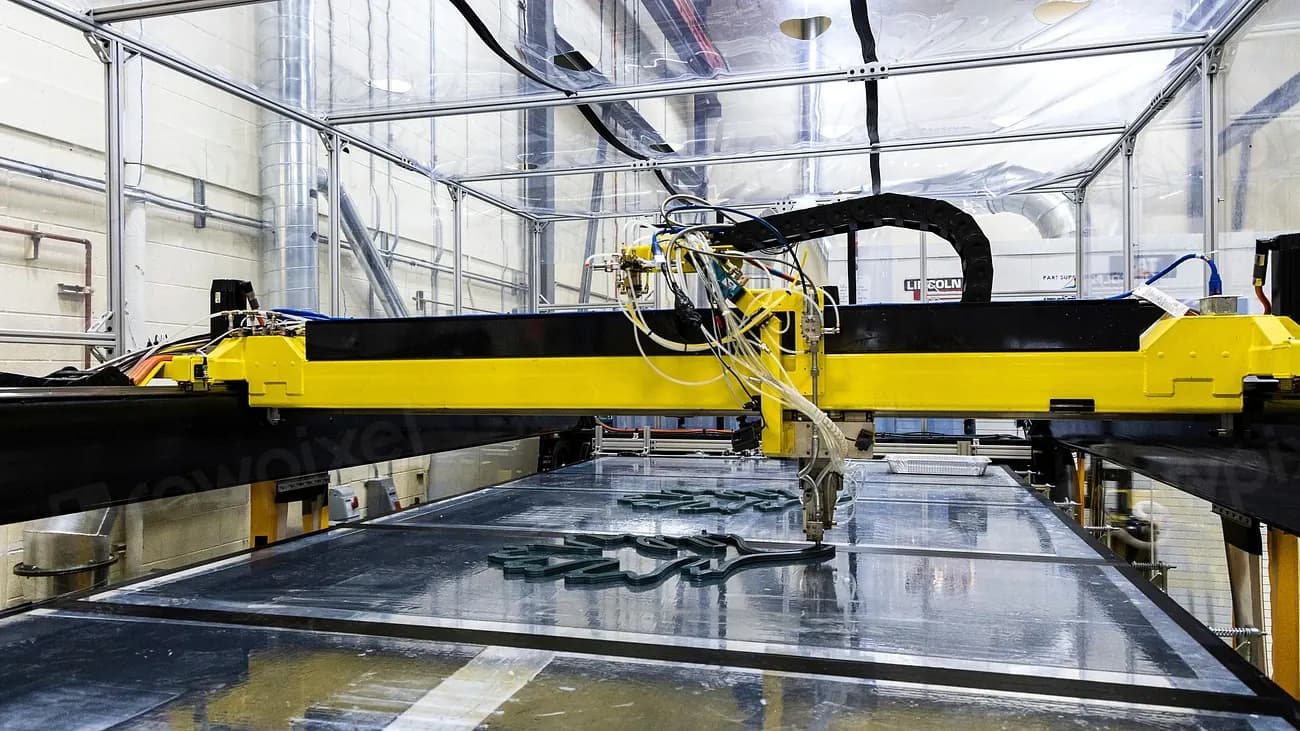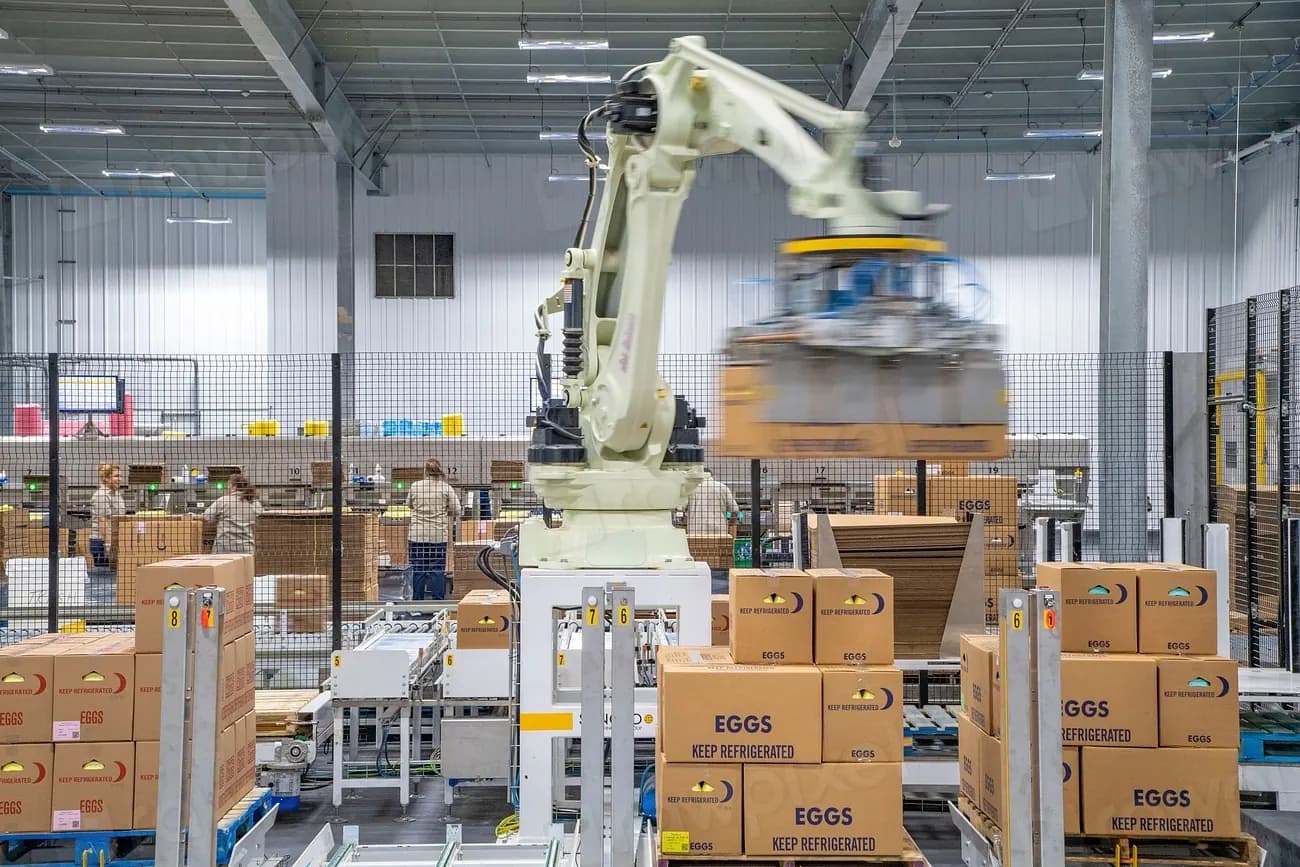
Outsourcing PLC programming in Germany works best when you buy a defined result, not hours. A fixed-price work package names the machine, the platform, the functions, the tests and the documents, and the supplier delivers all of it at an agreed price and date. You keep the architecture decisions, the libraries and the final say on acceptance. The supplier carries the engineering effort and the schedule risk.
This guide is for special-machine builders and plant engineering teams who are short of controls capacity and want to try outside help without losing control of their software. It is based on how we deliver PLC, HMI and safety software for German clients from our engineering centre in India.
Why outsourcing PLC programming is growing in Germany
Two pressures meet. Controls engineers are hard to hire, and the amount of software in each machine keeps rising. In March 2026 Germany was short of 133,900 STEM workers, including 48,900 in energy and electrical occupations and 22,900 in machinery and vehicle engineering, according to the IW MINT spring report. German mid-sized firms have responded by building engineering capacity abroad: their capability centres in India grew 108% in five years, now with engineering and AI mandates (People Matters, IGCC-ISG report). Not every firm wants its own centre. For many, a few outsourced machine programs a year are enough to stop the backlog growing.
At the same time the regulatory load is rising. From 20 January 2027 the EU Machinery Regulation treats software that performs a safety function as a safety component, and the technical file must show how control systems are protected against corruption. We cover that in detail in our post on the Machinery Regulation and control software. For outsourcing, the consequence is simple: whatever you hand out must come back documented well enough to go into your technical file.
What a fixed-price PLC work package contains
| Element | What it specifies | Who owns it |
|---|---|---|
| Scope | Machine, stations, modes, interfaces to robots, drives, MES | You define, supplier confirms |
| Platform | TIA Portal and S7-1500, TwinCAT 3, or CODESYS, with versions fixed | You |
| Standards | Your coding rules and libraries, or PLCopen guidelines | You |
| Deliverables | PLC code, HMI screens, alarm texts, safety program, I/O list, test report | Supplier delivers |
| Tests | Written test cases run against a simulated machine | Agreed jointly |
| Acceptance | Remote review of code and test results before site work | You sign off |
| Price and date | Fixed, with a change process for scope changes | Agreed in writing |
The table looks like bureaucracy. It is the opposite. Each line removes a question that would otherwise turn into a call, a delay or an argument about cost.
Platforms: TIA Portal, TwinCAT and CODESYS
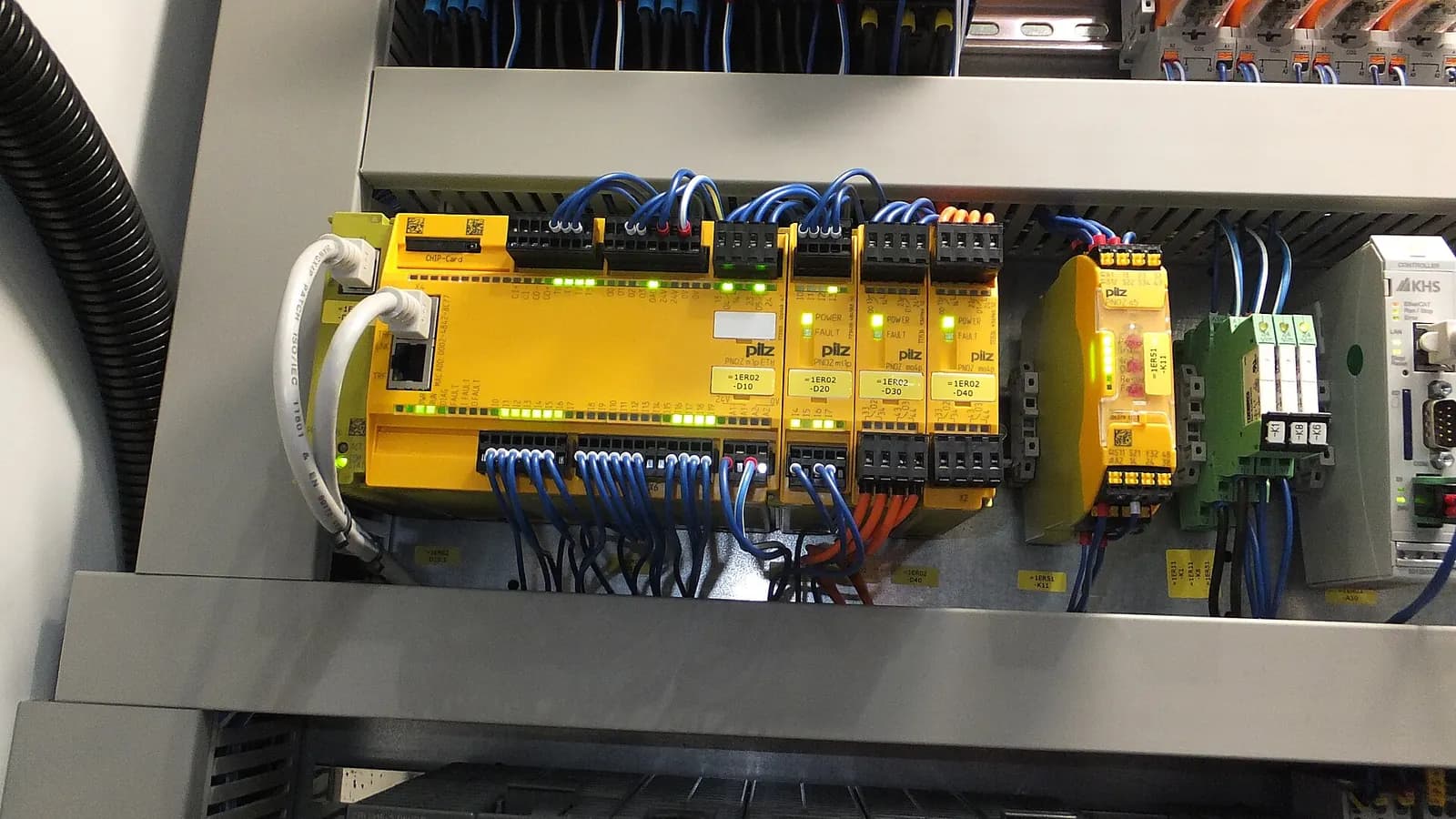
Most German special machines run on one of three engineering environments. Siemens TIA Portal with S7-1500 dominates in automotive and general machine building. Beckhoff TwinCAT 3 is common on PC-based machines with many servo axes. CODESYS sits under controllers from a long list of hardware makers. All three implement IEC 61131-3, so structured code, function blocks and Structured Text carry across. The libraries, motion control and safety tooling do not, so the work package must name the platform and version, and the supplier must show real project experience on it. Whichever platform you use, insist that the code lives in your own repository: our guide to PLC version control shows how for each.
What to hand over
The quality of outsourced PLC code depends mostly on the quality of the input. Before work starts we ask for:
- Electrical schematics (EPLAN or PDF) and the I/O list.
- A functional description of each station: sequence, modes, interlocks, fault reactions.
- The risk assessment and the list of safety functions with their required Performance Level.
- Your PLC library and coding standard, or approval to follow PLCopen.
- Interface definitions to robots, drives, vision systems and line control.
- A reference program from a similar machine, if you have one.
If the functional description does not exist yet, writing it is the first part of the package. Our guide to writing a PLC software specification shows a template that works.
How outsourced code is tested
Remote PLC programming without simulation is guesswork. The code is tested against a virtual machine: the PLC runs in PLCSIM Advanced or a TwinCAT runtime, a model simulates the sensors, actuators and drives, and every test case is executed and recorded. The evidence for this approach is solid. At machine builder Tronrud, virtual commissioning cut the design phase by 10% and commissioning time by 25%, according to ISA InTech.
PLC Programming Best Practices - Benefits of Modular PLC Programming
Automation World
This video is hosted on YouTube. Playing it loads content from Google, which may set cookies.
Watch on YouTubeAcceptance: what you check before you sign
- Code review. Structure, naming, use of your library, comments in the agreed language. Two hours with your lead engineer is usually enough.
- Test report. Every test case, its result and the software version it was run on.
- Remote demonstration. A shared session where the program drives the simulated machine through start-up, automatic mode, faults and recovery.
- Documentation. I/O list, alarm list, safety function descriptions and the version-tagged project archive.
- Site support plan. Who joins the commissioning remotely, and at what times.
Where commissioning happens
Wartens does not send commissioning crews to German sites. Your team or your local commissioning partner runs the cutover and the I/O checks, and our engineers join remotely to change code, explain behaviour and update the documentation. This split works because most logic faults have already been found on the virtual machine.
Read more about our PLC and controls engineering and the virtual commissioning and digital twin work that backs it up.
Next step: send us the schematics and functional description of your next machine and we will reply with a written scope, schedule and fixed price. Start here.