AI search for technical manuals means asking a question in plain language, such as which parameter sets the torque limit on this drive, and getting an answer taken from your own PDFs with the document and page cited. Done properly it saves the half hour spent paging through a 400-page drive manual on a service call. Done badly it produces a confident number from nowhere, which on a machine is worse than no answer at all.
For international service engineers working in Germany the problem has an extra layer: language. The machine's operating instructions are usually in German, the drive and controller manuals may be English, and the site standard is German again. This article explains why that happens, how a citation-based tool such as LADX Knowledge works, and how to set up a manual library that gives trustworthy answers.
Why your document set is bilingual
German product safety law requires that where rules must be followed for safe use, a product placed on the German market comes with instructions in German (ProdSG §3). The EU Machinery Regulation, which applies from 20 January 2027, says instructions must be in a language easily understood by users, as determined by the Member State, and allows them to be supplied in digital form if they can be downloaded, printed and kept online for at least ten years after the machine is placed on the market (Regulation (EU) 2023/1230, Article 10(7)).
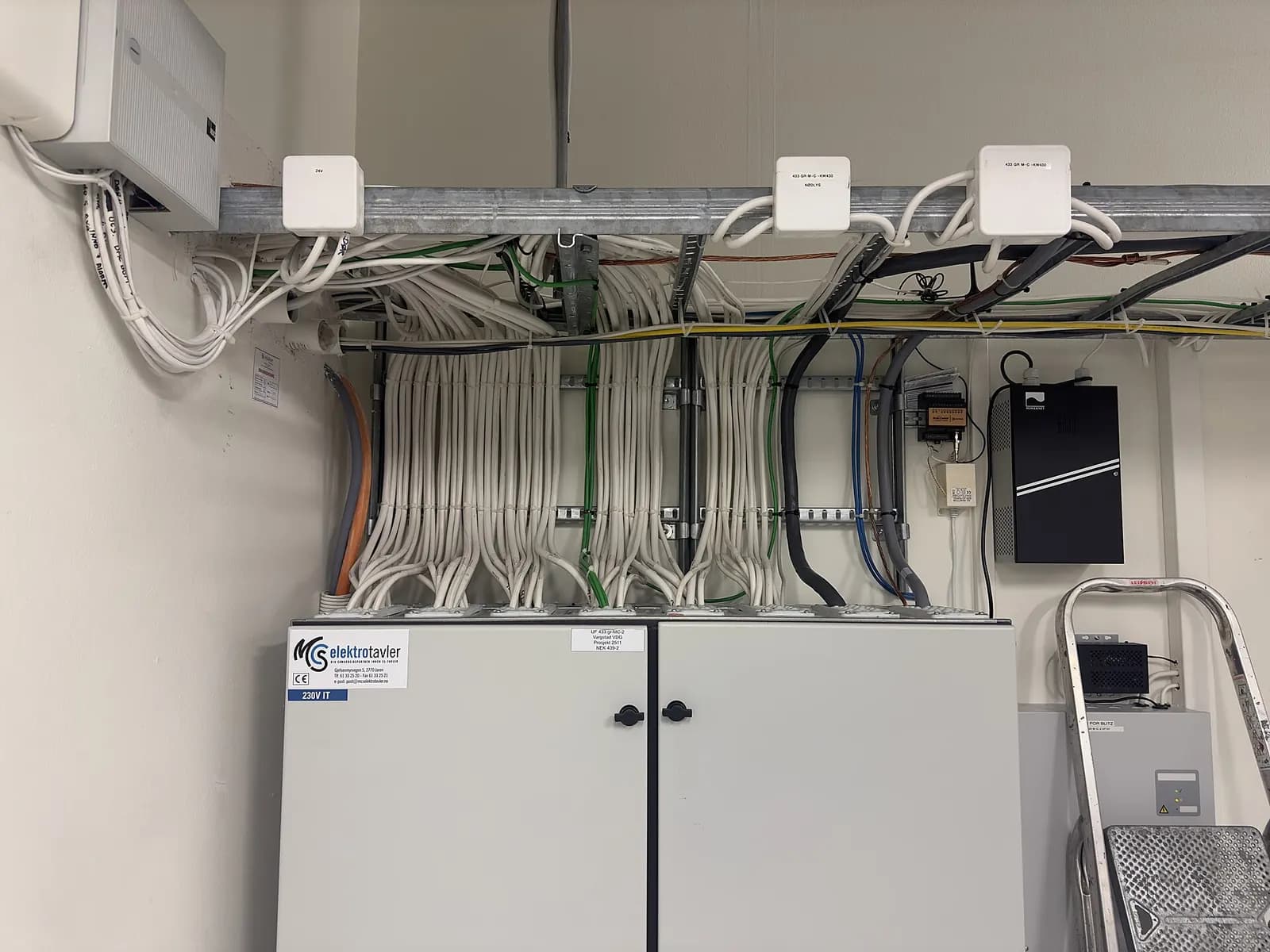
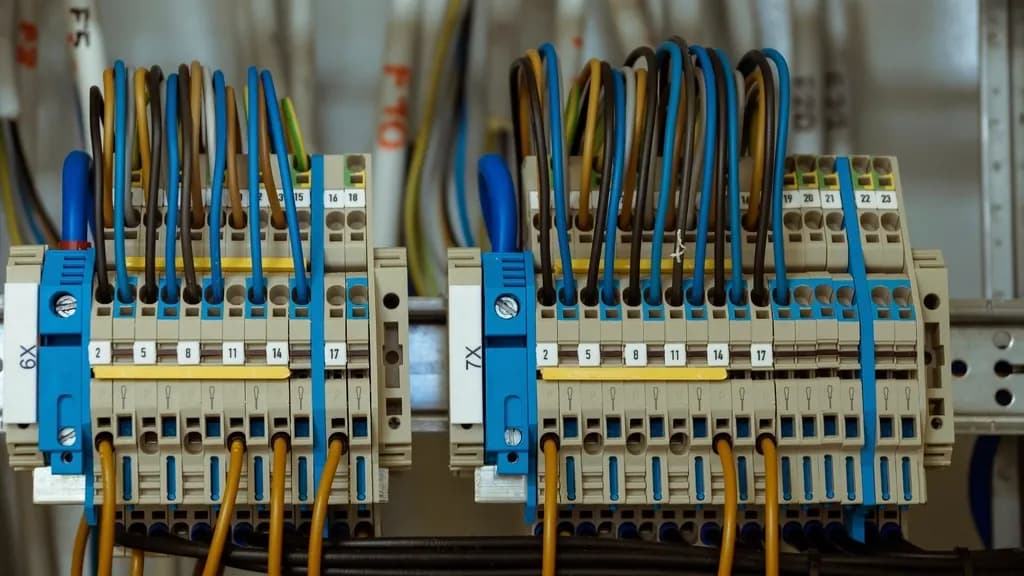
So a German machine arrives with a German Betriebsanleitung, while the component manuals inside the cabinet come from the drive, PLC and sensor makers in whatever languages they publish. A service engineer from Pune, Leeds or Dubai working on that machine needs answers from both. Our article on the Machinery Regulation and control software covers the digital instructions rules in more detail.
Why a general chatbot is the wrong tool
A general language model asked about a specific drive parameter will answer from whatever it absorbed in training. Sometimes that is right. You cannot tell from the answer which kind you got, and parameter numbers change between firmware versions and product families. In maintenance work the useful question is not whether the answer sounds plausible but which page it came from.
How LADX Knowledge works
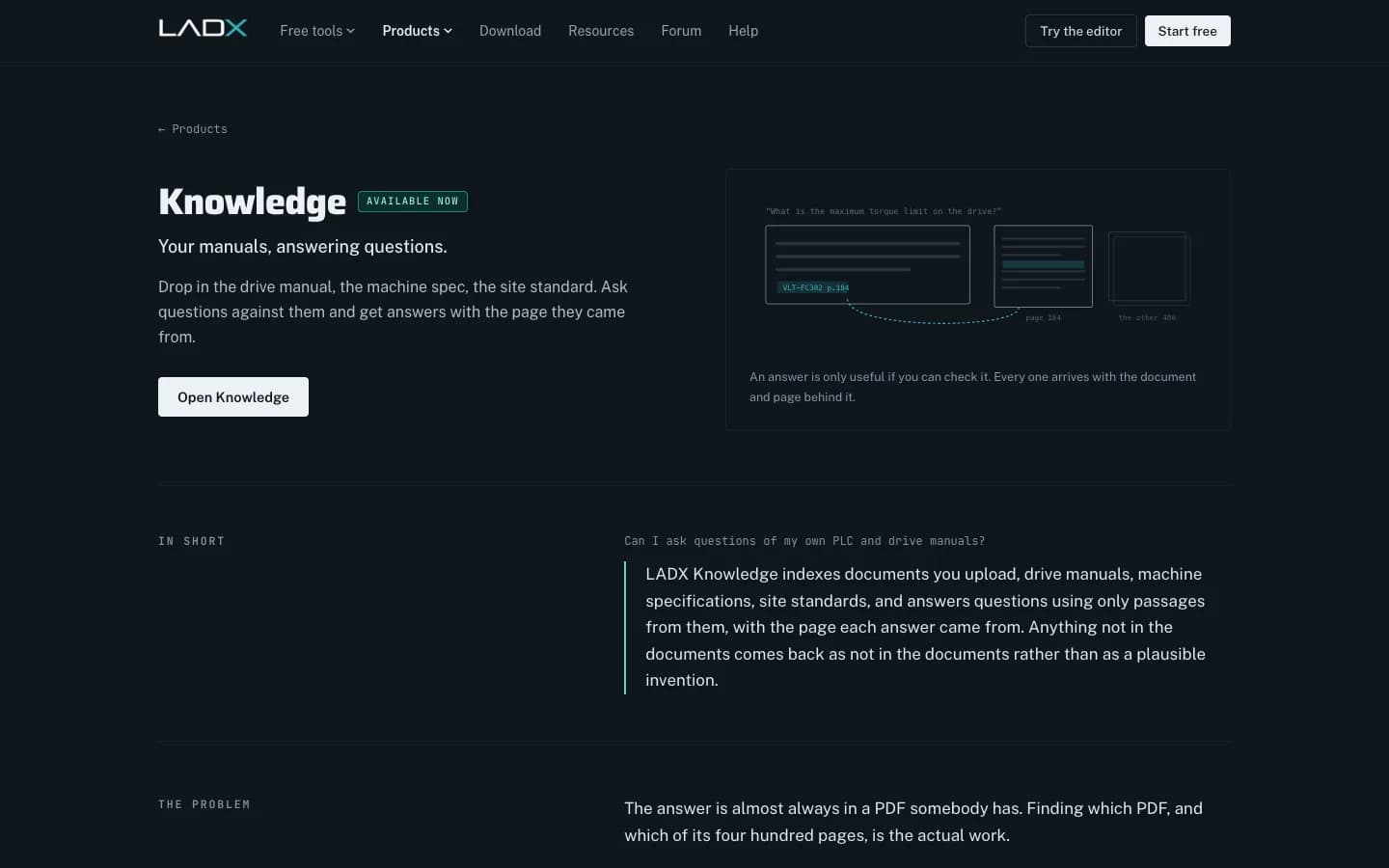
Knowledge is one of the ten tools in LADX, the AI workbench for automation engineers. It answers questions using only passages retrieved from documents you upload (LADX Knowledge).
- Upload the documents for one project: drive manuals, the machine specification, the site standard. Text files and PDFs are supported today.
- Ask a question in plain language.
- The answer comes back with the document and the page each claim came from, so you can open the page and check it.
- If the answer is not in the documents, it says "not in the documents" instead of inventing one.
- Documents are scoped per project, so one customer's manuals never leak into another project's answers, and nothing is used for training.
- LADX Chat can search the same library while writing logic, so a generated rung can respect limits stated in the drive manual.
The AI model is the one you connect. LADX holds no shared key: OpenRouter is the default, and Anthropic, OpenAI or any OpenAI-compatible endpoint, including a local Ollama model, work the same way. Requests go only to the provider whose key you connected (LADX help).
What it does not do
- It does not check that a manual is the current revision. That is still your job.
- A scanned manual with no text layer is a picture. Run OCR first or ask the manufacturer for a text PDF.
- Extraction from PDFs with heavy tables loses some structure, and tables are where parameter values live. Check table answers against the cited page every time.
- LADX does not claim to translate manuals. Treat cross-language questions with care, as described below.
Setting up a bilingual manual library
- Collect both language versions where they exist. Many drive and PLC makers publish English and German manuals. Load both.
- Name files with product, language and revision, for example drive-g120-listmanual-en-2024-05.pdf. The citation is only useful if the file name tells you what you are looking at.
- Test retrieval across languages on your own documents. Ask the same question in English and in German and compare the cited pages. Keep the approach that returns the right page reliably.
- Keep the German original as the reference for safety content. If an answer touches a safety function, open the cited German page and read it yourself.
- One library per machine or project. Mixing every manual you own into one pile makes retrieval worse, not better.
- Review the library at each service visit. Replace superseded revisions and record the date.
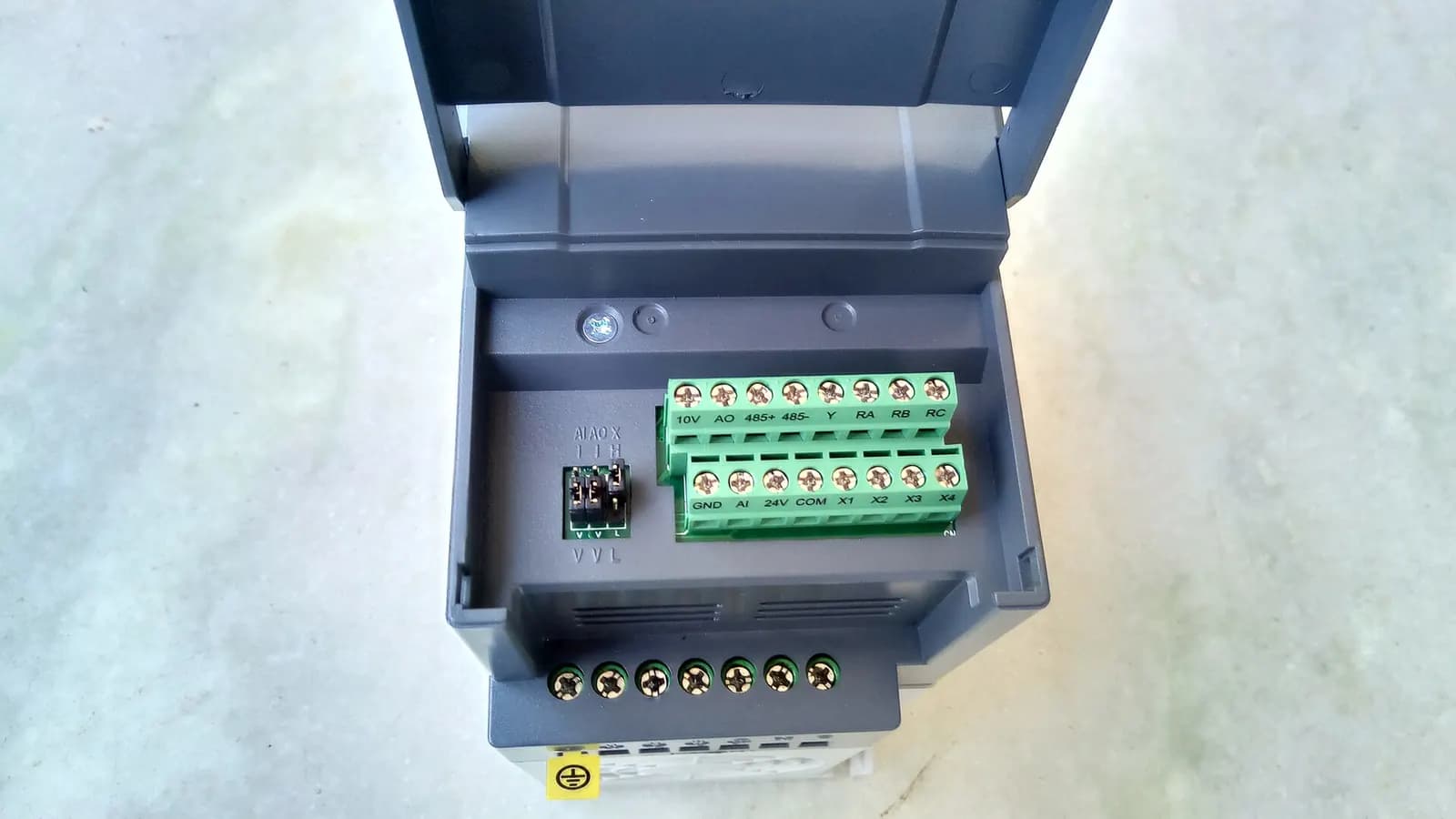
Manufacturers are slowly making this easier. VDI 2770 Part 1, published in April 2020, sets minimum requirements for digital manufacturer information, originally for the process industry (VDI). Documentation delivered in a structured package with metadata is far easier to search than a folder of unnamed PDFs. If you supply machines yourself, our article on the Asset Administration Shell explains how documentation can travel with the asset.
The Digital Data Chain - Explained! (VDI 2770 | IEC 61406 | IEP | Digital Twin)
Quanos AI Hub
This video is hosted on YouTube. Playing it loads content from Google, which may set cookies.
Watch on YouTubeWhere Wartens fits
Wartens supports machine builders and plants in Germany with PLC engineering, migration and service documentation, and trains maintenance teams at the edWartens centre in Oberhaching. If your service team is international and the documentation is not, see our automation engineering services and engineering training.
Next step: tell us which machines your service engineers struggle with most and we will suggest how to structure the documentation behind them. Contact us.