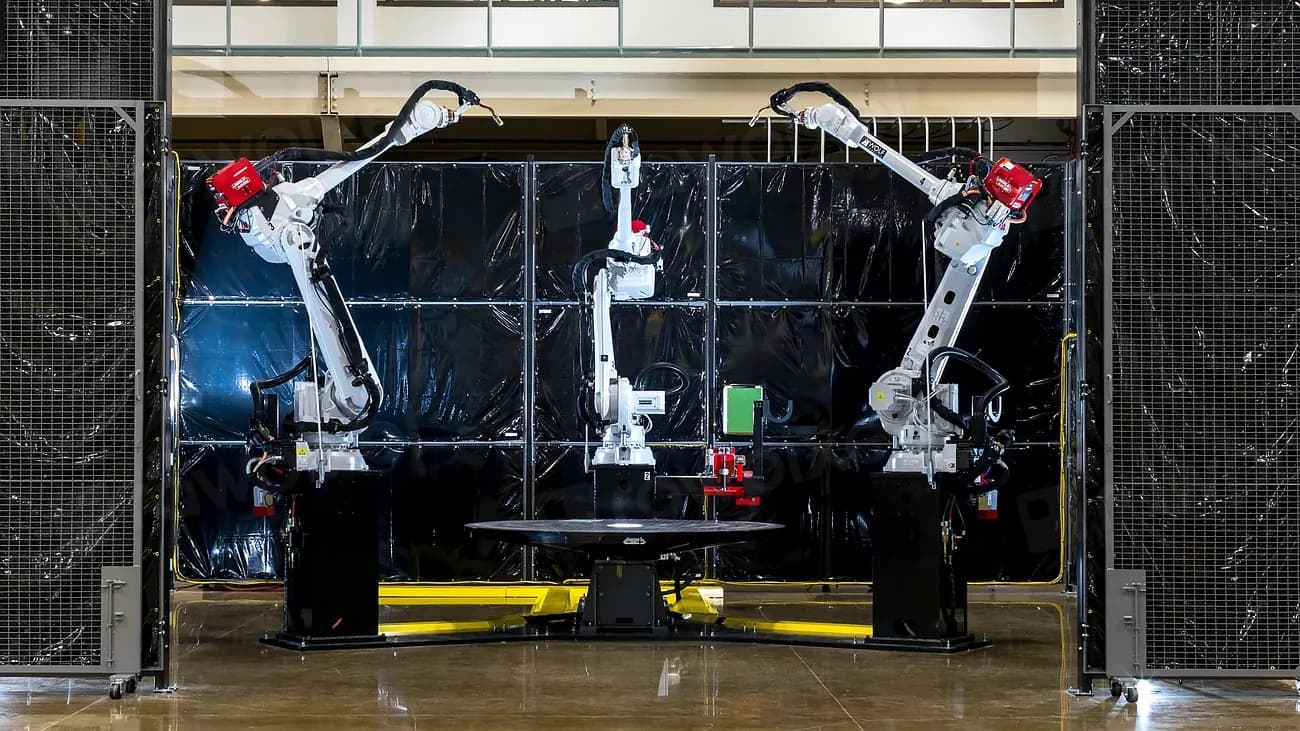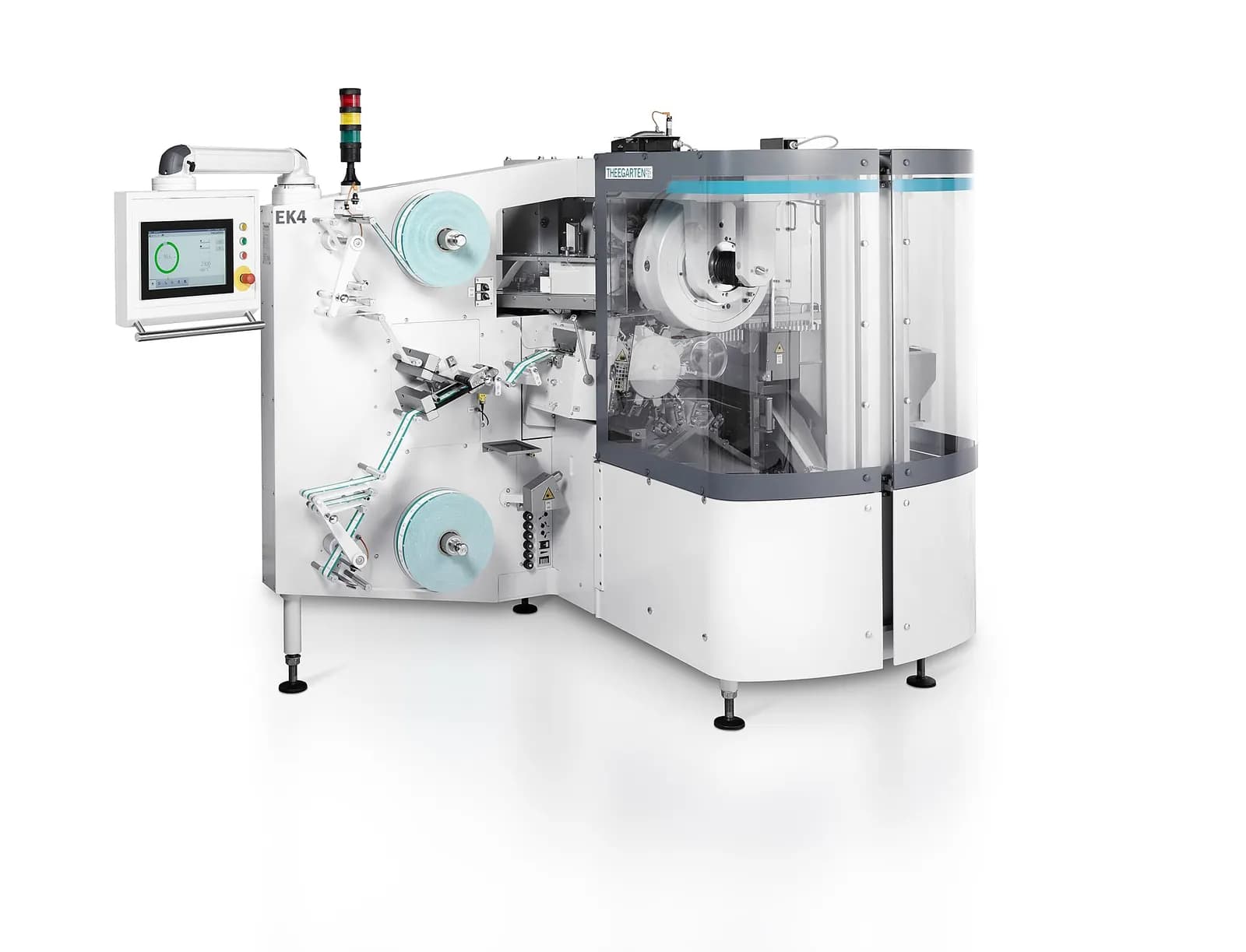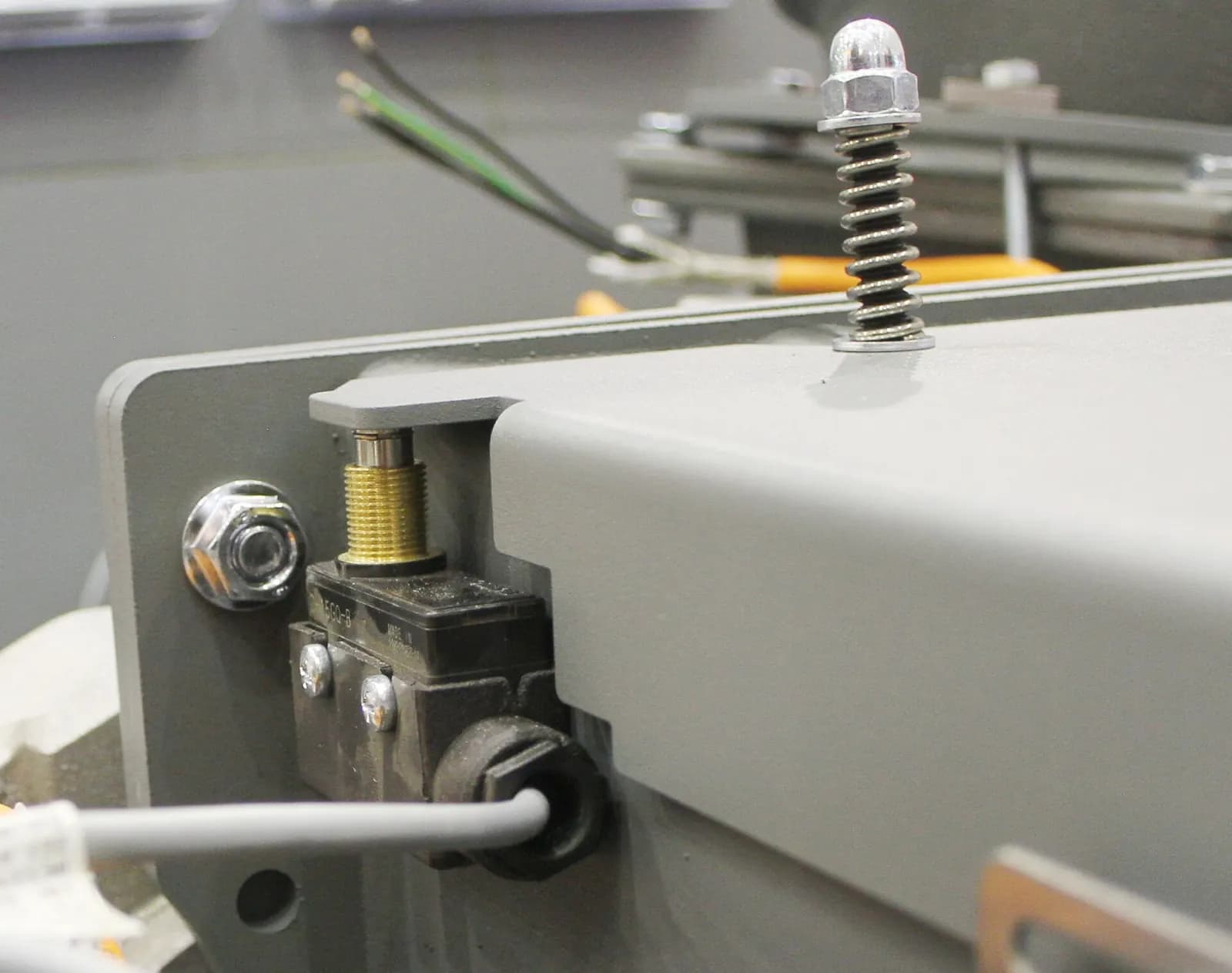
The Asset Administration Shell (AAS), known in German as the Verwaltungsschale, is a standardised digital representation of an industrial asset, such as a machine, a drive or a sensor. IEC 63278-1, published in December 2023, defines its structure (IEC). In plain terms, it is a digital folder with a fixed format that travels with the asset, so that any system can read the nameplate, the technical data, the documentation or the carbon footprint without custom integration. In Germany it is the standard digital twin across the Manufacturing-X data space projects (IDTA).
The Asset Administration Shell explained in three parts
- The shell. One per asset, with a globally unique identifier. It is the container.
- Submodels. Each covers one aspect of the asset, such as the digital nameplate, technical data, documentation or carbon footprint. Standard templates make the content machine-readable in the same way across manufacturers.
- Access. The shell can be exchanged as a file (an AASX package) or served live through an API, so a customer's system can query it.
The Industrial Digital Twin Association (IDTA) publishes the submodel templates. Examples include the Digital Nameplate (IDTA 02006), the Carbon Footprint (IDTA 02023), metadata for the Digital Product Passport (IDTA 02099) and a multi-part Battery Passport (IDTA 02035) (IDTA submodels).
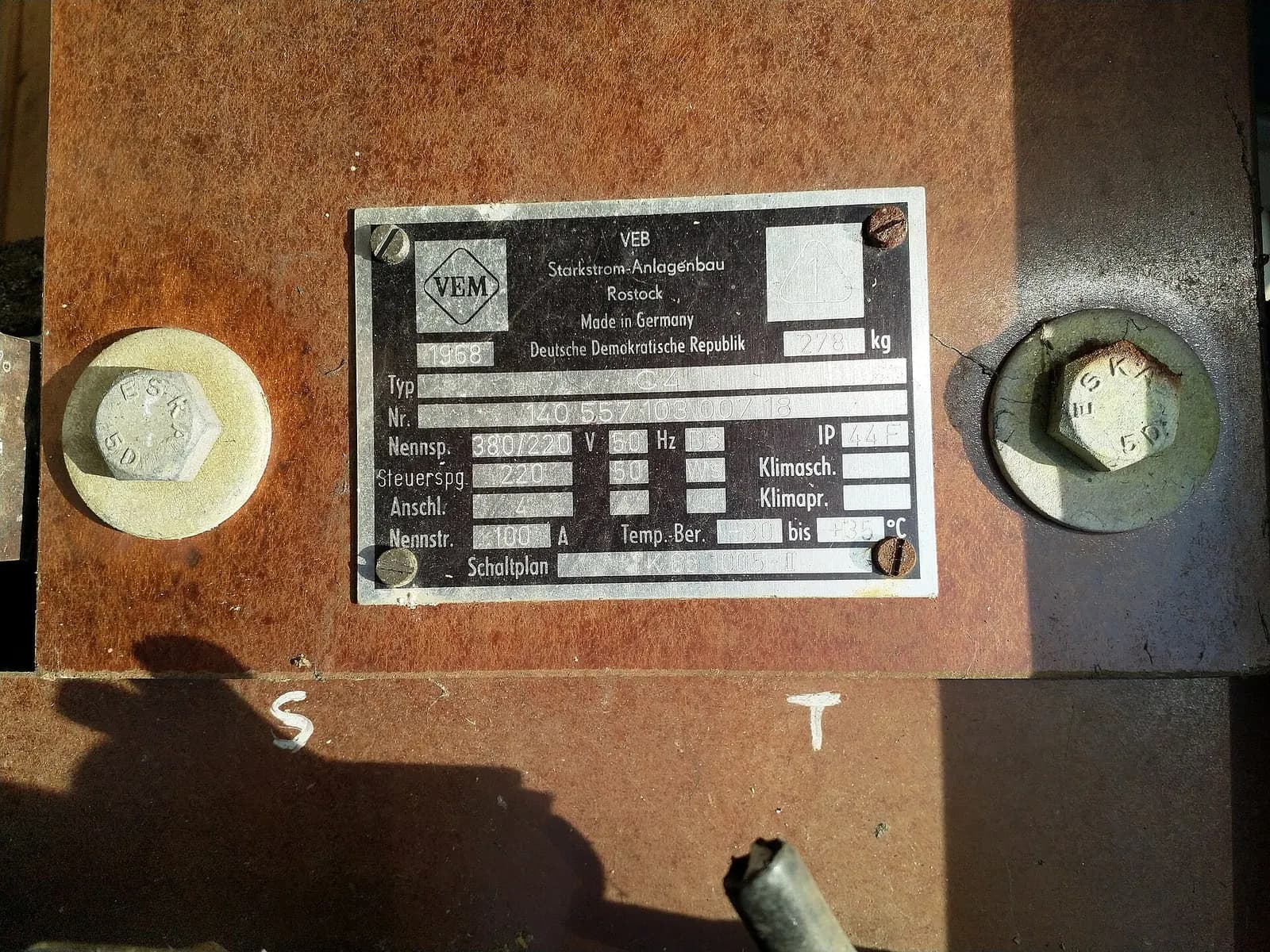
A concrete example
Take a servo press delivered to an automotive supplier in Bavaria. Today the customer receives a paper type plate, a USB stick with PDFs and a spare parts list in Excel. With an AAS, the same machine comes with one shell. Its Digital Nameplate submodel holds the manufacturer, serial number, year of construction and markings. A documentation submodel links the manuals and declarations. A technical data submodel lists the press force, stroke and connected load. The customer's maintenance system reads all of it automatically, and the drive and sensor shells supplied by your component vendors hang underneath.
Nothing in that example needs live data or a cloud platform. It is structured documentation in an agreed format, which is why it is a sensible starting point.
Why machine builders will be asked for an AAS
Three forces are pushing the AAS from research into purchase specifications. First, suppliers are committing to it: in December 2025, 75 electrical and digital companies signed a declaration of intent with IDTA and ZVEI to integrate the AAS into their products within 12 months, with the stated aim of "a common, global data language for all systems and assets" (all-about-industries).
Second, the Digital Product Passport. IDTA positions the AAS as the source of standardised, semantically enriched data for product passports, starting with batteries. Third, Manufacturing-X: the German data space initiative uses the AAS as its common twin format. Our Manufacturing-X explainer covers what that means for suppliers.
| Driver | What customers will ask for | Timing |
|---|---|---|
| Component suppliers adopting AAS | Shells for bought-in parts, linked into the machine's own shell | Already happening |
| Digital Product Passport | Passport data in a standard format | Starting with batteries |
| Manufacturing-X projects | Data exchange through AAS-based services | Pilot and roll-out phase |
At Hannover Messe 2026, IDTA and Plattform Industrie 4.0 shared a stand with 30 exhibits showing AAS applications, including work on interoperability for Manufacturing-X (IDTA). The message to machine builders was consistent: the format is settled; the work now is filling it.
Tools to get started
You do not need a platform purchase to begin. The AASX Package Explorer is an open-source viewer and editor for AAS files (version 3 of the metamodel). Eclipse BaSyx provides open-source middleware to serve shells through an API, with SDKs and connectors for OPC UA and MQTT. Both are enough to build and test a first shell for one machine type.
The Asset Administration Shell (AAS) as the foundation for the Digital Twin in Industry 4.0
Industrial Digital Twin Association
This video is hosted on YouTube. Playing it loads content from Google, which may set cookies.
Watch on YouTubeA practical first step for a machine builder
- Pick one machine type with steady sales.
- Build a shell with three submodels: Digital Nameplate, technical data and documentation (manuals, declarations, drawings).
- Collect the shells your component suppliers already provide for drives, sensors and controllers, and reference them.
- Deliver the AASX file with the next machine and ask the customer what they would use.
- Only then decide whether you need live data through an API, for example status and energy values from the PLC.
Mistakes to avoid
- Starting with a platform purchase before you know what data customers want.
- Inventing your own submodels where an IDTA template exists.
- Treating the shell as a one-off export instead of part of the order and documentation process.
- Forgetting identifiers: every shell and asset needs a stable, globally unique ID from day one.
Where digital twins for commissioning fit
The AAS is an information twin. A virtual commissioning model is a behavioural twin: it simulates how the machine moves and reacts so that PLC code can be tested before site work. The two meet when the commissioning model is built from the same structured data. Wartens builds machine and line twins driven by your PLC program, and can structure them for interoperability on request. See our digital twins and virtual commissioning services.
Next step: send us the documentation set of one machine type and we will propose a first shell structure with the right submodels. Contact us or read the Germany market overview.