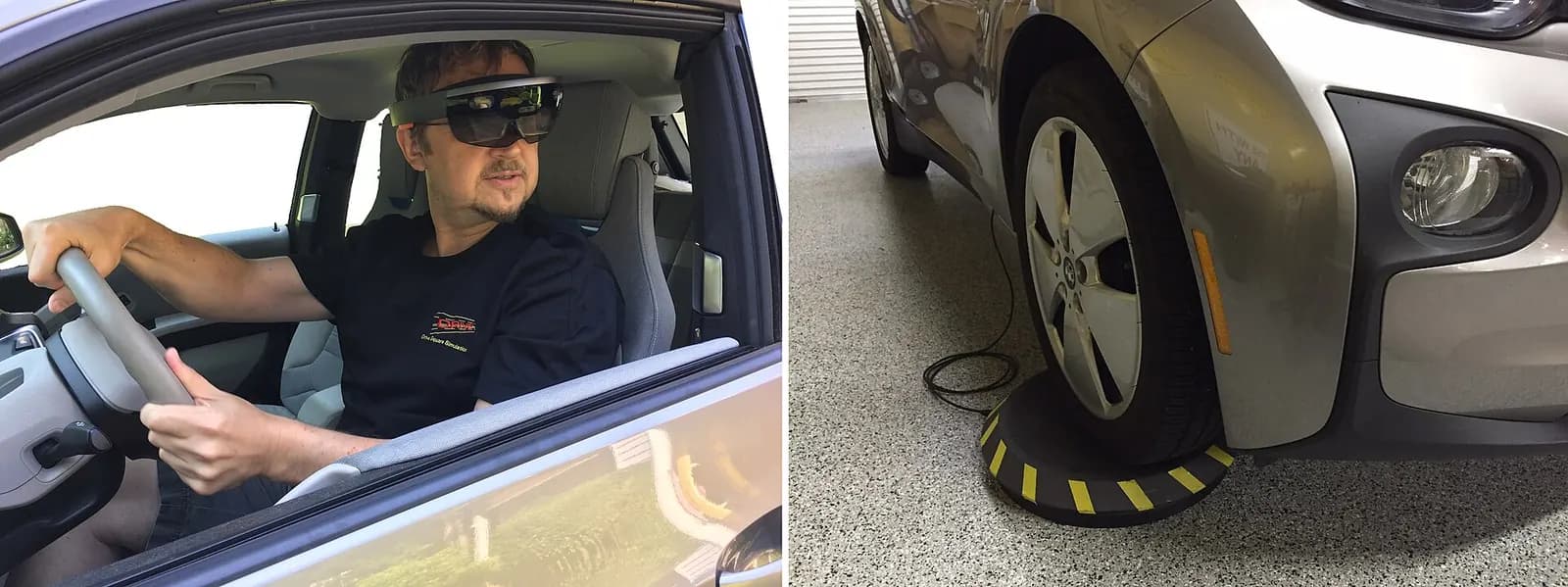
VR safety training puts a trainee inside a realistic simulation of their workplace, where they can practise hazardous tasks, make mistakes and learn from them without anyone getting hurt. In manufacturing it is used for lock-out and isolation, machine guarding, forklift awareness, confined spaces, emergency response and equipment-specific procedures. It is not a replacement for supervised practical training. It is a way to make that training safer and better prepared.
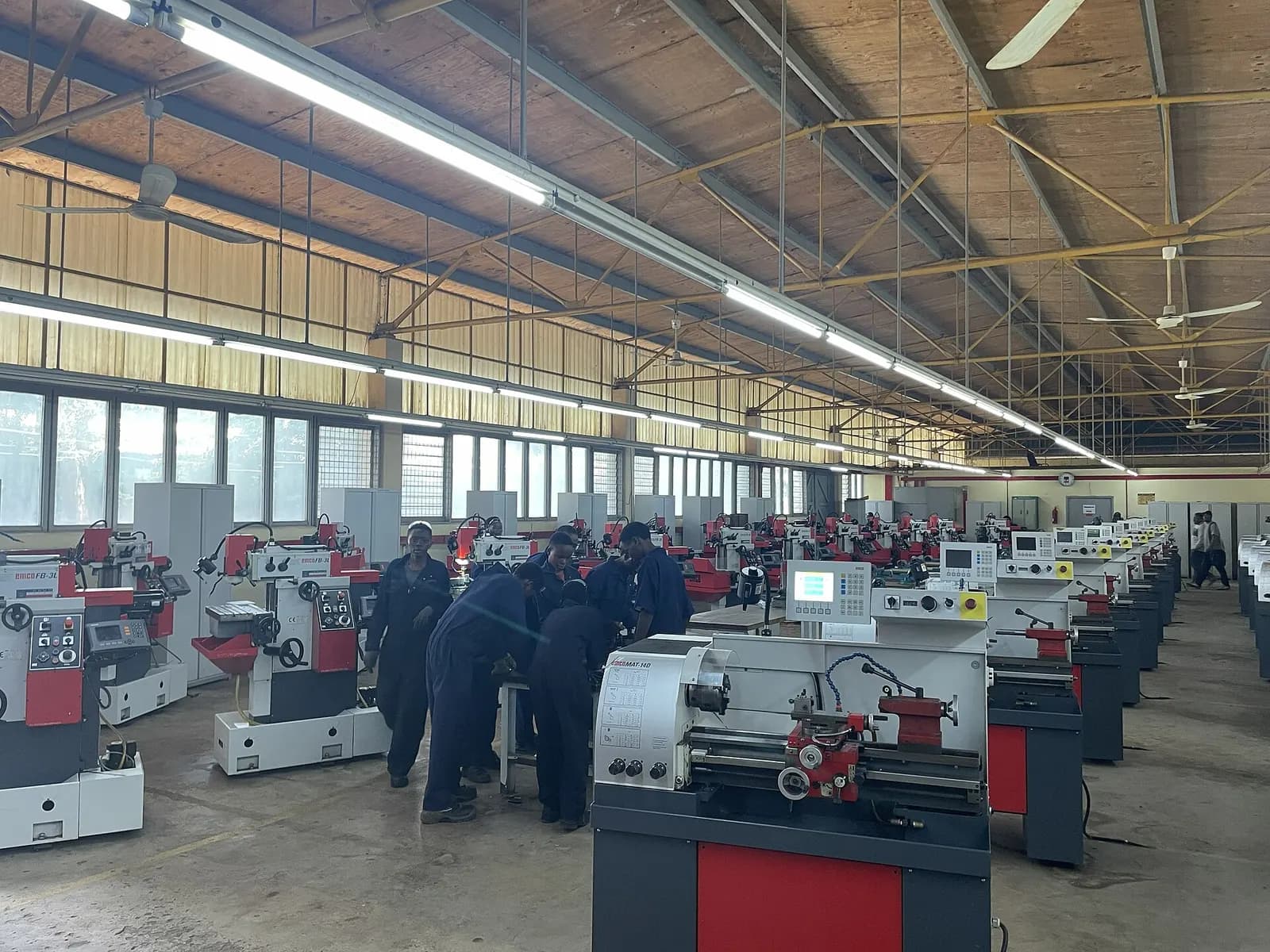
The case for better safety training in the UK is clear in the numbers. HSE's fatal injury statistics record 126 workers killed in 2025/26 (provisional), 18 of them in manufacturing. Falls from height (31), being struck by a moving vehicle (24) and contact with moving machinery (10) are among the main kinds of fatal accident. Many of those are situations people rarely encounter until the day it matters.
Where VR safety training works best
| Use case | Why VR helps | Example |
|---|---|---|
| Rare, high-consequence events | Cannot be practised for real | Fire, chemical release, emergency shutdown |
| Hazard spotting | Trainee explores freely and is scored | Factory walk with planted hazards |
| Equipment procedures | Steps practised before touching the real machine | Lock-out, changeover, cleaning |
| Induction at scale | Consistent message for every new starter | Site familiarisation for agency staff |
| Remote sites | Training without travel or plant downtime | Pumping stations, storage sites |
VR works less well for fine motor skills that depend on real feel, such as wiring terminations or setting a gauge, and for long theory sessions, which are better delivered as short videos or classroom sessions.
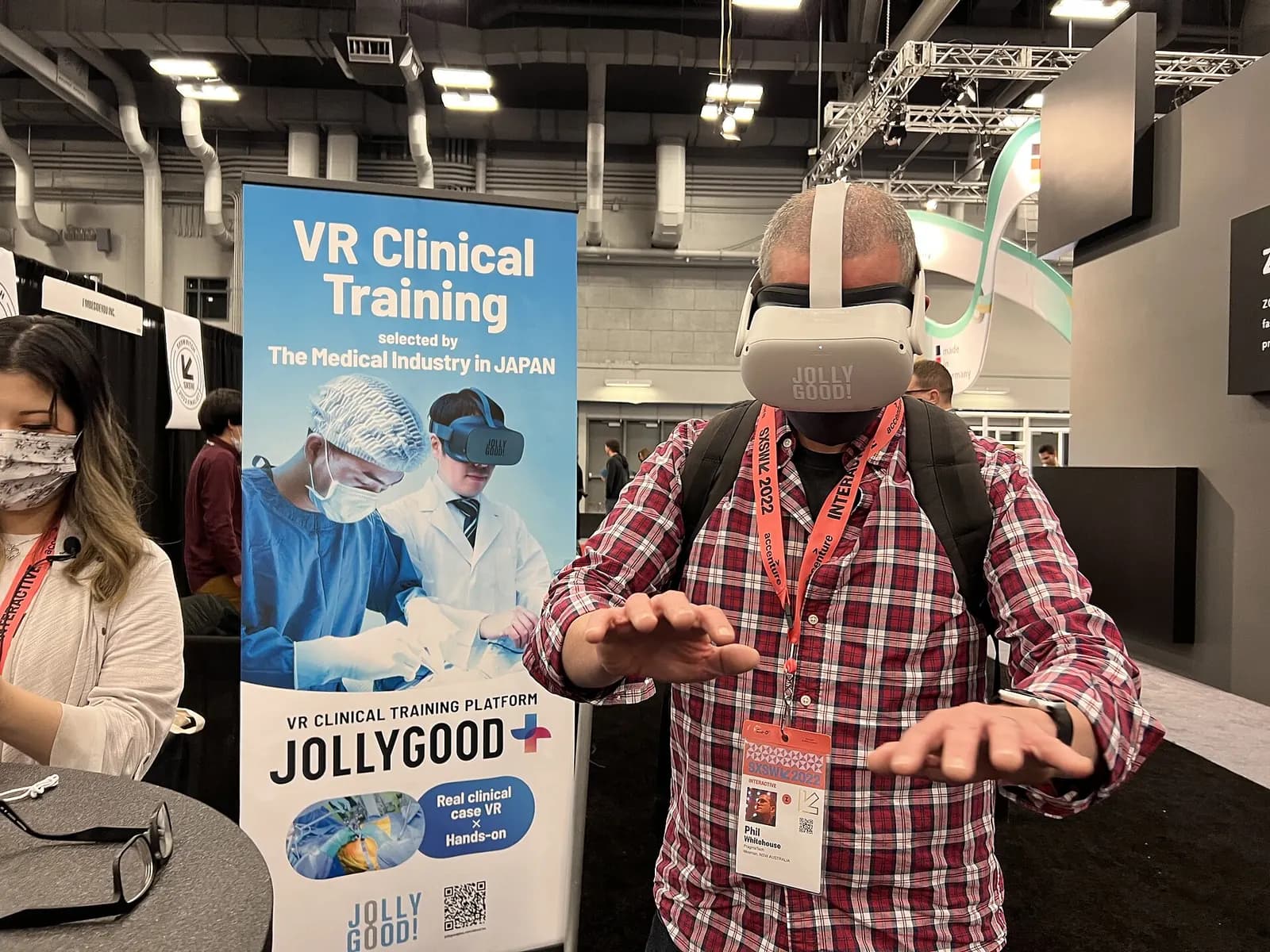
Off-the-shelf or custom modules?
Generic modules for hazards such as working at height or forklift awareness are quick to deploy and cheaper. Custom modules model your own equipment and procedures, which matters for machine-specific tasks. Through iUNI, our immersive brand, we offer both: ready-to-deploy VR safety training modules and custom simulations built for a client's exact equipment and procedures, plus an AR maintenance assistant that shows repair steps through a phone camera.
Build from your digital twin
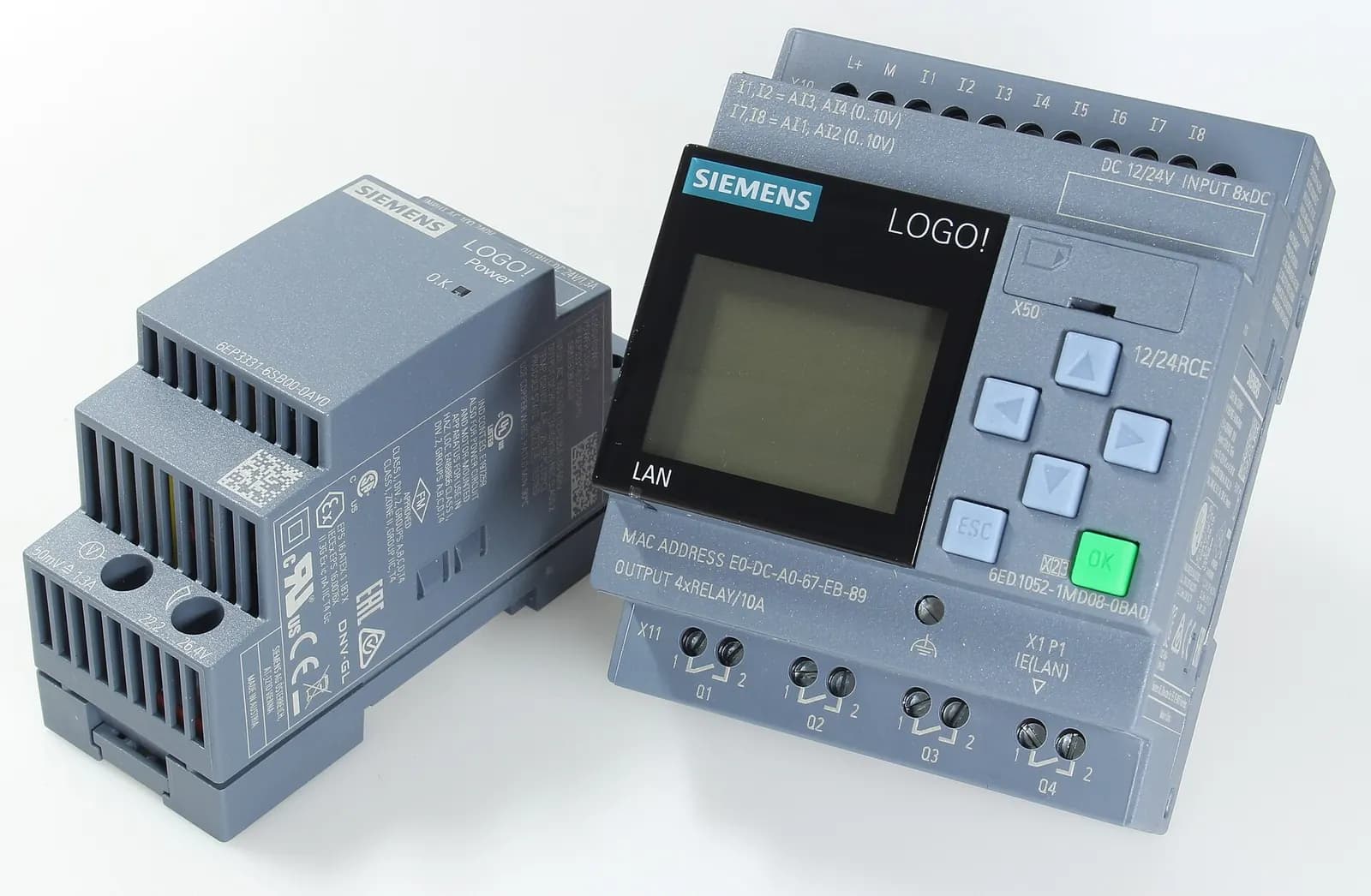
If you already have CAD or a digital twin of a line, it can become the training environment. The same model used for virtual commissioning can be reused so trainees see their actual line, not a generic factory. Wartens' VR industry solutions cover immersive training environments for PLC, SCADA, robotics and process automation skills, as well as factory planning and layout visualisation.
Designing a module that teaches
A good module does not just show a hazard; it makes the trainee decide something. In a lock-out module, for example, the trainee should have to find the right isolator, apply their own lock, try to start the machine to prove isolation and deal with a colleague who has left a lock on. Wrong choices should have visible consequences, explained afterwards. A module that can be completed by clicking through prompts teaches very little.
- Base every step on your written procedure, and fix the procedure if VR exposes a gap.
- Include at least one realistic complication, such as a missing tag or stored energy.
- Score actions, not just completion, and show the trainee where they went wrong.
- Keep each session under fifteen minutes; repeat rather than extend.
AR for maintenance
Augmented reality suits a different job: guiding a technician through a task on the real machine. An AR maintenance assistant on a phone or tablet overlays steps on the equipment in view, which helps with infrequent tasks such as a seasonal changeover or a rarely replaced component. It complements VR rather than replacing it.
Measuring whether it works
- In the module: completion, time taken, errors made and hazards missed, recorded per trainee.
- On the floor: supervisor observation of the real task after VR training, using the same checklist.
- Over time: near-miss reports, incidents and audit findings for the trained task.
- Cost: trainer hours, machine downtime and travel avoided.
Agree the measures before the rollout and collect a baseline. Without one, any improvement is anecdotal. Involve the health and safety team and worker representatives early, too: they know which tasks cause near misses and will spot steps in a module that do not match reality.
Rolling it out
- Pilot one module with a small group, including experienced staff who can critique realism.
- Fix the module based on feedback, especially steps that differ from how the job is really done.
- Train supervisors to run sessions and debrief, not just hand out headsets.
- Schedule VR before the practical session, not instead of it.
- Keep content up to date when machines or procedures change.
Practicalities matter: headset hygiene, charging, a clear space for sessions, and someone responsible for updates. Short sessions work better than long ones, and some people need time to get used to VR.
Industrial XR: Real Use Cases Powered by VIVE
HTC VIVE
This video is hosted on YouTube. Playing it loads content from Google, which may set cookies.
Watch on YouTubeVR for technical skills, too
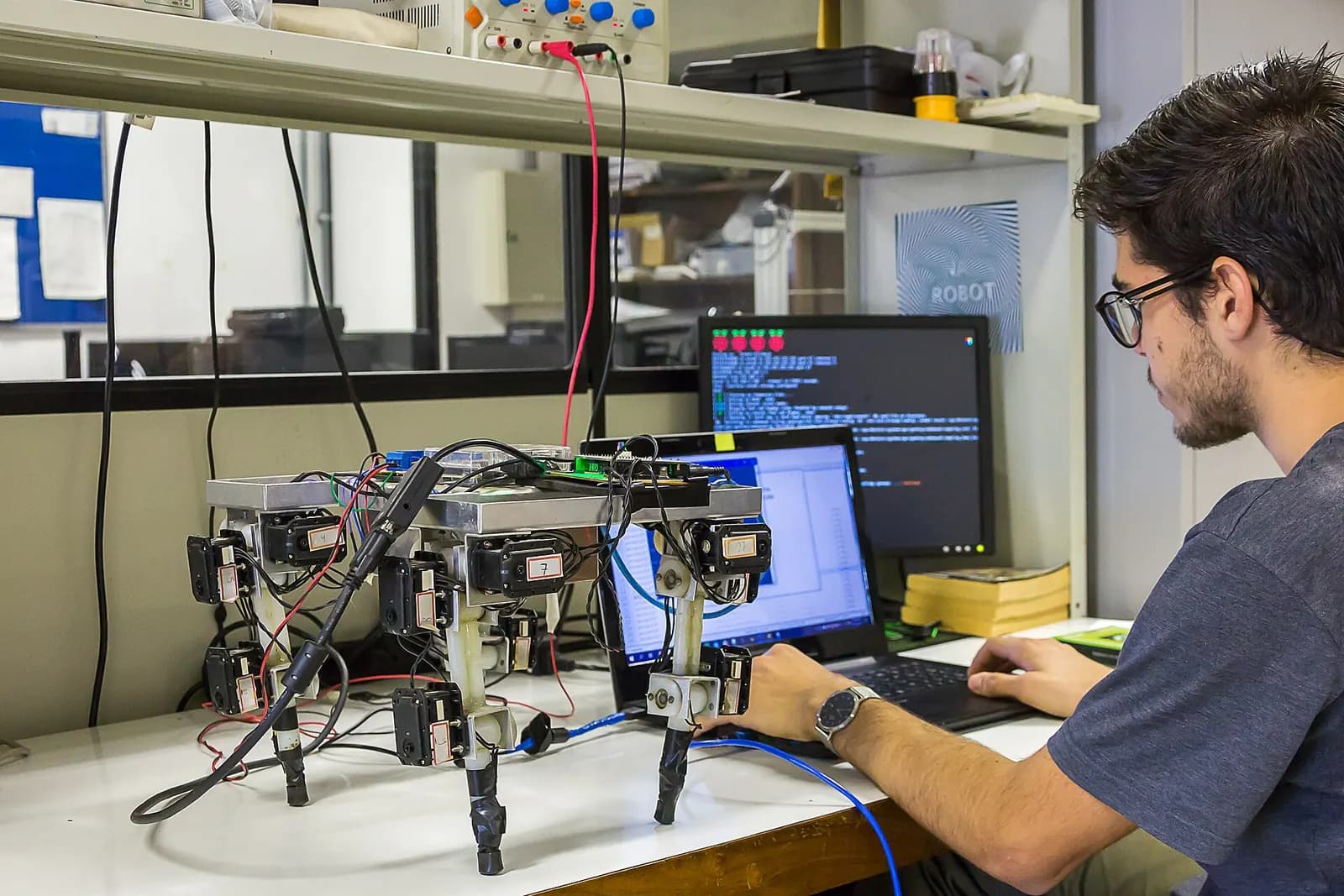
Beyond safety, VR is useful for technical training where real equipment is scarce or expensive. A VR PLC and SCADA lab lets engineers program, troubleshoot and operate controlled systems without a training rig for each person. Our guide to PLC training courses in the UK covers how that fits alongside classroom and online learning.
Next step
Tell us the task you want to train and send the written procedure and a few photos of the equipment. We will propose a module approach, off-the-shelf or custom, through our VR and AR training service, or contact us.