PLC training courses in the UK range from one-day introductions to multi-week programmes on specific platforms such as Siemens TIA Portal or Rockwell Studio 5000. For employers the challenge is not finding a course. It is choosing training that turns an electrician or mechanical technician into someone who can fault-find a PLC-controlled machine at three in the morning, and then keeping that skill alive.
The need is real. Skills England's advanced manufacturing skills assessment, published in June 2026, estimates demand for around 148,000 workers in priority occupations between 2025 and 2035: 47,000 from growth and 101,000 to replace people leaving. Engineers, skilled electrical workers, technicians and programmers make up most of those 25 priority occupations, and 71% of them already face critical or high demand across the economy.
What PLC skills employers actually need
| Role | Core PLC skills | Typical training route |
|---|---|---|
| Maintenance technician | Read logic online, use diagnostics, replace modules, restore backups | Short practical course plus on-the-job |
| Multi-skilled engineer | Modify logic, add I/O, edit HMI screens, basic networking | Platform course plus supervised projects |
| Controls engineer | Design programs, structured code, safety integration, SCADA | Advanced courses and project experience |
Most factories need more of the first two than the third. A maintenance team that can read ladder logic, use the PLC's diagnostic buffer and restore a backup will solve most breakdowns without calling anyone.

Formats compared
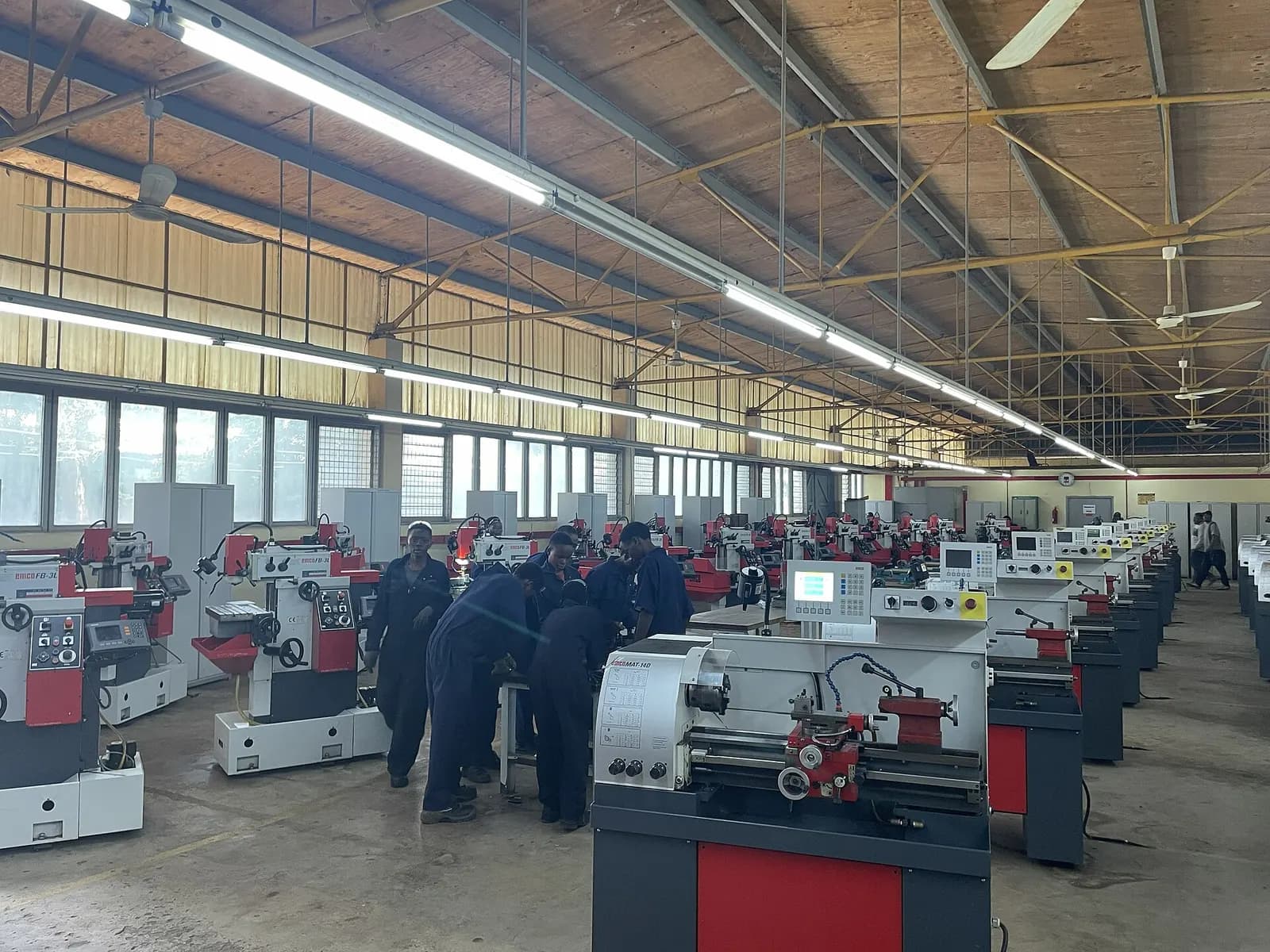
- Classroom with hardware: best for first exposure and for fault-finding practice. Limited by rig numbers and travel.
- Online, self-paced: flexible and cheap, good for theory and software skills. Needs discipline and a way to practise.
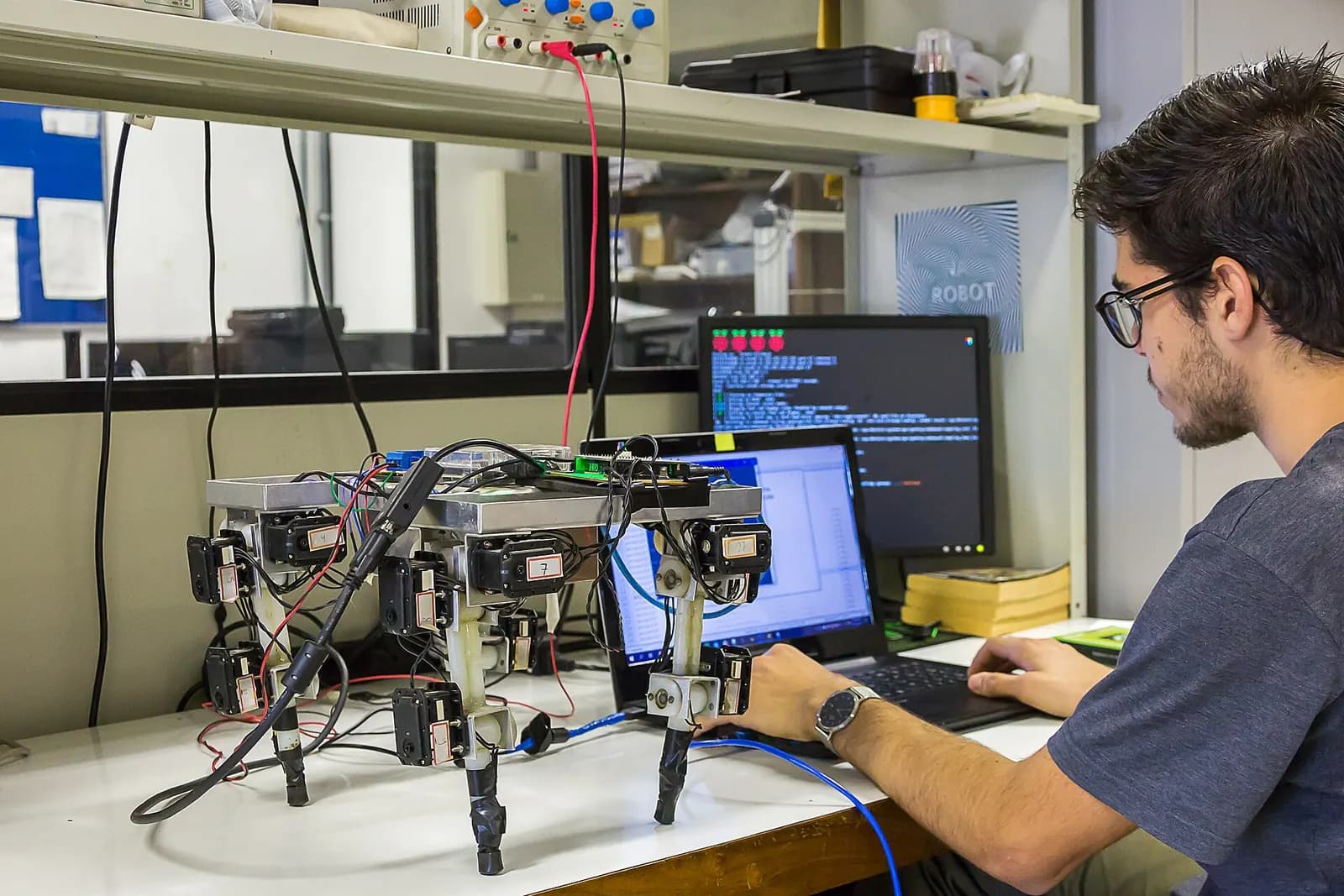
- Simulators: let every trainee write and test code without hardware, using tools such as PLCSIM or CODESYS.
- VR labs: practise operating and troubleshooting controlled systems in a virtual plant.
- On-the-job projects: the step that turns training into competence, with a mentor checking the work.
The best programmes combine them: theory online, practice on a simulator or rig, then a supervised task on the real plant.
Choose the platform you actually run
Train on the PLCs in your factory. If your machines run Siemens S7-1500 in TIA Portal, a generic course on a different brand teaches concepts but not the screens your team will use at 3am. Most UK plants run a mix, so prioritise the platform on your most critical lines. If you are migrating from S7-300 to S7-1500, schedule training before the migration, not after. Our S7-300 to S7-1500 migration guide covers the project side.
How edWartens training works
Our training brand, edWartens, offers PLC, SCADA and robotics courses for employers upskilling technicians, in classroom and online formats. The online catalogue covers PLC programming, SCADA, drives and motion, robotics and Siemens TIA Portal, with simulator practice using tools such as Siemens PLCSIM and CODESYS, so no hardware is required. Online courses end with an edWartens certificate of completion; it is not a vendor or government qualification, and we say so clearly.
A practical syllabus for maintenance technicians
If you are building an in-house programme, this sequence works for most technicians with an electrical background. Each step should end with a practical task, not a quiz.
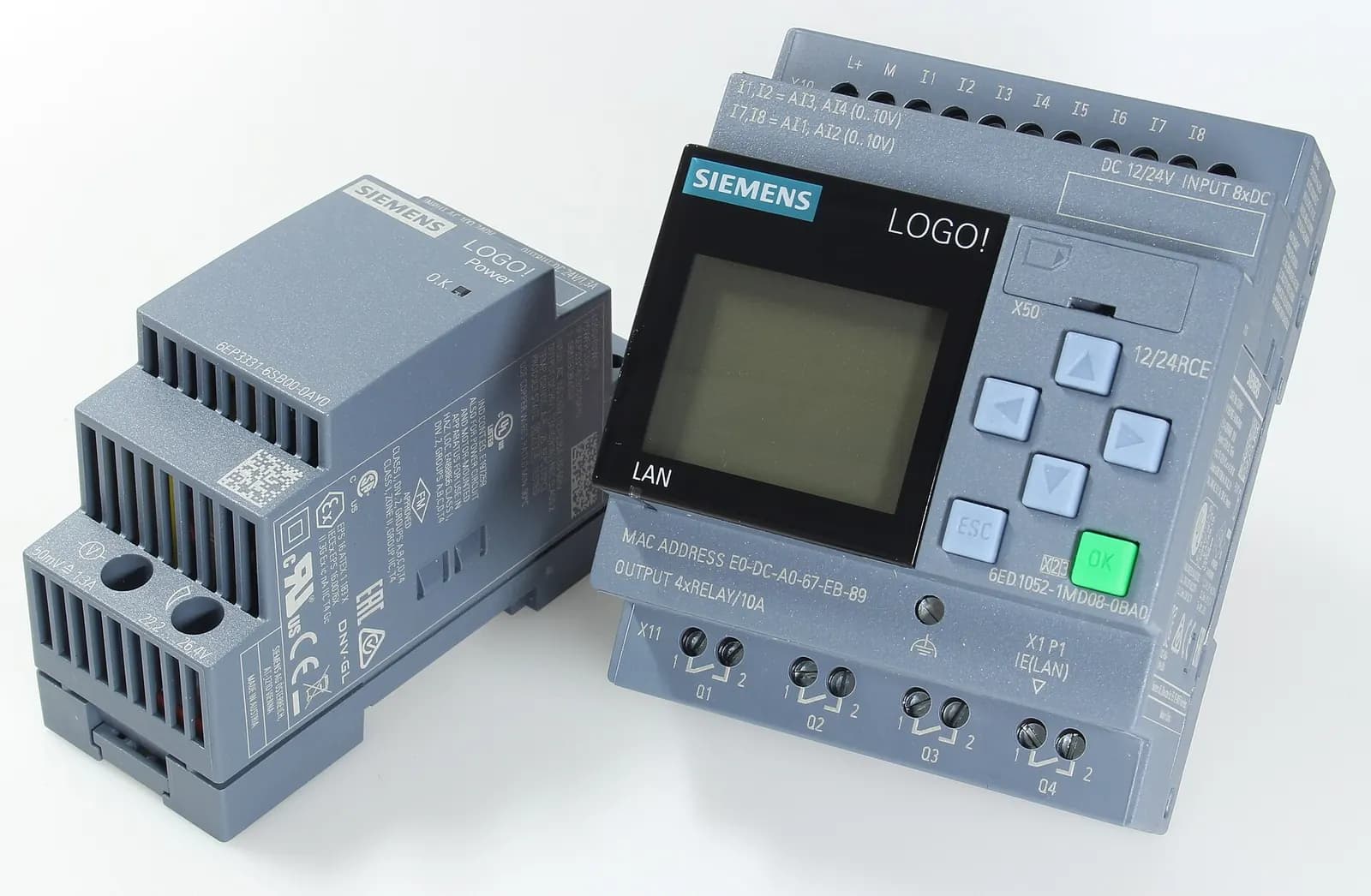
- PLC hardware: CPU, I/O modules, power supplies, and how field devices connect.
- Going online: connecting to the PLC safely, monitoring logic, reading status and diagnostics.
- Ladder logic basics: contacts, coils, timers, counters and how scan cycles work.
- Fault-finding: tracing a stopped machine from the HMI alarm to the input that caused it.
- Backups and changes: saving, comparing and restoring programs, and change control.
- HMI and networks: editing simple screens, IP addressing and checking communications.
Safety-related logic should be handled separately and only by people trained and authorised for it. Make that boundary clear in the syllabus from day one.
Once the basics are in place, add SCADA and data topics: how the PLC talks to SCADA, how alarms are generated and how to read a historian trend during fault-finding. These skills matter more every year as plants connect machines for OEE and energy monitoring, and they are where many experienced electricians feel least confident.
Apprenticeships and longer routes
For new entrants, apprenticeships remain the main route. Skills England notes that over 110 apprenticeship standards are aligned to the priority occupations, that engineering apprenticeships have grown, and that 5,160 learners completed engineering and manufacturing skills bootcamps in 2023 to 2024, up from 820 the year before. Standards such as the engineering technician apprenticeship can be combined with platform-specific PLC courses to give apprentices skills that match your plant.
What Is Ladder Logic in PLC Programming?
RealPars
This video is hosted on YouTube. Playing it loads content from Google, which may set cookies.
Watch on YouTubeMake it stick
- Give every trainee a real task within two weeks of the course: add an alarm, change a timer, document a sequence.
- Pair trainees with a mentor who checks changes before they go live.
- Keep PLC backups and documentation tidy, so people learn from good examples.
- Use VR or simulators for refresher practice between real jobs.
- Track skills by person and platform, and plan the next step for each.
For safety and immersive practice, our article on VR safety training explains how VR labs fit alongside classroom courses.
Next step
Tell us the PLC platforms in your plant and the roles you need to train. We will suggest a programme through our engineering training service, with VR options through our VR and AR training service. Or contact us.