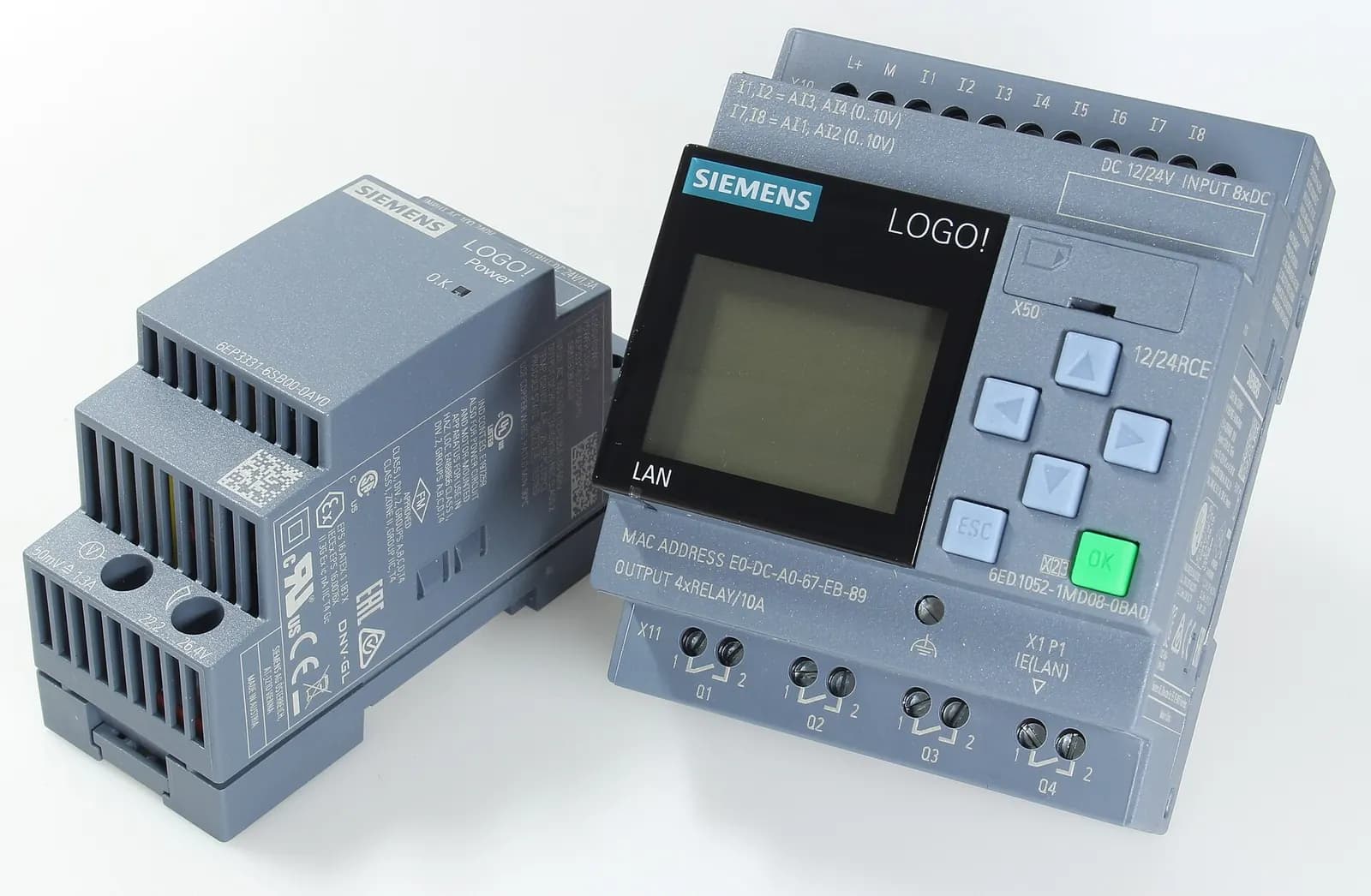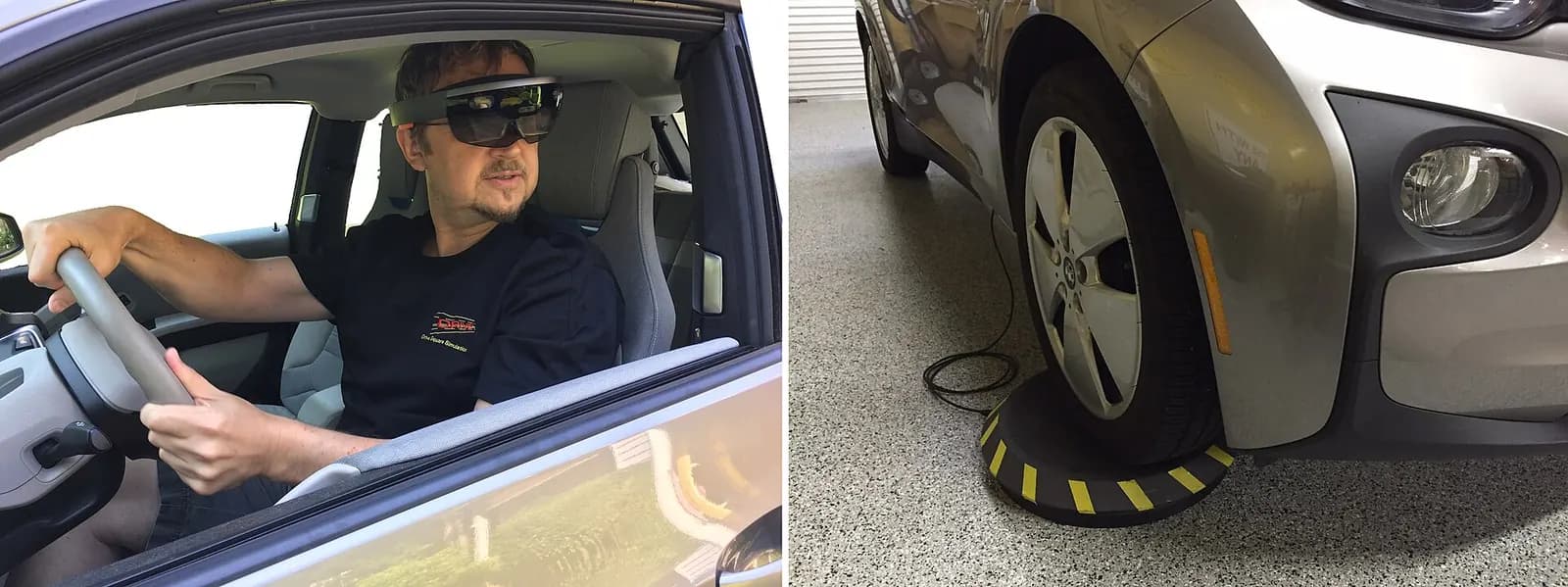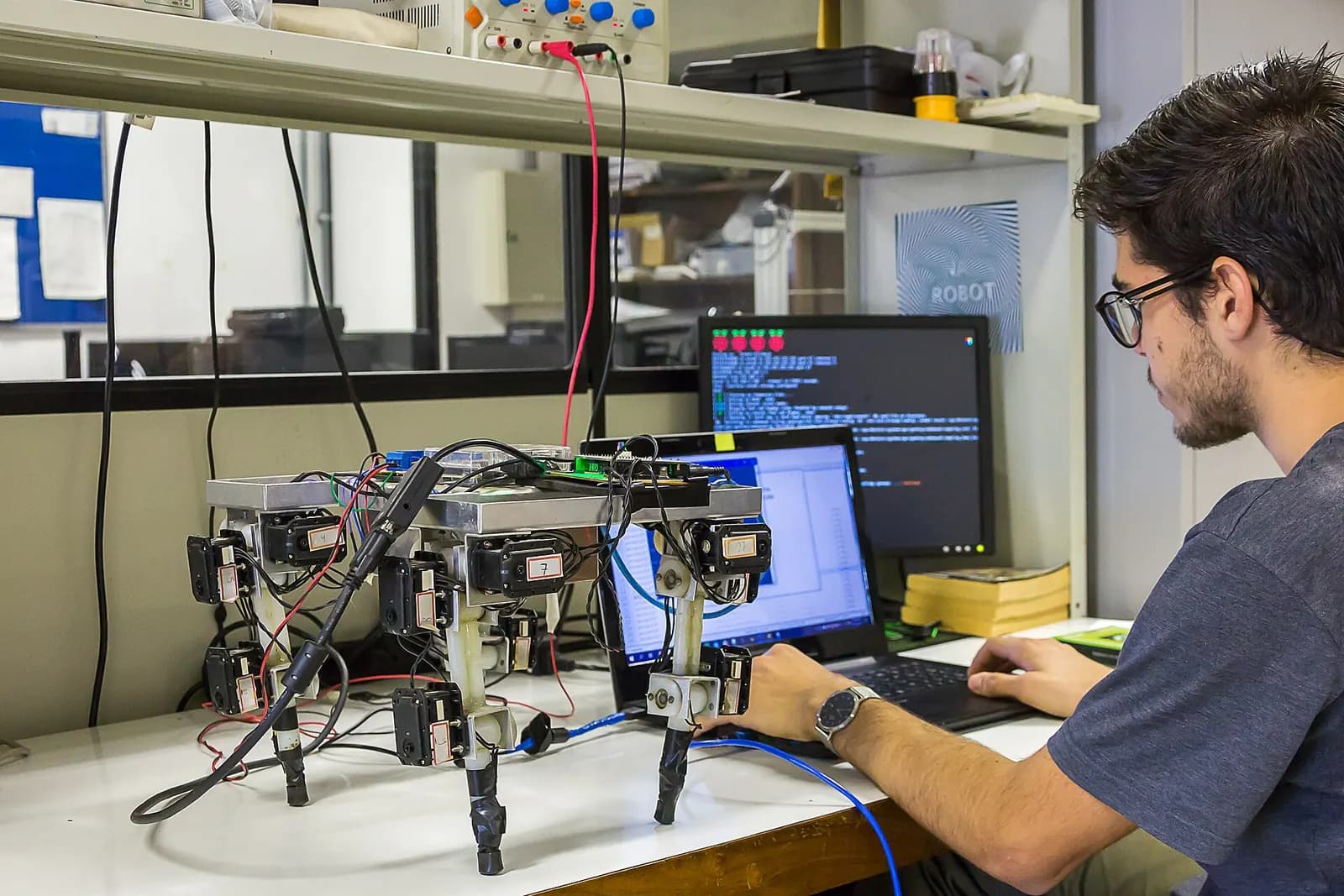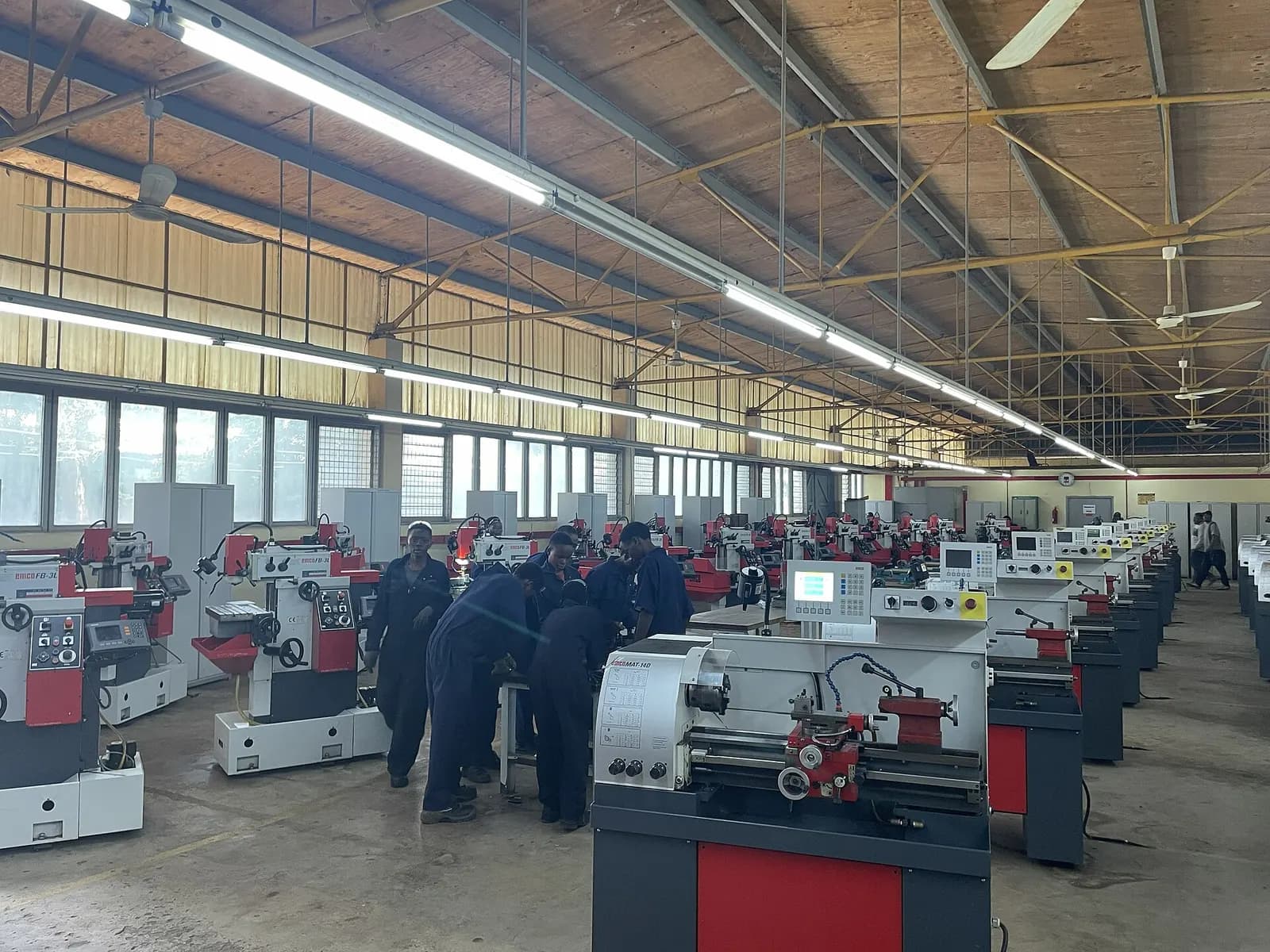
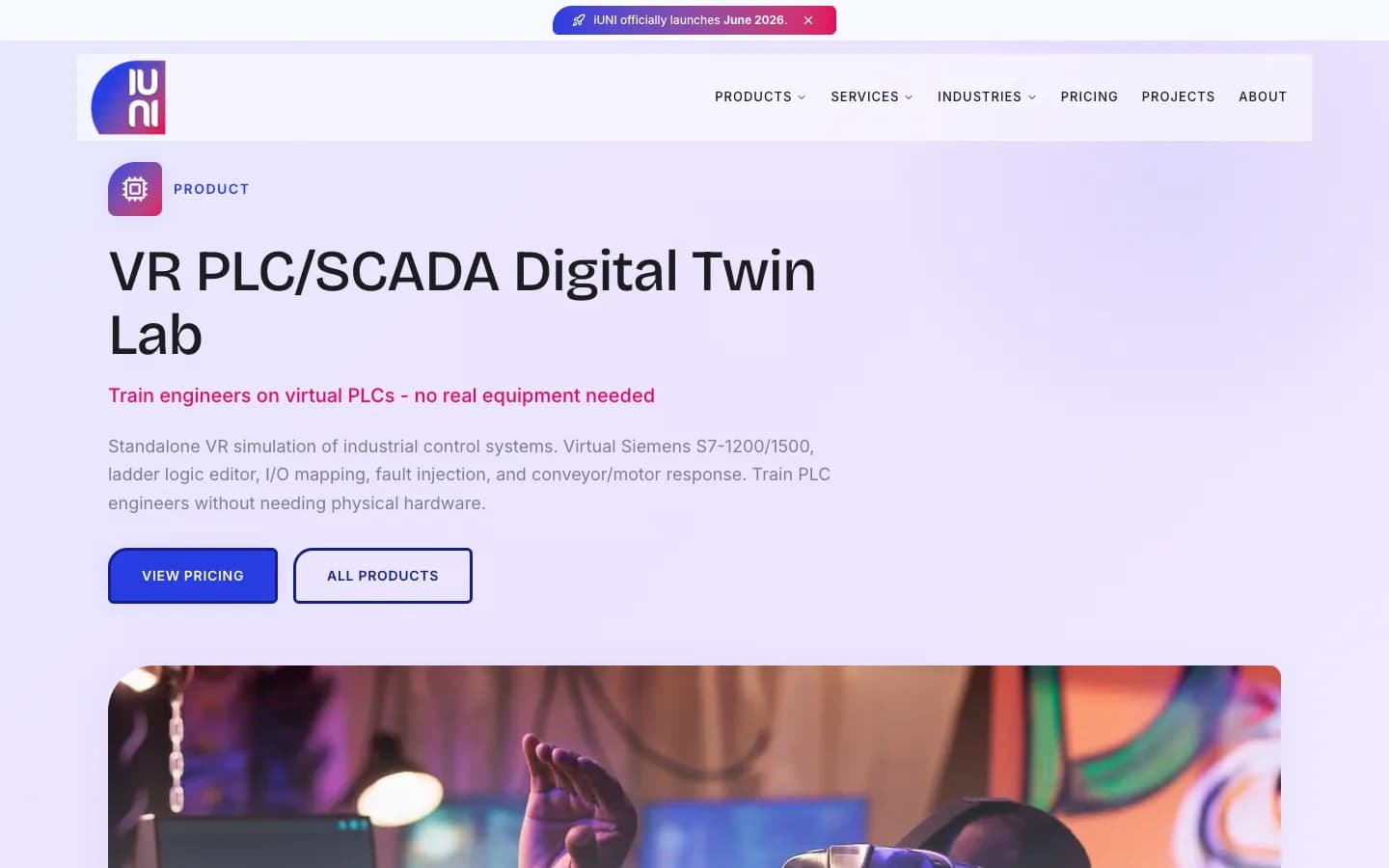
A VR PLC lab lets learners program, wire up and fault-find a virtual control system in a headset, so practice time no longer depends on how many physical rigs a college owns. iUNI's VR PLC/SCADA Digital Twin Lab simulates Siemens S7-1200 and S7-1500 controllers with a simplified TIA Portal-style interface, a ladder editor, virtual I/O and fault injection, and runs on Meta Quest 2 and 3, PC VR and WebXR. iUNI is the Wartens group's immersive training and digital twin company.
This article is for curriculum managers at further education colleges, independent training providers and employer academies. It covers what the lab does, where it fits around physical rigs, and how to run a sensible pilot.
Why UK colleges are looking at a VR PLC lab
Demand for controls skills is rising faster than training capacity. Skills England's advanced manufacturing skills needs assessment, published in June 2026, puts total demand in the sector's 25 priority occupations at around 148,000 workers between 2025 and 2035, and says 84% of the projected additional employment needs qualifications at level 4 and above.
At level 4, the automation and controls engineering technician standard (ST0662) expects apprentices to set up, program, commission, service and maintain PLCs, HMIs and SCADA. Fault-finding is the hardest of those to teach on a shared rig, because a deliberately broken rig is unavailable to everyone else. That is the gap a VR lab fills.
What the iUNI lab does
| Feature (per iuni.ai) | How a tutor uses it |
|---|---|
| 3D Siemens PLC models, TIA Portal-like interface | Hardware familiarity before learners touch the real CPU |
| Ladder editor with contacts, coils, timers, counters | Programming exercises with immediate visual results |
| Virtual I/O: switches, sensors, motors, lamps | Wiring logic to a working conveyor or motor without a rig |
| Fault injection | Set a fault per learner and assess the fault-finding method |
| Programme verification with automated feedback | Learners check their own work before asking the tutor |
| Multiplayer instructor mode | Tutor observes and guides inside the same session |
| LADX AI integration | Code assistance from the group's AI product for controls teams |
What a VR PLC lab cannot replace
Be honest with learners and with your awarding organisation about this. VR does not teach safe isolation, using a multimeter on a live panel, terminating cables or the feel of a real TIA Portal project with hardware configuration and online diagnostics. ST0662 itself lists physical tools and instruments as fundamental to the role. Use VR for repetition and fault-finding practice, and keep rigs for wiring, measurement and the real vendor software.
Headset sessions also need managing. Short sessions with breaks suit most learners, and some will not tolerate VR at all, so every VR exercise needs a desktop or rig alternative. The free browser-based ladder logic simulator is a useful desktop companion for logic practice.
Measuring whether the pilot worked
Decide the measures before the first headset is unboxed, or the review becomes a debate about impressions. Four are practical for a college: the time a learner takes to diagnose a set fault on the physical rig, before and after the VR term; the number of supervised rig hours each learner gets; tutor time spent resetting rigs after fault exercises; and learner feedback on confidence. If diagnosis times on the rig do not improve, the VR exercises need redesigning, not just more headset time.
A timetable that uses VR, rigs and desktops together
- Theory and demonstration on the classroom screen, with the tutor driving the VR scene so everyone sees the same thing.
- Rotation in three stations. One group on headsets for programming and fault-finding, one on physical rigs for wiring and measurement, one on desktops for documentation and simulator exercises.
- Assessment by fault card. The tutor injects a fault in VR, the learner diagnoses it and writes up the method, then repeats the diagnosis on the rig where possible.
- Reflection. Learners compare what they found in VR with what the real rig showed. The differences are the lesson.
Platforms, IT and costs
Standalone Quest headsets avoid the need for gaming PCs, while PC VR gives higher visual fidelity on existing high-specification machines. WebXR, the W3C Device API for immersive web content, lets the lab run in a browser, which can make college IT approval easier. Plan for device management, charging, storage and face-cushion hygiene from the first week.
iUNI publishes prices on its pricing page. At the time of writing the PLC simulator SaaS is listed from £199 per month, with custom digital twin work quoted separately. Headsets are a separate purchase.
Experience the Future: Wartens First VR-Based PLC & SCADA Training!
EDWartens India
This video is hosted on YouTube. Playing it loads content from Google, which may set cookies.
Watch on YouTubeWhere Wartens fits
Through iUNI we supply the VR PLC and SCADA lab, and through edWartens we run classroom and online PLC, SCADA and robotics courses for UK employers and learners. See our VR and AR training service and our PLC and SCADA training courses. For VR beyond controls, our guide to VR safety training in manufacturing covers hazard and procedure training.
Next step
Tell us the cohort size, the unit you want to pilot and the equipment you already have through our contact page. We will suggest a pilot plan and send a written scope and price.