Virtual commissioning means testing a machine's or line's control software against a simulated model of the equipment before the real thing is installed. The PLC program, robot paths and HMI run exactly as they will on site, but the conveyors, cylinders, sensors and products are virtual. Faults that would normally appear during commissioning, with the production manager watching the clock, appear at a desk instead.
As ISA's InTech puts it, virtual commissioning lets developers debug automation control logic in a simulated environment before the code is loaded onto physical equipment. For UK manufacturers with tight shutdown windows, that is often the difference between a weekend changeover and a week of lost output.
What the published evidence says
| Result reported | Context | Source |
|---|---|---|
| Design phase cut 10%, commissioning time cut 25% | Machine builder Tronrud Engineering | ISA InTech |
| Software quality up from 37% to 84%, real commissioning time down 75% | Field study on a small PLC-controlled system | Visual Components |
| Real commissioning up to 70% faster | Machine tools | Siemens |
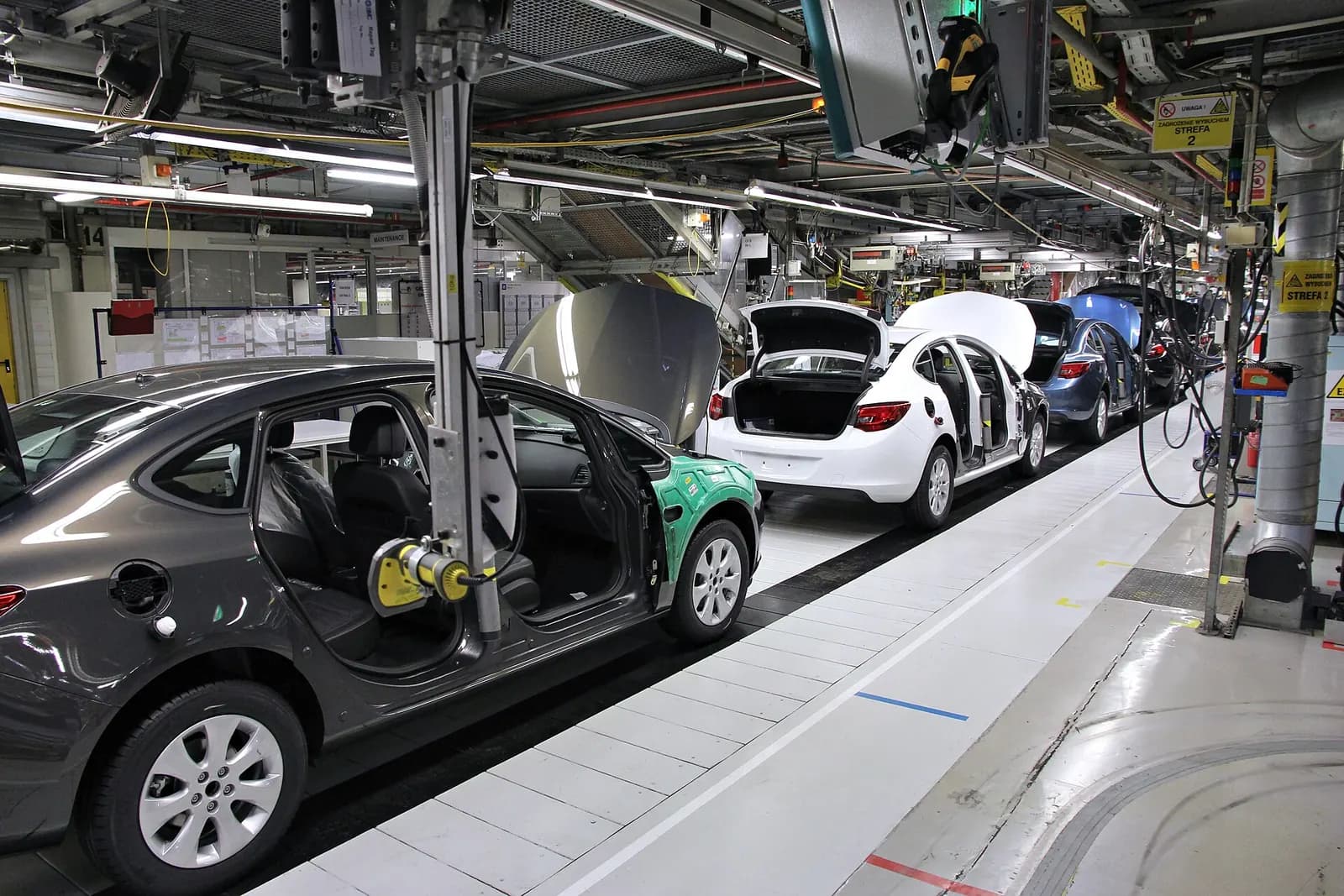
| On-site commissioning cut 70% | Brownfield engine assembly line | Siemens blog, Wipro PARI |
The Visual Components study is worth reading in full: it measured a small system with 17 sensors and 10 actuators, which is close to the scale of many SME machines. Siemens reports real commissioning shortened by up to 70% for machine tools. Results vary with the project, but the direction is consistent.
How virtual commissioning works
- Build the model. A 3D or logical model of the machine from CAD and the I/O list, with the behaviour of each actuator and sensor.
- Connect the controller. The real PLC program runs on a software emulator, such as Siemens PLCSIM Advanced, or on a real PLC connected to the model.
- Map the I/O. Every PLC input and output is linked to the model, so the code cannot tell the difference.
- Run the tests. Sequences, interlocks, fault handling, recipes and HMI are tested against a written test plan.
- Fix and repeat. Faults are corrected in the office and the test is rerun until it passes.
What to test virtually
- Normal sequences for every product and recipe.
- Start-up and shutdown, including from part-finished states after a stop.
- Interlocks between machines and with robots.
- Fault handling: sensors that fail on or off, jams, timeouts, empty infeed, full outfeed.
- HMI screens, alarms and operator actions.
- Data sent to SCADA, MES or OEE systems.
Safety functions need care. The model can test that safety-related signals are handled correctly in the standard program, but validation of the safety functions themselves must follow the safety standards and be done on the real machine.
Fidelity: build only what you need
A common mistake is building a beautiful physics model when a simple logical model would catch the same faults. For most PLC testing, actuators that move between positions in realistic times and sensors that switch accordingly are enough. Add physics where the control depends on it, such as product spacing on a conveyor or robot reach. Keep the model as simple as the test needs.
Who builds the model?
On many projects the hardest question is organisational, not technical. The mechanical designer owns the CAD, the controls engineer owns the PLC program and the machine builder owns the schedule. Virtual commissioning needs all three to share information early: a frozen I/O list, actuator timings and a layout that will not move every week. Agree in the contract who builds and maintains the model, and when the virtual test takes place. A model delivered after the machine ships is worth very little.
For end users buying machines, ask suppliers whether they commission virtually, and ask to watch the virtual factory acceptance test remotely. Seeing the sequence run, faults handled and HMI behaviour before delivery is a far better acceptance test than a short run on the supplier's floor with your product missing.
Typical tools
Siemens users often combine TIA Portal and PLCSIM Advanced with a simulation tool for the mechanics. Other options include dedicated virtual commissioning software and robot simulation packages from the major robot makers. The right choice depends on your PLC platform and how much 3D behaviour the tests need, not on the brand of the simulation tool.
From commissioning model to digital twin
A virtual commissioning model is the start of a digital twin. Once it matches the real machine, it can be used for operator training, testing changes and, with live data connected, monitoring. That is the approach behind our iUNI twins, which are built from CAD at 1:1 scale and integrate with SCADA, PLC and ERP systems according to the iUNI digital twin page. Siemens' own investment in the area, including its Digital Twin Composer launched in January 2026, shows where the large vendors expect manufacturing to go.
Digital Twin Composer in Action: How PepsiCo Is Redesigning Manufacturing Digitally First
Siemens
This video is hosted on YouTube. Playing it loads content from Google, which may set cookies.
Watch on YouTubeWhere it fits for UK projects
Virtual commissioning is useful on new lines, retrofits and PLC migrations. On an S7-300 to S7-1500 migration, it proves the converted code before the shutdown. On a robot palletising cell, it confirms reach and cycle time before the layout is fixed. In water, the same method tests treatment works logic against a process model, as described in our digital twin for water treatment article.
Next step
Send us the I/O list, CAD and PLC program for one machine. We will propose a virtual commissioning scope and test plan through our digital twins and virtual commissioning service, or contact us. The UK market briefing explains how we deliver from Milton Keynes.