A virtual commissioning rehearsal is a dry run of the site work itself: the real PLC program is connected to a digital twin of the line or plant, and the team walks through the cutover, start-up, failure tests and SAT script exactly as they will on site. iUNI, the Wartens group's digital twin company, lists virtual commissioning rehearsal as one of the core uses of its twins.
The aim is simple. When the shutdown starts, nobody should be doing anything for the first time. Our earlier article on virtual commissioning in the UK covers testing logic against a model. This one is about rehearsing the sequence and the people.
Testing the logic versus rehearsing the job
| Logic test on a model | Virtual commissioning rehearsal | |
|---|---|---|
| Question answered | Does the code do what the FDS says? | Can the team deliver the outage plan on time? |
| Who takes part | Controls engineers | Controls, client operators, site lead, partner electricians |
| What is timed | Sequence and interlock behaviour | Every step of the cutover and SAT script |
| Output | Defect list, FAT evidence | Revised outage plan, trained operators, signed rehearsal record |
Both use the same model. The difference is intent: a rehearsal treats the twin as a stand-in for site and runs the real plan against it, clock running.
What the published evidence says
Gains depend on the job, and most published figures come from vendors, so read them as indications. In a field study on a small PLC-controlled system with 17 sensors and 10 actuators, Visual Components reports that virtual commissioning raised software quality from 37% to 84% and cut real commissioning time by 75%. Siemens says its virtual commissioning service for machine tools can shorten real commissioning by up to 70%, and its Tecnomatix blog reports that Wipro PARI cut commissioning time by 70%.
Before the twin: bench-test the logic
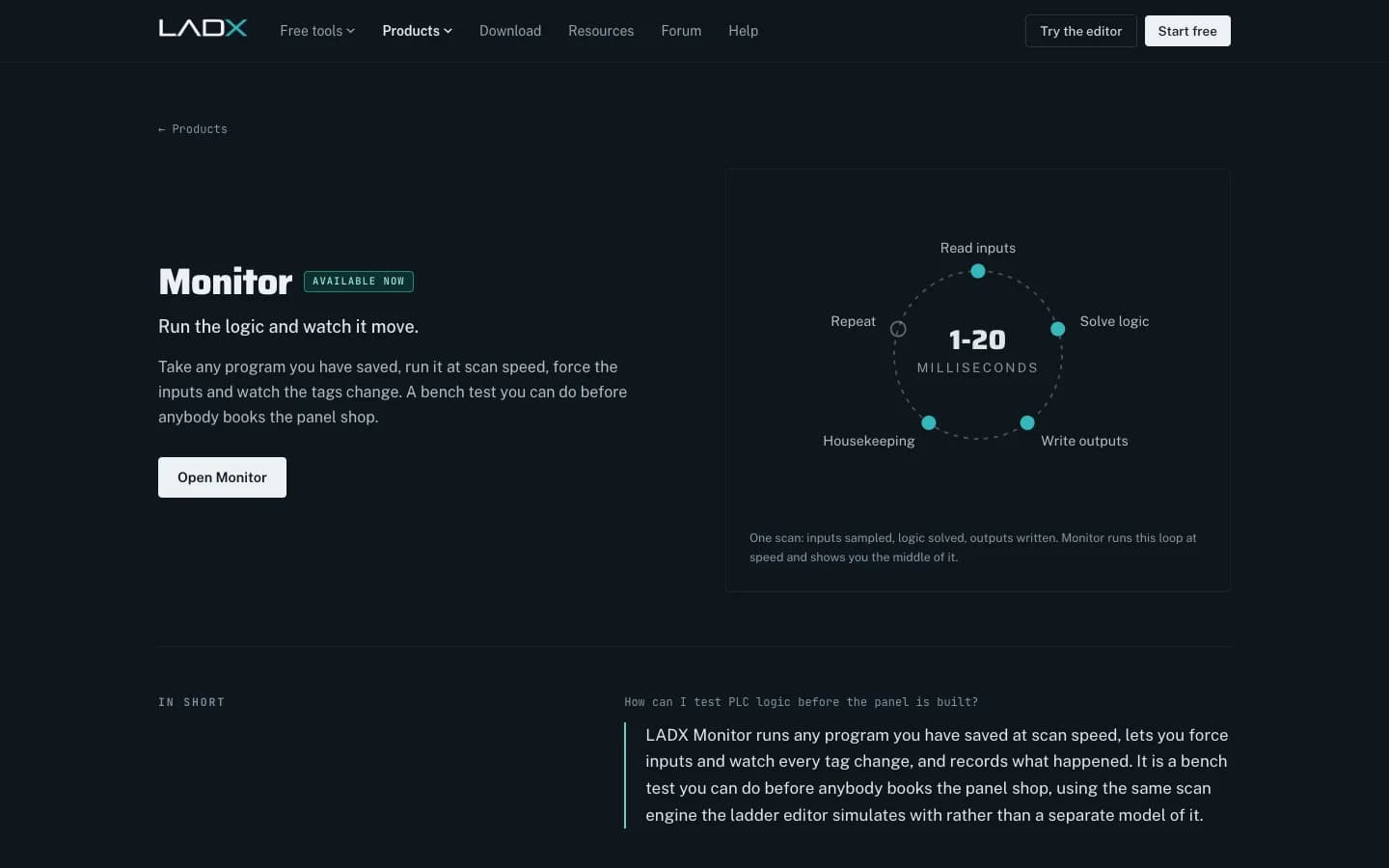
A rehearsal is wasted if it spends the first day finding logic bugs. Run the program on its own first. Tools such as LADX Monitor, from the Wartens group's LADX product, run a saved program at scan speed, let you force inputs and record every tag change with a timestamp, and save the run against the project so it can be attached to the FAT record. LADX is clear that a passing run proves the logic does what the logic says; it cannot know an encoder is wired backwards.
Virtual commissioning rehearsal, step by step
- Write the site plan as a script. Every step of the cutover, start-up and SAT, with an owner and an expected duration. If it is not written, it cannot be rehearsed.
- Connect the real program to the twin. Use an emulated controller such as PLCSIM Advanced or Logix Echo, or a real CPU on the bench, exchanging I/O with the model. The program must be the version you intend to load on site.
- Run the script with the site team. Include the client's operators and the electricians or local partner who will be there. They find the steps that read well on paper and fail in practice.
- Inject the failures you fear. A level sensor stuck high, a pump tripping on start, a valve that does not prove open, loss of communications to SCADA. Check the plant fails safe and the operator sees the right alarm.
- Time everything and revise the plan. Steps that overrun in rehearsal will overrun on site. Move them, split them or prepare them in advance.
- Record the result. A signed rehearsal record with the program version, defects found and changes made becomes part of the FAT evidence.
- Re-run after every change. A late change that has not been rehearsed is the one that causes the overrun.
A brownfield example
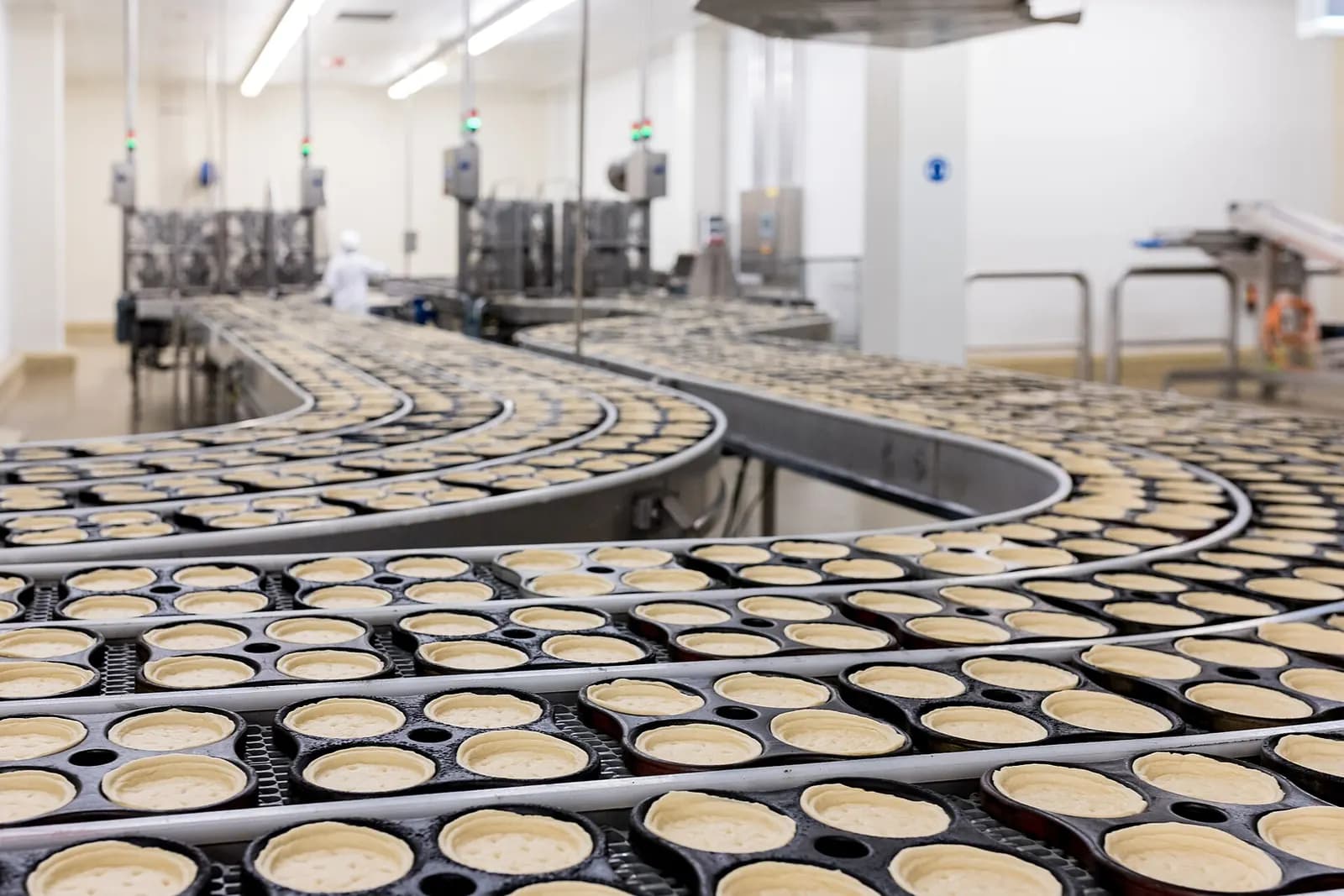
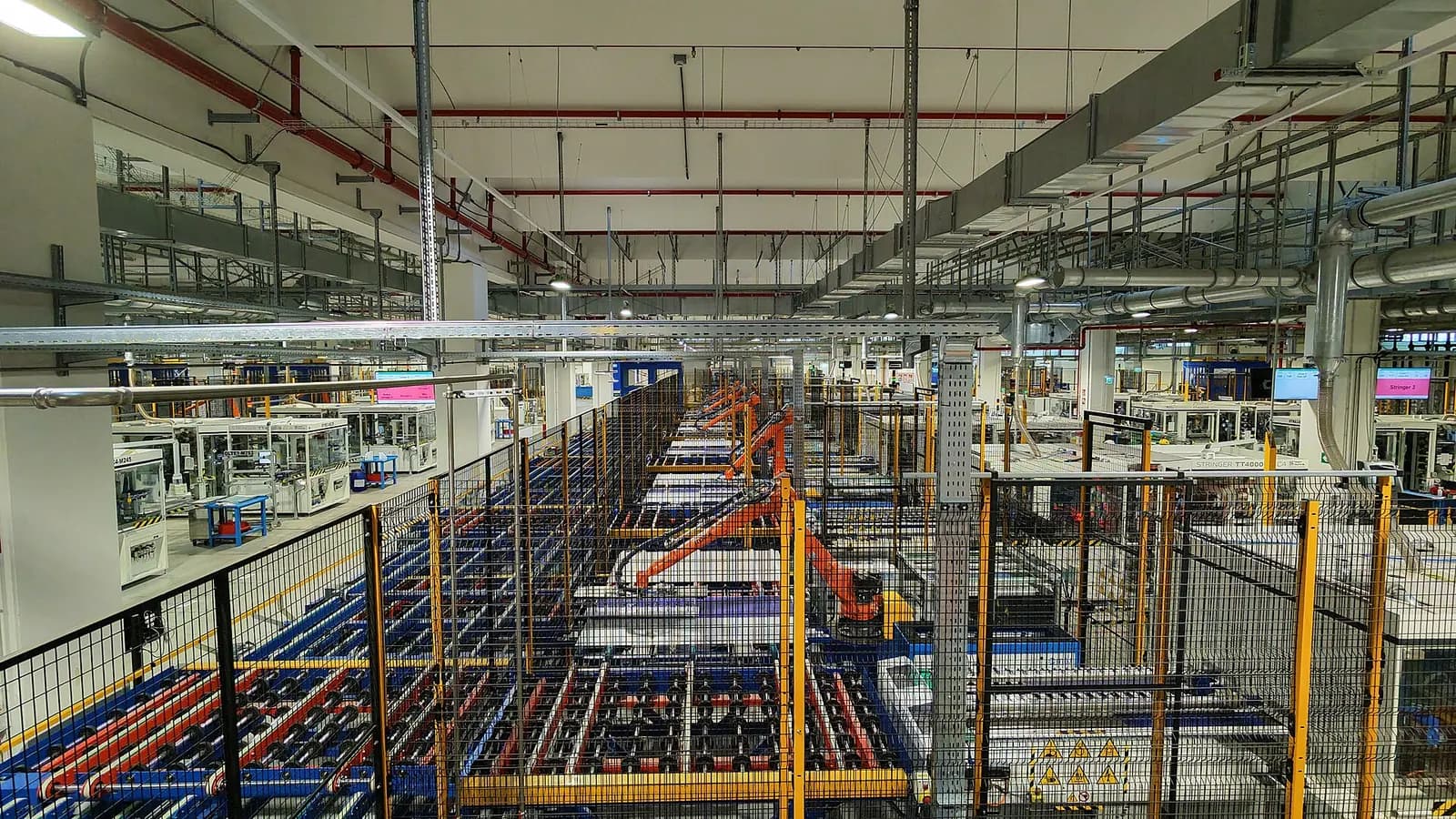
Picture a food manufacturer replacing the controls on one packaging line during a three-day shutdown, with the neighbouring lines still running. The rehearsal shows that the new infeed conveyor logic expects a signal the existing upstream machine does not provide, and that restarting the line after a guard-door stop takes eleven steps instead of the four in the plan. Both are fixed in the office. On site, the team runs a sequence it has already run twice. That is the whole value proposition, and it applies equally to a process stream cutover at a water treatment works.
What a twin cannot rehearse
- Wiring errors, terminations and earthing faults, which only show on real hardware.
- Mechanical problems: misaligned sensors, sticking valves, belt tracking.
- Instrument calibration and real process behaviour that the model simplifies, such as sludge or product variation.
- Site conditions: access, permits, weather and the time it takes to isolate equipment safely.
Virtual Commissioning: Connecting PLCSIM Advanced and Plant Simulation
Siemens Knowledge Hub
This video is hosted on YouTube. Playing it loads content from Google, which may set cookies.
Watch on YouTubeHow Wartens runs rehearsals for UK clients
Our UK delivery model depends on this. Engineering is done in our India centre; you accept it remotely; commissioning is carried out by your team or a local partner with our engineers joining remotely. A rehearsed sequence is what makes that work, because the people on site already know every step. iUNI builds the twin from your CAD at 1:1 scale, and it can be reused later for operations and training. See our digital twins and virtual commissioning service, and if your project mixes Siemens and Rockwell controllers, read about tool-neutral virtual commissioning.
Next step
Send us the outage plan, the FDS and the layout drawings for your next shutdown through the contact page. We will tell you which parts are worth rehearsing and return a written scope and price.