UKCA marking for machinery is the conformity mark for machinery placed on the market in Great Britain under the Supply of Machinery (Safety) Regulations 2008. The rules have changed several times since 2021, and some older guidance pages still quote deadlines that no longer apply. As of 2026 the government's guidance on placing UKCA or CE marked products on the market says the UK continues to recognise CE marking alongside or in place of UKCA, with no end date given.
So can you forget about UKCA? Not quite. It is still a valid route, it matters for some product types and conformity routes, and the underlying duties, a safe machine, a technical file and a declaration of conformity, are the same whichever mark you apply.
UKCA or CE: what applies in 2026
| Situation | What GOV.UK guidance says | Practical note |
|---|---|---|
| CE marked machinery into GB | CE recognised alongside or in place of UKCA | Recognition under 2024 amendment regulations |
| UKCA on label or documents | Allowed until 31 December 2027 | Check if your product is an exception |
| Qualifying Northern Ireland goods | Can use CE, or CE and UKNI, in GB | Separate guidance applies |
| Designated standards | Use is generally voluntary | Still the usual route to show conformity |
The guidance was first published in March 2026 and last updated in August 2026. Re-check it before every new machine type, because the details do move.
Self-declaration and third-party assessment
For most machinery, the manufacturer can self-declare conformity. GOV.UK states that self-declaration is available for machinery not listed in Schedule 2, Part 4 of the 2008 Regulations. For Part 4 machinery, self-declaration is allowed only where the relevant designated standards have been applied in full and cover all the applicable essential requirements. Otherwise an approved body is needed. Check the list of designated standards for machinery to confirm which standards are designated.
What HSE says manufacturers must do
HSE's equipment and machinery guidance sets out several points that catch people out. Note that parts of that page still quote a CE deadline of 31 December 2024, so use GOV.UK for the current marking position and HSE for the duties.
- Declaration of conformity. A formal written statement by the manufacturer or authorised representative that the product meets the relevant legislation.
- Legal entity. The declaration and nameplate must name the legal entity taking full responsibility. If your company name is on it, you take on the manufacturer's duties.
- Technical file. Contains confidential information you do not have to give customers, but you must supply full instructions for safe use.
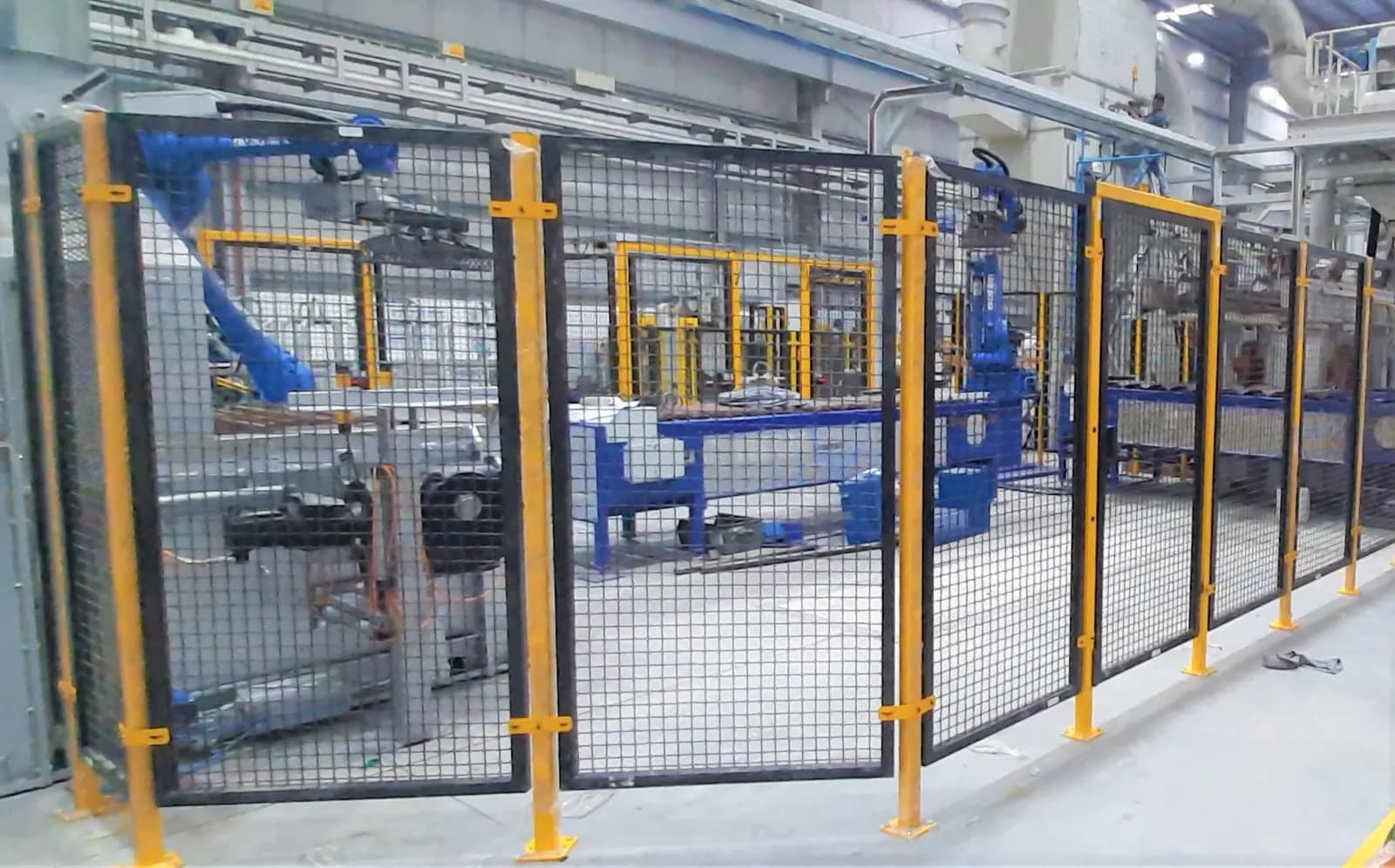
- Assembly lines. An assembly of machines needs its own marking and declaration, not just the marks on each machine.
- Own-use machinery. Machinery you build for your own use still needs the marking where it falls in scope.
- Modifications. A modification so extensive that the item is basically a new machine needs full conformity assessment.
The SME trap: building your own line
Many SMEs automate by combining machines from several suppliers with a new conveyor and a robot, then link them with their own PLC. The result is often a new assembly in law, and the company that integrated it may be the manufacturer. That brings duties for the whole assembly: risk assessment of the interfaces, safety functions that span machines, a technical file and a declaration. Decide early who is taking that role, and write it into the contracts.
Second-hand and imported machines
Buying a used machine or importing one from outside Great Britain brings its own questions. A machine already in service in the UK and sold second-hand is mainly a PUWER matter for the new user: it must be safe and suitable for use. A machine imported and placed on the GB market for the first time is a new product here, and the importer may take on duties. Check the documentation before purchase, not after delivery.
Electrical and control design
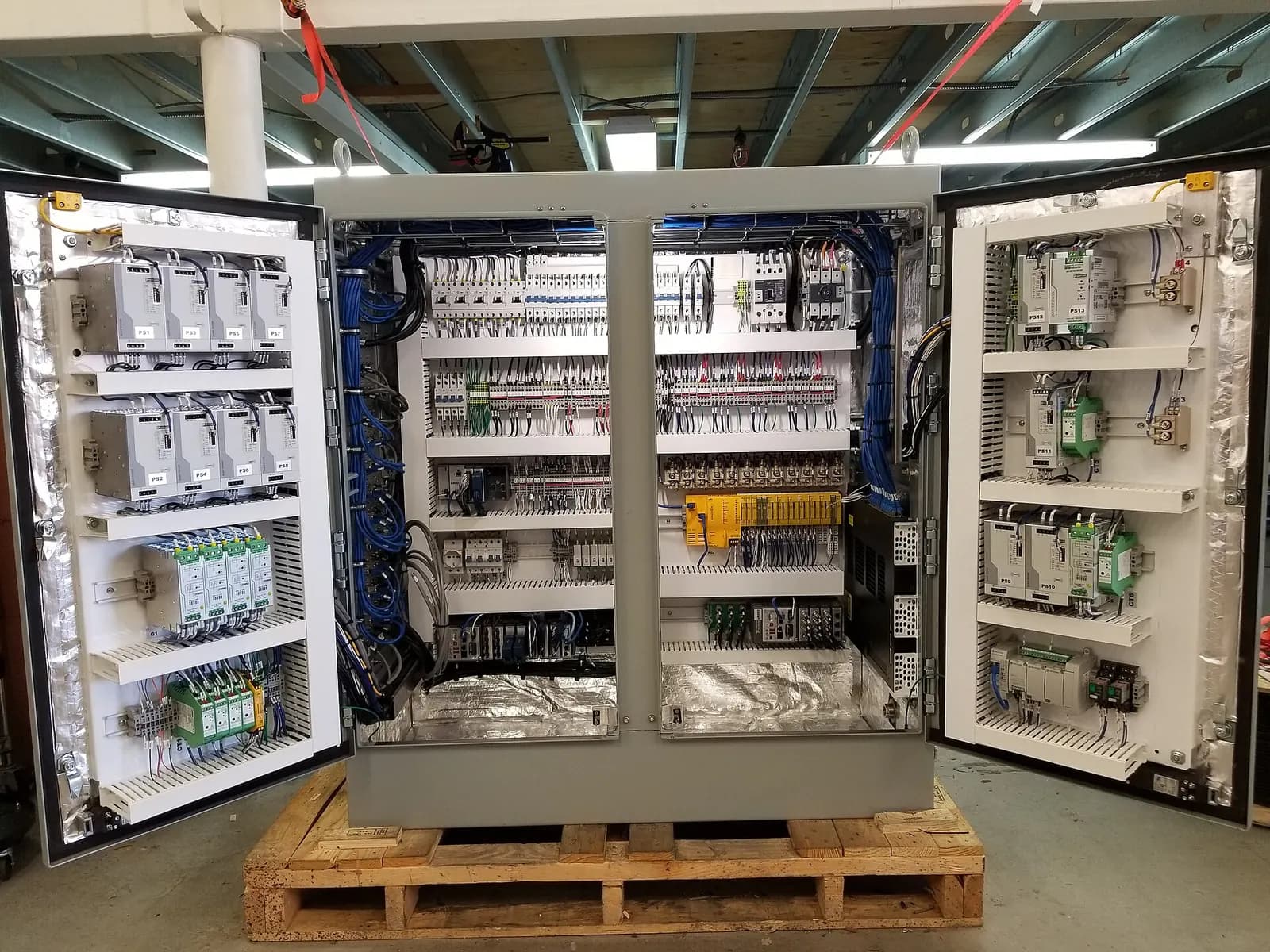
The electrical equipment of the machine is normally designed to BS EN 60204-1, and safety-related control to EN ISO 13849-1 or EN 62061. Those standards turn the essential requirements into practical rules for isolators, stop functions, safety circuits and documentation. See our BS EN 60204-1 guide for the details that most often go wrong.
What is a Safety PLC?
RealPars
This video is hosted on YouTube. Playing it loads content from Google, which may set cookies.
Watch on YouTubeExporting to the EU
If you also sell into the EU, the EU is replacing its Machinery Directive with Regulation (EU) 2023/1230, which adds requirements on areas such as safety software and protection against corruption. GB rules have not adopted it, so machine builders exporting to both markets need to track two regimes. Plan your technical file so the common core serves both.
Where Wartens helps
We do not issue declarations of conformity or act as an approved body. We design and document the control and electrical side of machines and lines to the standards your conformity route relies on, working with your safety partner. That includes control design to BS EN 60204-1, PLC and safety logic, and test records that go straight into your technical file. For line integration projects, see our guide to robot palletising cells, which covers a common SME example.
Next step
If you are integrating a line or modifying machinery, send us the layout and the list of machines involved. We will propose a control and documentation scope through our automation engineering service, or contact our Milton Keynes team. The UK market page explains how we work.