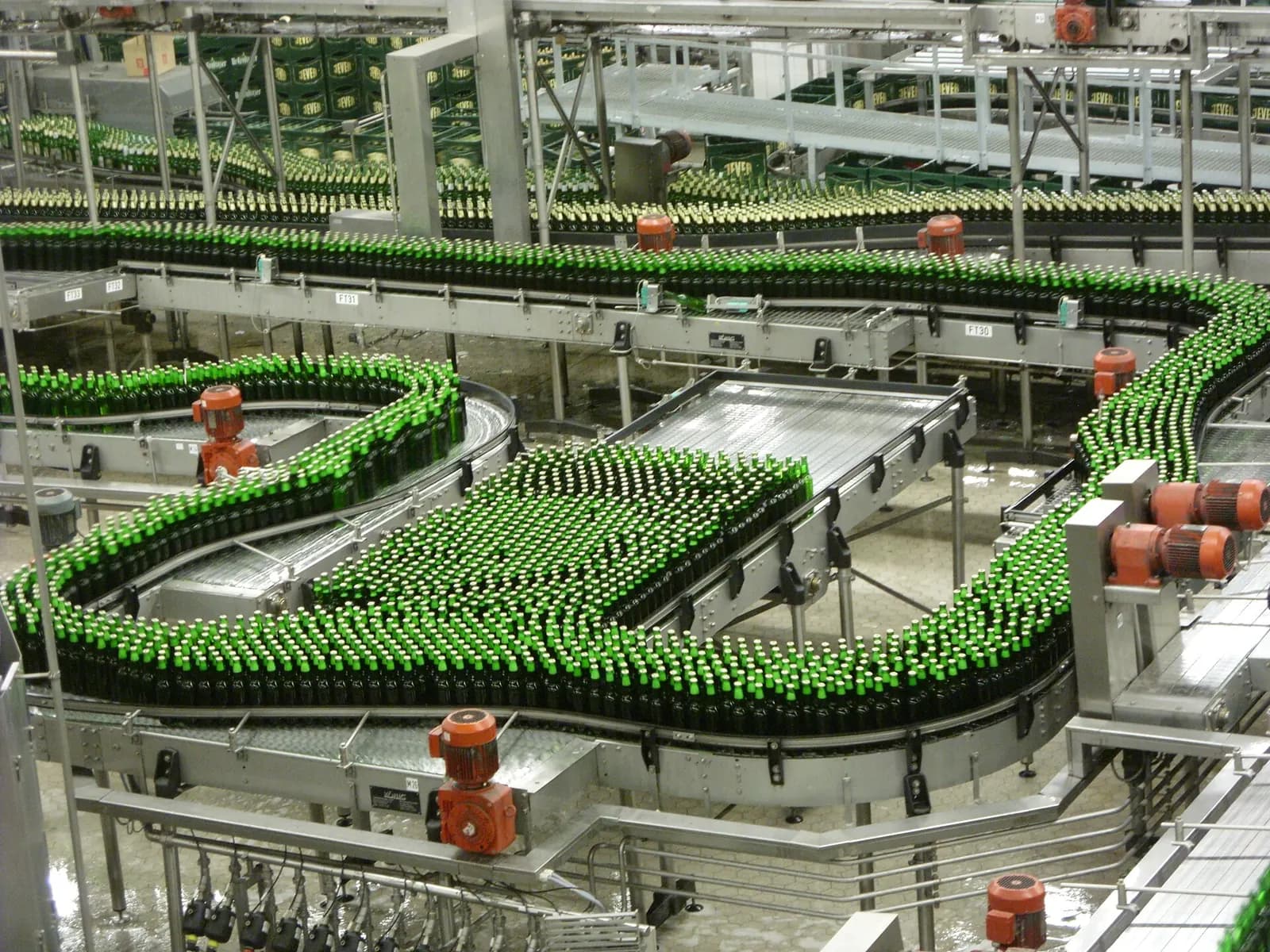
Food manufacturing automation in the UK usually starts at the end of the line, not the middle. Weighing, wrapping, case packing, labelling and palletising are repetitive, measurable and easier to automate than the variable processes upstream. They are also where many sites still rely on people doing the same lift hundreds of times a shift.
The sector is big enough to matter. The Food and Drink Federation's industry facts put the industry's turnover at £152 billion and GVA at £42 billion, with 484,750 people employed by 12,130 food and drink manufacturers, and £4.8 billion of business investment in 2025. Make UK's 2025 facts report names food and drink, with transport, as the UK's largest manufacturing subsectors.
Where food manufacturing automation pays back first
| Area | Typical automation | Why it is a good start |
|---|---|---|
| End of line | Case packing, palletising, stretch wrapping | Heavy repetitive lifting, clear output measure |
| Primary packing | Flow wrapping, tray sealing, check-weighing | Labour intensive, quality gains |
| Inspection | Metal detection reject, vision for labels and seals | Fewer recalls and complaints |
| Batching | Recipe control, weighed additions | Consistency and traceability |
| Cleaning | CIP sequence control and records | Repeatable, verifiable hygiene |
The Made Smarter Get Baked case study is typical of a good first step. A Leeds dessert maker used a £13,000 grant towards a £20,000 flow-wrapping machine, and two staff now package three times as many products in the same shift. One bottleneck, one machine, one measurable result.
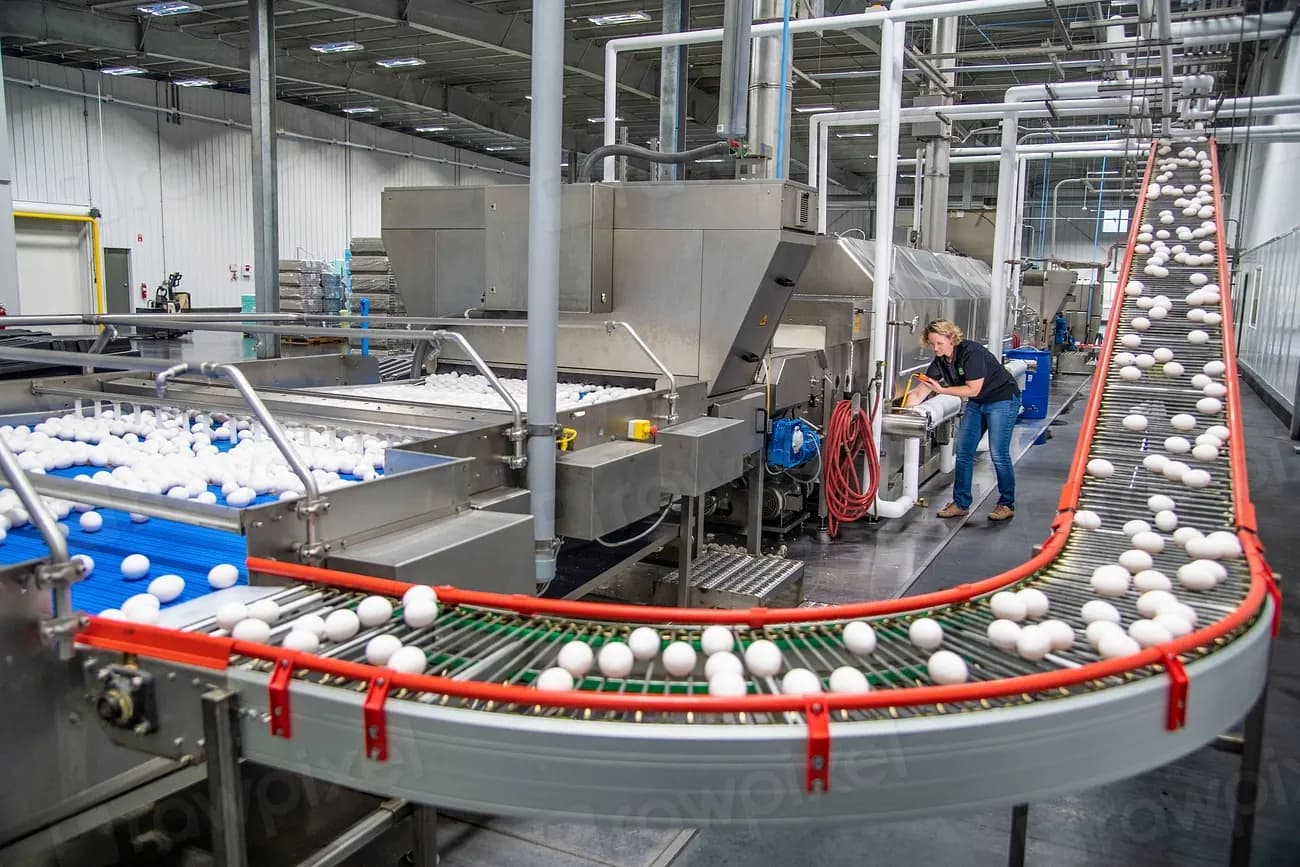
Design for hygiene from day one
Food plants are cleaned daily, often with high-pressure water and chemicals. Automation that works perfectly in a dry engineering workshop can fail within weeks on a washdown floor. Ask for hygienic design as part of the specification, not as an afterthought.
- Enclosures and components with ingress protection suitable for the cleaning regime.
- Open frames and sloping surfaces that do not trap product or water.
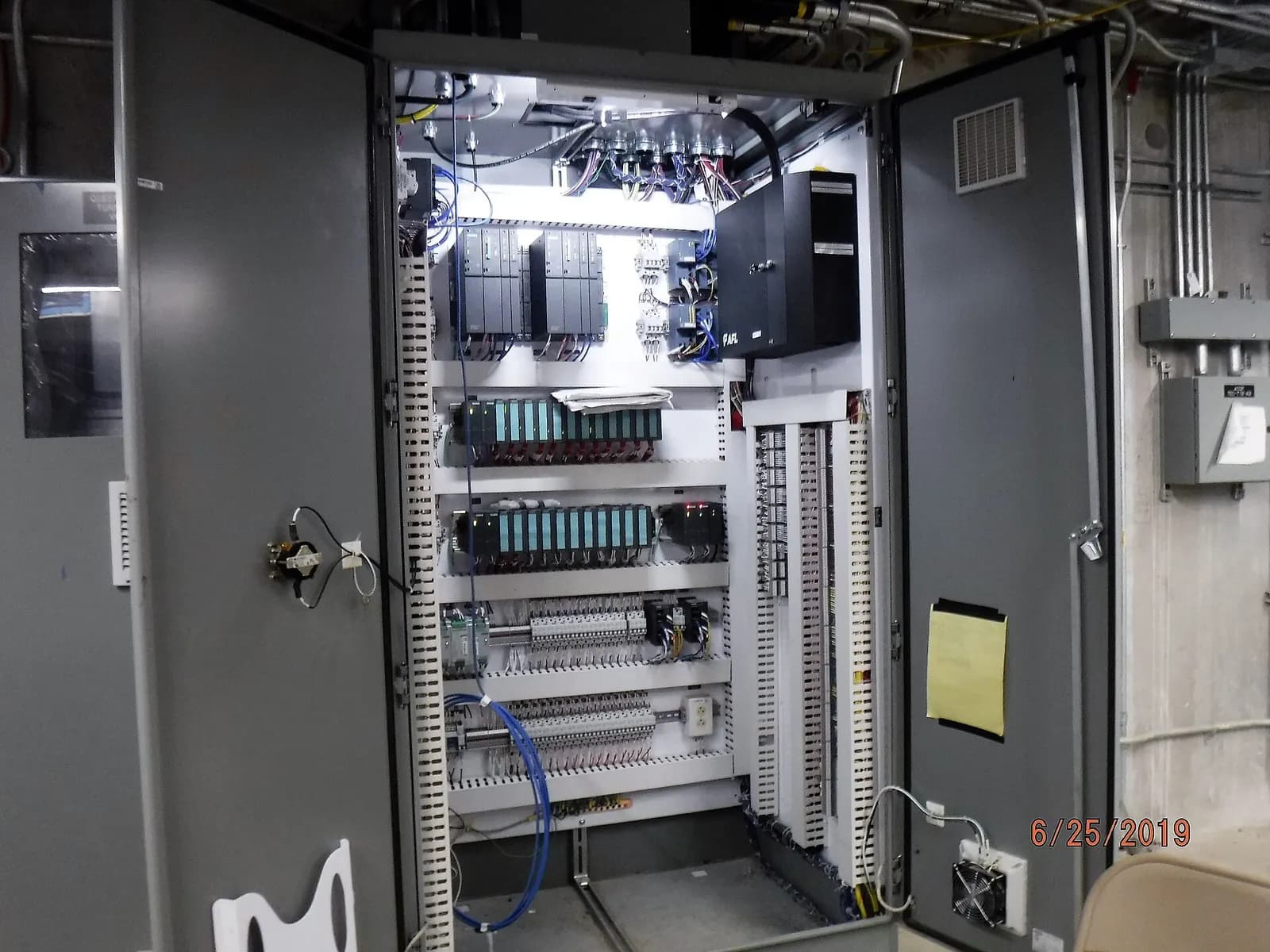
- Control panels located outside high-care areas where possible, with field I/O close to the machine.
- Robot covers or food-grade lubricants where the robot works near open product.
- Cleaning procedures written with the machine, not after it arrives.
Allergen changeovers and recipes
Most UK food sites run many products on shared lines, and changeovers are where errors happen. Automation can help by locking the line into a defined recipe, checking that the right packaging and labels are loaded, and recording who confirmed the clean-down. These controls support the site's food safety system and audits against schemes such as BRCGS. The control system should make the safe path the easy one.
Robots near open food
Robots now handle raw meat, bakery products and fresh produce as well as sealed packs. Where a robot touches open product, the gripper, covers and lubricants become part of the food safety system and must be cleanable and approved for food contact. Where it only handles sealed cases, standard industrial specification is usually fine. Decide which zone each machine sits in early, because it changes the price and the supplier list.
Inspection that feeds the control system
Metal detectors, check-weighers and label vision systems are often bought as standalone units with their own reject mechanism. Connect them to the line control so that repeated rejects stop the line, failed detector tests are recorded and the shift leader is told. A reject bin that fills up unnoticed is a quality system that only works on paper.
Traceability and data
Retail customers expect quick answers when something goes wrong. Line data, such as batch codes, check-weigher results, metal detector tests and reject counts, can be captured automatically and linked to each production run. The same data shows where the line loses time. Our guide to OEE monitoring on a packaging line explains how to capture it without replacing every machine.
People: redeploy, do not just remove
Food manufacturers face real recruitment pressure, and the best automation projects move people from repetitive lifting to roles that need judgement, such as line leading, quality checks and maintenance. Plan the training early. Operators who understand the new machine run it better and spot problems sooner. Maintenance technicians need PLC and robot basics to keep it running; our PLC training guide covers options.
Funding the first project
Many food and drink SMEs qualify for Made Smarter support, including match-funded grants of up to £20,000 in most English regions. Our Made Smarter grant guide explains how to scope a project your adviser can support. For palletising specifically, see robot palletising for SMEs.
Food and Drink at the AMRC
AMRC
This video is hosted on YouTube. Playing it loads content from Google, which may set cookies.
Watch on YouTubeA simple selection method
- List every manual task on the line with the people and hours it uses.
- Mark the ones that are repetitive, physically demanding or cause quality issues.
- Check product and pack variation for each: fewer formats means simpler automation.
- Estimate benefit and difficulty, and pick the task with the best ratio, not the biggest one.
- Scope it fully, including hygiene, safety, changeovers and training, before buying anything.
Pack format variation deserves extra attention. A line that runs six case sizes and four pallet patterns is still a good candidate, but the automation must handle changeovers quickly, or the gains disappear in setup time. Ask suppliers to demonstrate a format change, not just steady running.
Next step
Send us a line layout and a list of the products and pack formats you run. We will suggest the best first automation candidate and return a written scope through our automation engineering service. See the UK market briefing or contact us.