The cost of factory automation for a UK SME is driven less by the robot or machine and more by everything around it: controls engineering, safety, integration with existing equipment, installation and training. Quotes that look cheap usually leave some of those out. This guide explains where the money goes, which costs are easy to miss and how to judge payback before you commit.
We will not quote typical prices here, because they vary too much with scope to be useful. What does not vary is the structure of a project budget, and getting that right is what keeps projects on budget.
The main cost blocks in an automation project
| Cost block | What it covers | Often missed |
|---|---|---|
| Equipment | Machine, robot, conveyors, sensors, panels | Spares and tooling |
| Controls engineering | PLC, HMI, robot and safety programming | Changes after FAT |
| Safety design | Risk assessment, guarding, safety circuits | Validation and documentation |
| Integration | Links to existing machines, MES, ERP | Old machines with no interface |
| Installation | Mechanical, electrical, commissioning | Out-of-hours working, services |
| People | Operator and maintenance training | Time away from production |
| Support | Warranty, remote support, updates | Software licences after year one |
Equipment is the visible part
Most buyers start with the equipment price because it is easy to compare. That is fine, as long as you compare like with like. Check whether the quote includes the control panel, safety components, tooling, change parts for each product format and a set of critical spares. A machine that needs a new set of change parts for every new pack size has a cost that grows with your product range.
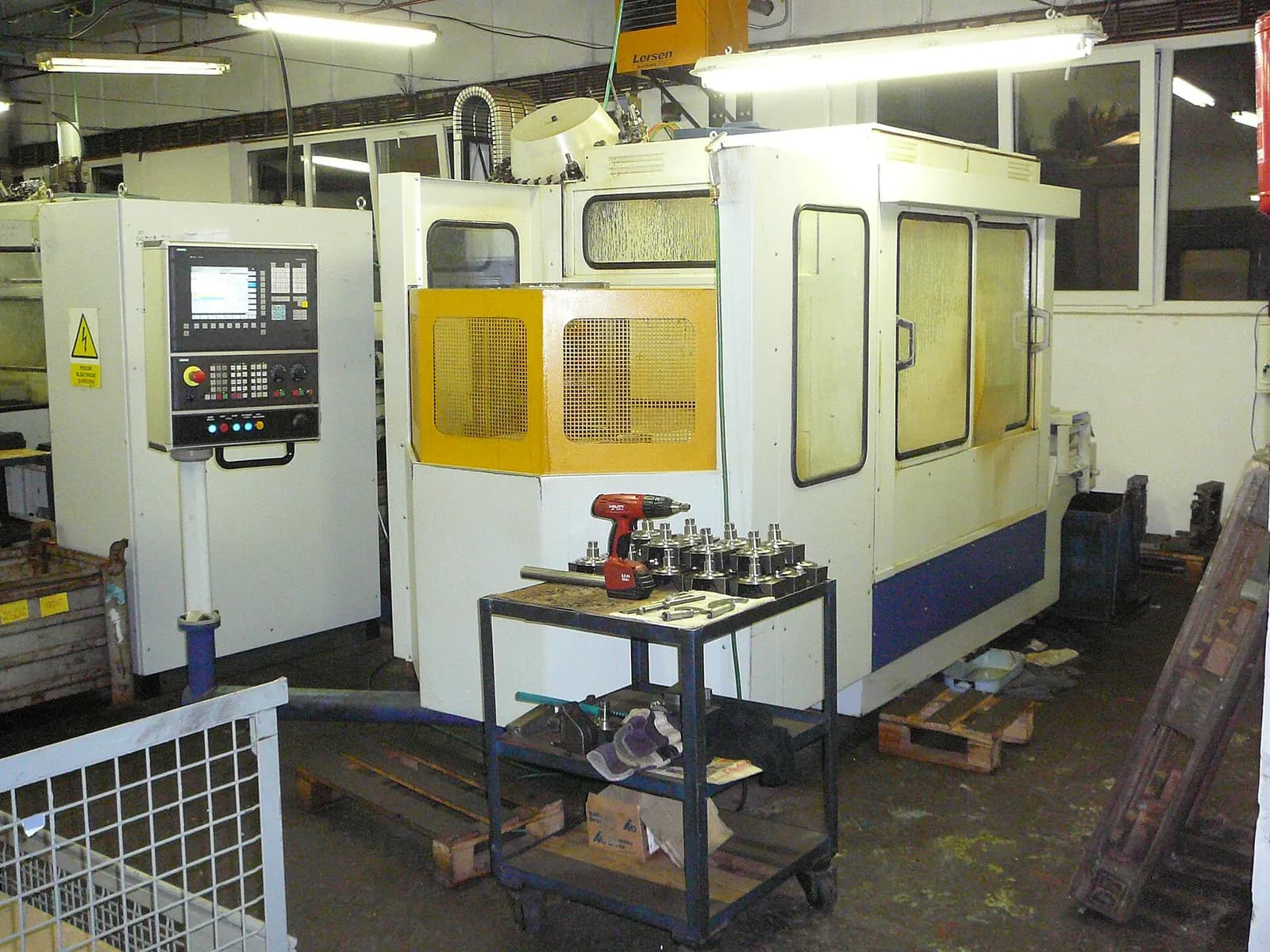
Controls engineering and integration
Controls engineering covers the PLC and HMI software, robot programs, safety logic and communications. On SME projects it is often bundled into the machine price, which works for standalone machines. It does not work when the new equipment has to talk to existing machines, a line controller or a data system. Ask who writes the interface logic, who tests it and who owns the code afterwards.
- Ask for a functional description before you sign, so both sides agree what the software will do.
- Ask whether the software will be tested before delivery, ideally against a simulation of the machine.
- Make sure you receive the source code and a backup, not just a running machine.
- Check which PLC platform is used and whether your maintenance team can support it.
Testing in simulation before site is one of the cheapest ways to protect a budget. Siemens reports that virtual commissioning can cut real commissioning time by up to 70% on its virtual commissioning page. On an SME project the gain is usually fewer days of disrupted production. See our virtual commissioning guide for how it works.
Safety is a cost you must plan for
New or modified machinery must be safe to use and properly documented. That means a risk assessment, appropriate guarding, safety-rated circuits, electrical design to BS EN 60204-1 and a declaration of conformity. These are not optional extras. Our guides to BS EN 60204-1 and UKCA marking explain the obligations.
Judging payback without guesswork
Payback is simple arithmetic once the inputs are honest: total project cost, minus grants and tax relief, divided by the annual benefit. The hard part is the benefit. Measure it before the project, not after. Count the labour hours on the task, the scrap and rework, the downtime and the orders you cannot accept. Then estimate conservatively what the automation changes.
Made Smarter's Get Baked case study shows the kind of benefit worth measuring: a £20,000 flow-wrapping investment, supported by a £13,000 grant, let two staff package three times as many products in the same shift. The output gain was measurable, which made the decision easy.
Reducing the net cost
- Made Smarter grants. Match-funded grants of up to £20,000 in most English regions. See our Made Smarter grant guide.
- Capital allowances. HMRC's Annual Investment Allowance covers most plant and machinery up to £1 million. Check your position with your accountant.
- Phasing. Automate the worst bottleneck first and reuse the controls design for later phases.
- Retrofit rather than replace. A control upgrade on a sound machine can cost far less than a new one.
Running costs after go-live
Automation has running costs too: maintenance parts, software licences, support contracts and the time of the person who looks after it. Ask suppliers to list these for the first three years. A cheaper machine with an annual licence and paid remote support can cost more over its life than a dearer one you can maintain yourself. Training your own maintenance team to handle routine faults is often the best value line in the budget.
Why SMEs are cautious, and why that is sensible
Skills England's advanced manufacturing skills assessment notes that 71% of large manufacturers are using AI compared with 28% of SMEs, and that SMEs face funding, data and resource constraints. The same caution applies to automation generally. A small, well-measured first project builds the evidence and confidence for the next one.
Supporting SMEs at the AMRC
AMRC
This video is hosted on YouTube. Playing it loads content from Google, which may set cookies.
Watch on YouTubeNext step
If you want a budget you can trust, send us a process description and a few photos. We will return a written scope with each cost block separated, so you can see exactly what is included. See our automation engineering service, the UK market briefing, or contact us.