Rooftop solar in Kasaragod and Wayanad works on the same rules as the rest of Kerala: homes apply under PM Surya Ghar, install a grid-connected system with made-in-India modules through a registered vendor, and get central assistance of up to ₹78,000 after KSEB inspects the system and fits a net meter. What differs is the roof and the weather. Kasaragod homes deal with coastal air and laterite; Wayanad homes deal with hills, mist, trees and a long monsoon.
The uptake is very different too. KSEB data obtained under RTI and reported by ETV Bharat in August 2026 showed 9,031 PM Surya Ghar installations in Kasaragod from 12,654 applications, and 1,675 in Wayanad from 2,722 applications, the lowest in the state. Across Kerala, 2,84,090 households were connected to the grid under the scheme and over ₹2,000 crore of subsidy had been disbursed.
PM Surya Ghar subsidy for Kasaragod and Wayanad homes
| System size | Central financial assistance | Notes |
|---|---|---|
| 1 kW | ₹30,000 | Very low consumption |
| 2 kW | ₹60,000 | ₹30,000 per kW for the first 2 kW |
| 3 kW and above | ₹78,000 | Capped; no extra CFA beyond 3 kW |
These figures are from the MNRE operational guidelines for residential consumers. You register on the national portal with KSEB as your DISCOM, choose a registered vendor, install, and after KSEB approval the guidelines say the assistance is processed within 15 days. Our full guide to the PM Surya Ghar subsidy in Kerala covers each step and the reasons applications get stuck.
PM Surya Ghar: Muft Bijli Yojana- Consumer- How to Redeem Subsidy
mnreindia
This video is hosted on YouTube. Playing it loads content from Google, which may set cookies.
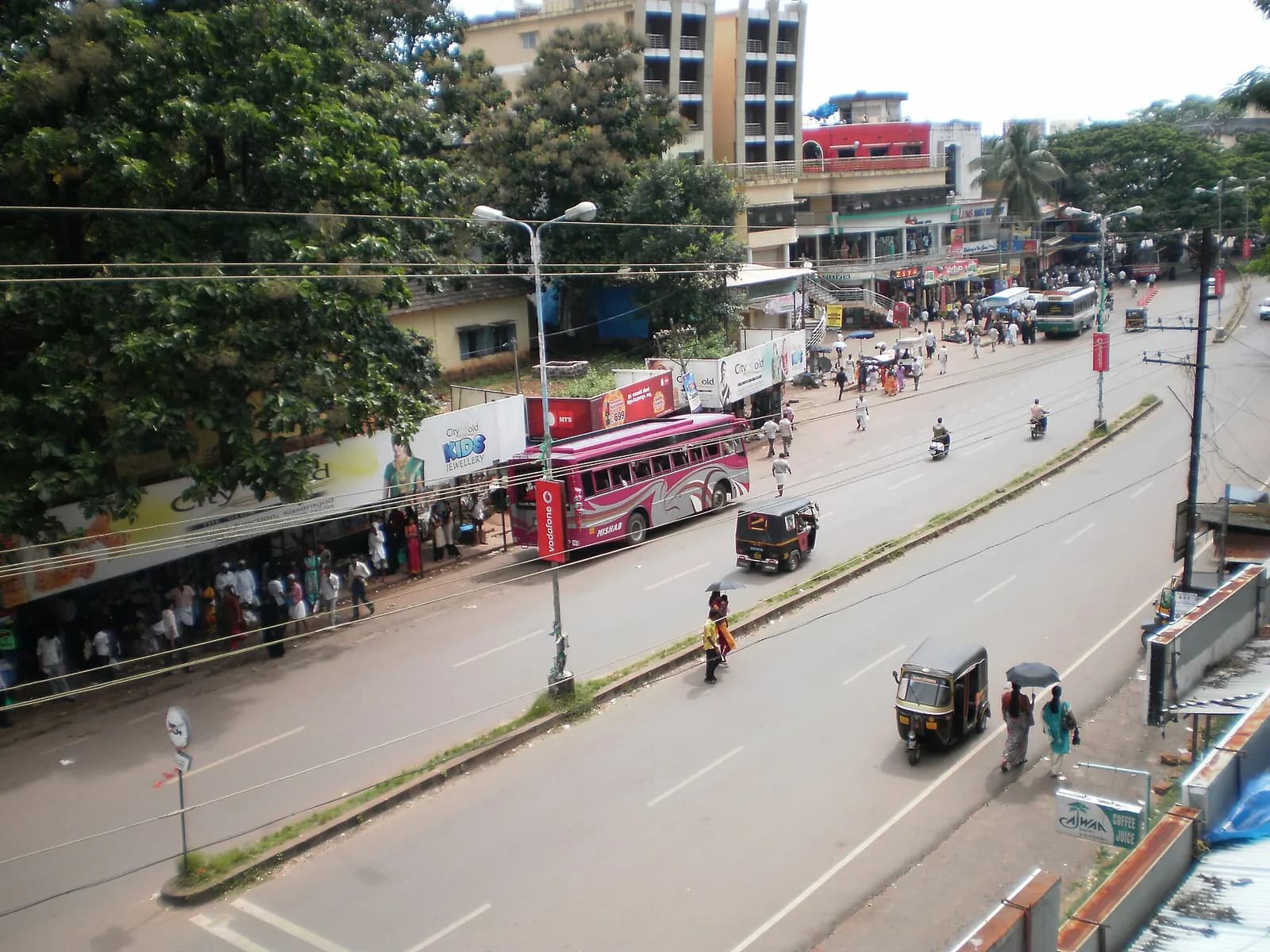
Watch on YouTubeKasaragod: sun, coast and laterite
Kasaragod already hosts utility-scale solar. Tata Power Solar built a 50 MW AC plant at the Kasaragod Solar Park and describes the site as hilly, with undulating terrain and laterite soil; it expects about 101 million units a year. A separate THDC 50 MW project in Kasaragod began commercial operation on 31 December 2020. For homes, two local conditions matter more than the irradiance.
- Coastal air. Homes near the coast at Kasaragod town, Bekal or Manjeshwar see salt-laden air. Ask for anodised aluminium or hot-dip galvanised mounting, stainless fasteners and inverters rated for the location.
- Laterite and older roofs. Many homes have laterite walls and tiled or older concrete roofs. Check the roof before you size the system, not after.
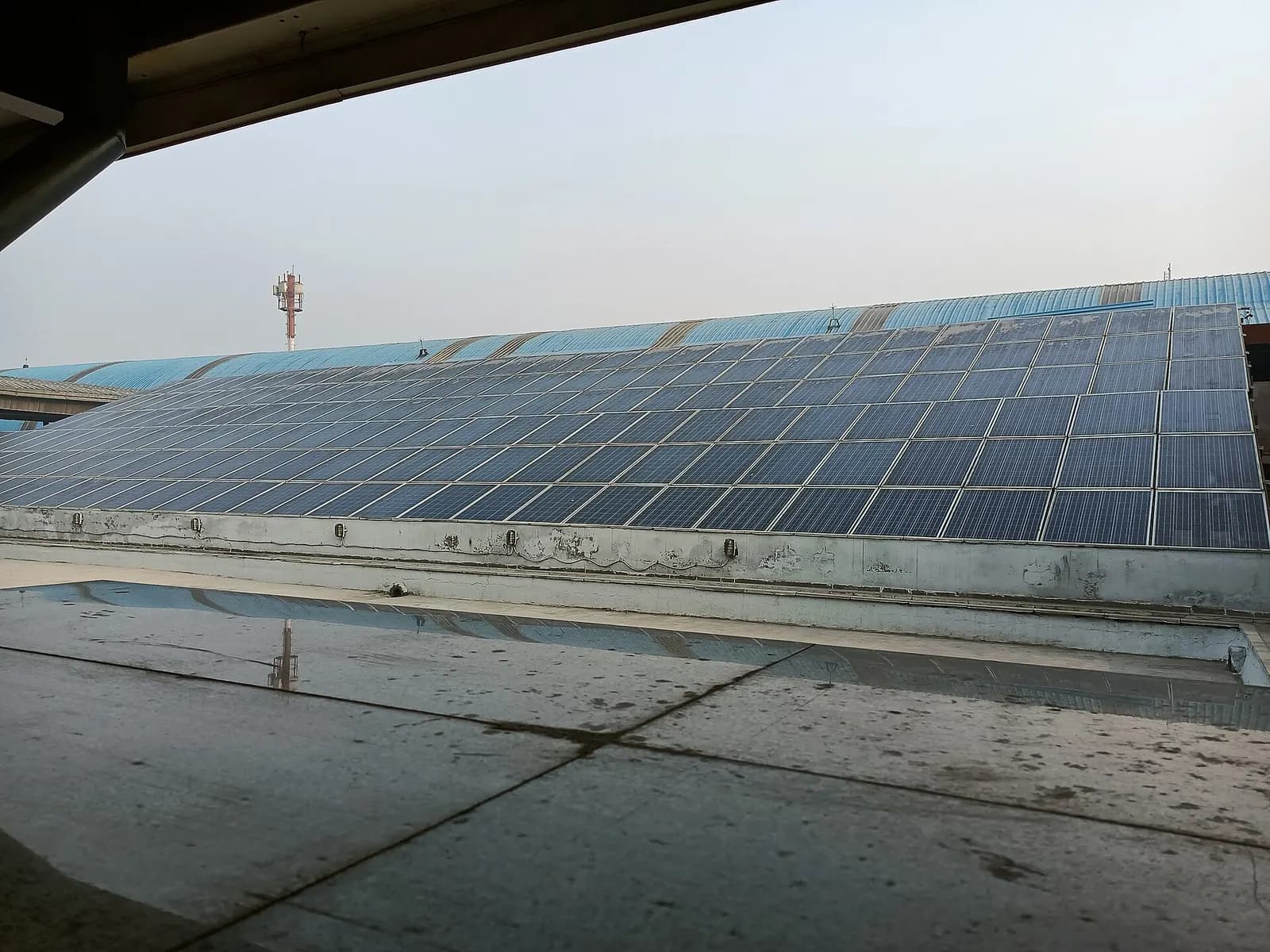
- Heat on flat terraces. Leave space under the modules for air to move; panels produce less when they run hot.
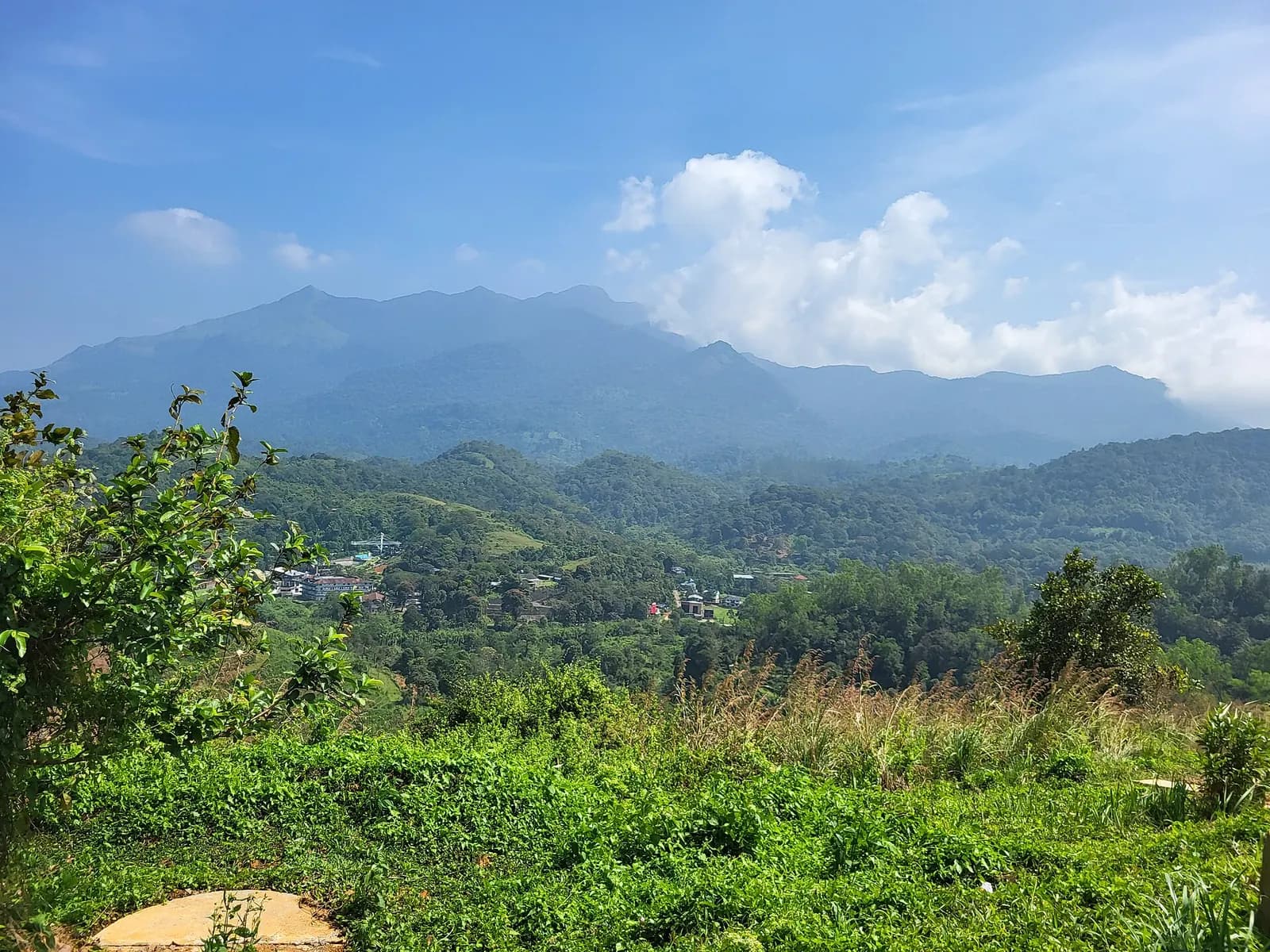
Wayanad: hills, mist and trees
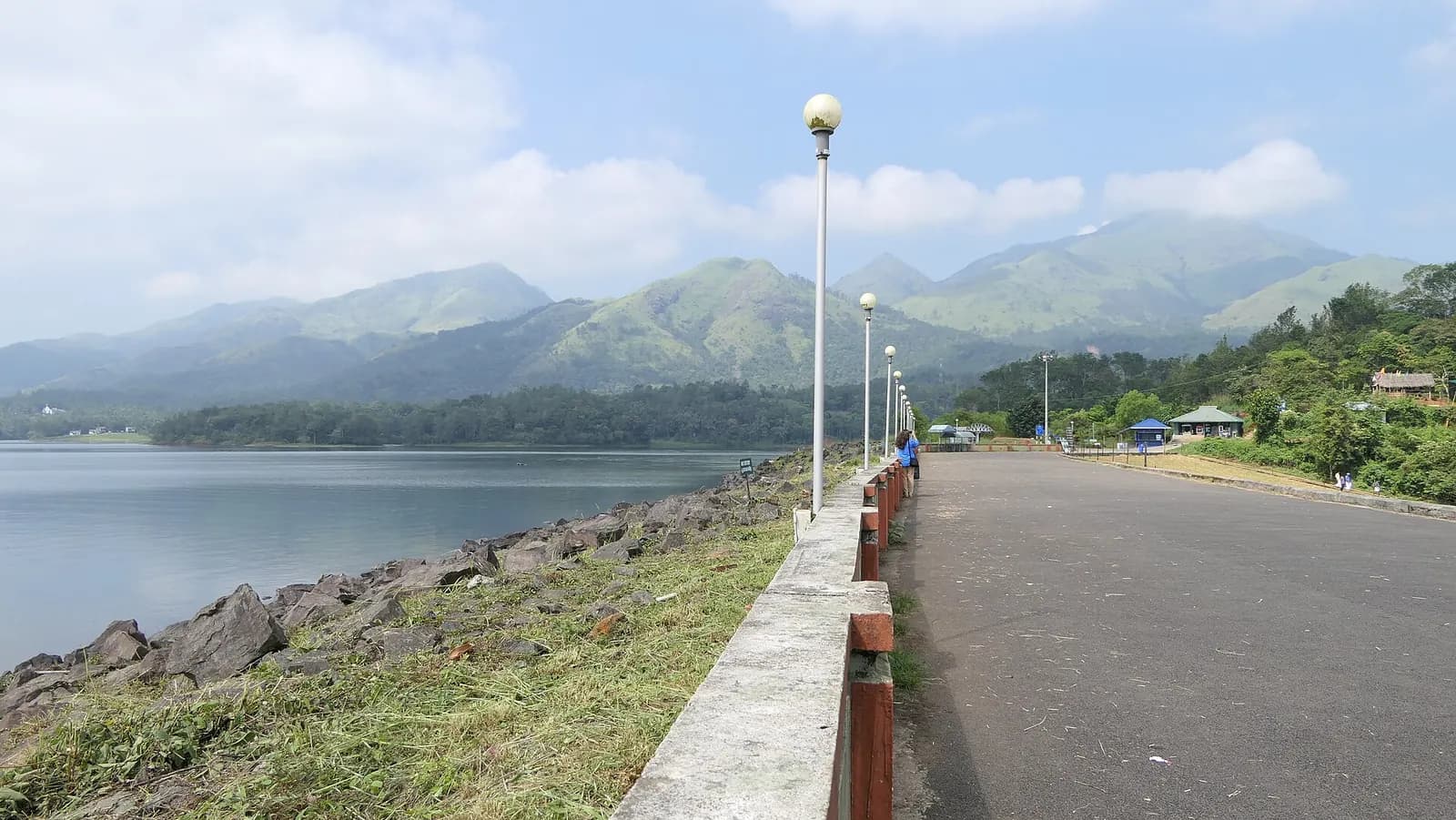
Wayanad has a solar first of its own. KSEB built a 500 kW floating solar plant on the Banasura Sagar reservoir with 1,938 panels, inaugurated in December 2017 and described by Onmanorama as the country's largest floating solar plant at the time. On rooftops, though, the district has the fewest PM Surya Ghar homes in Kerala, and the conditions explain some caution.
- Shade. Coffee, areca and other tall trees around homes cut generation more than cloud does. A shade check at different times of day is essential.
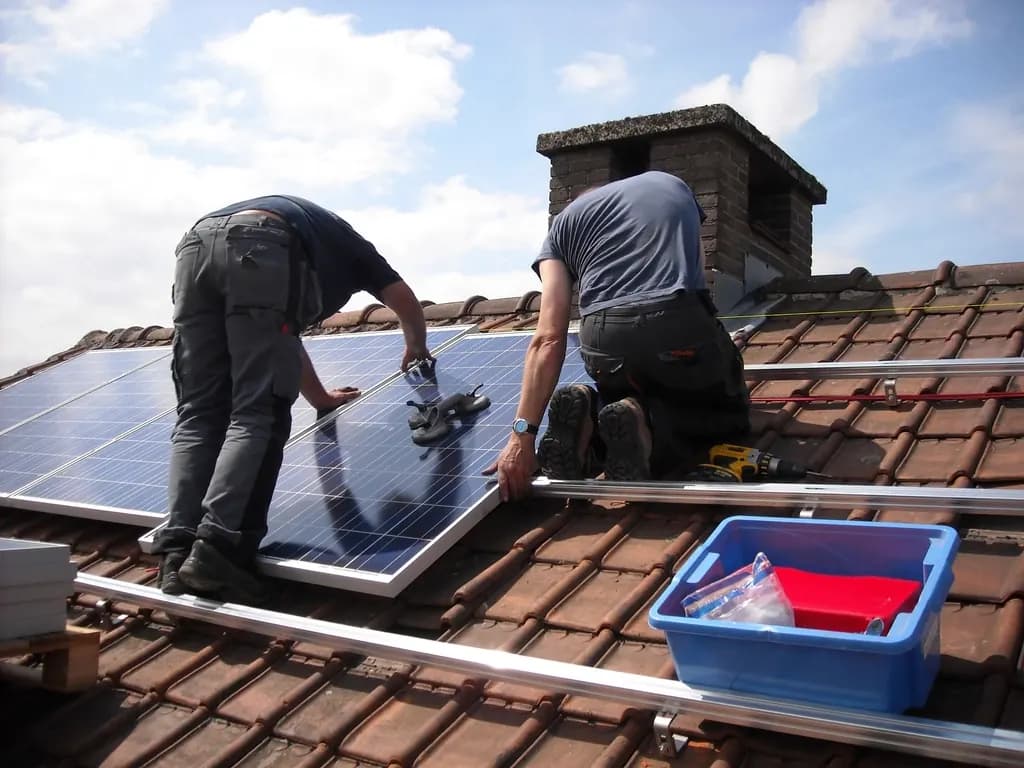
- Sloping tiled roofs. Mounting must suit the roof and handle wind on exposed hillsides without cracking tiles.
- Long monsoon. Expect lower output in the wettest months; size the system on annual generation, not on a sunny March week.
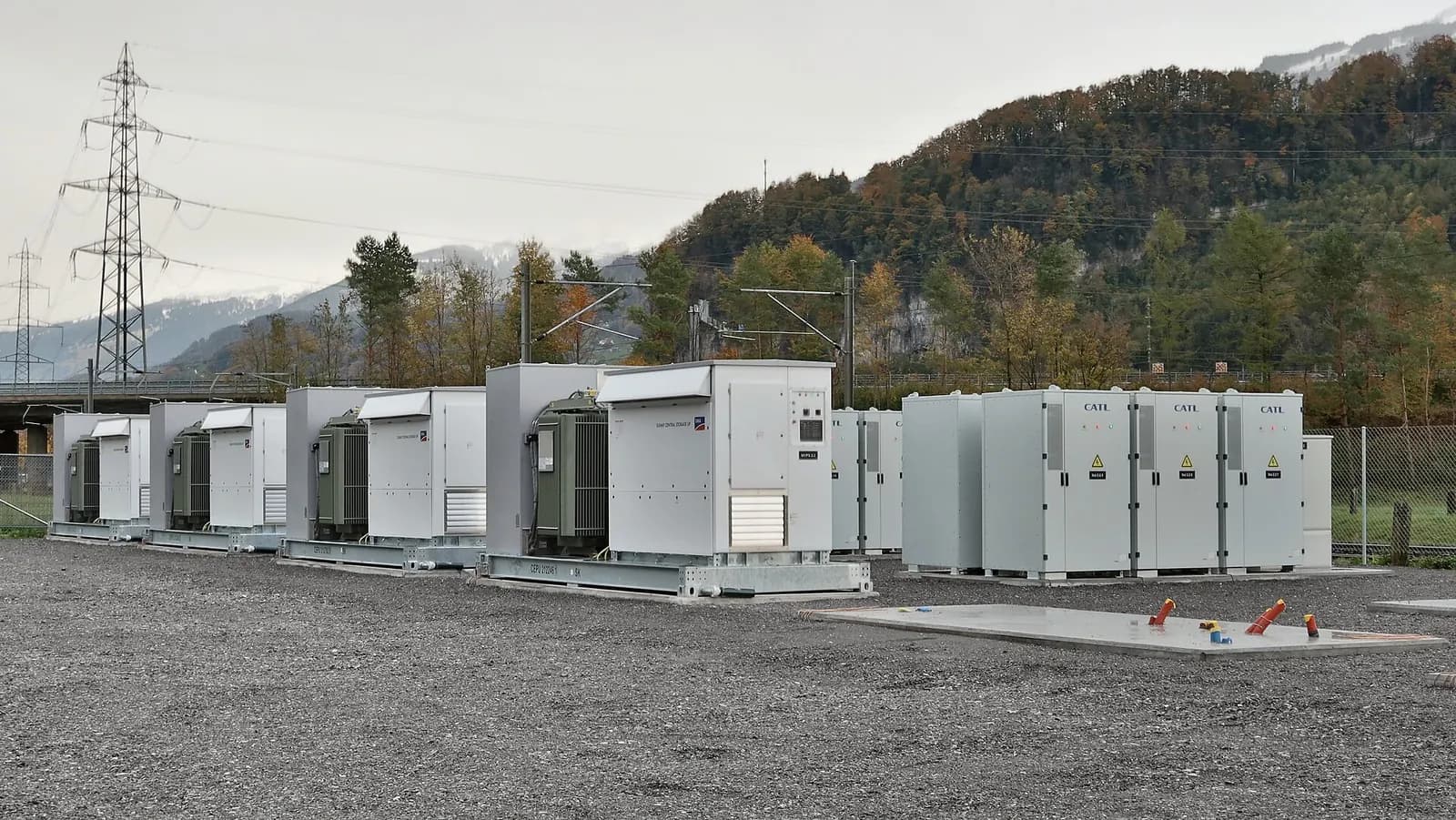
- Power cuts. If your area sees frequent outages, a hybrid system with a battery keeps essential loads running; an on-grid system shuts down when the grid fails.
Net metering rules are in flux: check before you size
Kerala's rooftop rules have been contested. In August 2025, Mercom reported that monthly rooftop additions in Kerala fell to about 12 MW in July 2025, against an earlier average of about 35 MW, after a draft proposal to cap net metering at 3 kW. KSERC then notified new renewable energy regulations, and in November 2025 the Kerala High Court stayed them, as reported by Onmanorama. Before you choose a system above 3 kW, ask your vendor to confirm the net metering terms KSEB is applying at the time you apply.
What size suits a typical home?
KSEB's solar FAQ says a kW of panels generates about 4 units a day on average. KSEB bills every two months, so halve your bi-monthly units, divide by 30 and then by 4 for a first estimate of kW. Wayanad homes with shade should allow for lower output. Our guide to how many kW a Kerala home needs works through examples, and on-grid vs hybrid helps with the battery question.
Wartens Energy in Kasaragod and Wayanad
Wartens Energy's installation team is based in Iritty, Kannur, and serves Kannur, Kasaragod, Kozhikode and Wayanad. We fit on-grid and hybrid home systems in 2, 3 and 5 kW, battery retrofits and farm and off-grid pumps, and handle the PM Surya Ghar subsidy paperwork for eligible homes; the subsidy itself is decided under the scheme's rules. We also maintain systems fitted by any installer, which our solar maintenance guide explains. See energy systems services.
Next step: send a photo of your roof and your last two KSEB bills through the contact page. We will suggest a system size and arrange a site survey.