Solar panel maintenance in Kerala comes down to four habits: clean the panels when dust or bird droppings build up, inspect wiring and structures before and after the monsoon, watch daily generation for sudden drops, and have a professional check the system once a year. Done consistently, this keeps a home or commercial system close to its expected output for its full life.
Panels themselves age slowly. The US National Laboratory of the Rockies, formerly NREL, says on its PV lifetime page that modules typically lose less than 1% of their performance per year. The MNRE's PM Surya Ghar guidelines require module degradation below 0.5% a year for systems under the scheme. So when a system's output falls quickly, the cause is almost always dirt, shade, wiring or the inverter, all of which maintenance can fix.
How often should you clean solar panels in Kerala?
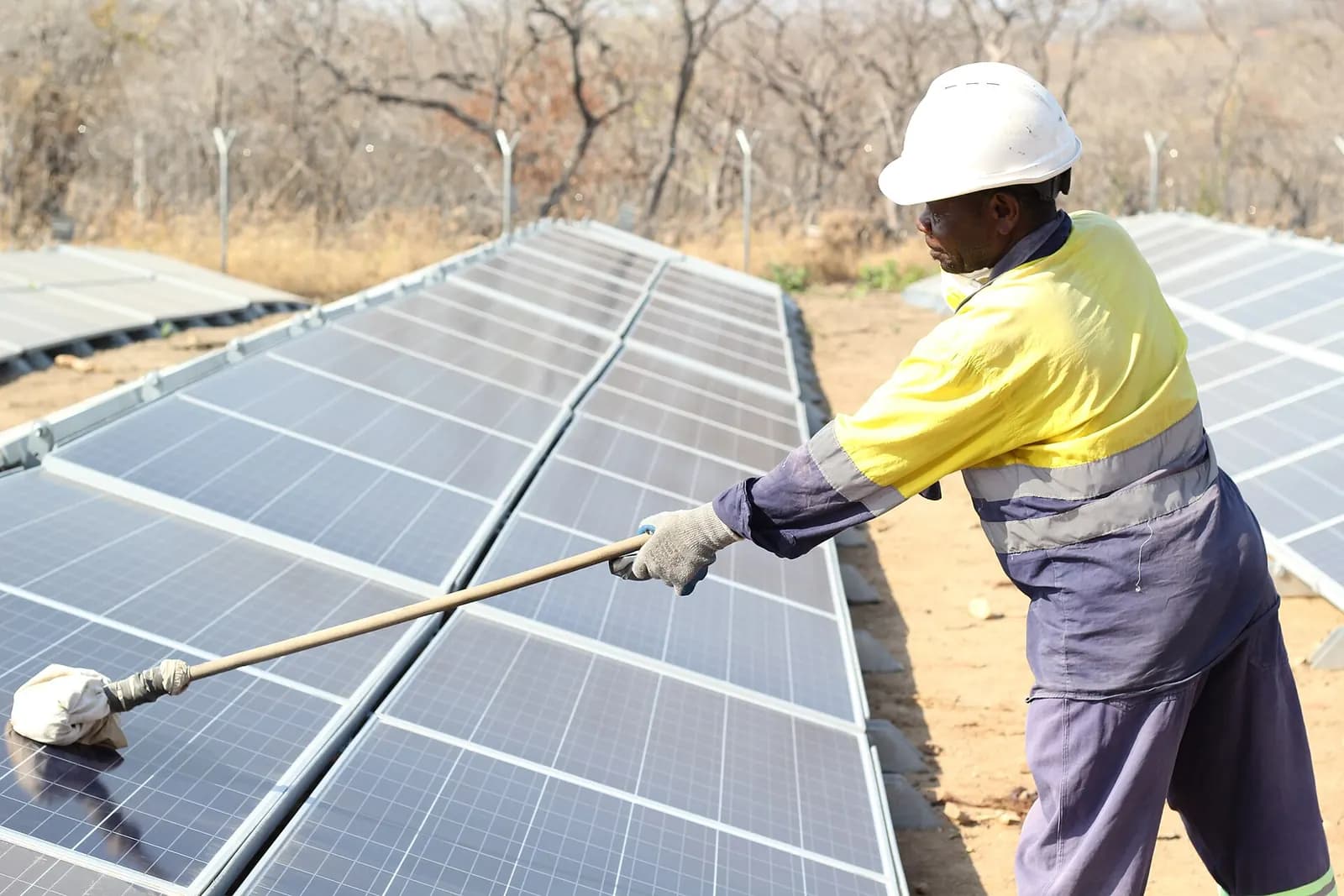
There is no single answer. KSEB's solar FAQ says cleaning frequency depends on dust, birds and pollution at the site. In practice, during the monsoon rain does much of the work, while in the dry months from January to May dust and droppings build up faster. A home near a main road, a quarry or a construction site needs more frequent cleaning than one surrounded by trees. Inspect monthly, and clean when you see a film or spots.
- Clean early morning or evening, when panels are cool.
- Use clean water and a soft brush or sponge. No detergents, abrasive pads or pressure washers.
- Never stand or walk on the panels.
- On tiled or high roofs, use a long-handled brush from a safe position or call a professional.
- Do not install monkey-guard mesh over panels. KSEB advises against it because it shades the modules.
Monsoon and lightning checks
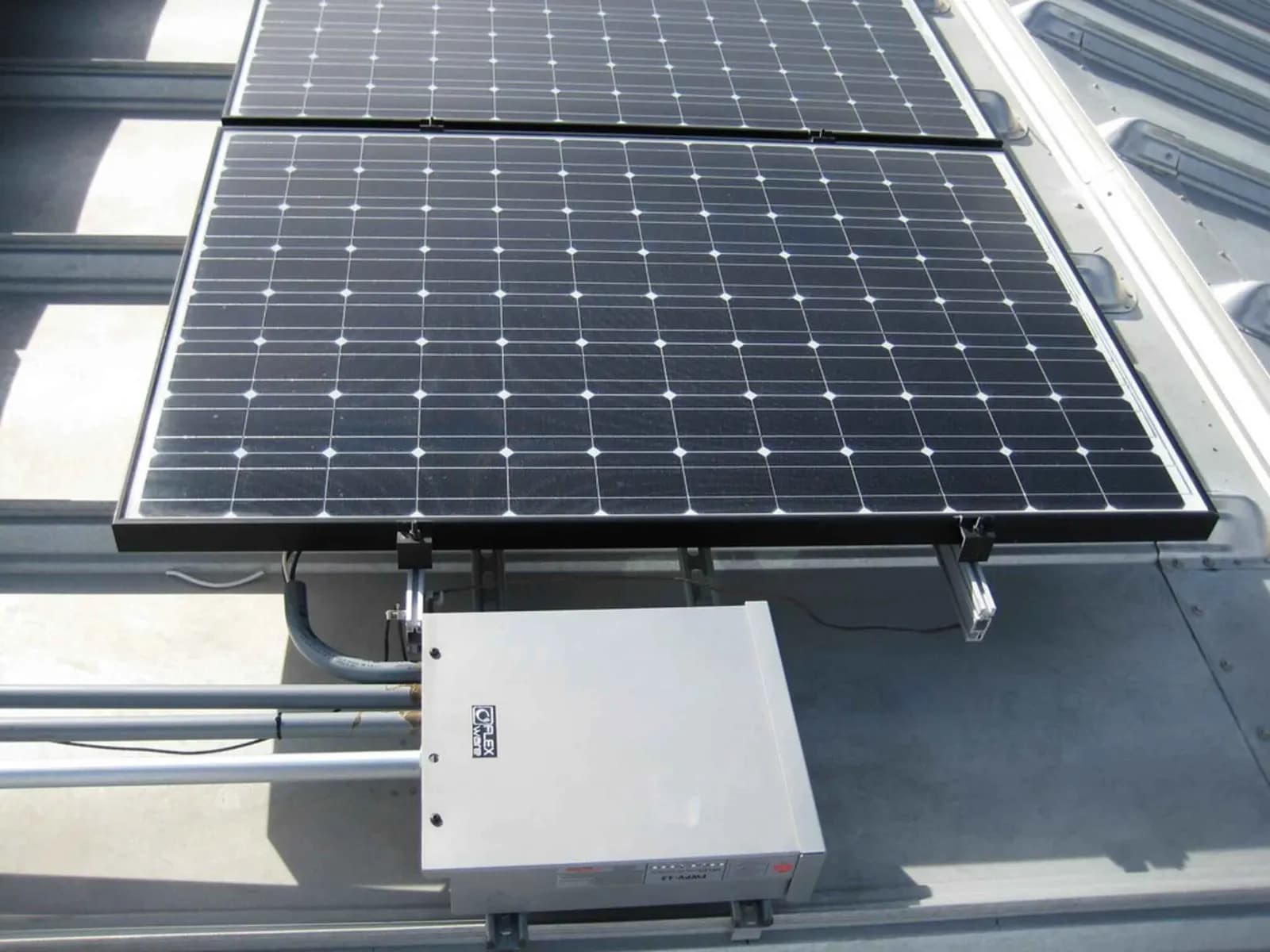
Kerala's monsoon storms test every rooftop system. Before the rains, check that mounting bolts are tight, the structure shows no rust, cables are clipped and not chafing on tiles or edges, and earthing connections are intact. After big storms, look for shifted panels, damaged cables and water inside junction boxes or the inverter enclosure. Lightning arresters and surge protection devices should be inspected, and replaced if they show they have operated. The MNRE guidelines require lightning and surge protection on scheme systems for good reason.
Enpowering Solar Plant O&M: Smart I-V & C-V Fusion Diagnosis Solution
Huawei FusionSolar
This video is hosted on YouTube. Playing it loads content from Google, which may set cookies.
Watch on YouTubeWatch the numbers: monitoring catches losses early
Most inverters log daily generation, and many connect to an app. Check it once a week. Compare each day with similar weather days. A sudden drop of 20% or more on a sunny day usually points to a problem: a tripped string, a failed connector, an inverter fault or new shade. A slow decline over weeks usually means dirt. For commercial systems, an automatic alert when generation falls below expected values saves far more than it costs.
| Symptom | Likely cause | What to do |
|---|---|---|
| No generation on a sunny day | Grid outage, inverter trip, isolator off | Check grid supply and inverter display |
| Sudden drop of about a third | One string out | Call a technician to test strings |
| Gradual decline over weeks | Dust or bird droppings | Clean panels and recheck |
| Lower output every afternoon | New shade from trees or buildings | Trim trees or review layout |
| Inverter error code | Insulation, grid voltage or fan fault | Note the code and call the installer |
What an annual professional check should cover
- Visual inspection of every module for cracks, hotspots, browning and delamination.
- Torque check of mounting bolts and inspection of the structure for corrosion.
- String voltage and current measurements compared with expected values.
- Insulation resistance test on DC cabling.
- Inspection of DC and AC isolators, fuses, surge protection and earthing.
- Inverter log review, firmware status and cleaning of vents and fans.
- A written report with readings, so next year's check can be compared.
The international standard IEC 62446-1 sets out the documentation, commissioning tests and inspection expected for grid-connected PV systems. Ask your installer for the commissioning test records. They are the baseline every later test should be compared against.
Safety first on the roof
Solar panels produce DC voltage whenever light falls on them, and a string on a home system can be several hundred volts. Switching off the inverter does not make the panels safe. Leave anything beyond cleaning and visual checks to a trained technician, never open junction boxes or disconnect connectors under load, and treat wet tiled roofs in the monsoon as a fall hazard. Cleaning from a ladder at the roof edge with a long brush is far safer than walking on the roof.
Warranty and AMC
Systems installed under PM Surya Ghar come with a five-year warranty and five years of maintenance from the vendor under the MNRE guidelines. After that, or where the original installer is no longer around, an annual maintenance contract keeps the system checked and cleaned. Make sure any AMC lists the tests to be done, the cleaning frequency and the response time for faults.
Wartens Energy maintains any installer's system
Wartens Energy maintains rooftop systems in Kannur, Kasaragod, Kozhikode and Wayanad, including systems installed by other companies, and offers a live dashboard with alerts for commercial sites. Read our guide to commercial rooftop solar in Kerala, see energy systems services, or contact us to book an inspection.