Commercial rooftop solar in Kerala pays back best where electricity is used during the day: schools, hospitals, hotels, offices, cold stores and food processing units. Size the system to your daytime load rather than your total bill, choose a metering arrangement KSEB will approve for your tariff category, and plan monitoring from day one. Most such buildings in North Kerala fall in the 10 to 100 kW range.
The case rests on tariffs. In KSERC's tariff order of December 2024, the LT-VII(A) commercial category, which covers shops, hotels and private hostels, pays energy charges from ₹6.05 per unit in the lowest slab up to ₹9.40 per unit above 500 units a month, before fixed charges. Every unit generated and used on site avoids that charge.
Who benefits most
| Building | Why solar fits | Watch out for |
|---|---|---|
| Schools and colleges | Load peaks in daytime on weekdays | Low use in vacations and weekends |
| Hospitals | Steady daytime load, high tariffs | Critical loads need reliable backup design |
| Hotels and resorts | Daytime laundry, kitchens, air conditioning | Roof space shared with water tanks and plant |
| Processing units | Motors, chillers and dryers run in daylight | Load must match generation hours |
| Offices | Air conditioning and IT in working hours | Leased roofs need landlord agreement |
Sizing a 10 to 100 kW system
- Collect 12 months of bills and, if possible, the load profile from your meter.
- Estimate daytime consumption between about 9 a.m. and 4 p.m. on working days.
- Size the system so most generation is used on site. Using KSEB's figure of about 4 units per kW per day as a planning average, a 50 kW system gives around 200 units a day.
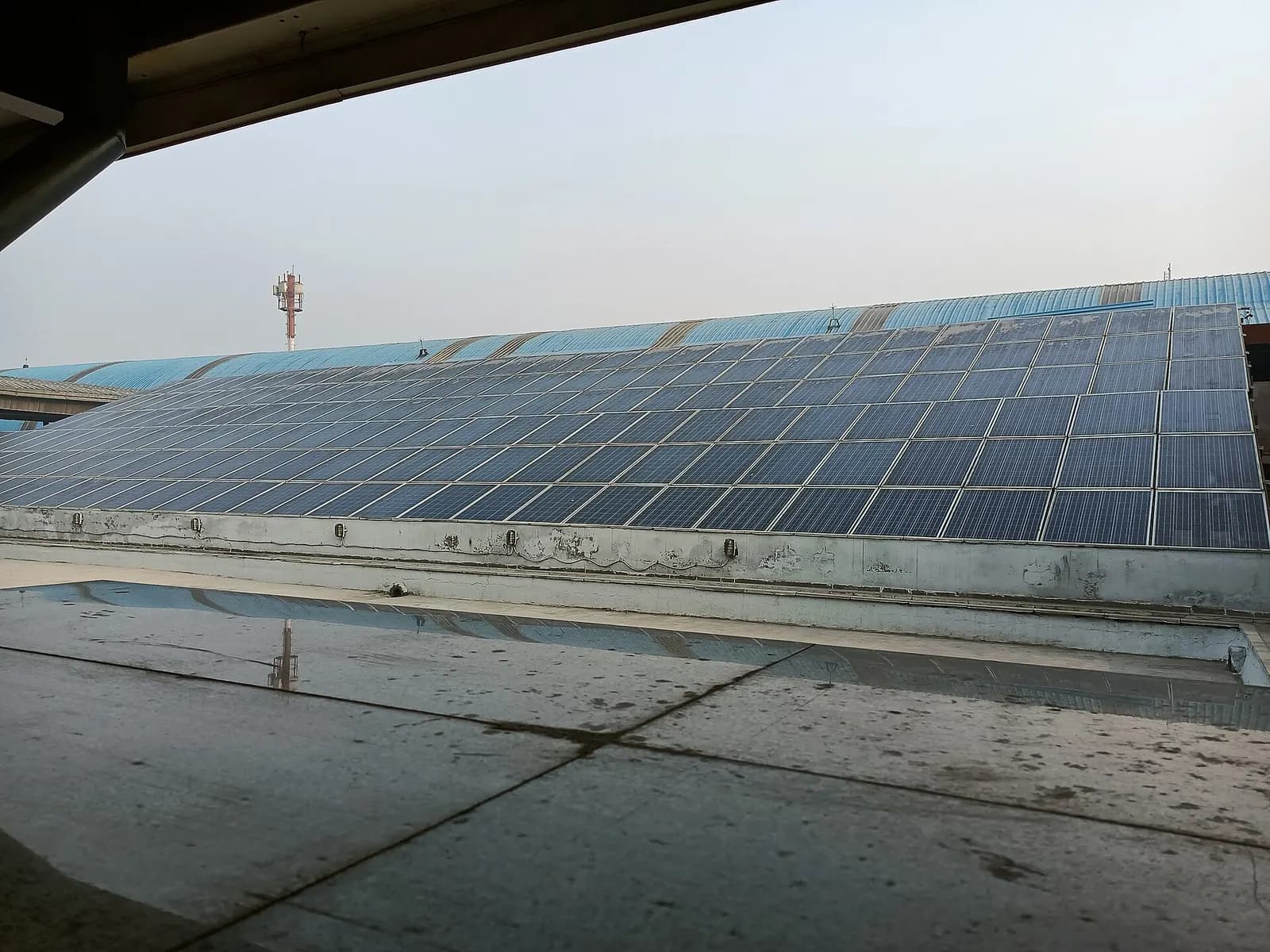
- Check roof area. KSEB's guidance of about 10 square metres per kW means 50 kW needs around 500 square metres of shade-free roof.
- Check the roof structure and waterproofing, and plan maintenance walkways.
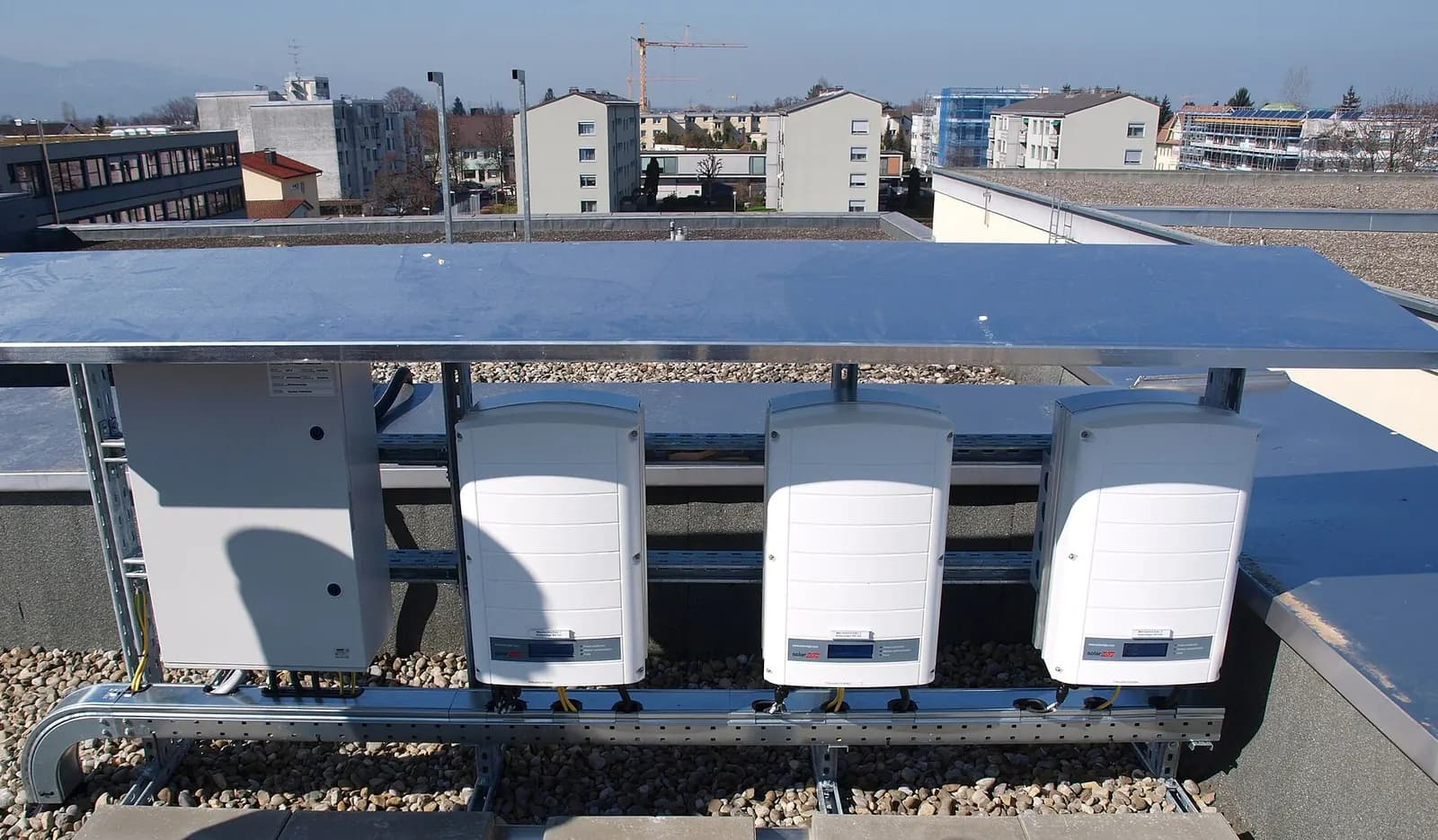
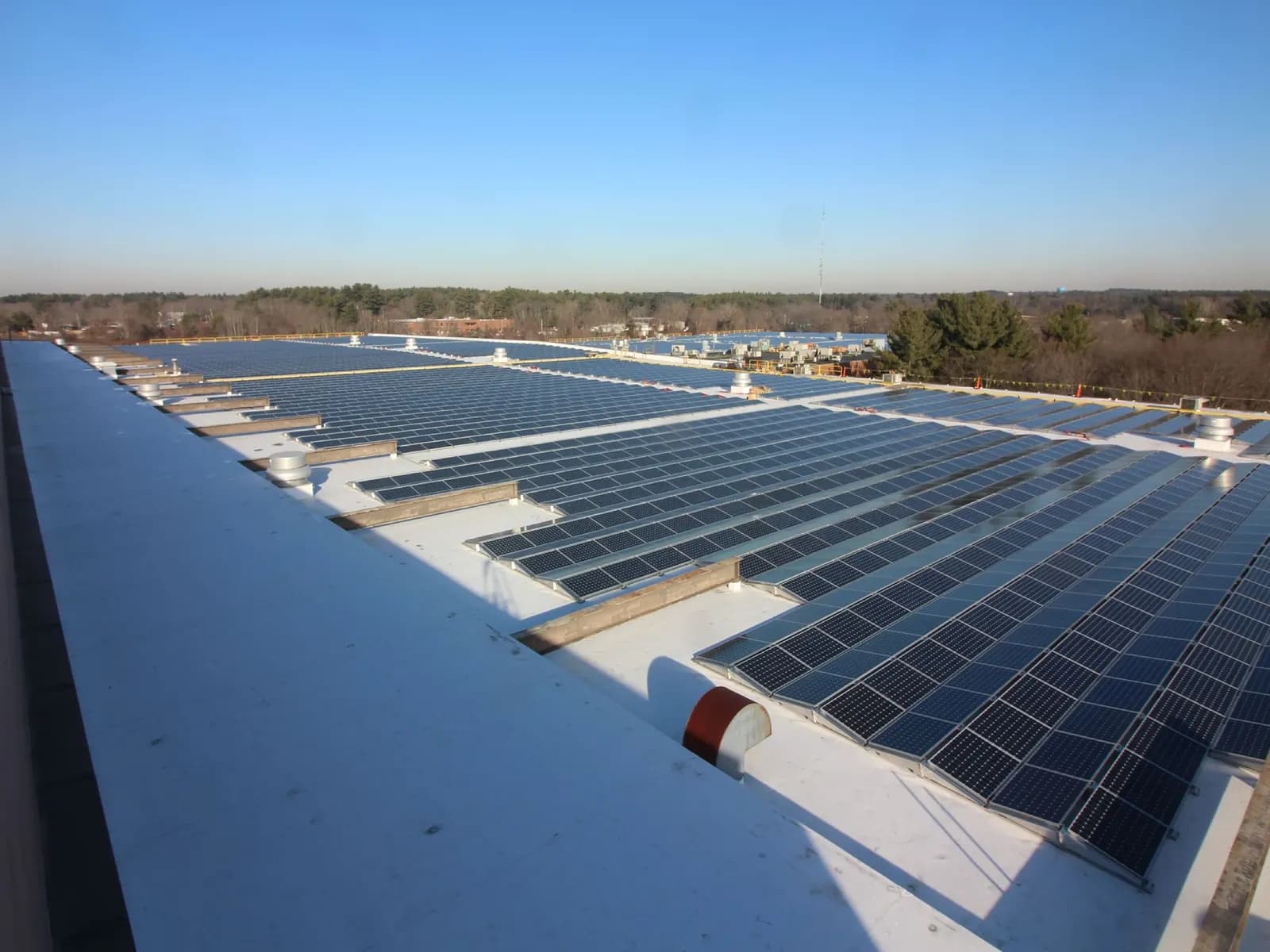
CleanMax Solar installed 600 kWp rooftop solar plant at Knorr Bremse, Pune.
CleanMax
This video is hosted on YouTube. Playing it loads content from Google, which may set cookies.
Watch on YouTubeA worked example: a 100-bed hospital
Consider a hospital in Kozhikode whose meter data shows a steady daytime load of about 60 kW from air conditioning, lighting, laundry and equipment, falling at night. A 50 kW rooftop system generating around 200 units a day on average would be absorbed almost entirely on site, even on Sundays, because the hospital never closes. The roof has water tanks and lift rooms, so the layout works around them, with walkways for cleaning. Critical loads stay on the existing generator and UPS; solar reduces what the grid supplies during the day rather than replacing backup. That is the pattern that makes commercial solar pay: steady daytime use, a system sized under it, and no dependence on export rates.
Metering options in Kerala
The way surplus energy is credited decides how much a commercial system saves. Kerala's 2025 renewable energy regulations list net metering for domestic, industrial and agricultural consumers. Our reading is that commercial consumers would mainly use net billing, gross metering or behind-the-meter arrangements, where exported units are paid at a feed-in rate rather than offset one for one. The regulations were challenged in the Kerala High Court in November 2025, as Onmanorama reported, so confirm the current position for your category with KSEB before designing.
The practical lesson holds whichever rules apply: a commercial system earns most when it is sized so that nearly all generation is consumed on site. Exported units are worth less than imported units avoided.
Subsidies, ownership and tax
- No PM Surya Ghar subsidy. KSEB's solar FAQ says central financial assistance is not available for commercial or institutional systems.
- Own it (CAPEX). You pay up front and keep all savings. Best when you have the capital and a long-term roof.
- RESCO or third-party ownership. A developer owns the system and you buy power at an agreed tariff, usually with maintenance included for the term. Lower savings, no capital.
- Tax. KSEB notes tax benefits are available for commercial users. Confirm the current treatment with your chartered accountant.
Monitoring is not optional
A 50 kW system that quietly loses a string for three months can lose thousands of units before anyone notices on the bill. Set up a monitoring dashboard that shows generation per inverter against expected generation, and alerts the facility manager when output drops or an inverter trips. For hospitals and hotels, tie the solar data into the building management system so the engineering team sees it with everything else. Review a monthly report against the design estimate, and ask why whenever the gap is more than a few per cent.
Keep your existing system earning
Many institutions in Kerala already have rooftop systems from an earlier installer that has since moved on. Wartens Energy maintains systems installed by any installer, including inspections, cleaning and repairs. See our guide to solar panel maintenance in Kerala.
Wartens Energy for commercial solar
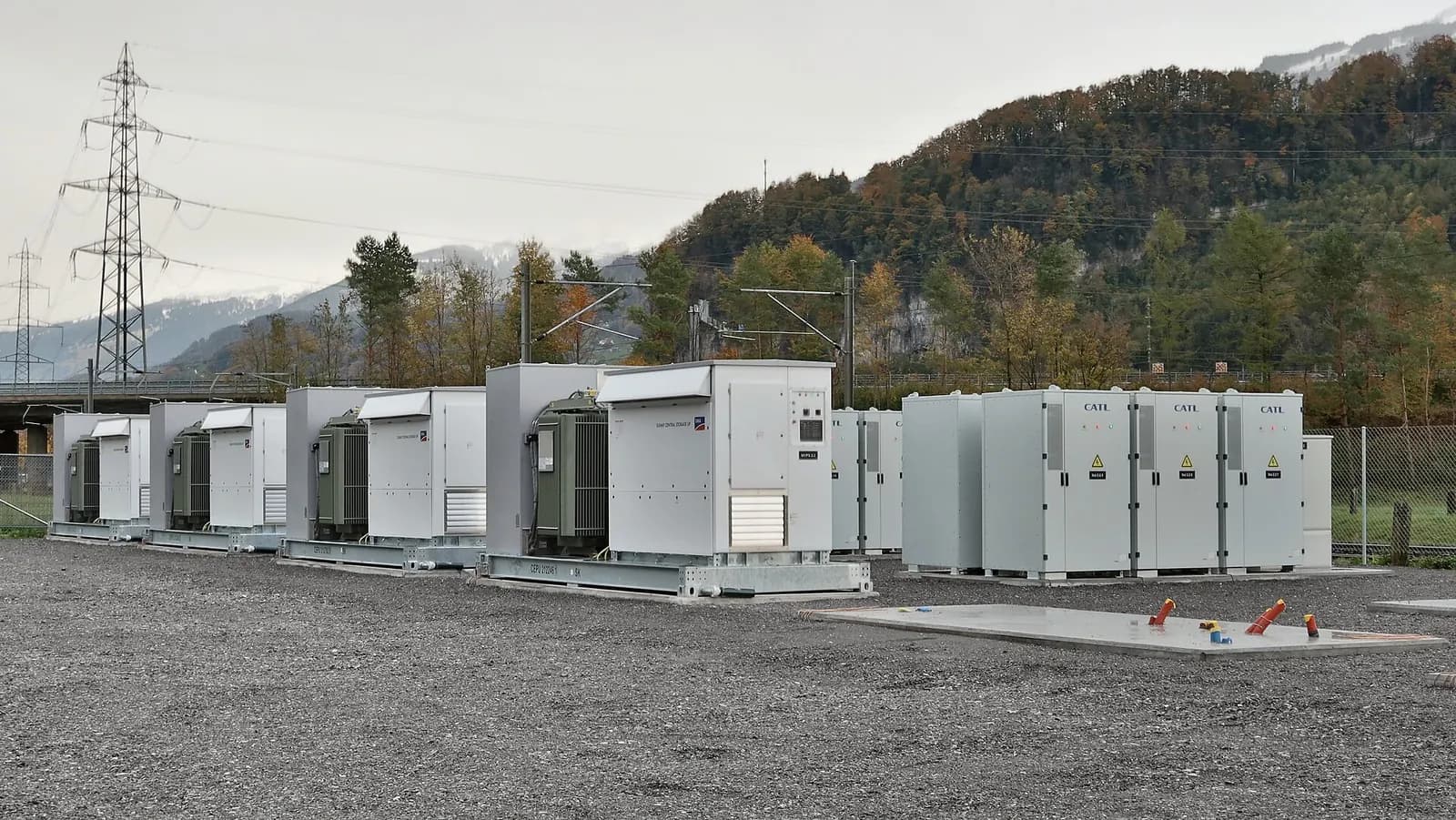
Wartens Energy designs and installs commercial rooftop systems from 10 to 100 kW for schools, hospitals, hotels and processing units in North Kerala, with a live dashboard and alerts. Our wider group engineers battery storage controls and SCADA for larger energy projects. See energy systems services, or contact us with your last 12 months of bills for a sizing study.