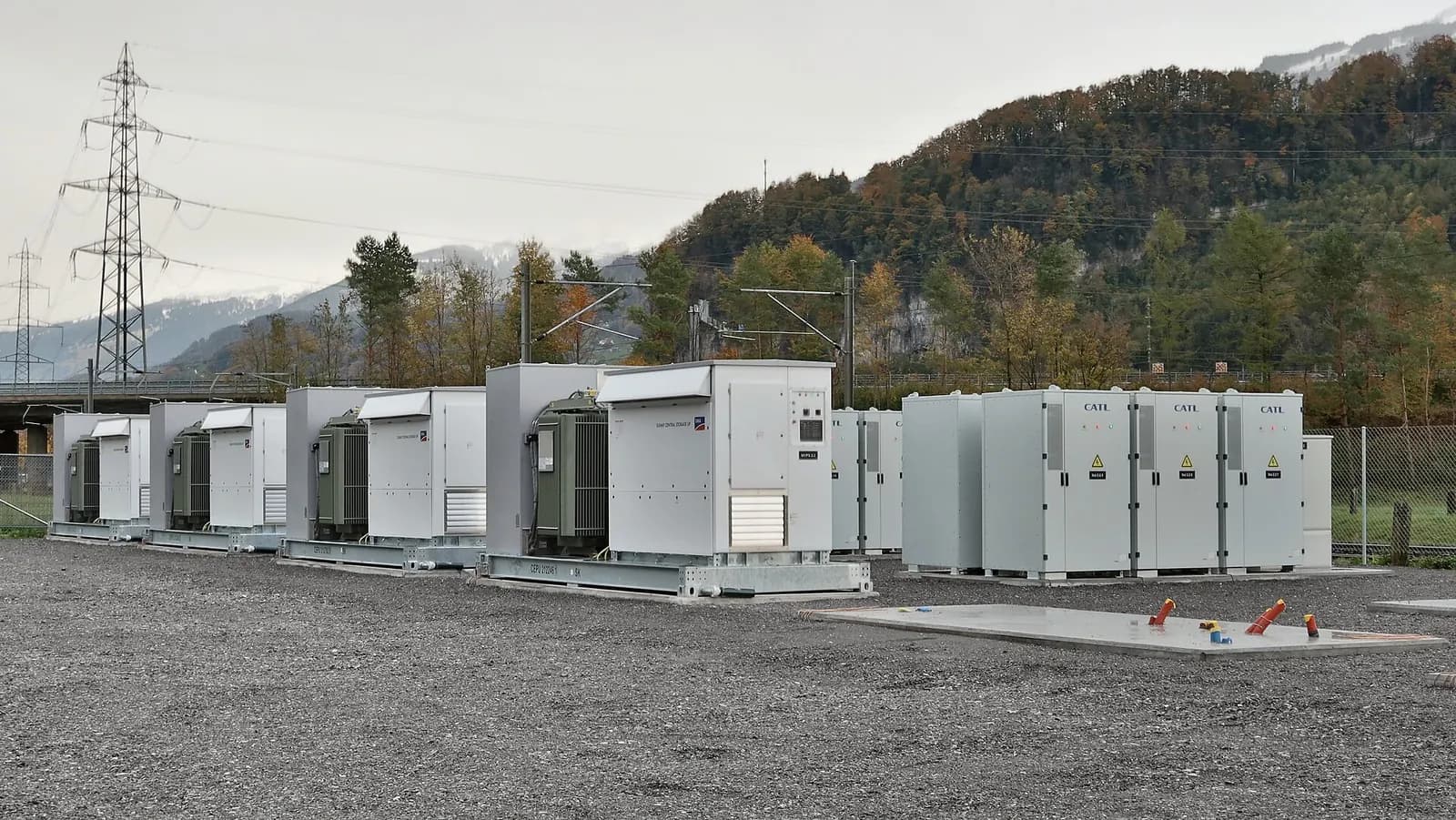
BESS controls and SCADA in India cover three layers: the battery management system that protects the cells, the power conversion system that moves energy to and from the grid, and the energy management system and plant SCADA that decide what the site does every second and report it to the utility. Most commissioning delays on storage sites come from the interfaces between those layers, not from the batteries.
The build-out is accelerating. In March 2026 the Ministry of Power told the Rajya Sabha that 798 MWh of battery storage was operating in India and 35.8 GWh was under construction. The CEA's status dashboard listed, as on 31 May 2026, 18 projects of 1 MWh or more in operation totalling 7,499 MWh and 42 under construction totalling 41,539 MWh. The two counts differ in scope and date, but the direction is the same: a large wave of sites that each need a control system designed, tested and commissioned.
Who does what in a BESS control system
| Layer | Main job | Typical owner |
|---|---|---|
| BMS | Cell voltages, temperatures, state of charge, protection | Battery supplier |
| PCS | Inverter control, active and reactive power | Inverter supplier |
| EMS / power plant controller | Dispatch, schedules, grid services, limits | Integrator or EMS vendor |
| Plant SCADA | Monitoring, alarms, reports, remote control | Integrator |
| Auxiliaries | HVAC, fire detection and suppression, access | Balance-of-plant contractor |
The EMS and SCADA integrator is the one party that sees all of it. That is why the integrator should own the interface list: every signal between BMS, PCS, EMS, SCADA, fire system and the utility, with protocol, address, scaling, update rate and who tests it.
Why the policy matters to the control design
India's Viability Gap Funding schemes shaped the first wave. The Cabinet approved the first VGF scheme in September 2023 for 4,000 MWh of BESS by 2030-31, with support of up to 40% of capital cost. The Ministry of Power later reported a second scheme in June 2025 for 30 GWh, and said storage tariffs fell from about ₹10.18 per kWh in 2022-23 to about ₹2.1 per kWh without VGF. Lower tariffs mean thinner margins, so availability and accurate dispatch matter more. Every hour a site is offline for a control fault costs revenue the business case cannot spare.
BESS: Why is battery storage key to India's renewable energy ambitions? | Business Matters
The Hindu
This video is hosted on YouTube. Playing it loads content from Google, which may set cookies.
Watch on YouTubeWhat the EMS must handle
- Schedules and dispatch. Day-ahead and real-time charge and discharge instructions from the offtaker or DISCOM.
- Limits. State-of-charge windows, temperature derating, PCS ratings and grid connection limits.
- Grid support. Frequency response and reactive power control where the connection agreement requires them.
- Co-located solar. Charging from the solar plant, export caps, and priority rules between the two.
- Metering and settlement data. Accurate, time-stamped energy data the offtaker will accept.
Safety and standards
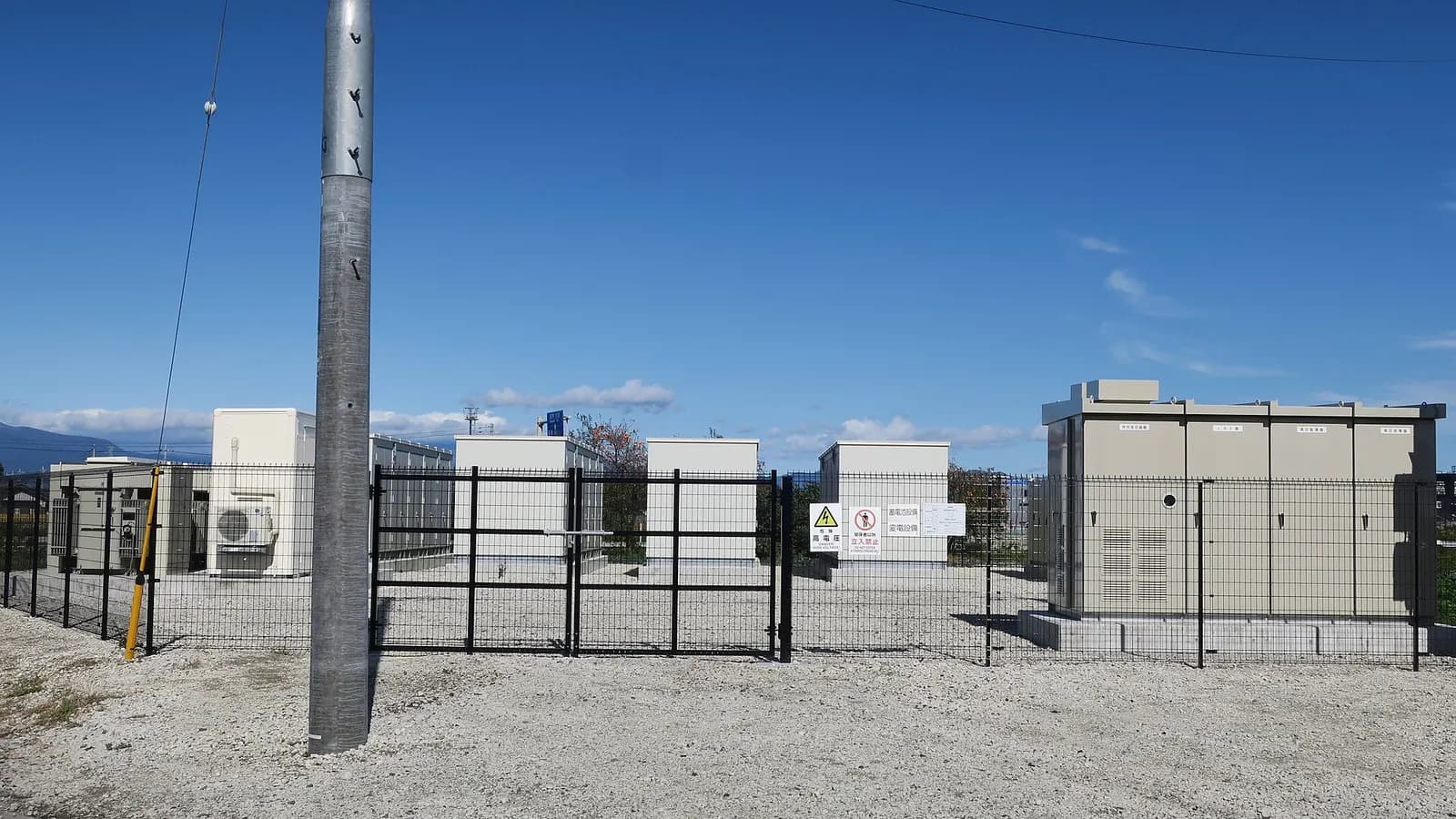
Battery safety sits mostly with the BMS and fire system, but the control system must react correctly to their alarms: tripping PCS units, isolating strings and informing the operator. The IEC 62933-5-2 standard sets safety requirements for grid-integrated electrochemical storage systems across their lifecycle. A Ministry of Power update from March 2026 noted that the CEA issued draft BESS safety and construction regulations in 2025. Build alarm handling and trip logic to the strictest of the standard, the supplier manuals and the connection agreement, and test every path.
Communications and cybersecurity
A 100 MWh site can have several hundred devices on its networks: rack BMS units, PCS controllers, meters, protection relays, HVAC controllers, fire panels and the RTU or gateway to the utility. Agree protocols early. Modbus TCP is common between BMS and EMS, IEC 61850 often appears at the substation, and the utility interface may use IEC 60870-5-104 or another protocol the DISCOM specifies. Polling rates matter: an EMS that reads state of charge every few seconds but needs to respond to frequency changes faster will behave badly.
Storage sites are remotely operated, which makes them attractive targets. Separate the battery, PCS and SCADA networks into zones, put a firewall between site and any remote access, use named accounts, and log every remote session. The ISA/IEC 62443 series gives a structured way to do this, and many offtakers now ask about it during due diligence.
Testing that shortens commissioning
Storage sites are ideal for simulation-based testing because most signals are digital and the behaviour is well defined. Build a simulator for the BMS and PCS interfaces and run the EMS and SCADA against it before site: schedules, ramp rates, state-of-charge limits, communication loss, fire alarm trips. When the hardware is energised, the logic is already proven and the team can focus on real-world issues like network timing and metering accuracy. Keep the simulator after handover: it becomes the safe place to test every later change to dispatch logic before it goes live.
Where Wartens fits
Wartens provides battery storage controls in every market we serve: SCADA, monitoring and controller logic for standalone and solar-plus-storage projects, engineered at our Bengaluru centre. In India we work with storage developers and EPC contractors, and our Wartens Energy team installs rooftop and commercial solar in North Kerala. See our energy systems services, the market picture on our India page, or contact our team with your single-line diagram and supplier list.