To size solar for a home in Kerala, take the units on your bi-monthly KSEB bill, divide by 60 to get daily use, then divide by about 4, the average daily generation of 1 kW of panels in Kerala. A home using 480 units every two months uses about 8 units a day and needs about a 2 kW system; 600 units points to about 3 kW; 1,000 units to about 5 kW. Then check your roof area, connection type and future plans before you fix the size.
The generation figure comes from KSEB itself. Its solar FAQ says a kW of panels generates about 4 units a day on average, and between 4 and 5.5 units on a clear sunny day. Monsoon months generate less and the dry months more, so the yearly average is the right number to plan with.
Step 1: read your KSEB bill correctly
Kerala bills most homes every two months. KSERC's tariff order of December 2024 confirms bi-monthly billing for consumers with connected load below 20 kW. That trips up many people who compare their bill with sizing tables written for monthly bills elsewhere in India. Collect your last six bills, a full year, and add the units. Divide by 365 for your true daily average. One summer bill alone will oversize the system; one monsoon bill will undersize it.
Step 2: convert units to kW
| Bi-monthly units | Daily use (approx.) | Suggested size | Expected daily generation |
|---|---|---|---|
| 240 | 4 units | 1 kW | About 4 units |
| 480 | 8 units | 2 kW | About 8 units |
| 720 | 12 units | 3 kW | About 12 units |
| 1,200 | 20 units | 5 kW | About 20 units |
The national guidance points the same way. A PIB explainer from March 2025 suggests 1 to 2 kW for homes using up to 150 units a month, 2 to 3 kW for 150 to 300 units, and above 3 kW beyond that. When the scheme was approved, PIB noted that a 3 kW system can generate more than 300 units a month.
PM Surya Ghar: Muft Bijli Yojana- Consumer- How to use Rooftop Calculator
mnreindia
This video is hosted on YouTube. Playing it loads content from Google, which may set cookies.
Watch on YouTubeStep 3: check the roof
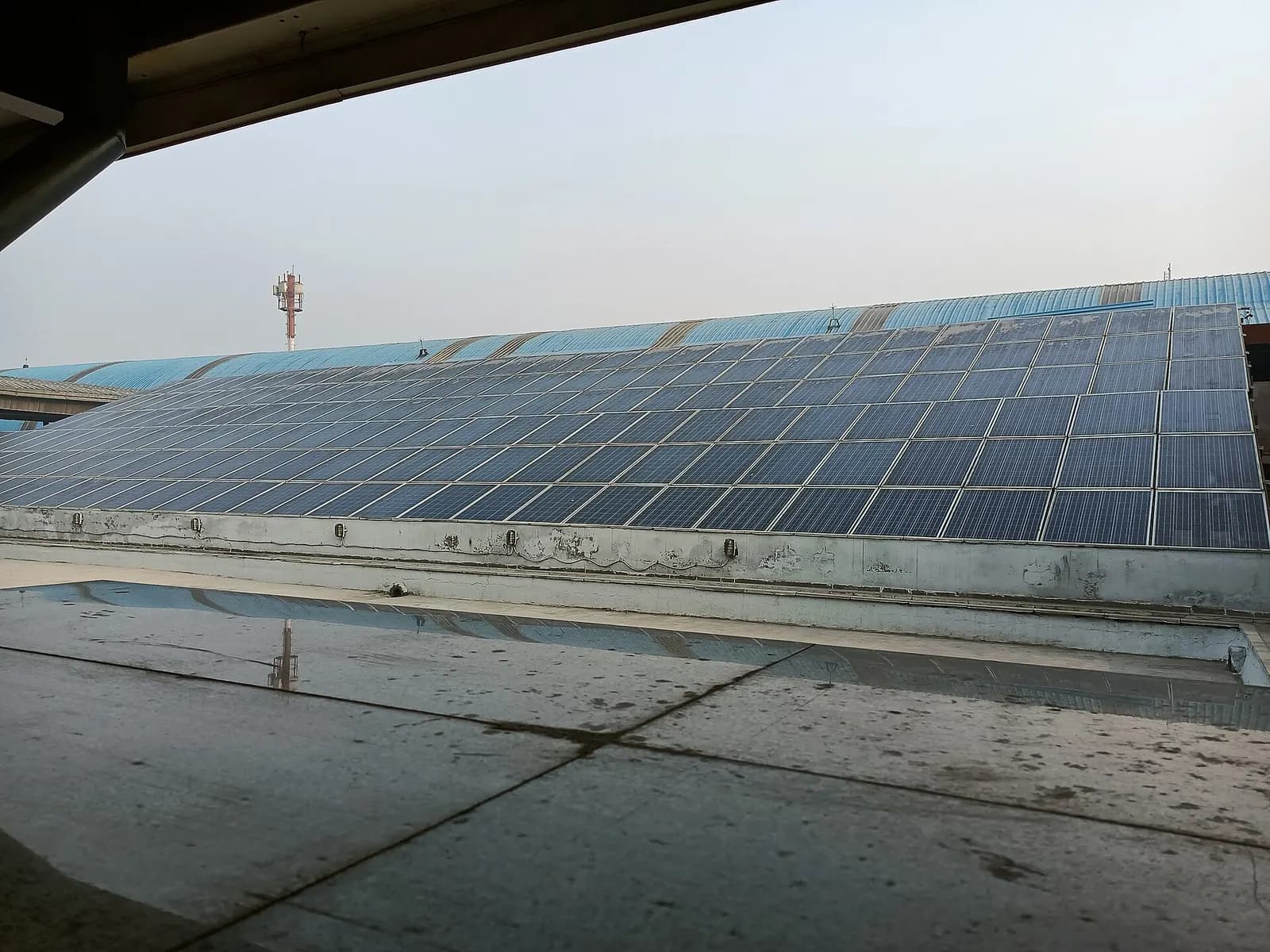
KSEB says each kW generally needs about 10 square metres of shade-free area, roughly 100 square feet. A 3 kW system therefore needs around 30 square metres. Kerala roofs bring their own questions:
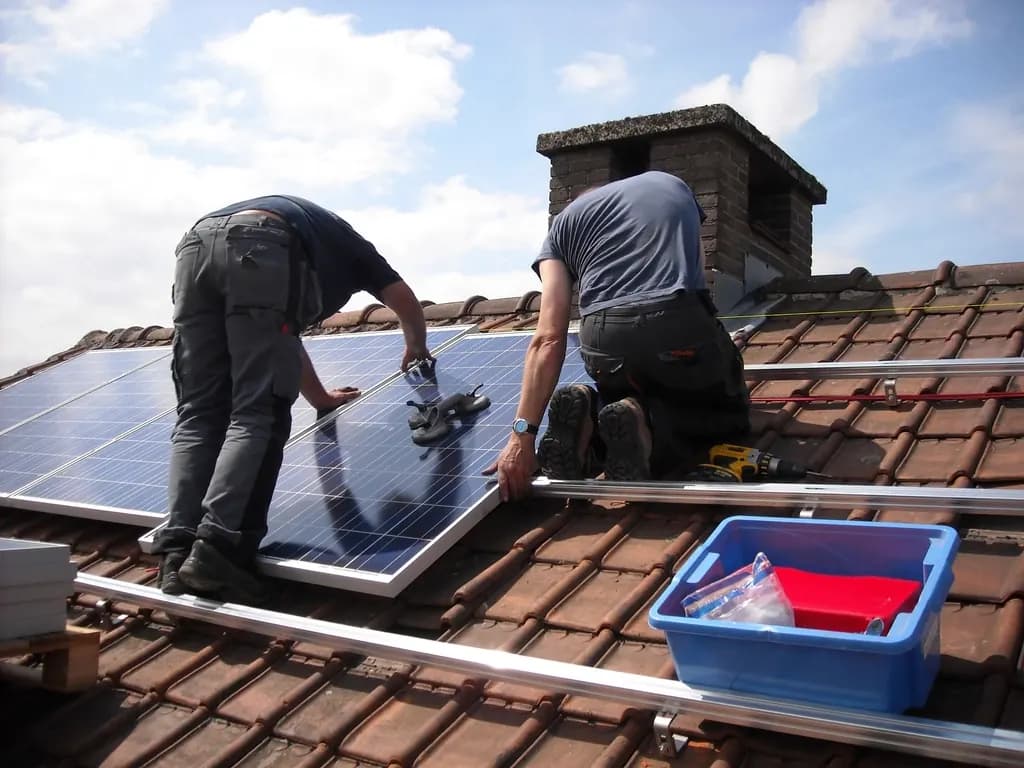
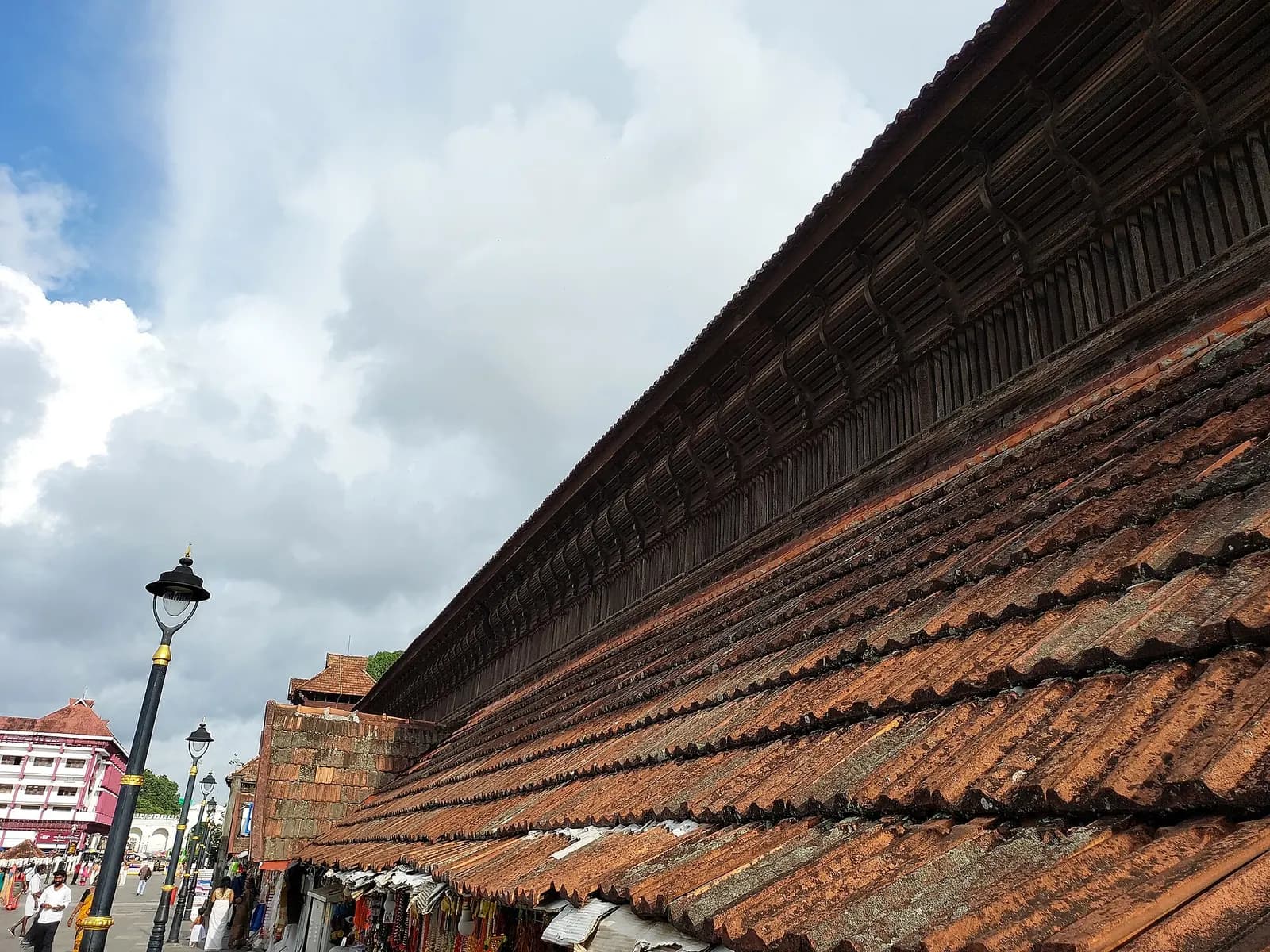
- Tiled sloping roofs. Panels go on a raised structure or rails fixed without cracking tiles. Ask how the installer will keep the roof watertight through the monsoon.
- Flat concrete terraces. The easiest case. A raised structure keeps the terrace usable underneath and lets water drain.
- Shade. Coconut palms, jackfruit and mango trees and neighbouring buildings cast long shadows morning and evening. A single shaded panel can drag down a whole string.
- Orientation. South-facing slopes give the most energy. East and west slopes still work, with a little less output.
Step 4: check your connection
Most smaller homes have a single-phase connection, and inverter size has to suit it. Kerala's 2025 renewable energy regulations, published by KSERC, set single-phase inverters up to 3 kW and three-phase above that, with 5 kW single-phase allowed until 31 March 2027 where three-phase supply is not available. Those regulations were challenged in the Kerala High Court in November 2025, as Onmanorama reported, so confirm the current rules with KSEB or your installer before deciding between a 3 kW and a 5 kW system.
Step 5: think five years ahead
- Planning an electric scooter or car? Add 1 to 2 units a day per two-wheeler and more for a car.
- Moving from LPG to induction cooking adds several units a day.
- An extra air conditioner in the bedroom can add 5 or more units a night in summer.
- Children leaving for college, or parents moving in, change consumption too.
If you expect higher use soon, size for it now. Adding panels later often means a new inverter and fresh approvals.
How the subsidy affects the choice
Under PM Surya Ghar, central assistance is ₹30,000 per kW for the first 2 kW and ₹18,000 for the third, capped at ₹78,000 from 3 kW upwards. That makes 3 kW the size where the subsidy is used in full. Above 3 kW you pay the full cost of each extra kW, which still makes sense when your consumption justifies it. Our guide to the PM Surya Ghar subsidy in Kerala covers the application in detail.
What about power cuts?
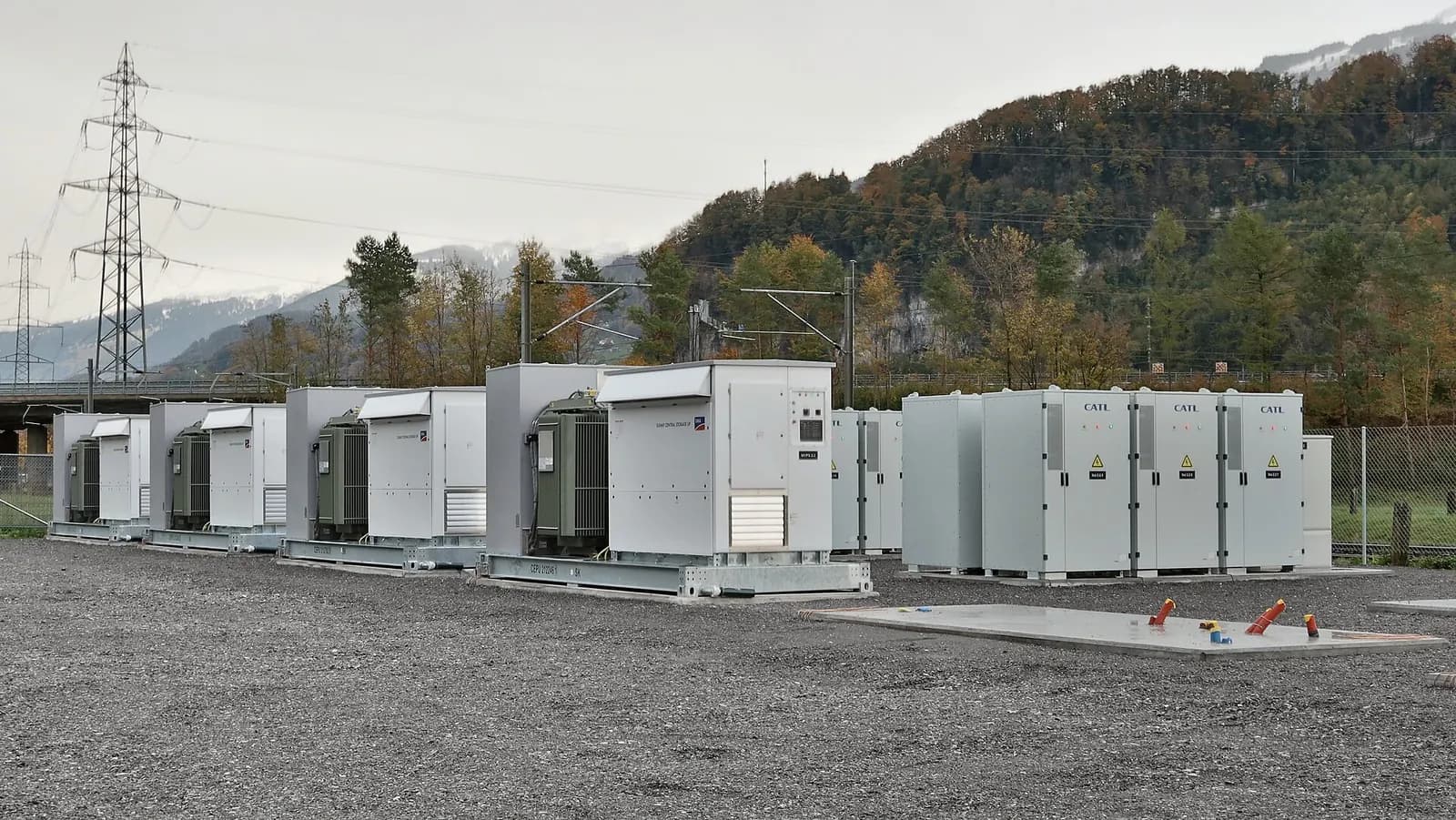
A standard on-grid system switches off when KSEB supply fails, for the safety of line workers, so it will not run your fans during a cut. If cuts matter to you, look at a hybrid system with a battery. Our comparison of on-grid and hybrid solar in Kerala explains the trade-offs.
Get it sized properly
Wartens Energy installs 2, 3 and 5 kW on-grid and hybrid systems for homes in Kannur, Kasaragod, Kozhikode and Wayanad, with our team based in Iritty, Kannur. We look at a year of bills, your roof and shade, and your connection before we recommend a size, and we handle the PM Surya Ghar paperwork. See our energy systems services, or send us your last six KSEB bills for a sizing check.