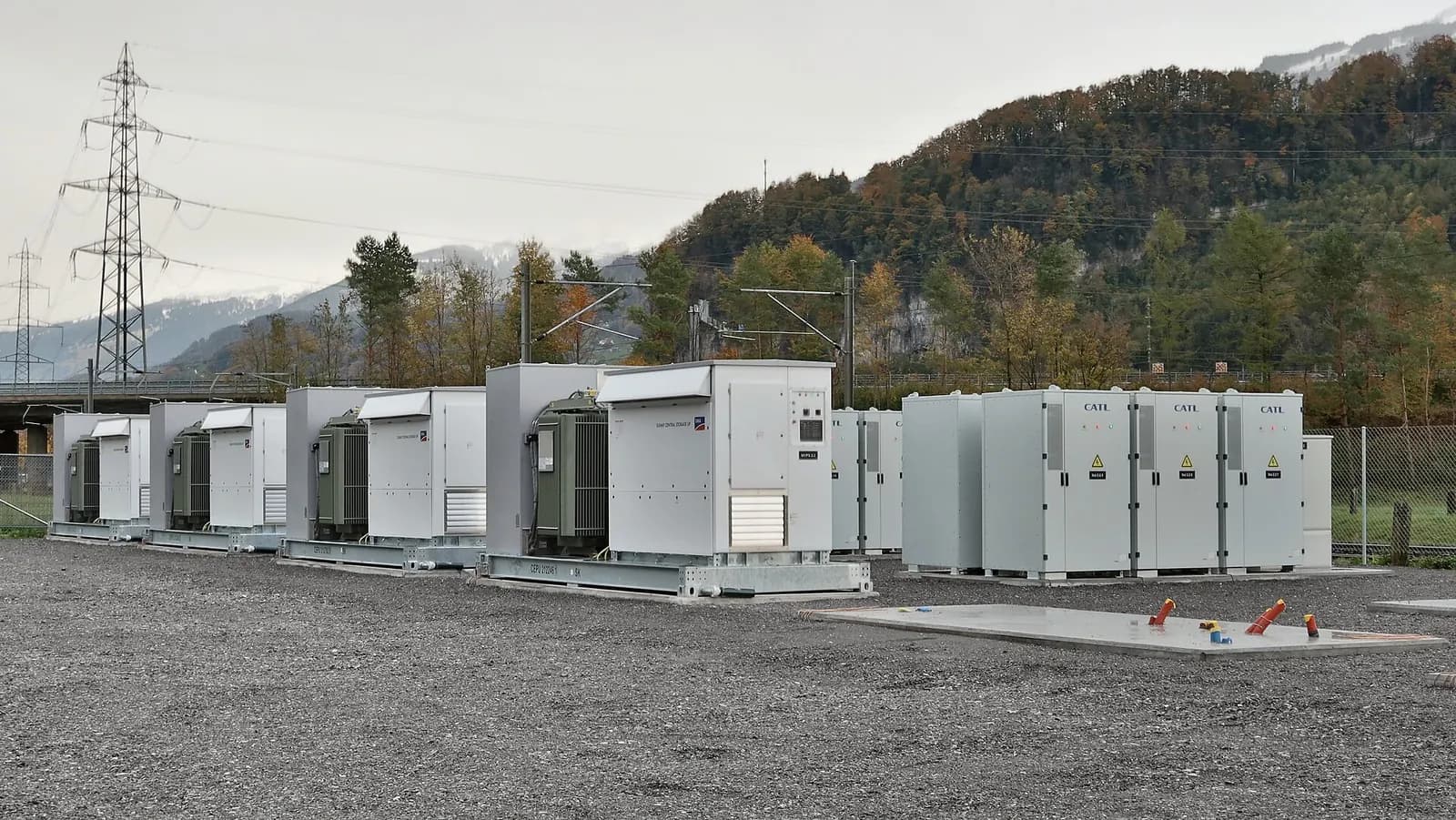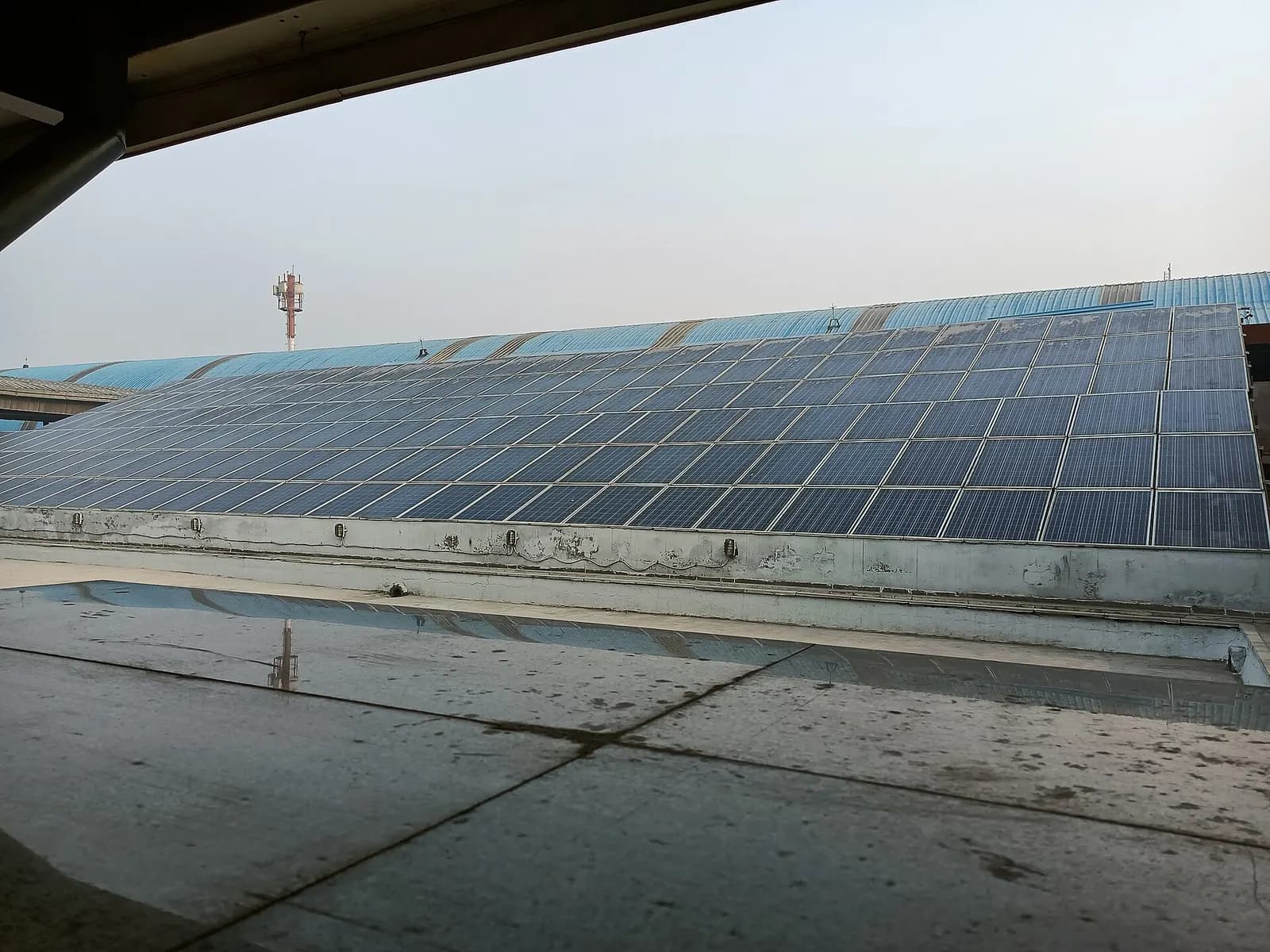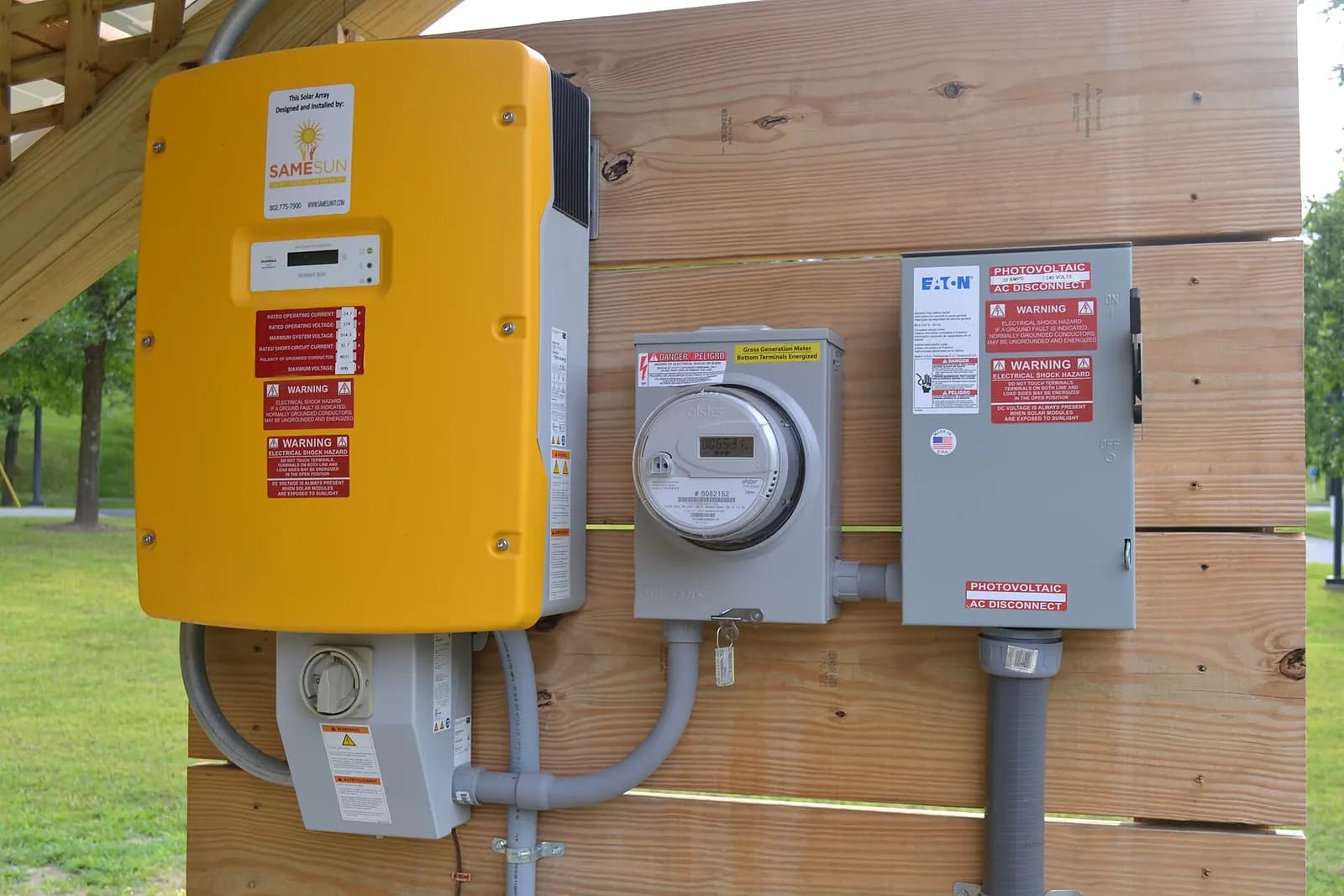
In the on-grid vs hybrid solar choice, an on-grid system feeds your home and exports surplus to KSEB through a net meter, but shuts down when grid power fails. A hybrid system does the same and adds a battery, so essential loads keep running during a cut. Choose on-grid if cuts are rare and short where you live and you want the lowest cost per unit. Choose hybrid if outages disrupt work, study or medical equipment at home.
Many Kerala homes, especially in rural parts of Kannur, Kasaragod and Wayanad, see power cuts during monsoon storms. That is the real question behind the choice: how much do cuts cost you, in comfort or in money?
Why an on-grid system goes off in a power cut
It surprises many homeowners that panels on the roof produce nothing during a daytime cut. This is deliberate. Grid-connected inverters must stop exporting when the grid fails, so they do not feed power into lines that KSEB staff believe are dead. India's CEA connectivity regulations for distributed generation require a generating resource to stop energising the network within two seconds of an unintended island forming. KSEB's solar FAQ says plainly that on-grid systems shut off during outages and need no batteries.
On-grid vs hybrid solar compared
| Factor | On-grid | Hybrid |
|---|---|---|
| Works during a power cut | No | Yes, for loads on the backup circuit |
| Battery | None | Yes, sized for backup hours |
| Upfront cost | Lower | Higher, mainly the battery |
| Maintenance | Panels and inverter | Adds battery monitoring and eventual replacement |
| Net metering | Yes | Yes, through the hybrid inverter |
| PM Surya Ghar subsidy | Eligible | Eligible if grid-connected and the regulator allows it |
On the subsidy, the MNRE guidelines for PM Surya Ghar say battery-hybrid systems are eligible where the state regulator has approved them, while purely off-grid systems are not. Confirm the current position for Kerala with your installer before you buy.
On-Grid vs Off-Grid vs Hybrid Solar Systems - Which is BEST for Your Home?
SolarSquare
This video is hosted on YouTube. Playing it loads content from Google, which may set cookies.
Watch on YouTubeHow to size the battery in a hybrid system
Do not try to back up the whole house. List what must run during a cut and for how long. A typical essential circuit in a Kerala home might be four fans, six LED lights, the Wi-Fi router, a laptop and the refrigerator. Add up their power, multiply by the hours of backup you want, and add a margin for battery losses and depth of discharge. Keep air conditioners, water heaters, induction cooktops and the water pump off the backup circuit unless you are ready for a much larger battery.
- List essential loads and their wattage.
- Decide backup hours: two to four hours covers most monsoon cuts.
- Multiply watts by hours to get watt-hours, then add a margin.
- Choose a battery capacity and an inverter rating that cover both energy and peak load.
- Wire essential loads to a separate backup distribution board.
Already have an on-grid system? Consider a battery retrofit
If you installed on-grid solar a few years ago and power cuts have become a nuisance, you do not need to start again. A battery retrofit adds storage and a suitable inverter to the existing panels. The work involves checking the existing inverter, choosing whether to replace it with a hybrid unit or add a separate battery inverter, rewiring essential loads to a backup board, and informing KSEB of the change where required. It also makes sense for homes with an old standalone inverter and lead-acid batteries that are due for replacement.
Think in cost per useful unit
A battery does not create energy. It moves daytime solar into the evening and keeps essentials running in a cut, and it adds cost that has to be weighed against that convenience. With net metering, an on-grid system already lets you export daytime surplus and draw it back at night, so the battery's value lies mainly in backup. If your area sees only a handful of short cuts a year, an on-grid system plus a small standalone UPS for the router and lights may be the cheaper answer. If cuts are frequent and long, the hybrid earns its keep.
Rules are changing: check before you buy
Kerala's electricity regulator issued new renewable energy regulations in November 2025 which, among other changes, require hybrid inverters with a minimum share of battery storage for larger domestic systems above 10 kW. The regulations were challenged in the Kerala High Court, as Onmanorama reported. For typical 2 to 5 kW homes the on-grid vs hybrid decision is still yours, but ask your installer for the current position before you sign.
Safety and quality points for both
- Inverters should meet the safety and anti-islanding standards listed in the MNRE guidelines, such as IS 16221 and IS 16169.
- Use proper DC isolators, surge protection and earthing on every system.
- Batteries need ventilation, protection from heat and a battery management system.
- Keep the inverter where it is shaded and easy to see, so you notice fault lights.
Talk to Wartens Energy
Wartens Energy installs on-grid and hybrid systems in 2, 3 and 5 kW for homes in Kannur, Kasaragod, Kozhikode and Wayanad, and retrofits batteries to existing systems. Our installation team is based in Iritty, Kannur. Read our guide to sizing solar for a Kerala home, see energy systems services, or contact us for a site survey.