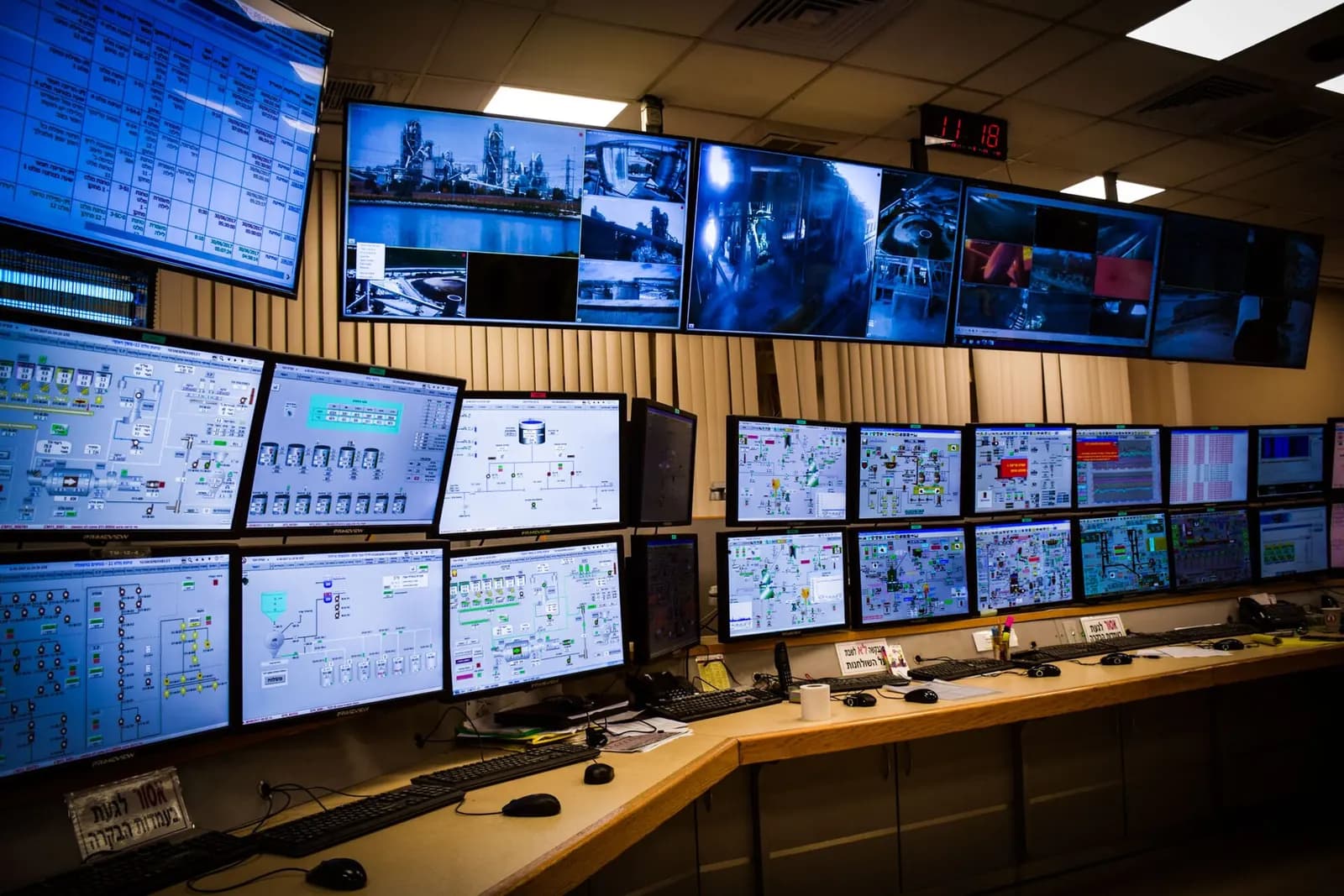
Good PLC training in the UAE starts from the systems you actually work on. If your plant runs Siemens S7-1500 and WinCC, learn TIA Portal and WinCC first. If it runs Allen-Bradley ControlLogix, learn Studio 5000. Look for courses that are mostly hands-on, use real controllers or realistic simulators, and include fault finding rather than only writing new programs.
This guide is for engineers and technicians who want to build their skills, and for employers planning to upskill a maintenance or controls team after an upgrade.
Which platform should you learn?
| Platform | Software | Where you meet it in the UAE |
|---|---|---|
| Siemens S7-1200 and S7-1500 | TIA Portal | Food, water, building services, many European-built machines |
| Allen-Bradley ControlLogix and CompactLogix | Studio 5000 | Oil and gas packages, US-built skids and machines |
| Siemens WinCC | WinCC in TIA Portal | Plant HMI and SCADA on Siemens sites |
| Other SCADA platforms | Vendor tools | Utilities, multi-site monitoring |
Siemens TIA Portal and Rockwell's Studio 5000 cover a large share of the controllers installed in the region. The languages behind both are defined by IEC 61131-3, so the logic skills transfer even when the software screens differ.
What a good PLC course in the UAE covers
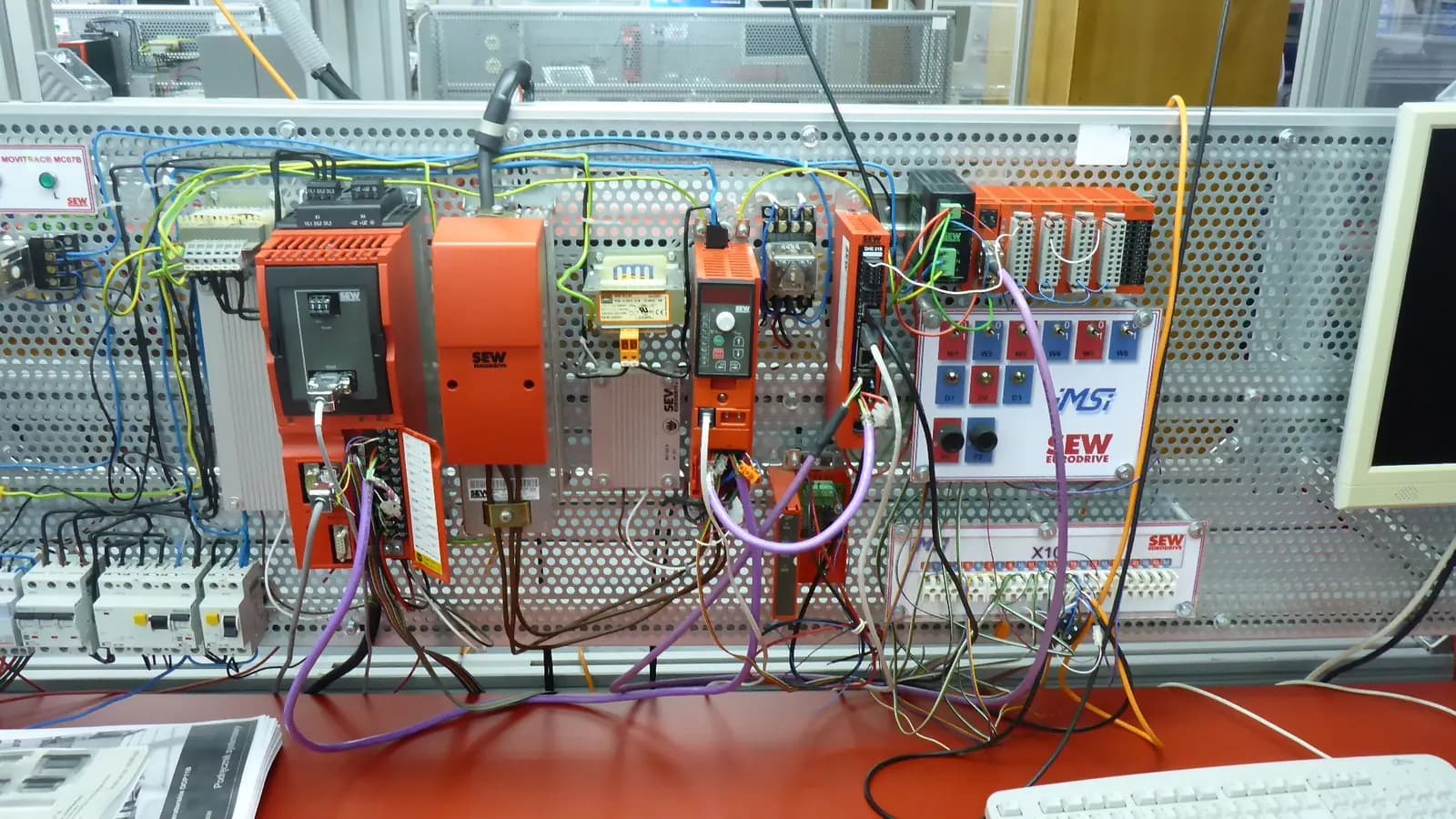
- Hardware: CPUs, I/O modules, addressing, power and wiring practice.
- Programming: ladder, function blocks and structured text, with timers, counters and analogue scaling.
- HMI and SCADA: screens, alarms, trends and users.
- Communication: PROFINET or EtherNet/IP basics, plus OPC UA for data.
- Fault finding: reading an unfamiliar program, forcing and monitoring safely, diagnosing I/O faults.
- Good practice: comments, structure, backups and change records.
Classroom, live online or self-paced?
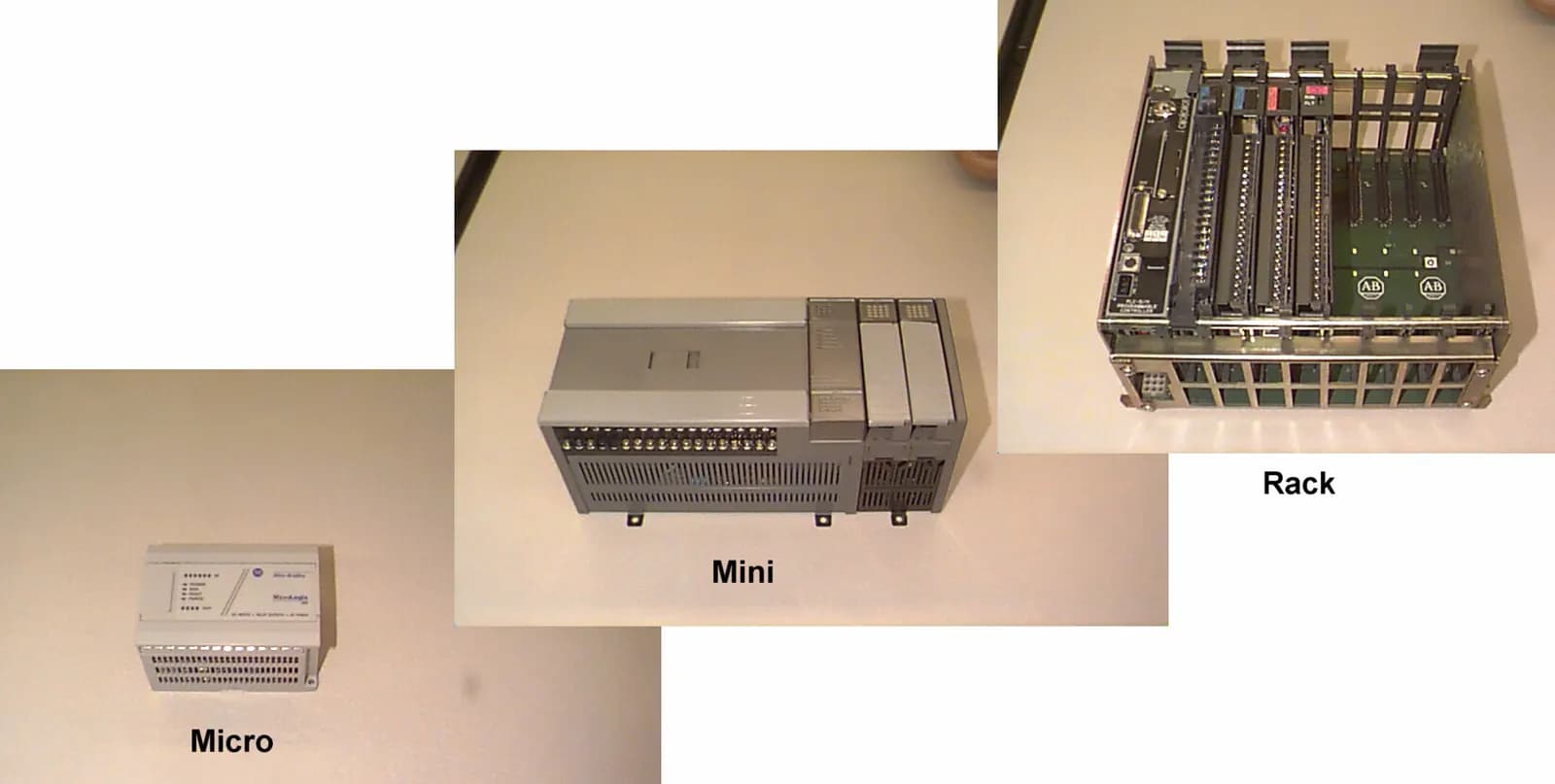
Classroom training with real controllers is best for beginners and for wiring skills. Live online works well for engineers who already know the basics and need a new platform, as long as there is a simulator or remote lab to practise on. Self-paced video suits revision and for filling specific gaps. Most people need a mix. Whichever format you choose, make sure there is time to practise between sessions, because PLC skills fade quickly without use.
edWartens, the training arm of Wartens, runs PLC, SCADA and robotics courses for the Gulf from Mohamed Bin Zayed City in Abu Dhabi. Its Professional Module is a five-day programme on Siemens PLCs, HMIs and WinCC SCADA, offered on site and live online, and the platforms listed include TIA Portal, Studio 5000 and IEC 61131-3 practice, with Factory I/O simulation alongside real PLCs (edWartens UAE). Self-paced learning is also available on traininginPLC.com.
What Is Ladder Logic in PLC Programming?
RealPars
This video is hosted on YouTube. Playing it loads content from Google, which may set cookies.
Watch on YouTubeA sensible learning path
- Foundations: electrical safety, sensors and actuators, reading wiring diagrams.
- First platform: one PLC family in depth, with ladder and function blocks.
- HMI and SCADA: building screens, alarms and trends for the same platform.
- Networks and data: industrial Ethernet, OPC UA and getting data to a dashboard.
- Second platform and specialisms: a second PLC family, drives, safety systems or process control.
Each step should end with a practical task on real or simulated equipment. Skipping the foundations to reach the software faster is the most common mistake we see; engineers who cannot read a wiring diagram struggle to fault-find, however well they program.
For engineers new to UAE sites
Engineers arriving from other countries usually find the controllers familiar but the site practices different. Expect strict permit-to-work systems on oil, gas and utility sites, documentation to client and consultant standards, and controllers from several countries on the same plant. A course that covers more than one platform, and fault finding on code written by someone else, prepares you better than one that only teaches writing new programs from scratch.
For employers: planning team upskilling
- List your controllers and software versions across the site, including vendor packages.
- Rate each technician on reading, modifying and fault finding for each platform.
- Train to the gap, starting with the platform that causes most call-outs.
- Tie training to projects. An upgrade is the best moment to train, on the new system, before handover.
- Check the result with a practical fault-finding test, not a written quiz.
Training also supports wider goals. Under the In-Country Value programme, plants that build technical skills among UAE nationals strengthen the Emiratisation part of their score, as we explain in our ICV guide.
Keeping skills current
PLC software changes version every year or two, and plants rarely upgrade all their projects at once. Technicians need to open older projects in the right version, keep backups organised and know how to compare an online program with the saved copy. Build these habits into refresher training. They prevent more downtime than any advanced programming trick, and they are often what separates a confident technician from one who avoids touching the PLC.
Where VR fits
VR adds full-size virtual machines to practise on, which is useful once the basics are in place. edWartens lists immersive VR training using Meta headsets as a separate offering. Our VR PLC training lab article explains how it works.
See our engineering training service for course formats, or contact us to plan training for a team. Engineers can also browse courses directly on the edWartens UAE site.