PLC and SCADA modernisation in the UAE usually means replacing controllers and operator software that are out of support, hard to source or unable to share data, while keeping the process logic that already works. The safe way to do it is to convert and improve the code off site, test it against a simulated machine, and cut over during a planned shutdown that is measured in days, not weeks.
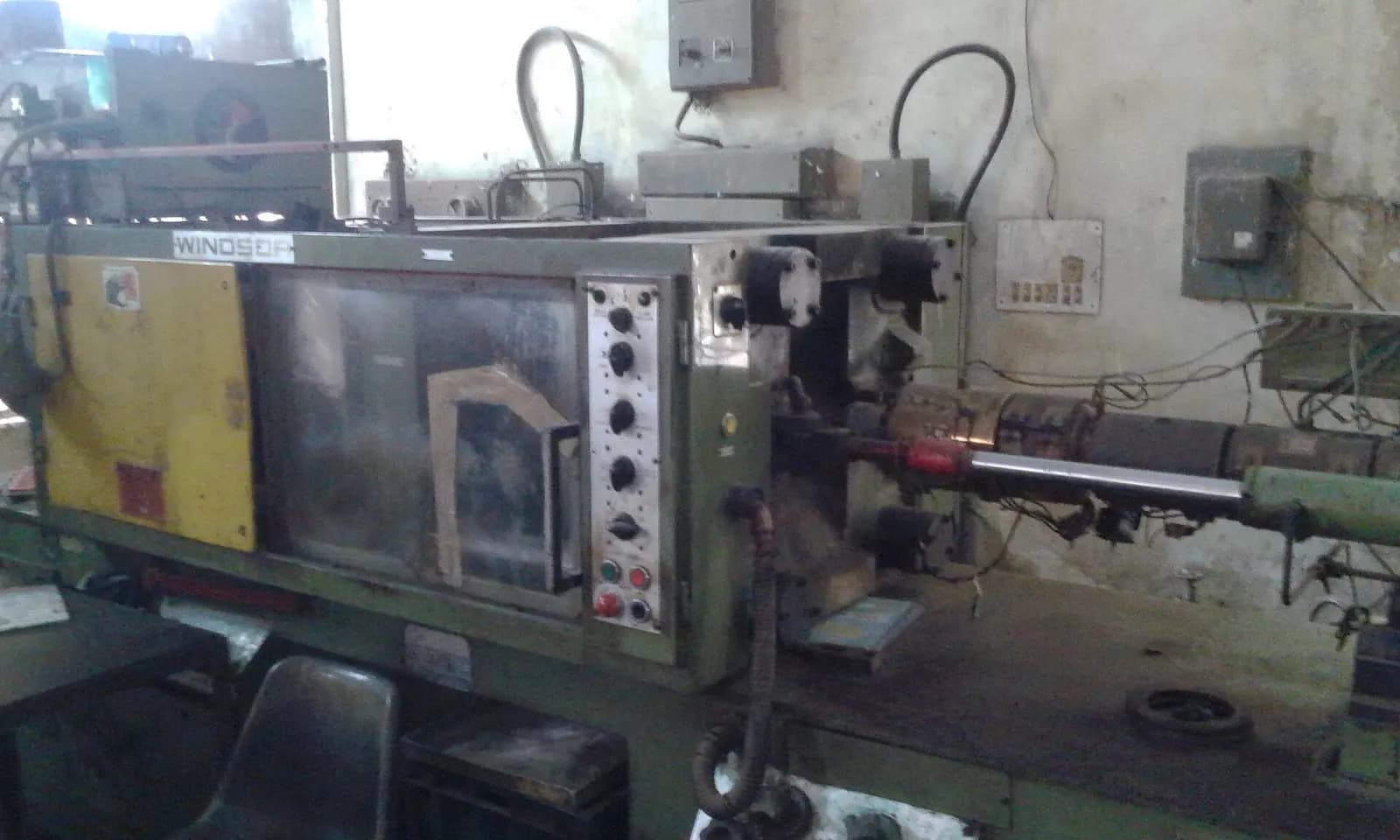
Many plants in the Emirates were built or expanded between the late 1990s and the early 2010s. Their controls were good choices then. Today the spare parts are scarce, the programming laptops run old operating systems and the people who wrote the code have moved on. This guide sets out when to act and how a migration runs.
Signs it is time to modernise
- The controller family has been announced as phased out or discontinued by the manufacturer.
- Spare CPUs or I/O cards come only from the second-hand market.
- The only programming software runs on one old laptop that nobody dares update.
- SCADA runs on an unsupported Windows version, isolated because it cannot be patched.
- Production wants data, such as OEE or energy per batch, and the controls cannot provide it.
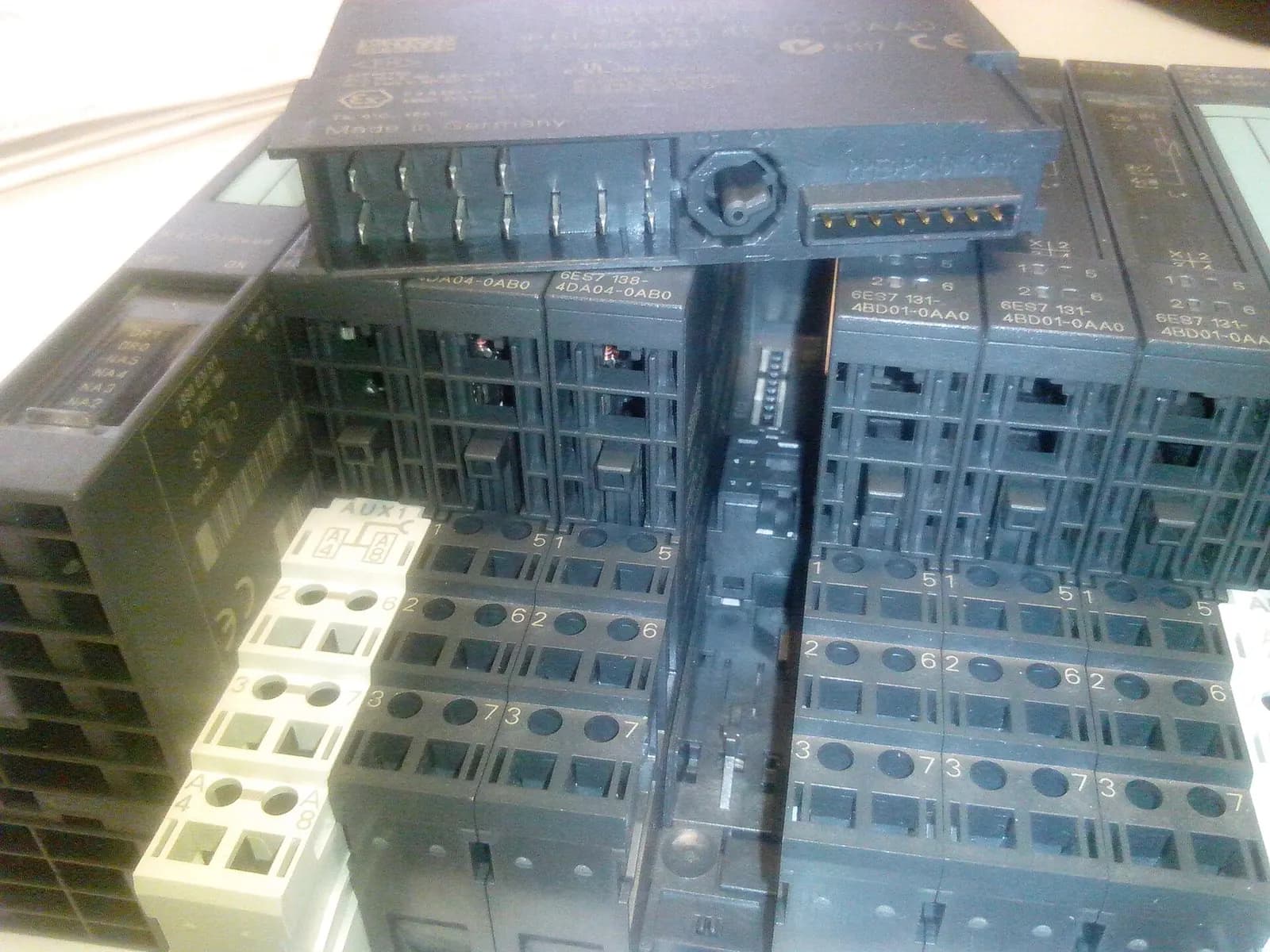
One widely installed example: Siemens set the SIMATIC S7-300 to phase-out status from 1 October 2025 and recommends migration to the S7-1500 or S7-1200 (European Automation). Phase-out does not mean the plant stops tomorrow, but it does mean the clock is running on spares and support.
How PLC and SCADA modernisation in the UAE runs, step by step
- Audit. Back up every PLC and HMI, export the SCADA project, photograph the panels and record the I/O list. Confirm the backups actually match what is running.
- Decide the target platform. For Siemens sites that is usually the S7-1500 in TIA Portal. Rockwell sites often move to ControlLogix in Studio 5000.
- Convert and clean the code. Tool-assisted conversion gets the logic across; engineers then tidy it into structured blocks, add comments and remove dead code.
- Test in simulation. The new program runs against a simulated machine or plant model, so sequences, interlocks and alarms are proven before anyone touches the panel.
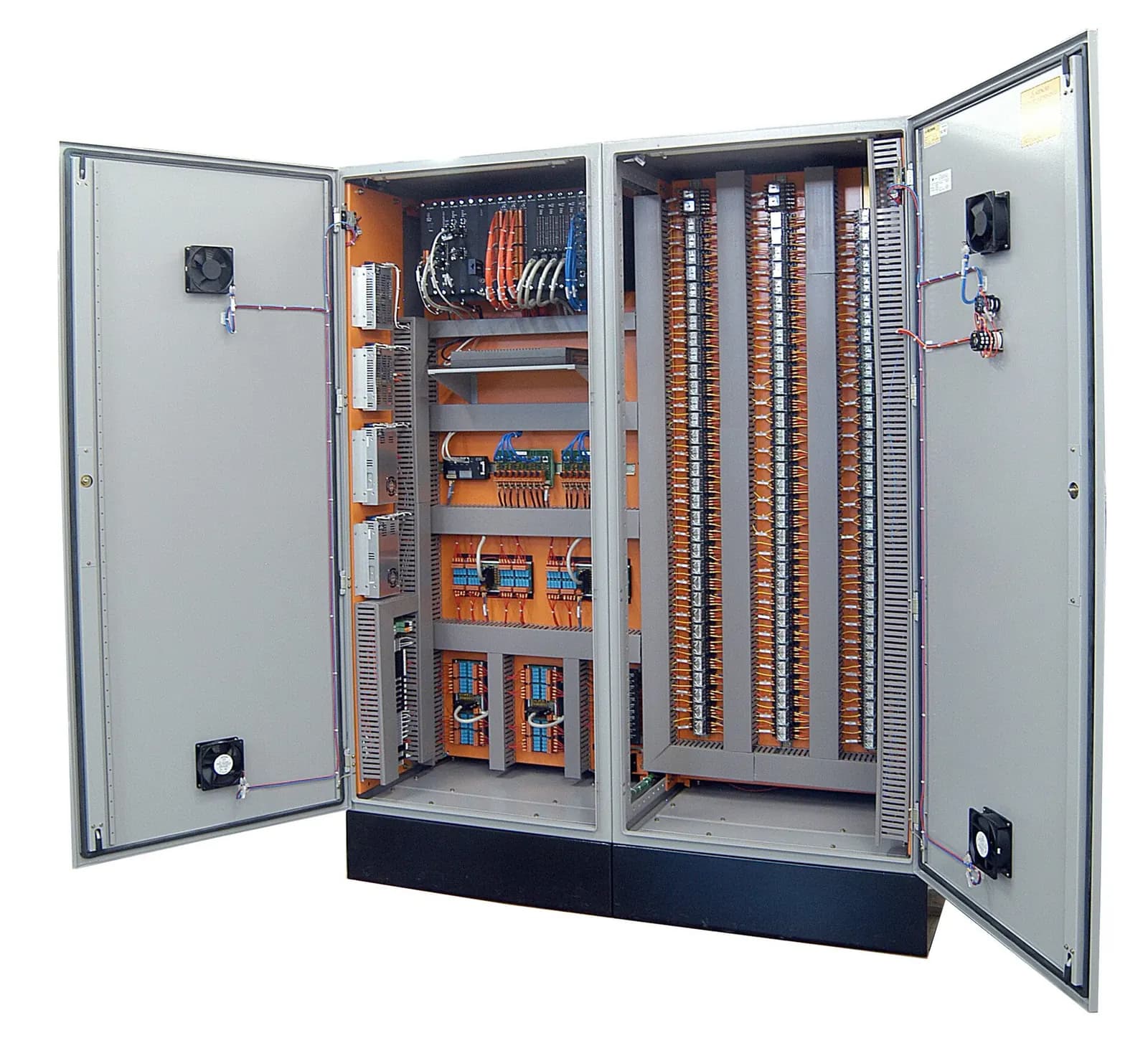
- Plan the cutover. Re-use field wiring where possible with adapter cables or terminal conversion kits, so the shutdown is mostly swapping hardware.
- Commission and hand over. Test I/O loop by loop, run the line, compare against the old behaviour, then hand over updated drawings, backups and training.
What drives the effort
The size of a migration is set less by the number of PLCs than by the state of what you have. These factors move the effort most:
- Whether the backups match the running code. If not, an upload and comparison comes first.
- How much logic is uncommented or written in older instruction styles that convert poorly.
- The number of networked devices, drives and remote I/O stations that must be re-addressed.
- Communication with third-party packages, such as burners, weighers or vendor skids.
- How long the plant can stop, which decides whether you migrate in one go or area by area.
SCADA: upgrade, replace or both?
SCADA is often the bigger decision. Upgrading within the same product line keeps operators on familiar screens. Moving to a different platform can cut licence costs or add web-based clients, but it means redrawing every screen and retraining every shift. Whichever you choose, use the migration to fix the alarm list. Most old systems carry hundreds of nuisance alarms that operators have learned to ignore.
| Option | When it fits | Watch out for |
|---|---|---|
| Like-for-like upgrade | Process is stable, operators are happy with screens | Carrying over poor alarm design |
| New SCADA platform | Need web access, new reporting, lower licensing | Screen redraw effort, operator retraining |
| Phased: PLC now, SCADA later | Budget is split over two years | Interim communication between old and new |
SIMATIC migration af S7-300 til S7-1500 inklusiv ET200
Siemens Knowledge Hub
This video is hosted on YouTube. Playing it loads content from Google, which may set cookies.
Watch on YouTubeStandards and good practice
Write the new code to IEC 61131-3, the international standard for PLC programming languages, which reached its fourth edition in 2025. In practice that means structured text or function block diagram for calculations, ladder where maintenance teams expect it, and consistent naming. A plant standard for blocks and tag names pays back every time someone new has to fault-find at 3 a.m.
Take the chance to open the data path too. A modern PLC can publish production and energy data over OPC UA, which is the starting point for predictive maintenance and, later, a digital twin.
How Wartens delivers migrations in the UAE
Our engineers in the India centre convert, restructure and test the code, then you review it remotely before any site work. In the UAE, commissioning is carried out by your own team or a local partner, with our engineers joining remotely to support the cutover. You deal with our office in Mohamed Bin Zayed City, Abu Dhabi, throughout.
If you have a controller that worries you, send us the backup and the I/O list. We will tell you what the migration involves and give you a fixed scope. See our Industry 4.0 upgrade service, our UAE market page, or contact us.