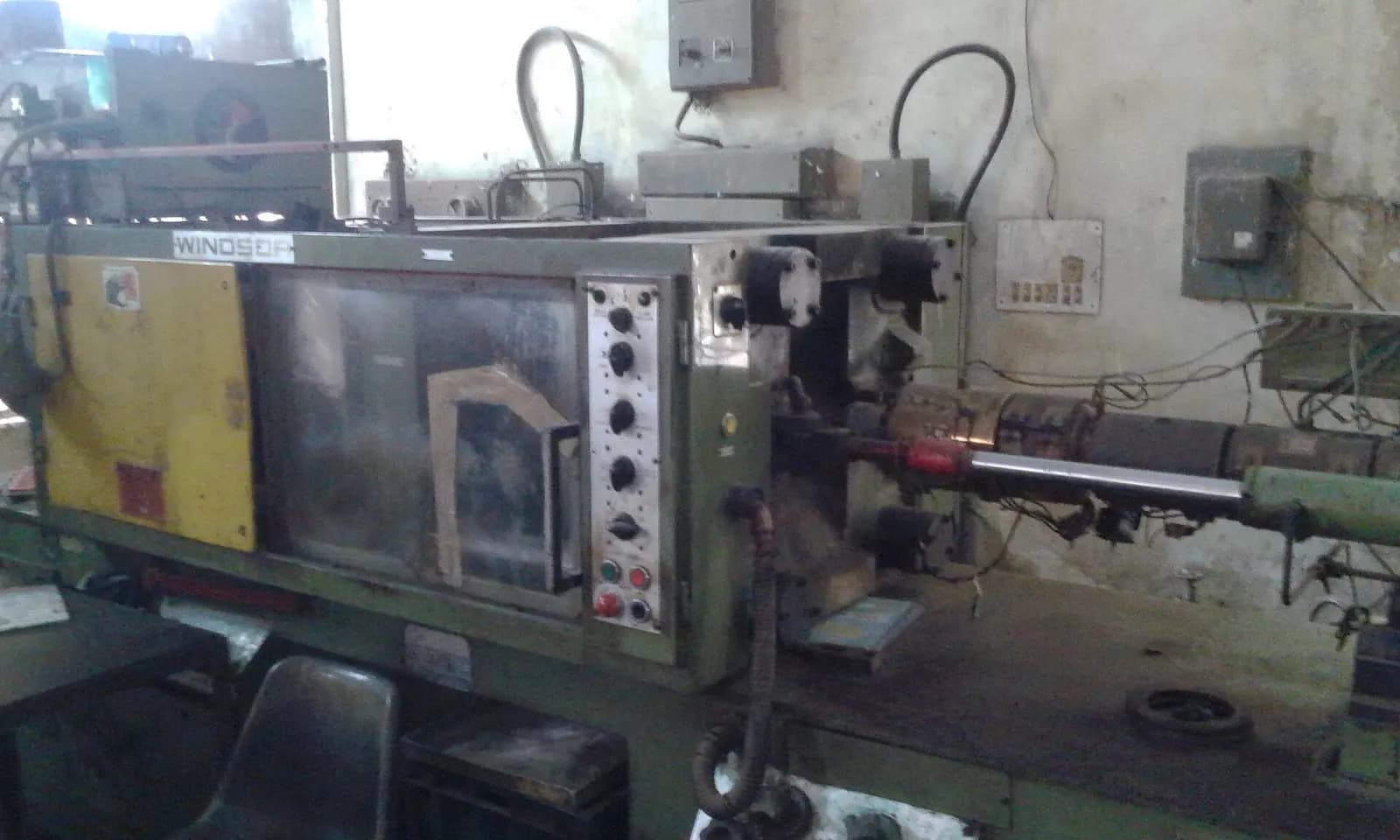
An IIoT retrofit for legacy machines adds data collection to equipment that was never designed to share it, using an edge gateway that reads the existing controller, a few add-on sensors where the controller knows nothing, and an open protocol such as MQTT or OPC UA to send the data to a dashboard. Done properly it costs a fraction of a new machine and gives you the stop reasons, cycle times and energy figures that every improvement project needs.
This is the first step we recommend to most UAE plants, because it shows where the losses really are before any money is spent on new equipment or bigger upgrades.
What data to collect first
| Data point | What it tells you | Usual source |
|---|---|---|
| Machine state (running, idle, fault) | Availability and stop pattern | PLC bits or a stack-light tap |
| Cycle count and cycle time | Speed losses | PLC counter or a proximity sensor |
| Fault and alarm codes | Why the machine stopped | PLC alarm words |
| Good and reject counts | Quality losses | PLC or inspection system |
| Energy (kWh) | Energy per part or per tonne | Power meter on the incomer |
| Vibration and temperature | Condition of critical components | Add-on sensors |
Those six points give you OEE, which is the single most useful number for a line manager, plus the basis for predictive maintenance. Resist the urge to collect everything. Fifty well-chosen tags beat five thousand that nobody understands.
IIoT retrofit for legacy machines: three ways in
1. Read the existing controller
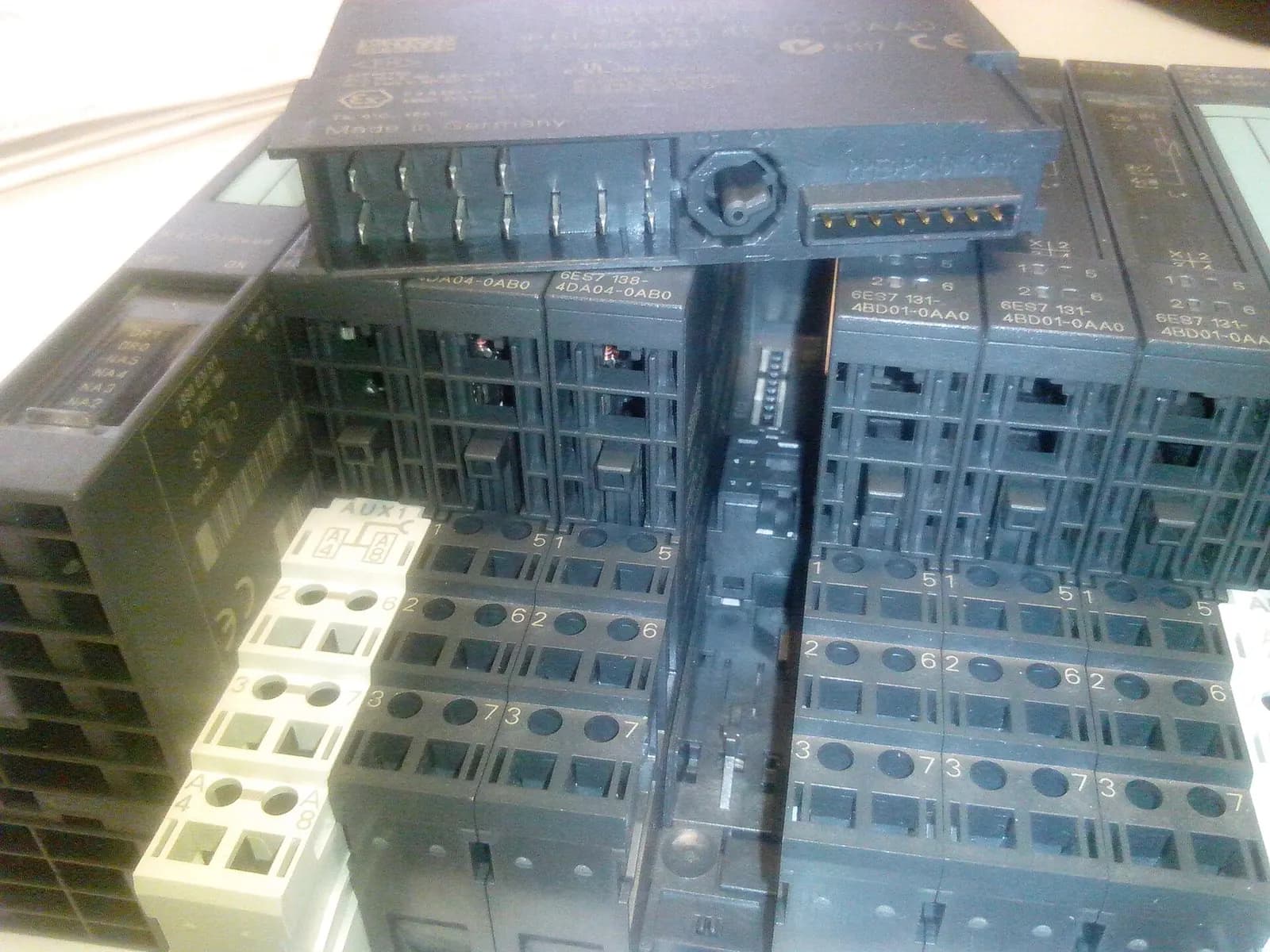
If the machine has a PLC with a serial or Ethernet port, a gateway can usually read it directly. Older Siemens, Allen-Bradley, Mitsubishi and Omron controllers each have their own protocols, and many industrial gateways support them. Modbus, published openly by the Modbus Organization, is common on drives, meters and smaller controllers. Always read only. A retrofit must never be able to change a setpoint.
2. Tap the signals
If the controller is closed or too old to talk, take signals from the panel: the stack light, the motor contactor, the cycle-complete relay. A small I/O module wired to these points gives machine state and counts without touching the logic.
3. Add sensors
For condition data, add vibration, temperature or current sensors. Wireless versions avoid cable runs and are quick to fit.
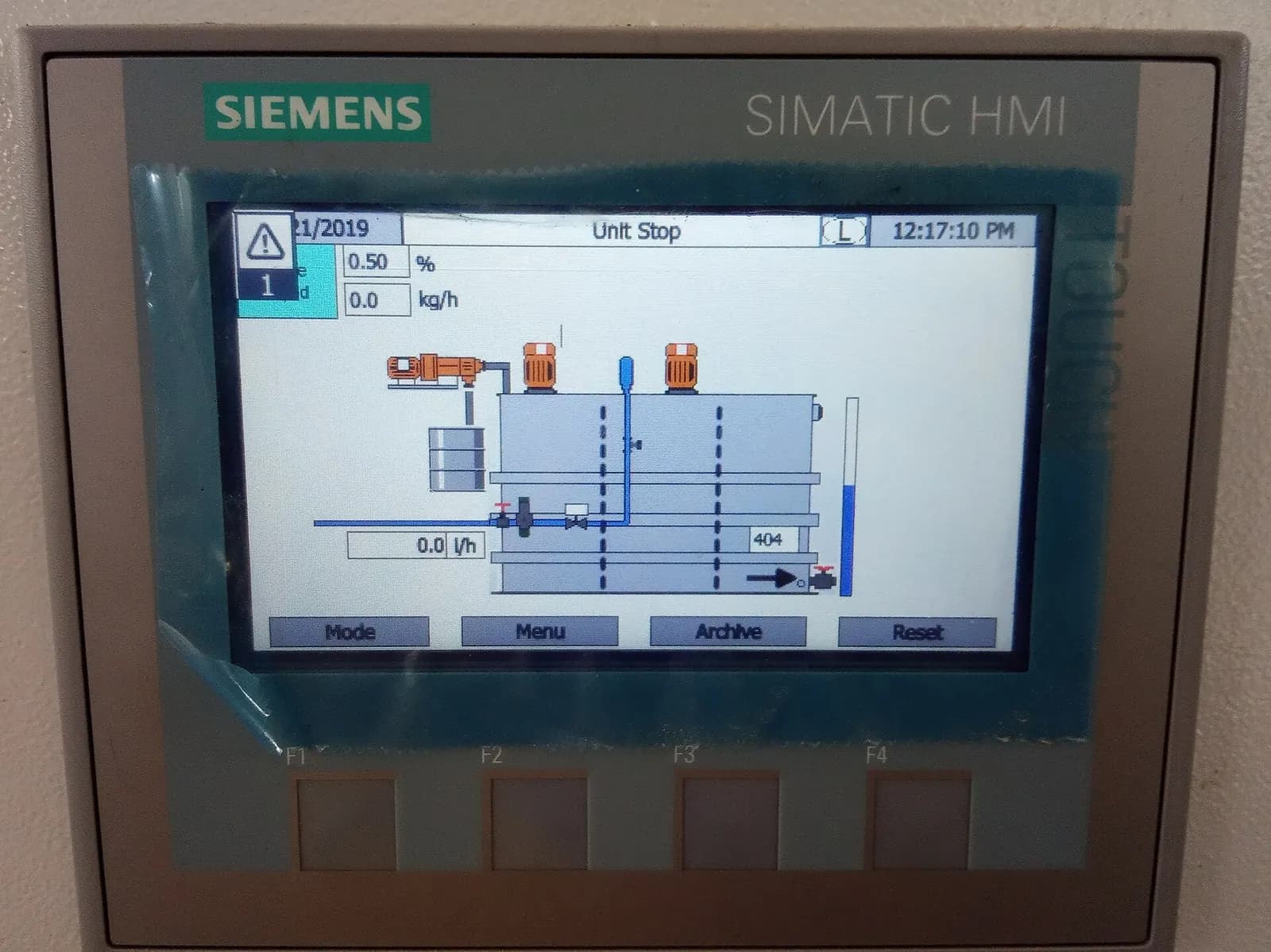
In practice most UAE plants use a mix of all three. A typical plastics or food line has one modern machine with an Ethernet PLC, two older machines read through their serial ports, and a compressor or chiller that only reports through a contactor and an add-on vibration sensor. The gateway brings them together so the dashboard treats every machine the same way.
Moving the data: OPC UA and MQTT
Two open standards do most of the work. OPC UA gives a secure, structured way to read data from controllers and describe what each value means. MQTT is a lightweight publish-and-subscribe protocol that moves data from many gateways to a central broker efficiently. A common pattern is OPC UA or a native driver at the machine, MQTT from the gateway to the broker, then a historian and dashboards.
MQTT Basics for Industrial IoT Applications
RealPars
This video is hosted on YouTube. Playing it loads content from Google, which may set cookies.
Watch on YouTubeA four-week pilot
- Pick the bottleneck machine and agree the six data points above.
- Fit the gateway and any sensors during a short planned stop.
- Build one dashboard: state timeline, OEE, top five stop reasons.
- Review weekly with operators and maintenance; fix the obvious losses.
The UAE predictive maintenance market alone is forecast to roughly double between 2026 and 2031 (MarketsandMarkets), and almost all of that depends on data from existing machines. A retrofit like this is how most plants start.
Turning data into action
Data on a screen changes nothing on its own. The plants that benefit most build a short weekly routine around it. The line manager reviews the top stop reasons every Monday, assigns one to an owner, and checks the following week whether it fell. Operators enter a reason for any stop the machine cannot classify itself, using a short pick list on a tablet beside the line.
- Keep the stop reason list short: ten to fifteen codes, not a hundred.
- Show the dashboard on a screen at the line, not only in the office.
- Compare shifts fairly; the same machine can behave differently on night shift for good reasons.
- Celebrate fixed losses, so people keep entering honest data.
Where to put the gateway
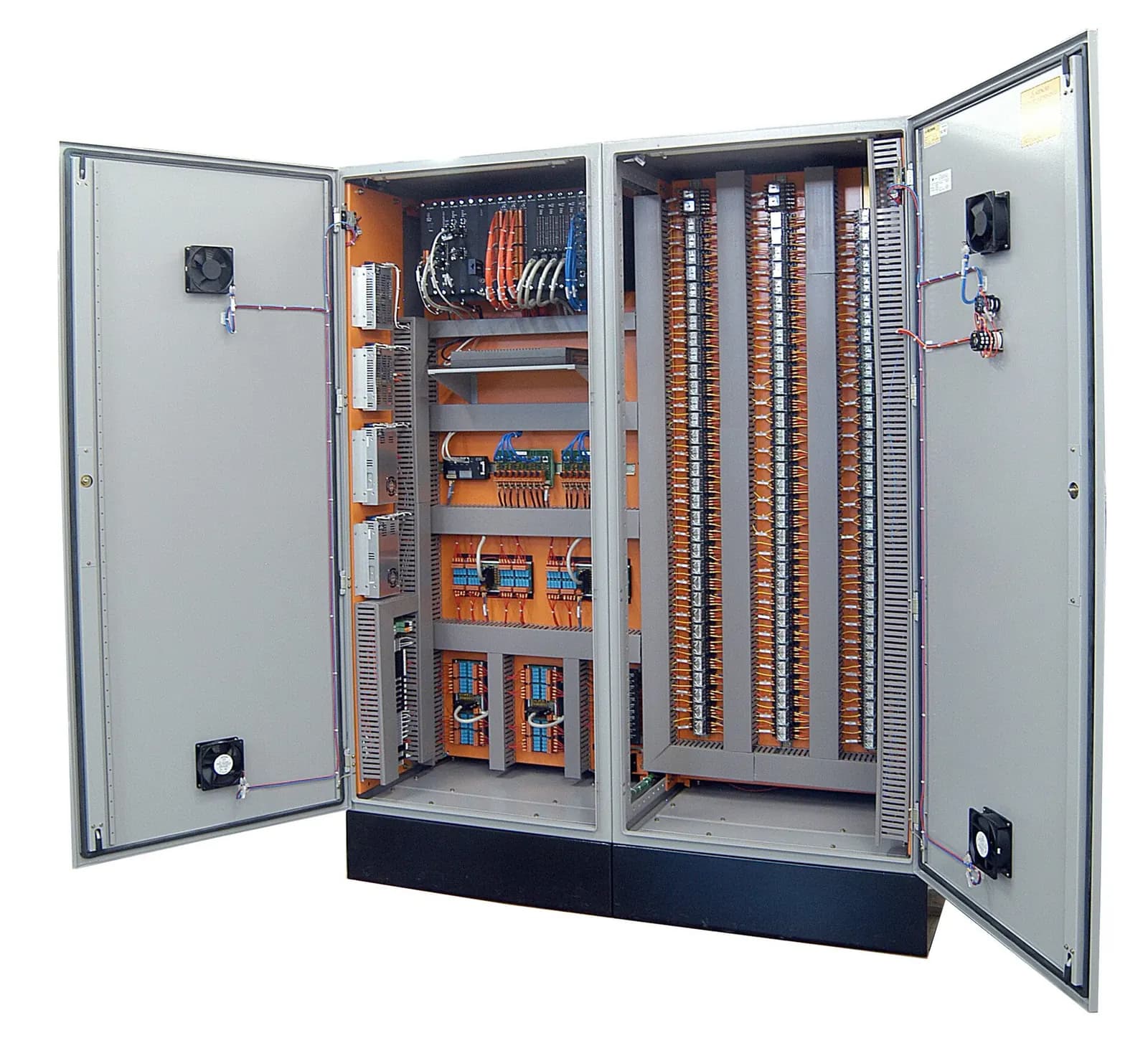
Mount gateways in a clean, ventilated cabinet, not inside a hot machine panel. Summer temperatures in UAE plant buildings can push panel interiors well above what consumer-grade hardware tolerates, so choose industrial-rated gateways and give them their own protected power supply. Label every cable; the next engineer will thank you.
When a retrofit is not enough
If the controller is failing, has no spares, or cannot be read at all, a retrofit only delays the problem. In that case combine the data project with a PLC and SCADA modernisation. Wartens delivers both as part of our Industry 4.0 upgrades, engineered in our India centre with a contact in Abu Dhabi. Tell us about the machine and we will suggest the simplest route to its data.