Factory energy efficiency in the UAE starts with measuring where the energy goes, line by line and hour by hour, then using controls to stop paying for energy that does no useful work: cooling empty spaces, compressed air leaking from pipework, motors running flat out against a throttled valve. Most of the savings we see come from changes to control logic and schedules, not from new equipment.
The national direction is clear. The UAE Energy Strategy 2050 targets a 42% to 45% improvement in individual and institutional energy efficiency compared with 2019 (UAE Government portal), and MoIAT's Industrial Technology Transformation Index assesses factories on sustainability as well as digital maturity (MoIAT).
Where the energy goes in a typical UAE factory
| System | Common waste | Control-led fix |
|---|---|---|
| Cooling and ventilation | Cooling empty or idle areas, poor chiller staging | Schedules, setpoint reset, staging logic |
| Compressed air | Leaks, high pressure, compressors fighting each other | Pressure reduction, sequencing, leak tracking |
| Pumps and fans | Full speed with throttled valves or dampers | Variable speed drives with pressure or flow control |
| Process heating | Ovens and barrels hot during idle time | Standby modes linked to machine state |
| Lighting and auxiliaries | On around the clock | Occupancy and schedule control |
Cooling is the stand-out in the Gulf. The International Energy Agency estimated that air conditioners and fans use about a fifth of the electricity in buildings worldwide (IEA). In a UAE factory with conditioned production areas, warehouses and offices, the share is often higher, which is why chiller and air handling control is usually the first place to look.
Step 1: meter by line, not by building
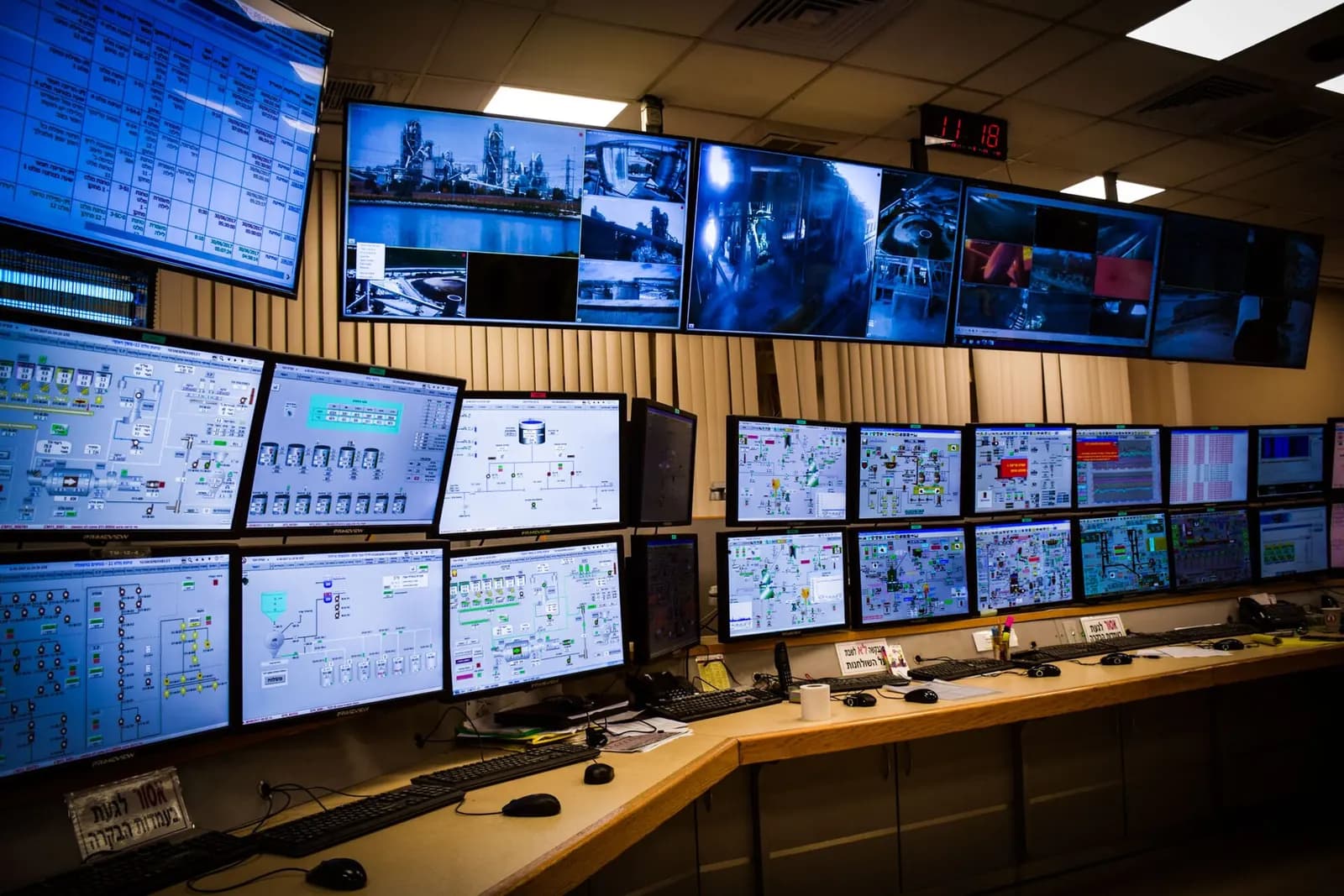
A single utility meter tells you the total. Sub-meters on each production line, the compressor house, the chiller plant and the offices tell you where to act. Connect them to the PLC or a gateway, record every 15 minutes, and plot energy against output. Energy per tonne or per thousand units is the number that matters, because it does not rise just because you made more product.

Step 2: link energy to machine state
Once machine states are captured, as in our IIoT retrofit guide, you can see energy used while a machine is idle. Extruder barrels held at temperature through a long breakdown, conveyors running empty, chillers serving a line that has stopped. Each of these can be handled in the PLC with a standby mode that triggers after a set idle time and recovers automatically before production restarts.
Step 3: fix the big systems
- Chillers: stage by load, reset chilled water temperature when demand is low, and keep condenser coils clean through the dusty months.
- Compressed air: lower header pressure to what the most demanding user really needs, sequence compressors so one trims while others run at full load, and run a leak survey every quarter.
- Pumps and fans: where a valve or damper throttles flow, a variable speed drive with a pressure or flow loop usually saves far more than it costs.
- Process heat: insulate, add standby modes, and tune temperature loops so they do not overshoot.
Heat rejection deserves special attention in the Gulf. Chillers and compressors reject heat to air that may be above 45°C in summer, and every degree of extra condensing temperature costs efficiency. Keep condenser coils and cooling towers clean, make sure discharge air is not recirculating back to the intake, and trend condensing pressure so the maintenance team sees fouling before the bill does.
Coca-Cola's Factory of the Future: Digital Twins and Industrial AI in Beverage Manufacturing
Siemens
This video is hosted on YouTube. Playing it loads content from Google, which may set cookies.
Watch on YouTubeMistakes that hide savings
- Comparing monthly bills without adjusting for production volume or weather.
- Fitting variable speed drives but leaving them at a fixed speed set during commissioning.
- Lowering compressed air pressure without checking the one machine that genuinely needs more.
- Changing chiller setpoints in the BMS without telling production, then reversing them after the first complaint.
- Measuring once and never again; savings drift back unless someone watches the trend.
Make one person responsible for energy per unit of output, give them the dashboard, and review it at the monthly production meeting alongside quality and OEE. Energy becomes a managed cost only when someone is accountable for it.
Where digital twins and solar fit
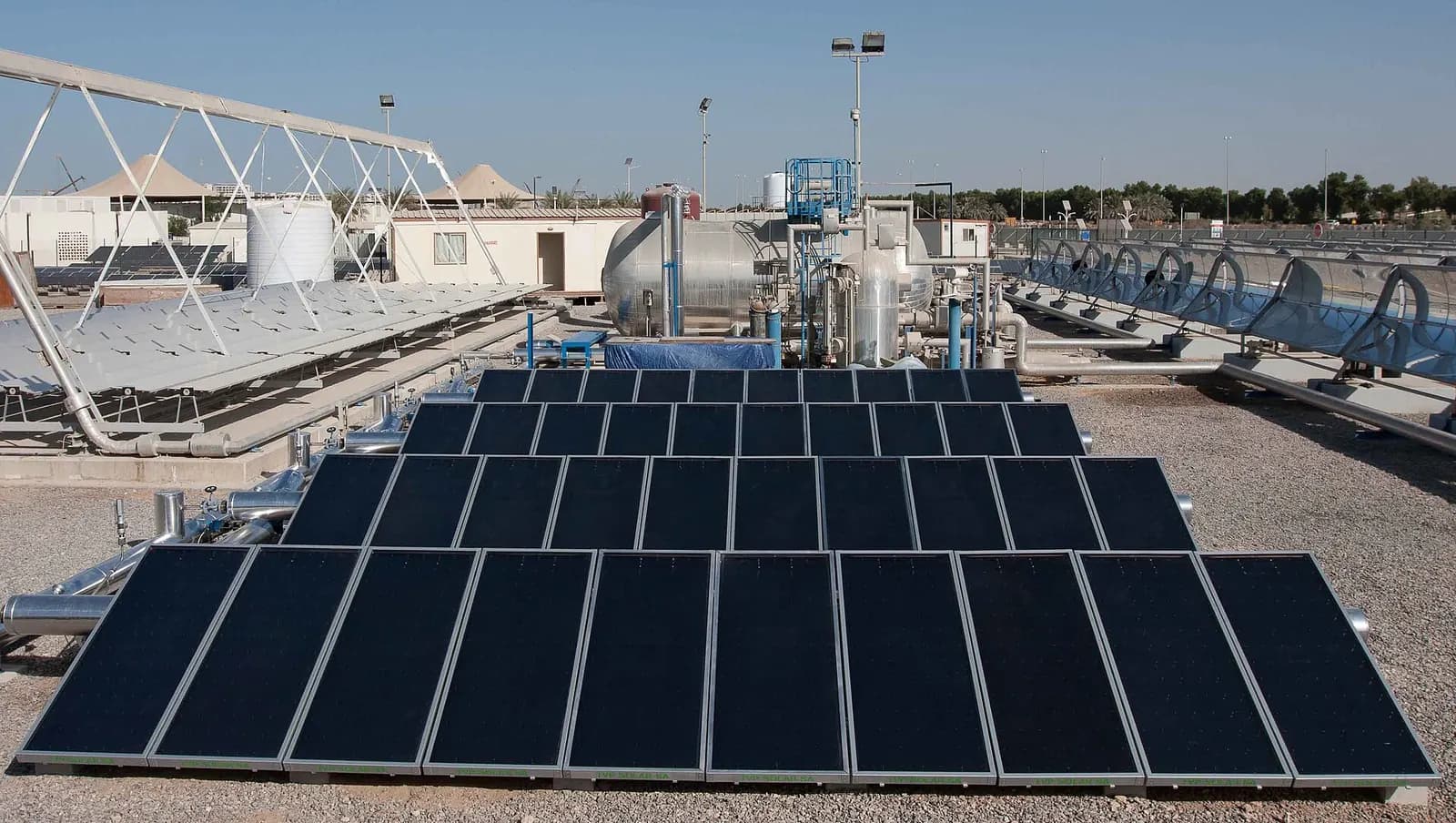
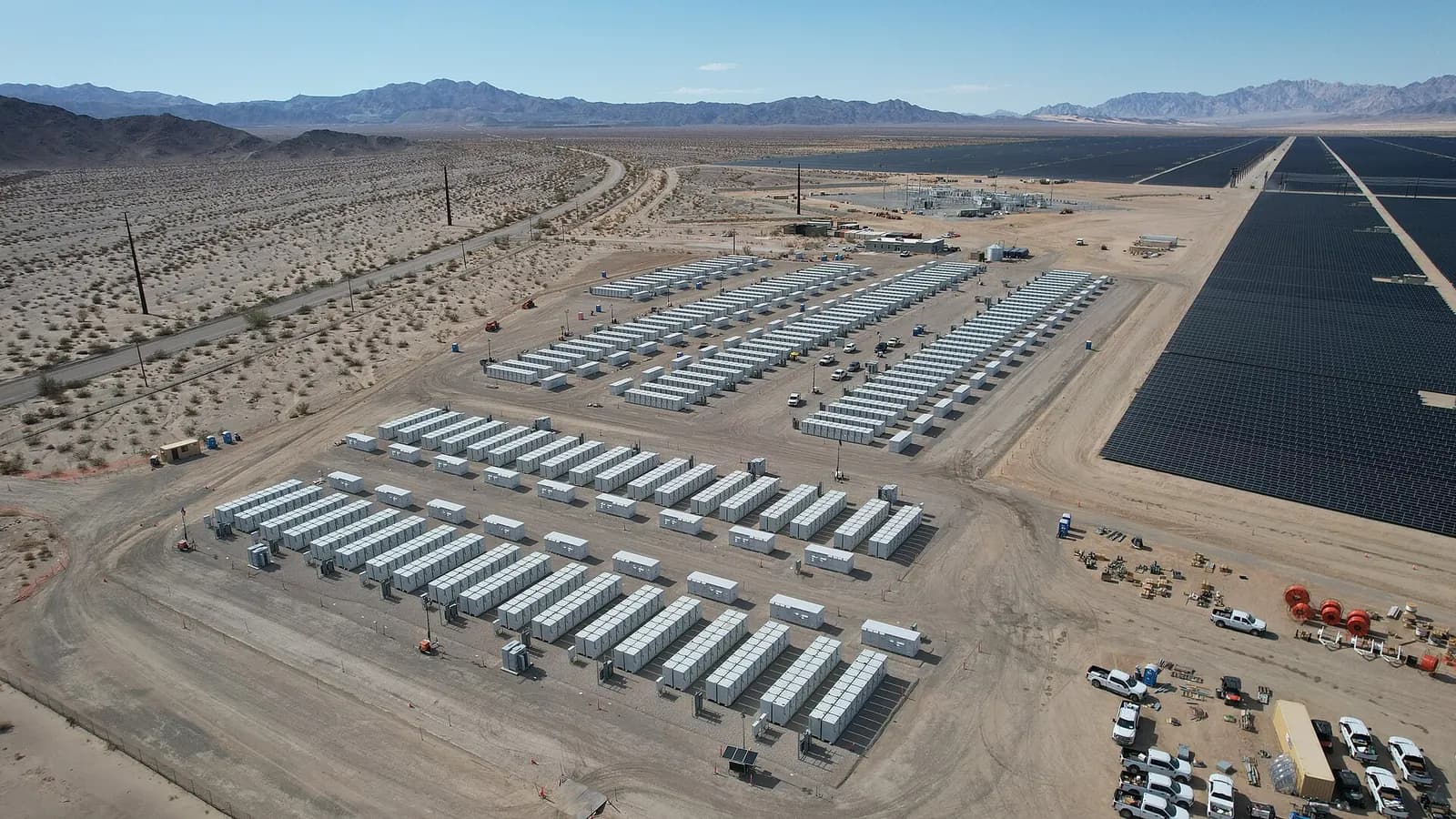
A plant-wide digital twin puts energy data on the equipment, so engineers can test a new chiller sequence or shift pattern before trying it. On the supply side, many UAE factories now add rooftop solar; Dubai's Shams Dubai programme alone had connected more than 725 MW across 8,430 buildings by June 2025 (SolarQuarter). Solar works best when the factory's demand is already under control, and storage controls can then shift energy to where it is most valuable, as covered in our solar plus storage SCADA guide.
Next step
Pick your three largest loads and meter them. If the data shows waste that controls can fix, our Industry 4.0 upgrade service covers the PLC, drive and SCADA changes, and our energy systems service covers solar and storage controls. Send us your single-line diagram and last year's bills for a view on where to start.