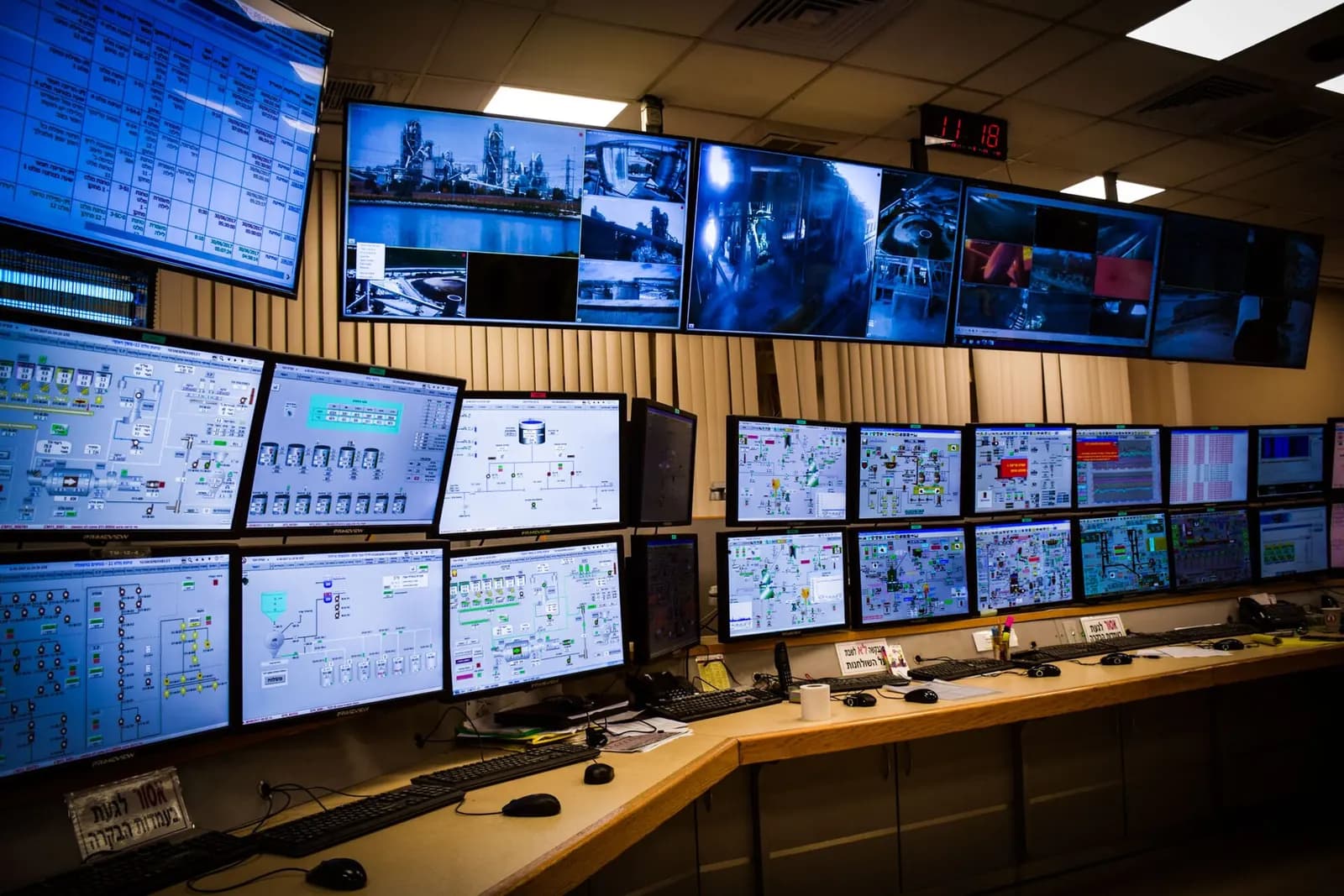
A solar plus storage SCADA system in the UAE monitors and controls the PV inverters, the battery energy storage system (BESS) and the grid connection as one plant, so that the site meets the utility's dispatch instructions and grid code, protects the batteries and records every event. On most projects the SCADA, the power plant controller and the energy management logic are specified late and squeezed at commissioning. They deserve more attention, because they decide what the plant can actually deliver.
The scale in the Emirates makes this pressing. Masdar and EWEC are building 5.2 GW of solar with a 19 GWh battery system in Abu Dhabi to supply 1 GW of round-the-clock clean power, with commercial operation scheduled for 2027 (TaiyangNews). Smaller commercial and industrial sites are multiplying too: Dubai's Shams Dubai programme had connected more than 725 MW of rooftop solar across 8,430 buildings by June 2025 (SolarQuarter).
What the control system has to do
| Layer | Main functions | Typical interfaces |
|---|---|---|
| Plant SCADA | Monitoring, alarms, trends, reports, operator control | Historian, HMI, remote access |
| Power plant controller | Active and reactive power control, ramp rates, voltage and frequency response | Inverters, BESS PCS, grid meter |
| Energy management | Charge and discharge scheduling, time shifting, firming | Forecasts, dispatch signals, tariffs |
| BESS integration | State of charge, limits, alarms from the battery management system | BMS, PCS, HVAC and fire systems |
| Utility interface | Dispatch set points, status and metering to the grid operator | IEC 61850, IEC 60870-5-104, DNP3 as specified |
The protocol list is set by the utility and the equipment suppliers. Substations increasingly use the IEC 61850 series, while inverters and battery systems often expose data over Modbus TCP. Get every supplier's interface document early, and test each link before site.
Solar plus storage SCADA in the UAE: what heat and dust change
Desert conditions shape the control design. Batteries must stay within their temperature window, so the BESS HVAC is a critical load and its alarms belong on the main SCADA screens, not hidden in a vendor's sub-panel. Battery limits change with temperature, and the energy management logic must respect the derated figures the BMS reports. Dust lowers PV output between cleaning cycles, so soiling should be measured and trended, otherwise underperformance is blamed on inverters.
- Trend container temperature, HVAC status and BMS derating together.
- Use the BMS's live charge and discharge limits in dispatch, not nameplate values.
- Track soiling losses and cleaning dates to separate dirt from equipment faults.
- Size communications cabinets and UPS for summer ambient temperatures.
Safety and fire systems
Battery fire safety is set by codes and the authority having jurisdiction. NFPA 855 is the widely referenced standard for stationary energy storage installations. From a controls point of view, the fire detection and suppression status, the gas detection and any emergency stop must be wired so that SCADA sees them instantly and the PCS trips as designed. Test those signals end to end before energisation.
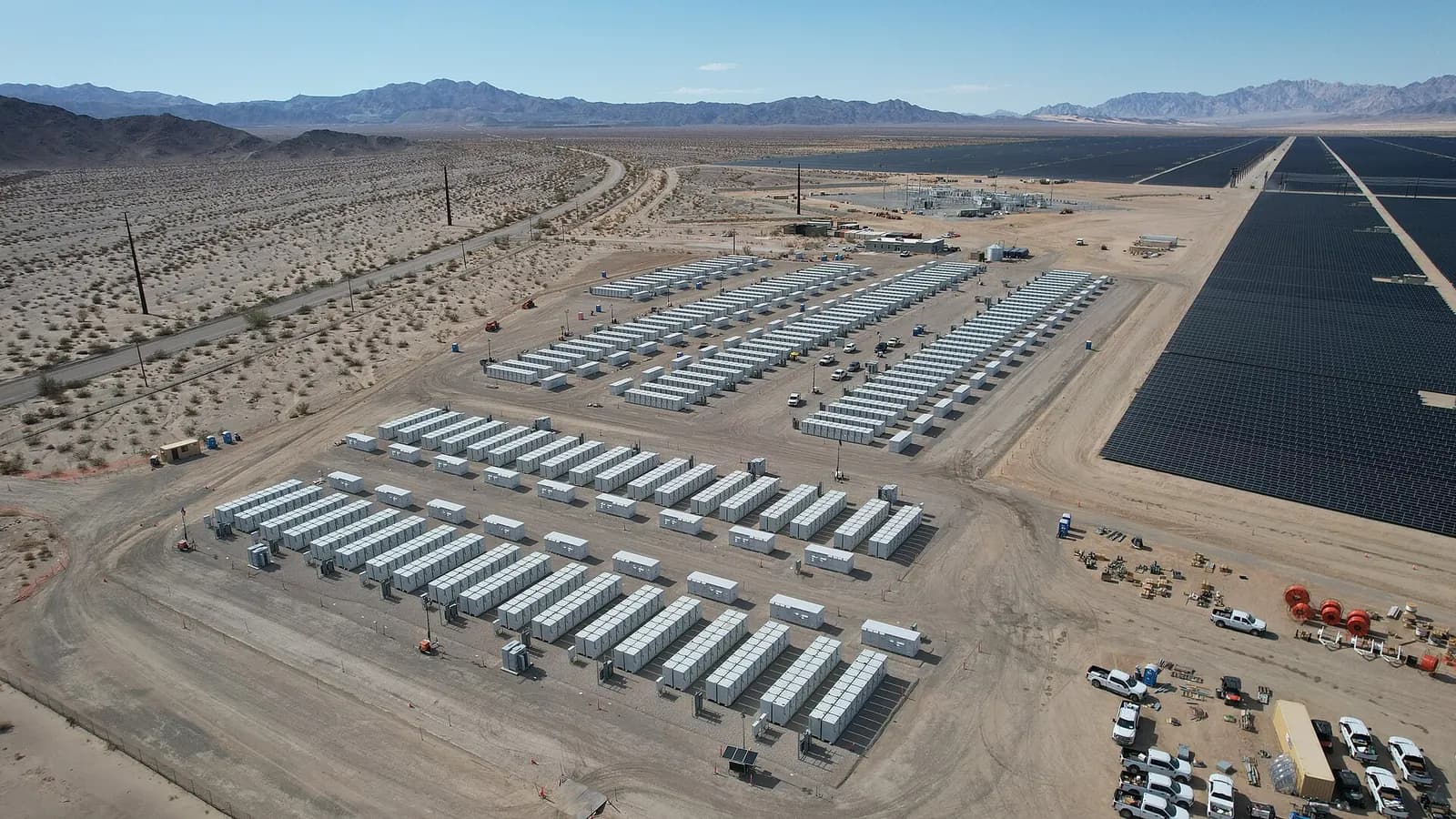
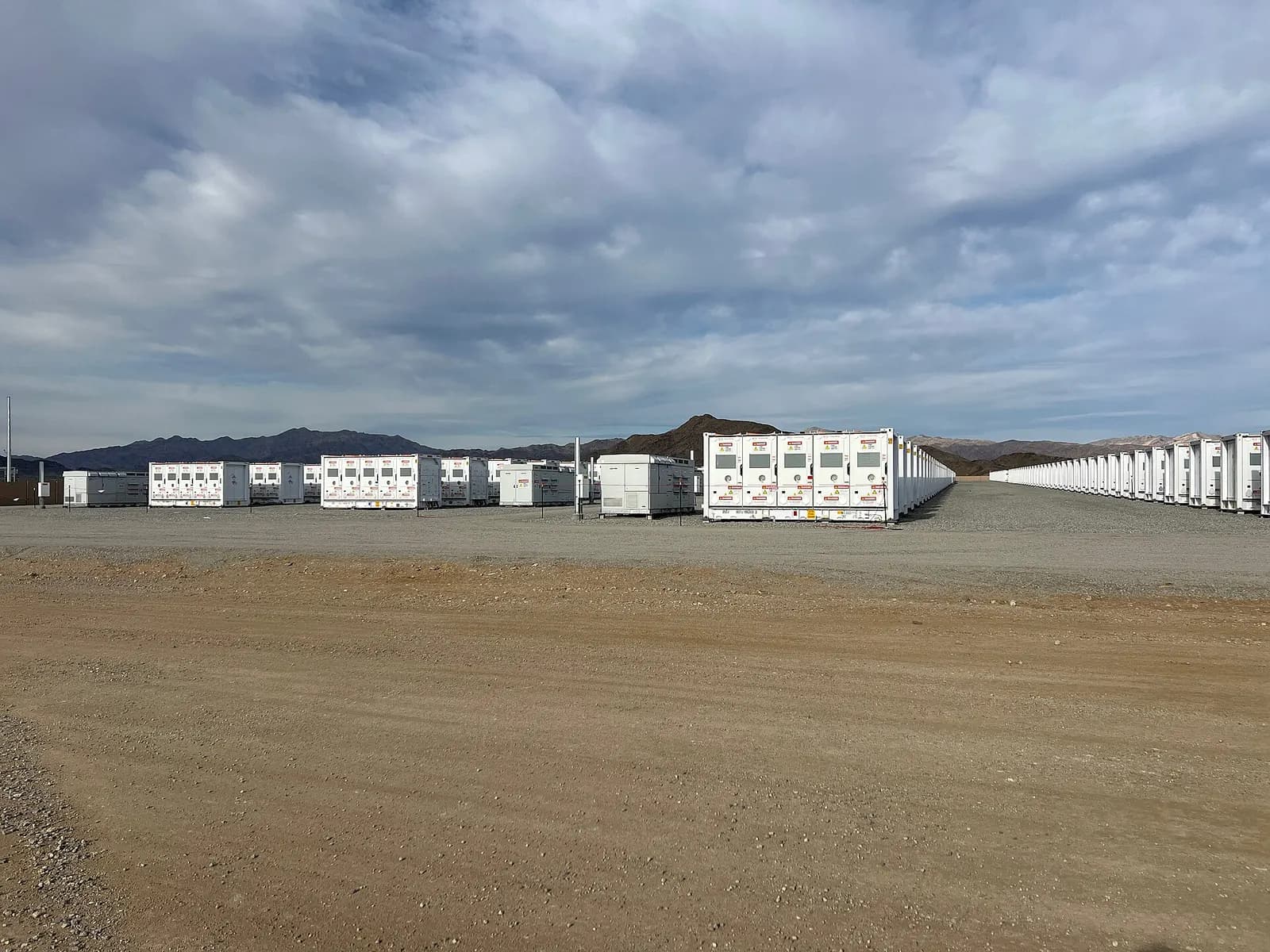
Tour the High Desert Energy Storage Project Featuring Fluence Gridstack
Fluence
This video is hosted on YouTube. Playing it loads content from Google, which may set cookies.
Watch on YouTubeTesting in simulation first
The cheapest place to find a control fault is at a desk. We build a simulated plant, with models of inverters, the PCS, the BMS and the grid meter, and run the SCADA and controller logic against it before site. This is the same virtual commissioning approach we use in manufacturing, and it cuts the time spent on site waiting for a fix to be written.
Commercial and industrial sites
Not every project is utility scale. A factory or a logistics warehouse with rooftop PV and a battery has the same control questions on a smaller scale: limit export where the connection agreement requires it, shave the site's peak demand, keep critical loads running during a disturbance and report generation honestly. The SCADA can be lighter, but the logic still needs to be written, tested and documented.
- Export limiting at the point of connection, measured by a dedicated meter.
- Peak shaving that discharges the battery when site demand passes a threshold.
- Backup mode for selected loads, with a clean transfer and return.
- Monthly reports of generation, self-consumption and battery cycles for the owner.
Handover documents to insist on
Ask for the full tag list, network and communication drawings, controller and SCADA backups, the sequence of operations, the alarm list with responses, and test records from factory and site testing. Owners who get these can maintain the plant for twenty years. Owners who do not depend on the original contractor for every change.
Keep these documents in a version-controlled repository rather than scattered email attachments, and update them after every change.
The policy context
The UAE Energy Strategy 2050 targets clean energy at 32% of installed capacity by 2031 and plans to raise installed clean capacity from 14.2 GW to more than 28 GW (UAE Government portal). Much of that will be solar, and storage is what turns daytime solar into firm supply.
Wartens engineers SCADA, monitoring and controller logic for solar-plus-storage and commercial sites in the UAE, from our India centre with a contact in Abu Dhabi. See our energy systems service, the UAE market briefing, or send us your single-line diagram and interface list.