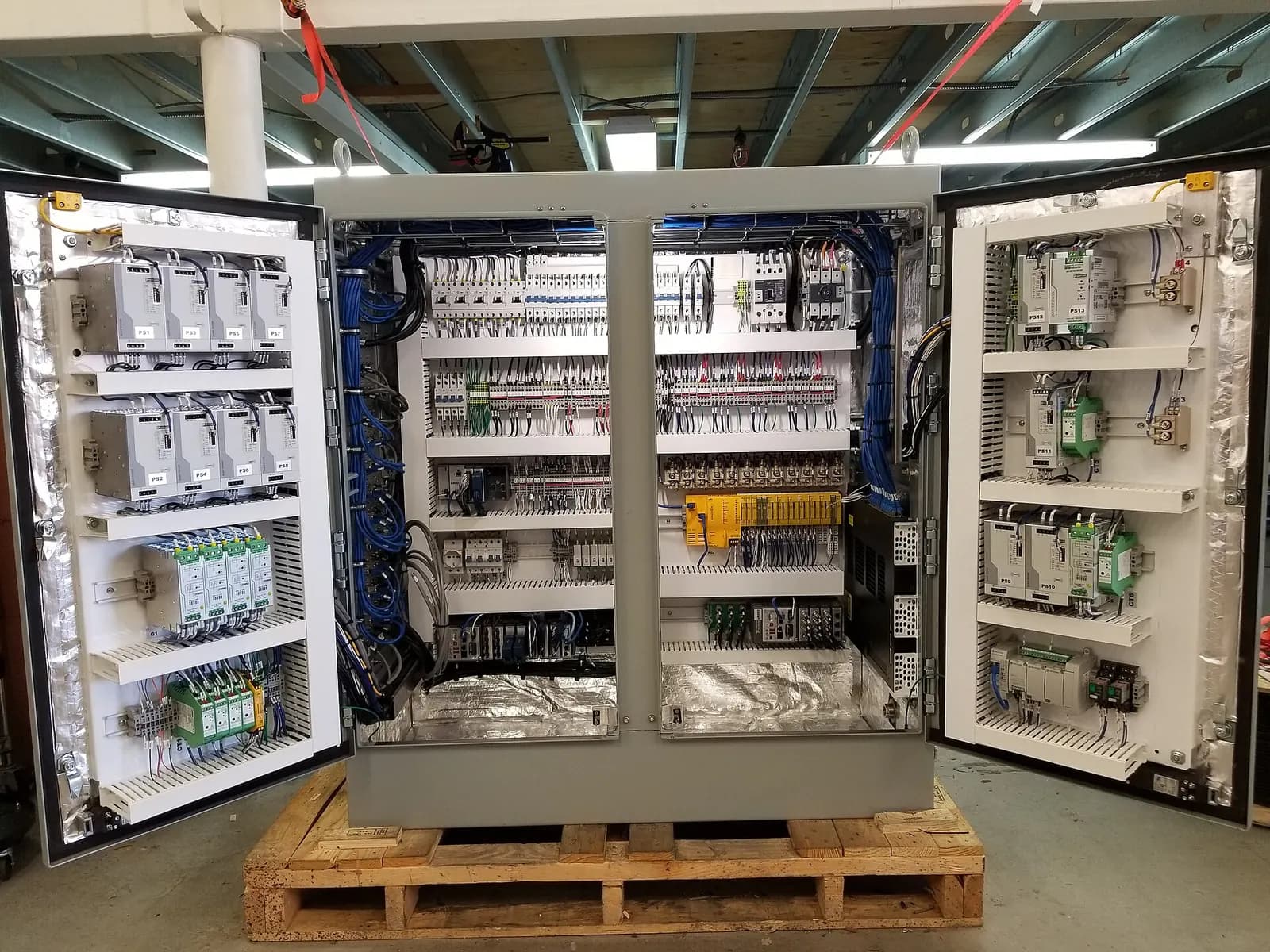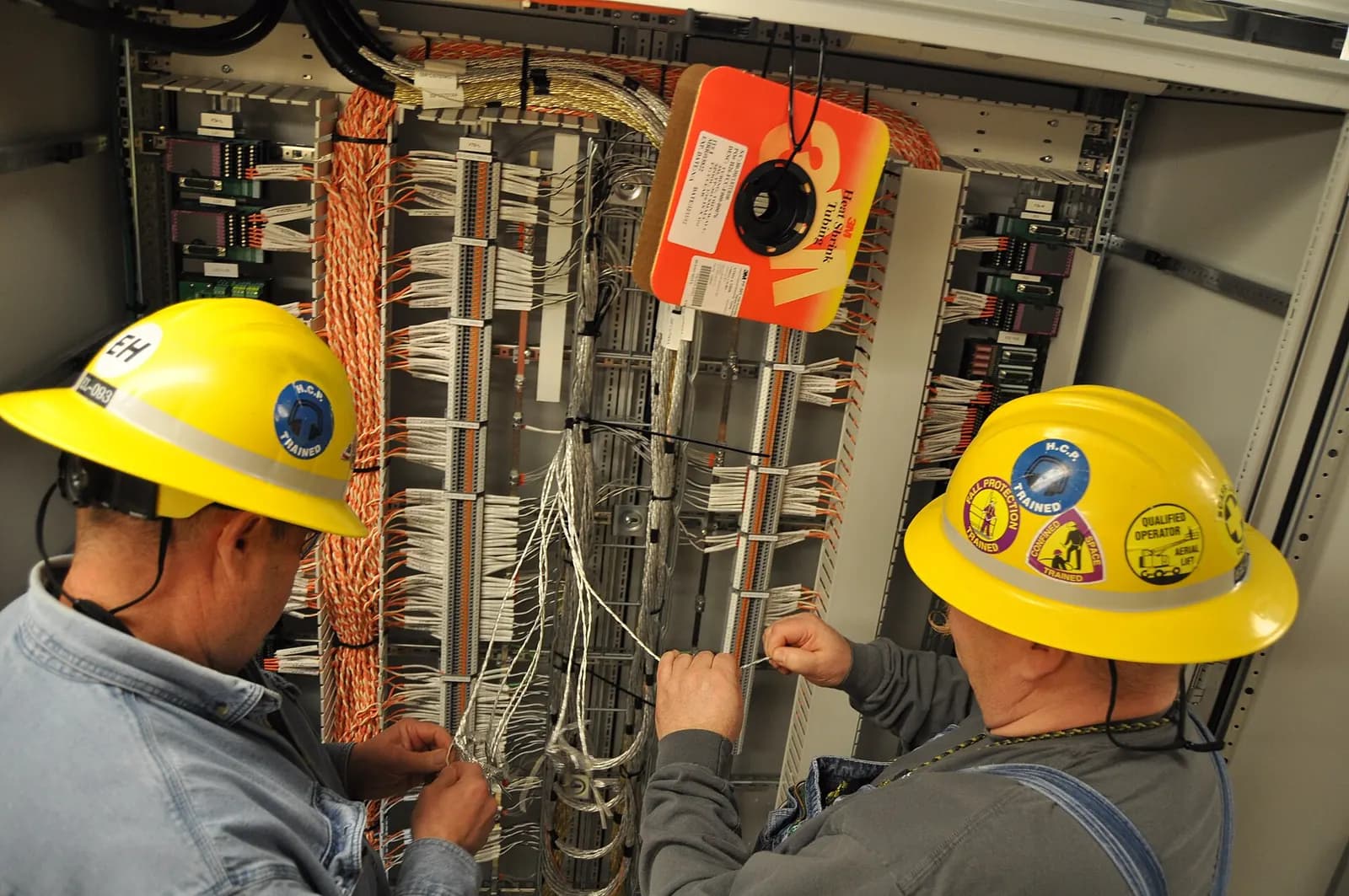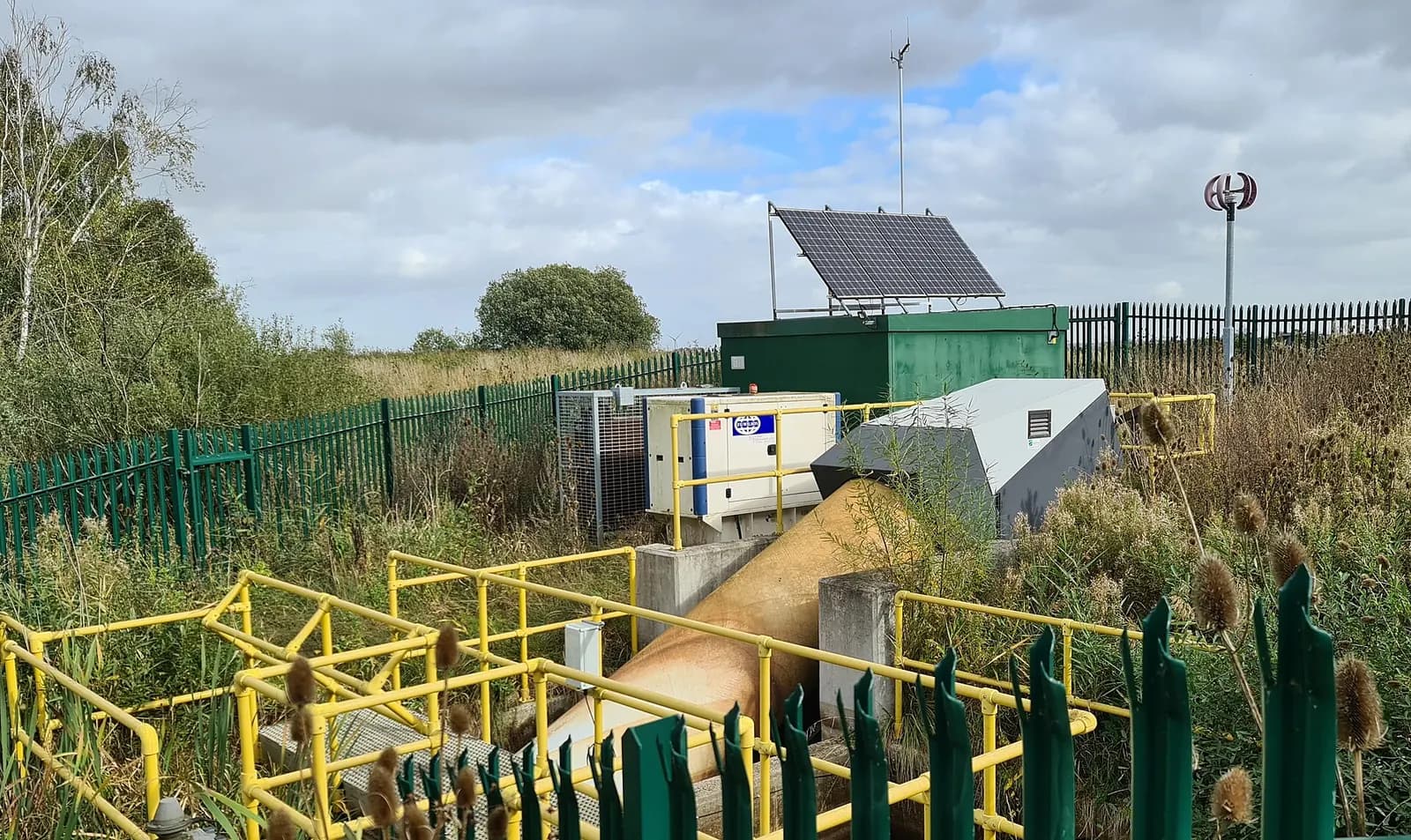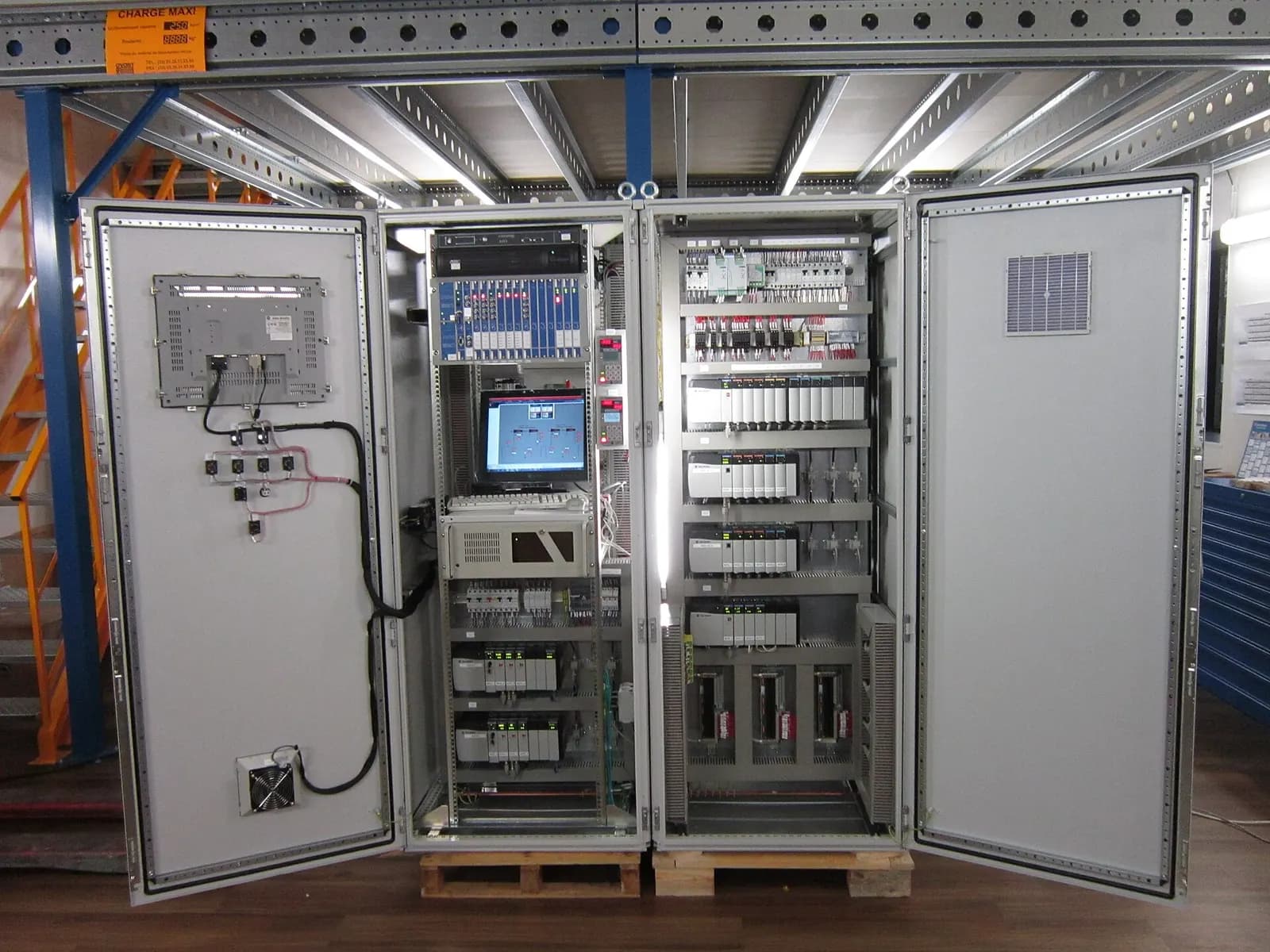
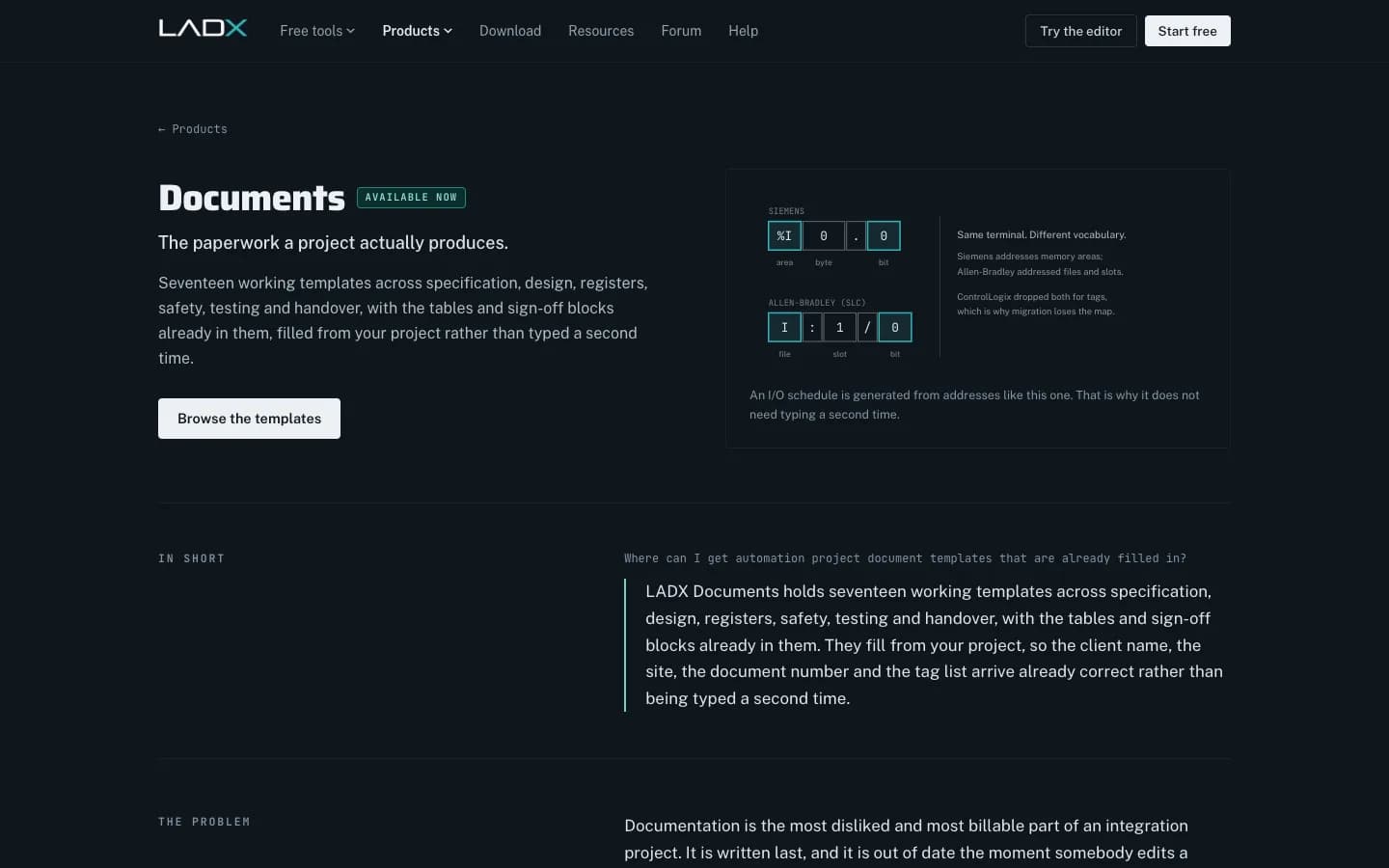
The FDS, FAT and SAT documents are the backbone of a control system handover: the functional design specification says what the system will do, the factory acceptance test proves it before it ships, and the site acceptance test proves it in place. LADX Documents holds seventeen working templates for this paperwork and fills them from the project, so the client name, site, document number and tag list arrive already correct.
Below is the full set a typical UK project owes, when each document is written and signed, and how to keep the pack current when the code changes in week ten. LADX is the Wartens group's AI product for controls teams.
The documents a control system project owes
Projects differ, but the same seventeen documents turn up again and again on water, food and machinery jobs. LADX groups them into specification, design, registers, safety, testing and handover:
| Stage | Documents | Usually signed by |
|---|---|---|
| Specification | URS, FDS, control narrative | Client, then contractor |
| Design | Software design specification, I/O list, BOM, cable schedule | Contractor's lead engineer |
| Registers and safety | Cause and effect, alarm and trip schedule, alarm rationalisation record, risk assessment | Process owner, safety reviewer |
| Testing | FAT, commissioning checklist, SAT | Client witness and contractor |
| Handover | Handover certificate, O&M manual, change control | Client operations |
FAT, SAT and where IEC 62381 fits
IEC 62381:2024 defines requirements and checklists for the factory acceptance test, an optional factory integration test, the site acceptance test and the site integration test for process automation systems. Its value on a UK job is simple: owner, buyer and vendor agree up front what each test covers and who is responsible, rather than arguing about it on the day.
A practical rule we follow: every FAT step traces to a line in the FDS, and every SAT step either repeats a FAT step with real field devices or covers something the factory could not test, such as instrument loops, motor rotation and telemetry to the control centre. If a SAT step has no FDS line behind it, the specification is missing something.
How LADX Documents builds the pack
- Answer the design questions once. In LADX Projects, twenty-two design questions about the job flow into every document, so the design basis is written once rather than in every file.
- Generate from the project data. The I/O list comes from the program's tags, the control narrative from the rungs and their comments, and the letterhead from the project and client.
- Fill the gaps in place. Open a document in LADX Studio and it asks for the information it still needs, rather than leaving you to hunt for empty sections.
- Issue in formats people outside engineering can open. Output is Word and PDF, laid out for reading.
- Regenerate after changes. When tags or rungs change, regenerating produces the current version. Change tracking between regenerations is on LADX's plan, not in the product yet.
The templates can also be downloaded free without an account. Fill a few fields and they arrive with those values substituted; leave them blank and you get square-bracket placeholders.
What it does not do
LADX is direct about this. Generated documents are a first draft that is right about the facts, not a finished submission, and they need review. The templates follow common practice rather than any one client's house standard. For UK water work that is a real point: each water company has its own engineering standards and document formats, and those win. Expect to adapt sections, and keep a mapping from the LADX template to the client's numbering.
Alarm documents deserve particular care. An alarm list generated from tags is a starting point; the rationalisation record only means something once each alarm has a priority, a consequence and an operator action agreed with the process owner. Our article on SCADA alarm management with EEMUA 191 and ISA-18.2 explains that process, and the ISA-18 series is the reference behind it.
Factory Acceptance Test Explained - Part 1 | Power the Control Panel
RealPars
This video is hosted on YouTube. Playing it loads content from Google, which may set cookies.
Watch on YouTubeKeeping the pack honest after FAT
Most handover packs fail in the same way: correct at FAT, wrong at handover, because changes made during commissioning never reached the documents. Two habits fix most of it. Log every change after FAT in the change control register with the code version it produced. Regenerate the I/O list and narrative from the final program before handover, and diff them against the FAT issue so the client sees exactly what moved.
The O&M manual is the document the site will still open in year five, so write it for the person on call at 2am. Put the backup location and restore procedure near the front, list the spares that stop the plant if they fail, and include the alarm list with the operator action for each alarm. Leave the marketing brochures for the equipment out; link to the manufacturer manuals instead.
On AMP8 water packages, where clients expect auditable records, this discipline is part of the deliverable. Our AMP8 automation article covers what water clients are asking for. Wartens writes FDS, FAT and SAT documents to the client's standard as part of our PLC and SCADA engineering service.
Next step
Download a template from ladx.ai and compare it with your current FDS. If you need a full document pack written for a UK control system, send your scope and client standard through our contact page and we will return a written scope and price.