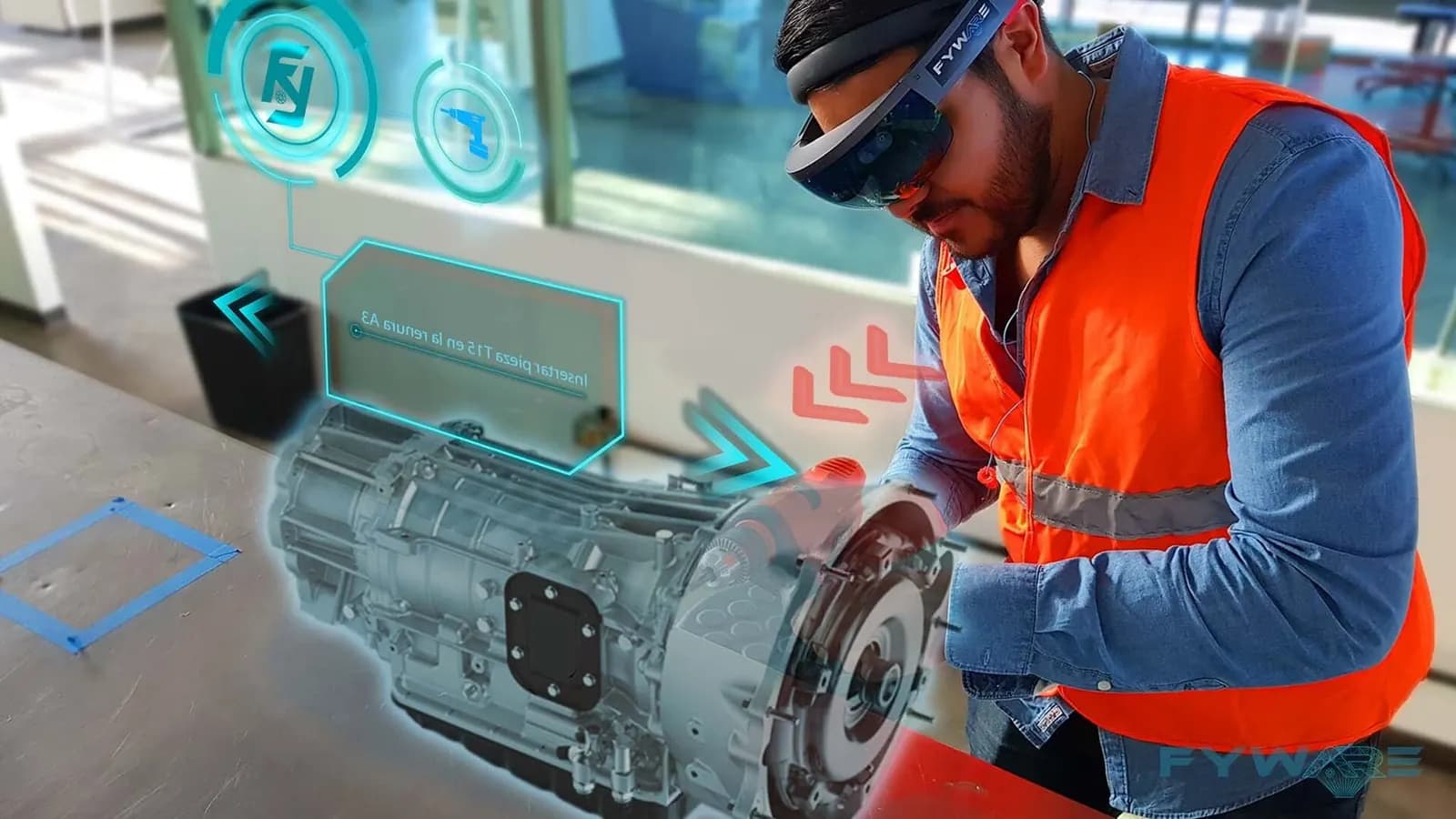
VR safety training works best for tasks that are dangerous, rare or expensive to practise for real: lock-out and tag-out, confined space entry, robot cell access, chemical spills, fire response and emergency shutdown. Workers rehearse the procedure in a realistic virtual plant, make mistakes safely, and repeat until the steps are automatic. It complements classroom and on-the-job training rather than replacing them.
The evidence is encouraging. A systematic review and meta-analysis in Safety Science (2024) looked at 52 studies published between 2013 and 2021 and found VR safety training outperformed traditional training for knowledge acquisition and retention. The same review noted that only about a third of studies measured long-term retention, so plants should measure their own results rather than assume them.
Why safety training is in focus in India now
The Occupational Safety, Health and Working Conditions Code, 2020, came into effect on 21 November 2025 with the other three labour codes, according to the Ministry of Labour and Employment. The release highlights a National OSH Board to set harmonised safety standards, mandatory safety committees in establishments with 500 or more workers, and mandatory safety training for chemical handling in plantations. The direction is clear: more structured, documented safety training. Plants that can show what each worker practised and passed are better placed.
Where VR safety training works best
| Scenario | Why VR helps |
|---|---|
| Lock-out, tag-out | Practise every isolation step on the actual machine layout |
| Robot cell entry | Learn safe entry and reset without stopping production |
| Confined space | Gas testing, permits and rescue steps rehearsed safely |
| Fire and evacuation | Realistic smoke, alarms and routes in your own building |
| Chemical spill response | Correct PPE and containment under time pressure |
| New equipment induction | Learn the machine before it arrives on site |
Virtual Reality training with Siemens
Siemens Knowledge Hub
This video is hosted on YouTube. Playing it loads content from Google, which may set cookies.
Watch on YouTubeThe practical advantage is repetition. On a real line, a trainee might see an emergency stop and restart sequence once a month, and a confined space rescue never. In VR they can repeat it ten times in an afternoon, with the trainer changing one detail each time. That is how firefighters and pilots train, and it transfers well to plant work.
Where VR is the wrong tool
- Fine manual skills that depend on touch and force, such as precise tool use. Physical practice still wins.
- Very short tasks that are easier to show on the floor in five minutes.
- Content that changes every month, unless the model is easy to update.
- Groups with no time scheduled for it. A headset in a cupboard trains nobody.
How to run a first VR safety pilot
- Pick one high-risk procedure where incidents or near-misses already happen, such as lock-out on a specific line.
- Measure the baseline. Test current knowledge with a practical assessment and record near-misses on that task.
- Build the scenario from your plant. Use your layout and equipment, not a generic factory. Workers notice the difference.
- Train a group in VR and a control group as usual. Keep sessions short, around 15 to 20 minutes per person.
- Assess both groups on the real task after one week and again after three months.
- Decide with data. Expand to more procedures only if results justify it.
Which scenarios to build first
Look at your own incident and near-miss records before choosing. In most Indian plants the same few tasks appear again and again: clearing jams with guards open, working on equipment that was not isolated, handling hot or corrosive material, and forklift and pedestrian conflicts. Start with the task that has the most near-misses and the clearest correct procedure. A scenario that teaches a well-defined procedure is easier to build, easier to assess and easier to prove.
Involve the people who already teach safety. The Directorate General that runs India's central and regional labour institutes, DGFASLI, publishes training programmes and reference material that safety officers use. Your own safety officer and senior operators should review every scenario before it goes live, so the virtual procedure matches the written one exactly.
From safety training to a full digital twin
A VR training scenario needs a 3D model of your equipment. The same model can support layout planning, virtual commissioning and operations. That is why we recommend building training content from a plant model that can be reused. Our article on VR factory layout planning shows the planning side, and our digital twin services cover the full range.
Measuring return on a VR programme
Keep the measures simple. Track practical assessment scores before and after, time taken to reach competence for new joiners, near-misses and incidents on the trained tasks, and the production time no longer lost to taking equipment offline for training. For new equipment, add the time saved during start-up when operators already know the HMI and the safe access routes. Report these every quarter to the safety committee, so the programme is judged on the same basis as any other safety investment.
VR training from Wartens in India
In India we offer VR training simulations, a VR PLC and SCADA lab and AR maintenance assistance through our iUNI brand, for plants, training providers and colleges. Because our engineers build control systems, the scenarios behave like the real equipment, down to the HMI. See immersive training services, learn about our engineering training, or contact us to scope a pilot on one procedure.