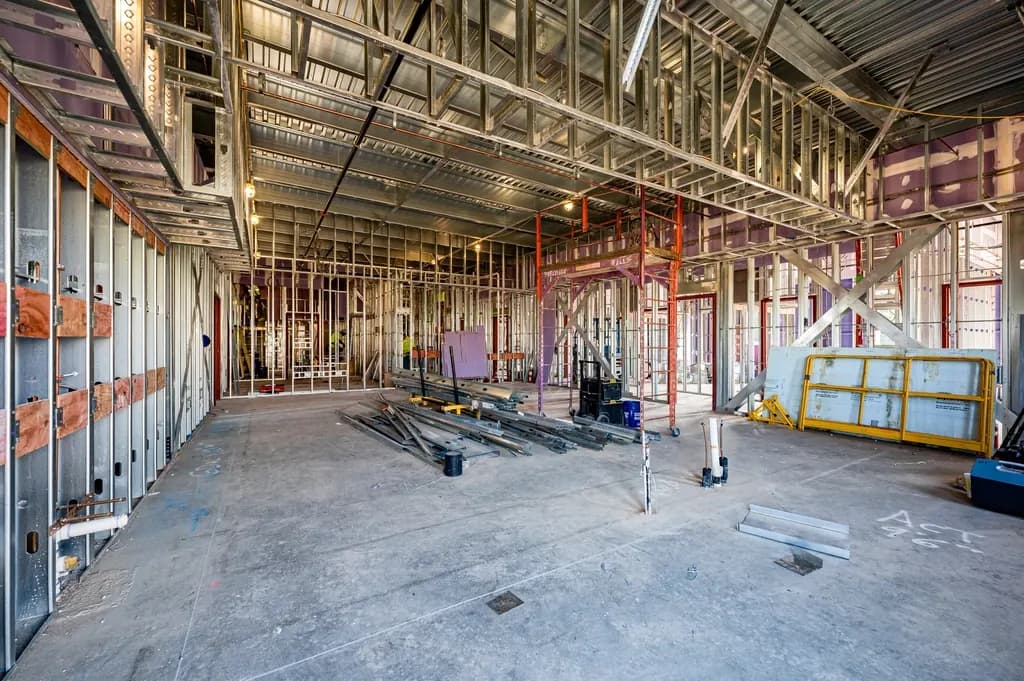
Factory layout planning in VR puts your production, maintenance and safety teams inside a 1:1 model of the new line before it is built. They walk the aisles, reach for valves, check forklift routes and see where material piles up. Problems that hide in a 2D layout drawing are obvious when you stand in them, and fixing them in the model costs a design change, not a demolition.
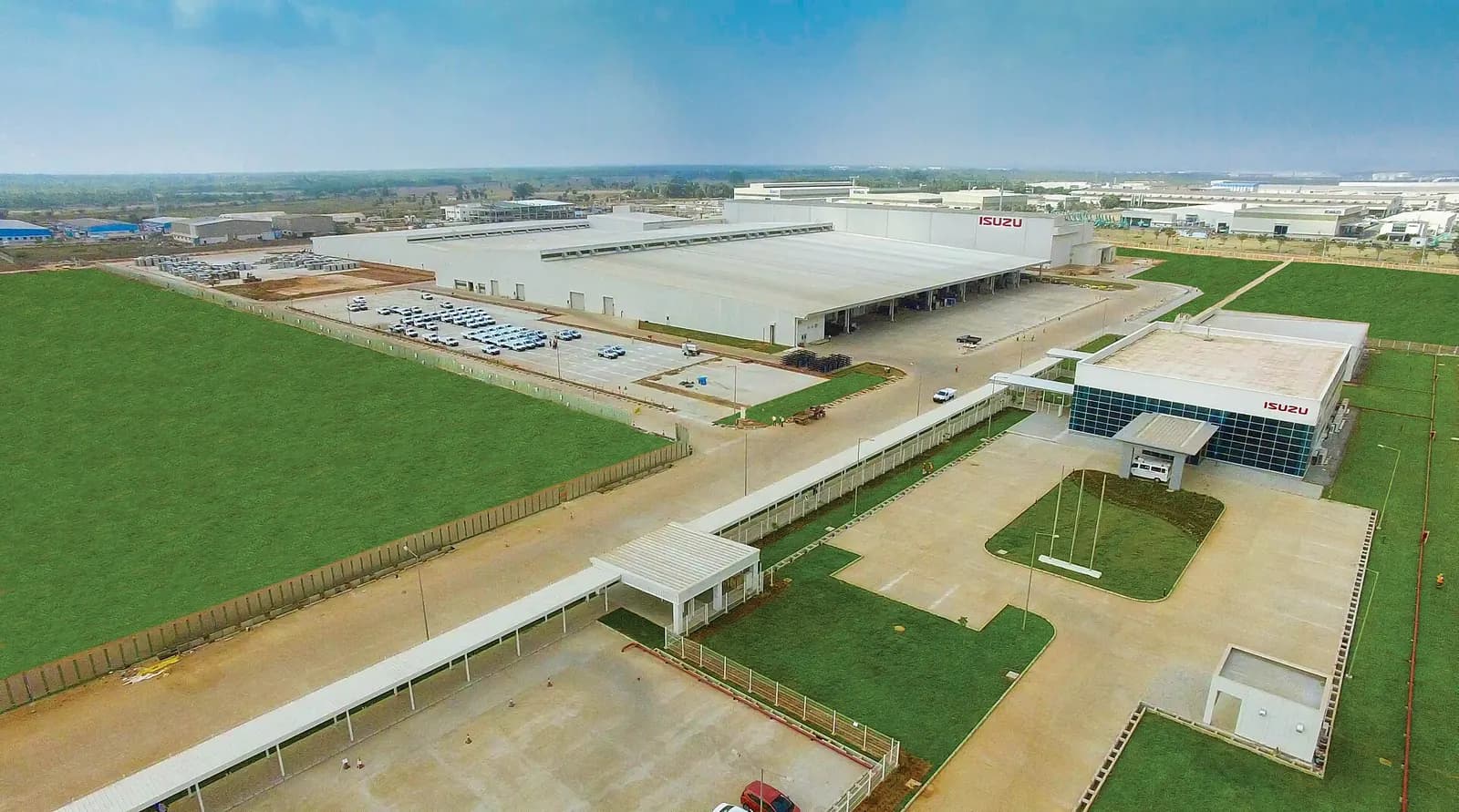
For Indian greenfield and brownfield projects, especially new PLI plants built to a tight schedule, this is one of the cheapest risk reductions available. The layout gets frozen early because civil works start early. A VR review at that point is the last moment when moving a machine two metres is free.
What a VR layout review shows that drawings do not
- Maintenance access. Can a technician actually reach the motor, the filter or the panel door with the guard in place?
- Material flow. Where do pallets, bins and work-in-progress wait? Do forklift and pedestrian routes cross?
- Operator ergonomics. Reach distances, working heights, line of sight to HMIs and andon lights.
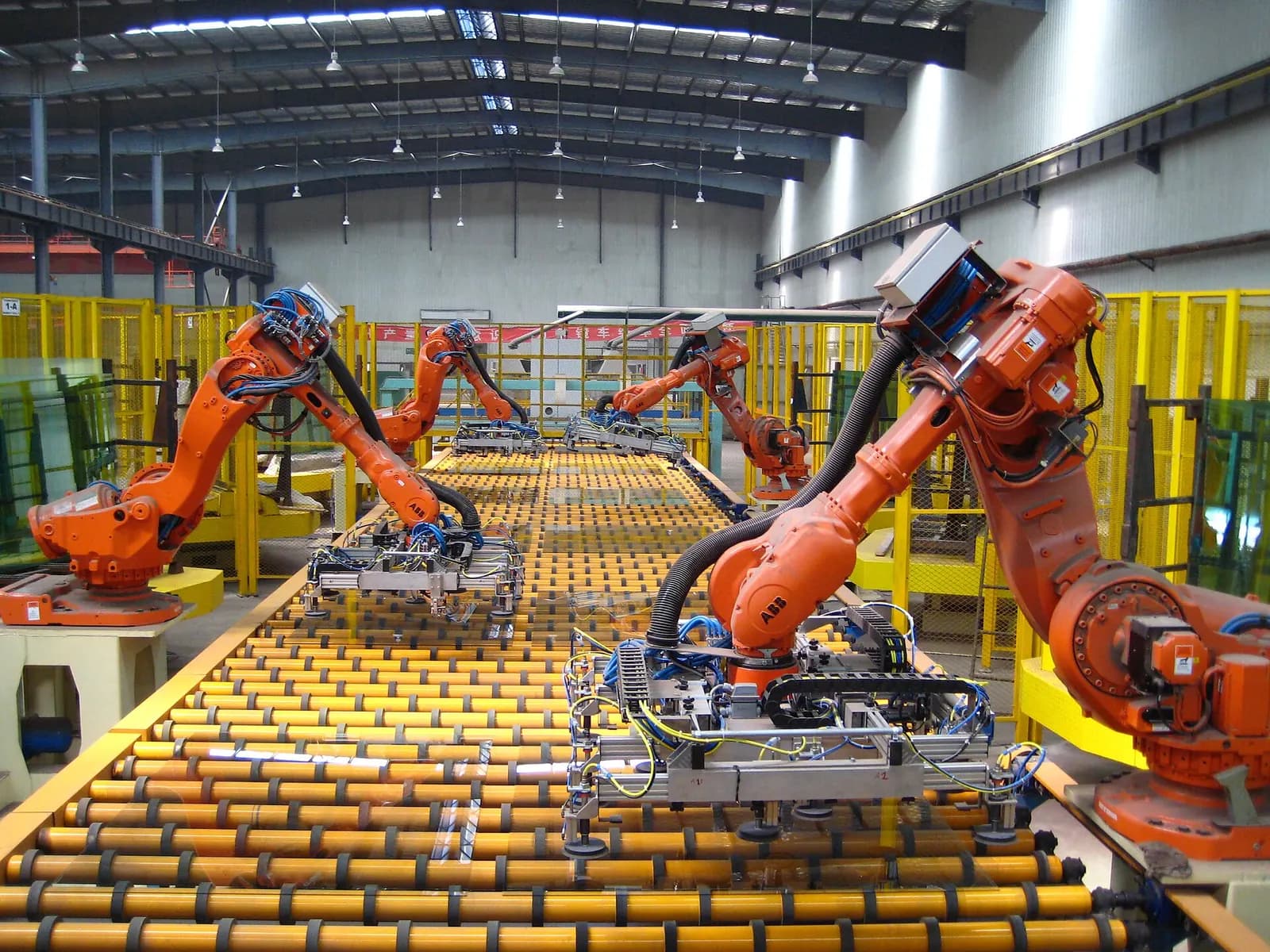
- Escape routes and safety zones. Are exits clear, are robot cells guarded on every side, do doors swing into walkways?
- Utilities. Clashes between cable trays, compressed air headers and ducting that 2D drawings missed.
- Future expansion. Is there space for the second line the business plan already assumes?
How the planning twin is built
- Collect inputs. Building drawings, equipment CAD from OEMs, layout options and the process flow.
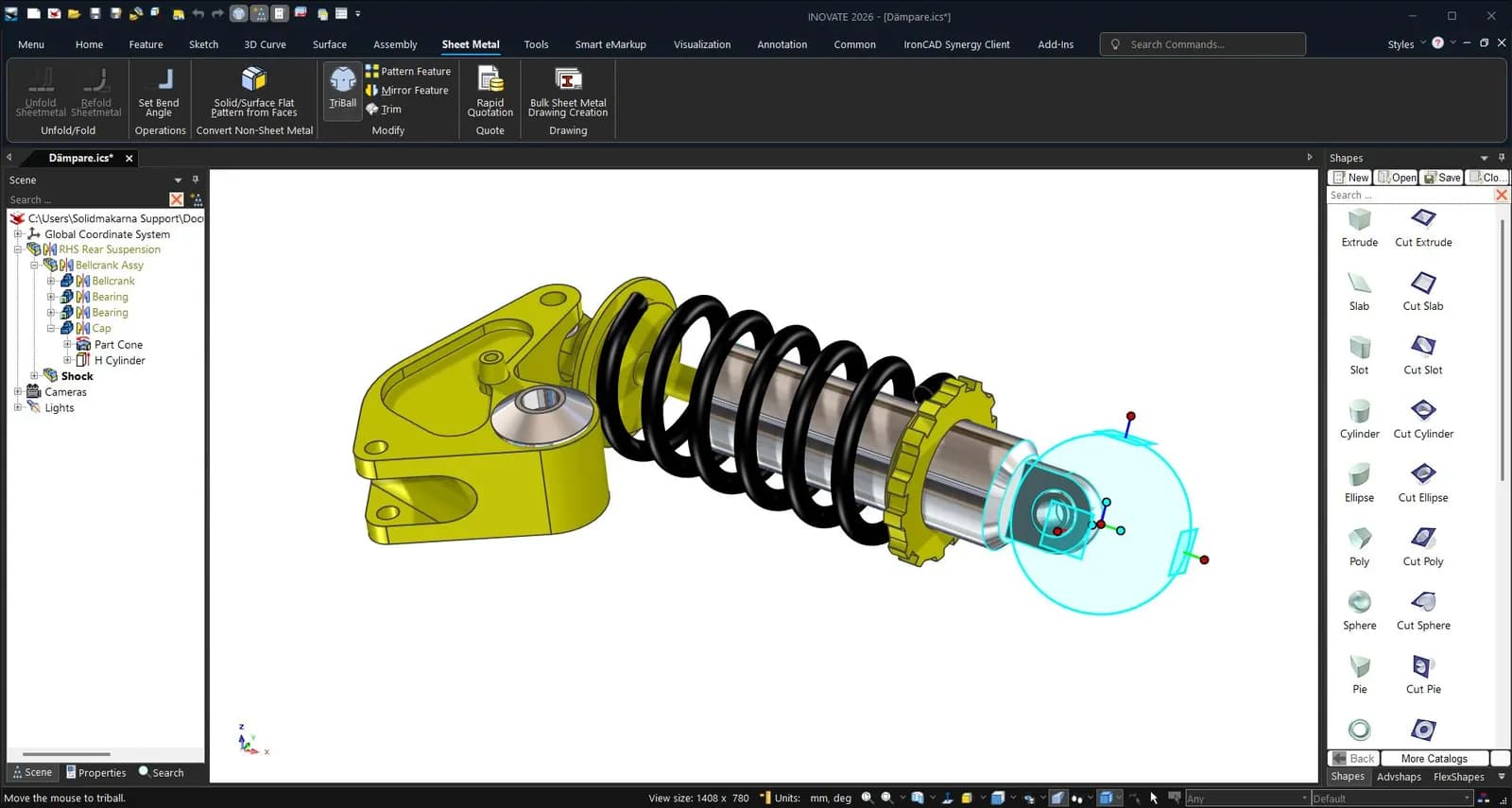
- Build the 1:1 model. Machines, conveyors, racks and structures are placed at true scale. Where OEM CAD is missing, simplified blocks with correct envelopes are enough.
- Add movement where it matters. Forklift paths, robot reach envelopes, door swings and simple product flow.
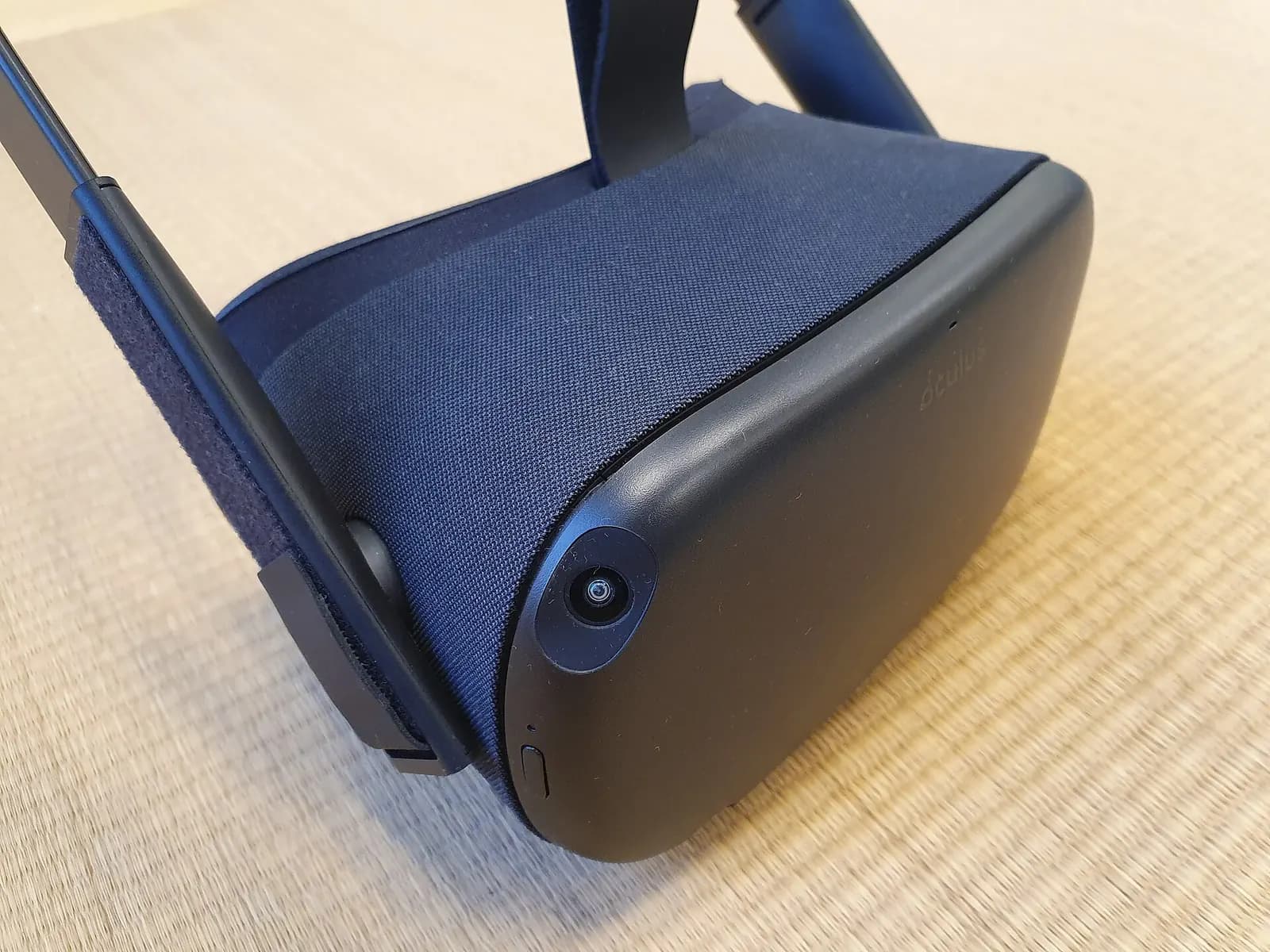
- Review in VR. Cross-functional teams walk through in headsets, flag issues and compare options.
- Record decisions. Each issue is logged with a screenshot, an owner and the agreed change, and the model is updated for sign-off.
BMW Group Celebrates Opening the World's First Virtual Factory in NVIDIA Omniverse
NVIDIA
This video is hosted on YouTube. Playing it loads content from Google, which may set cookies.
Watch on YouTubeWhy manufacturers are investing in digital twins
Digital twins have moved from research to mainstream planning. Grand View Research, as reported in a PR Newswire release, valued the global digital twin market at about USD 35.8 billion in 2025 and expects 31.1% annual growth to 2033. Large vendors are investing: Siemens launched Digital Twin Composer in January 2026, built on NVIDIA Omniverse libraries, according to MarketsandMarkets. Standards are following too. The ISO 23247 series sets out a digital twin framework for manufacturing, which helps if you want the model to stay useful beyond the planning stage.
Who should be in the VR review
| Role | What they look for |
|---|---|
| Production head and shift leaders | Flow, staffing, line balance, visibility |
| Maintenance | Access, lifting points, spares storage |
| EHS | Escape routes, guarding, pedestrian and vehicle separation |
| Quality | Sampling points, segregation of rejects |
| Project and civil engineers | Foundations, utilities, structural clashes |
| OEM representatives | Clearances their machines need |
Shop-floor people are the most valuable reviewers and the ones most often left out. An operator who has run a similar line for ten years will spot in seconds that the reject bin is on the wrong side. Give them a headset early in the session.
A typical finding, and what it saves
Picture a new snacks line in a leased shed near Bengaluru. On the drawing, the fryer, seasoning drum and packing machines fit with a metre to spare. In VR, the maintenance lead stands behind the fryer and finds the exhaust duct sits exactly where he would need to lift out the conveyor belt. The packing supervisor notices that empty carton supply crosses the finished-goods forklift route. Both fixes take an afternoon in the model. On site, after installation, the first would have meant cutting and re-routing ductwork and the second a permanent traffic hazard.
From planning model to working twin
The layout model need not be thrown away after sign-off. Add PLC logic and it becomes a virtual commissioning model for testing the control system. Connect it to live sensor and machine data and it becomes an operational twin for monitoring. Use it in headsets for operator induction, as described in our article on VR safety training. One model built from your CAD can serve all four jobs, which is why we recommend building it carefully the first time.
How long does it take?
A layout review model for a single line can be ready in a few weeks if equipment CAD is available. A full digital twin project with live data typically takes 12 to 24 weeks, according to our partner brand iUNI. The planning model is the first slice of that work, and it is the slice that pays back fastest on a new build.
Layout planning with Wartens in India
In India we offer VR walk-throughs for layout sign-off on greenfield and brownfield projects, alongside virtual commissioning of new lines and turnkey delivery on site. Because we are automation engineers first, the model is built to carry on into commissioning and operations rather than end as a presentation. See our digital twin services, the wider context on our India automation page, or send us your layout drawings to discuss a review.