Virtual commissioning in India works the same way it does anywhere: the real PLC program runs against a simulation model of the machine or line, and the team debugs sequences, interlocks, alarms and HMI screens before any equipment is on site. What an India engineering centre adds is capacity and cost: the model and the testing are done in Bengaluru, and you review the results remotely before site work starts.
It is not a theory imported from Europe. Pune-based Wipro PARI used virtual commissioning on a brownfield engine assembly line and, according to Siemens, cut on-site commissioning time by 70%, finishing in three months against an estimated six to eight.
How virtual commissioning works
There are three parts. The controller is either the real PLC on a bench or an emulator such as Siemens S7-PLCSIM Advanced or Rockwell FactoryTalk Logix Echo, which emulates ControlLogix and CompactLogix controllers. The model behaves like the machine: conveyors move, sensors switch, cylinders take time to extend. The coupling exchanges I/O between them every cycle, so the program cannot tell it is not on site.
Models range from simple signal-level behaviour to full 3D physics. The German guideline VDI/VDE 3693 Part 1, revised in May 2025, defines the model types, test configurations and terms, and is a useful reference when you specify how deep the model should go.
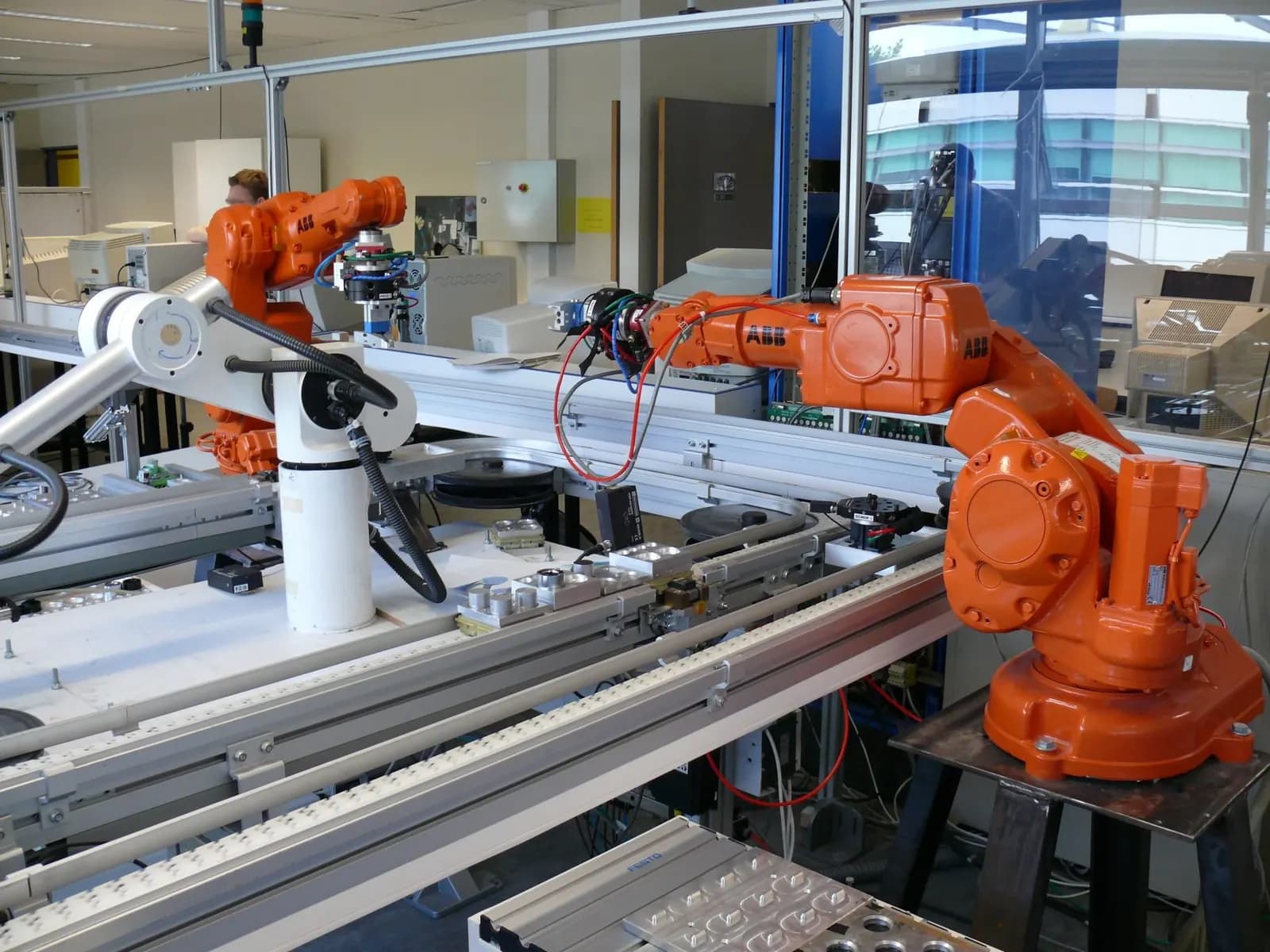
How a project runs with a Bengaluru engineering centre
- Discovery. A short call and a review of your layout, equipment list, I/O list and any existing code.
- Fixed scope and quote. A written scope listing the machines modelled, the model depth and the test scenarios, with a schedule and price.
- Engineering and simulation. The PLC and HMI software is built and tested against the model, scenario by scenario.
- Remote acceptance. You and your production team watch the program run against the model over a video session, try your own scenarios and sign off the results.
- Site support. In India our engineers commission on site; elsewhere your team or a local partner commissions with our engineers joining remotely.
- Handover. Tested code, the test record, documentation and the model, which can be reused for training or the next line.
Virtual Commissioning: Connecting PLCSIM Advanced and Plant Simulation
Siemens Knowledge Hub
This video is hosted on YouTube. Playing it loads content from Google, which may set cookies.
Watch on YouTubeA worked example: a bottling line
Take a typical Indian beverage or pharma liquid line: a rinser, filler, capper, labeller and case packer from four suppliers, tied together by a line PLC. The model gives each machine simple behaviour: it accepts bottles when its infeed is clear, takes its cycle time, and raises a fault on command. The conveyors between them have real lengths and speeds, and accumulation sensors switch as bottles build up. Against that model the team tests what usually goes wrong at site: the filler starving after a labeller jam, the line restarting in the wrong order after an E-stop, a changeover that leaves a stale recipe in one machine. Each failure found in Bengaluru is one that does not hold up a start-up in front of the client.
Remote acceptance on such a line is practical, not ceremonial. Your production head joins a video session, calls out a scenario, such as stopping the capper for two minutes, and watches the buffers, alarms and HMI respond. Anything that behaves differently from how the plant actually runs goes on a punch list, gets fixed and is shown again. The signed list becomes part of your test evidence.
What you need to send
- Layout drawing and equipment CAD, or at least outline dimensions.
- I/O list, network architecture and the target PLC platform and firmware.
- Machine cycle times, conveyor speeds and buffer sizes.
- OEM interface documents for every machine that talks to the line PLC.
- Your test scenarios: changeovers, jams, E-stops, power return, recipe changes.
Late OEM interface documents are the most common reason a model stalls, so put dates for them into each equipment purchase order. Our article on virtual commissioning for new PLI plants covers how to fit this into a greenfield schedule.
What drives the cost
| Cost driver | Lower effort | Higher effort |
|---|---|---|
| Model depth | Signal-level behaviour | 3D physics, robot paths |
| Scope | One machine or cell | A full line with many suppliers |
| Inputs | CAD and I/O lists ready | Data collected from OEMs during the job |
| Testing | Agreed scenario list | Open-ended debugging |
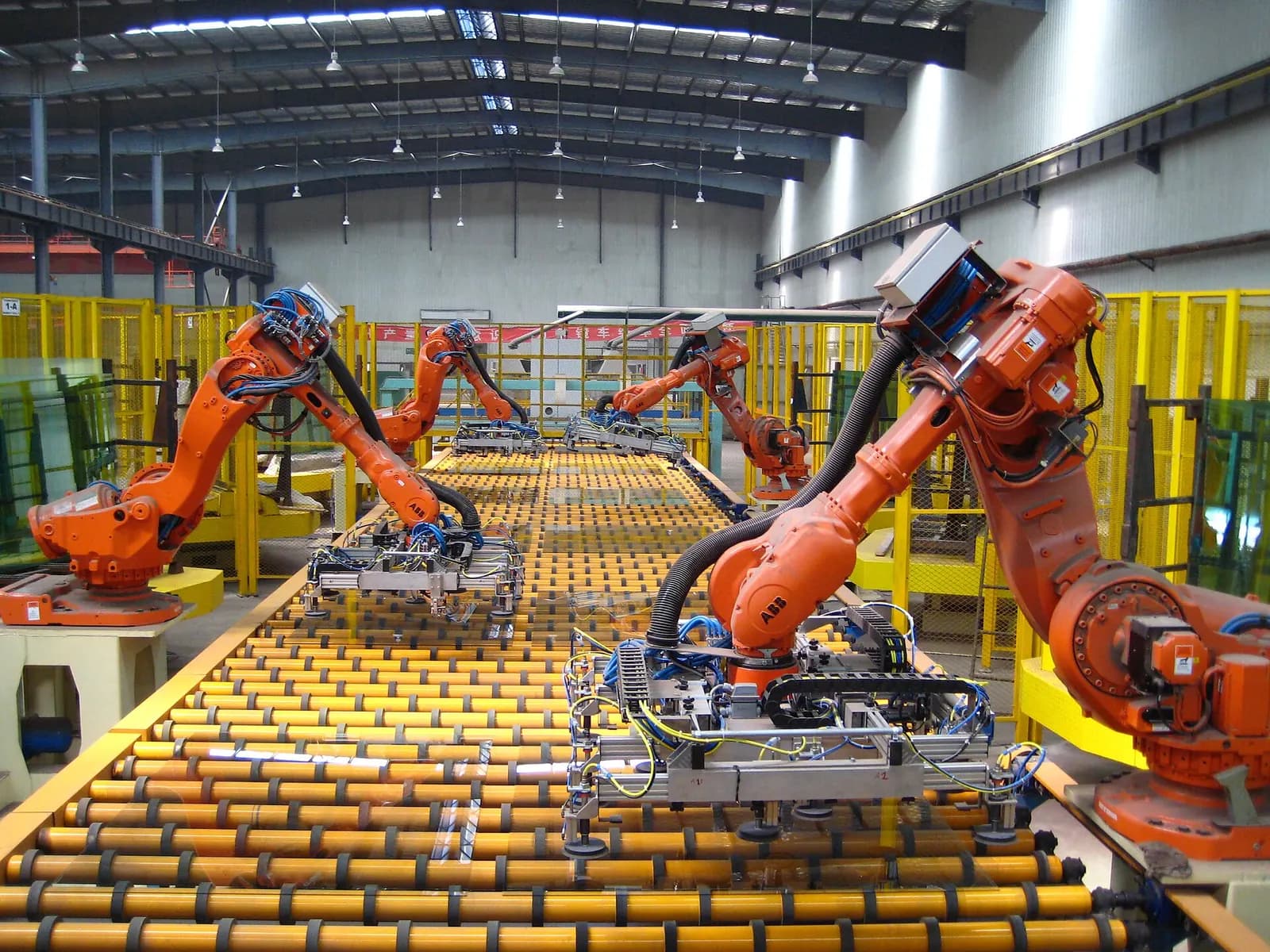
A behavioural model is enough for most packaging and process lines. Robot-heavy assembly justifies physics. Do not over-model; build the depth that matches the risk. The ISA InTech account of machine builder Tronrud, which cut commissioning time by 25%, is a good example of the gains from a focused model rather than a perfect one.
Virtual commissioning from Wartens
In India we combine virtual commissioning and digital twins with turnkey automation delivery, so the team that tested the logic also commissions it. The models are built with iUNI, our digital twin company; see the iUNI digital twin product brief.
Next step: send your layout, I/O list and target start-up date through the contact page. We will come back with a written scope that says which machines are worth modelling.