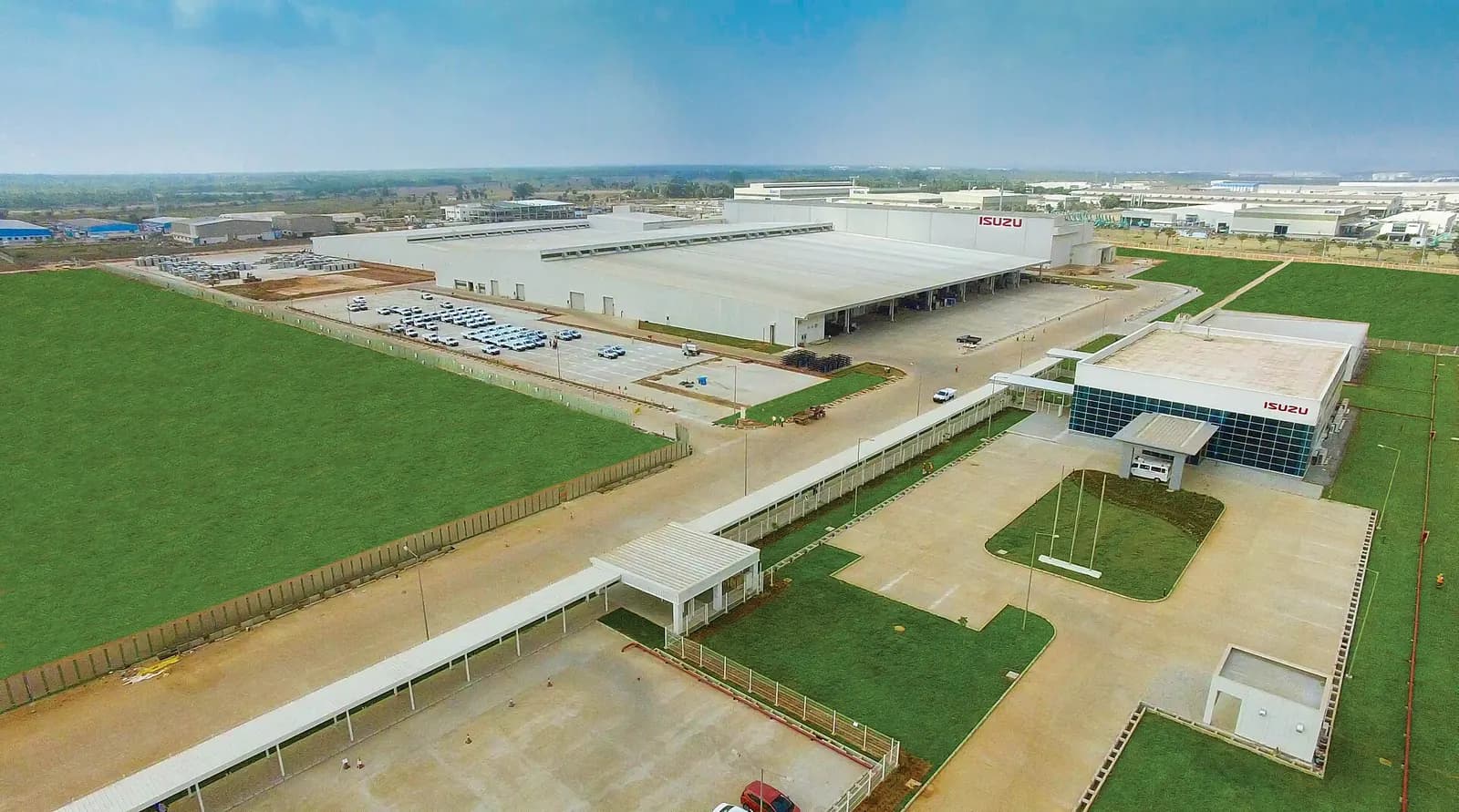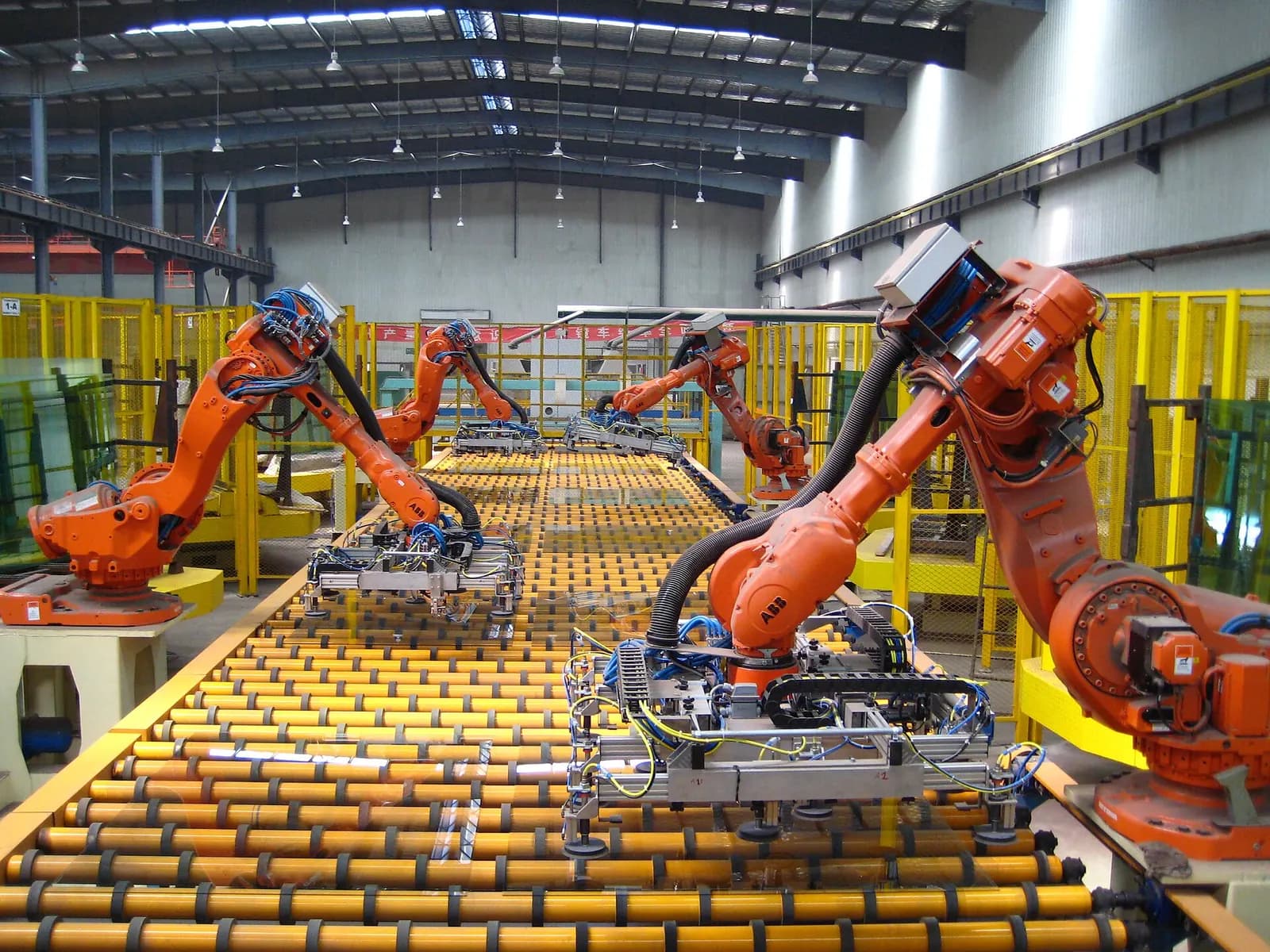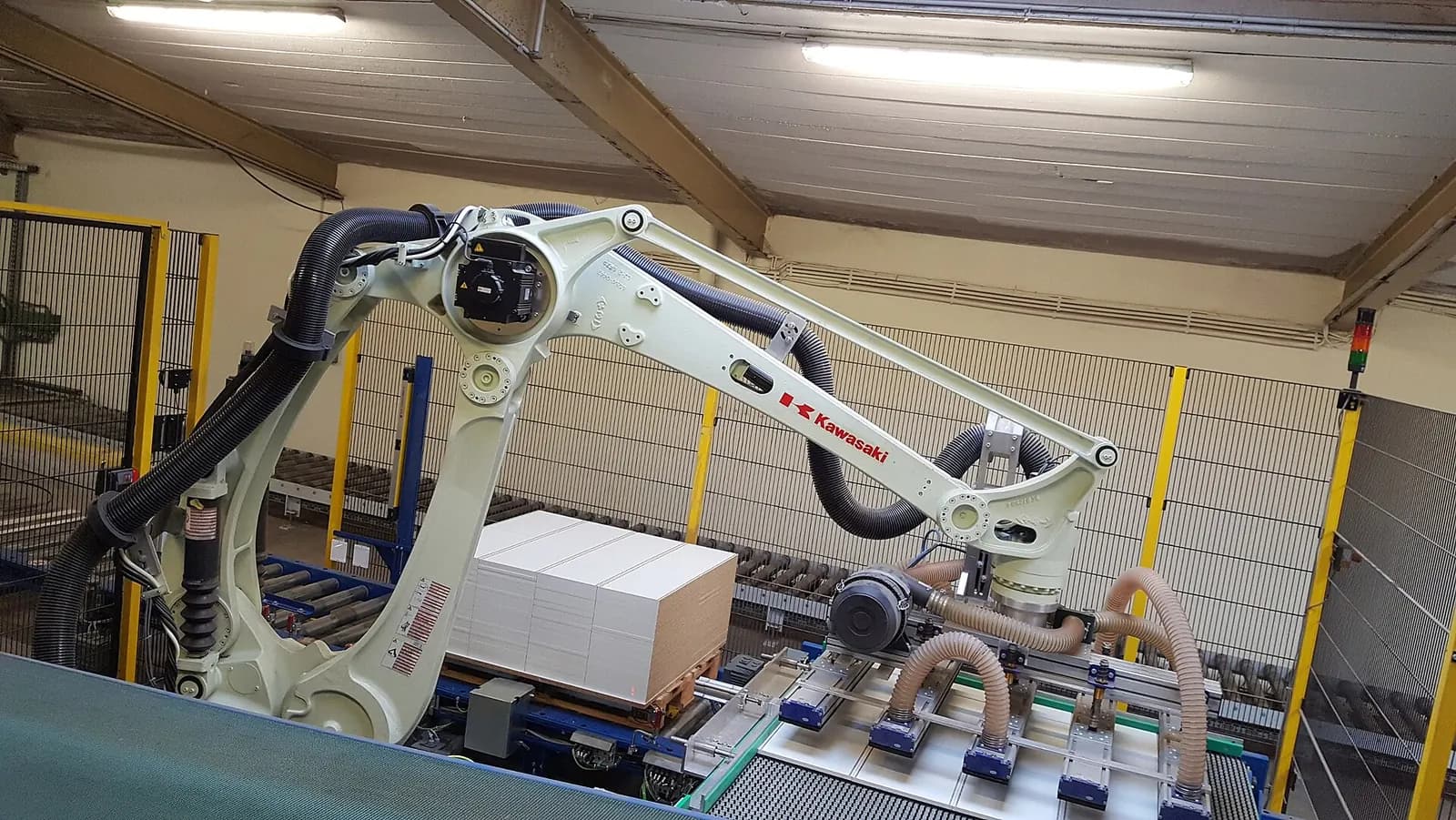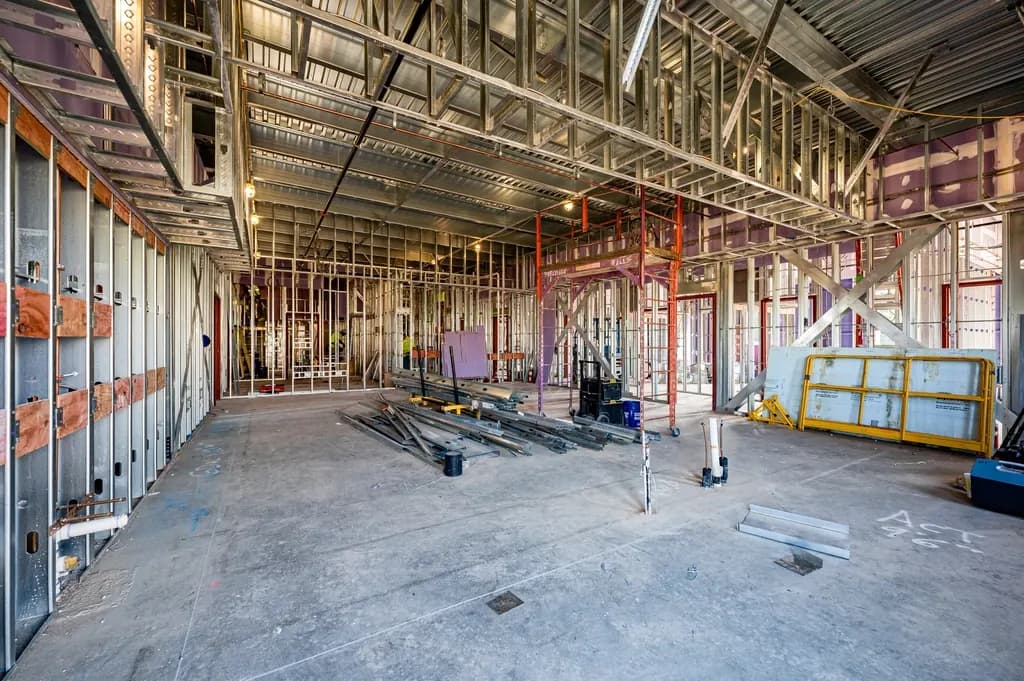
A digital twin for a greenfield plant is a virtual copy of the factory built from CAD before the building is finished, used to plan the layout, rehearse commissioning against the real PLC program and train operators, then connected to live sensor data once production starts. In India, where new plants are being built against Production Linked Incentive timelines, it moves months of debugging off the critical path.
The scale of new building is large. Government figures reported by Morung Express (IANS) put actual PLI investment across 14 sectors at over ₹2.40 lakh crore by 31 March 2026. Much of that is greenfield: new sheds, imported machines arriving in batches, and a start-of-production date already promised to customers.
Why a greenfield plant needs a digital twin early
On a brownfield line you can study what exists. On a greenfield site nothing exists yet, so every decision rests on drawings, and the first time the control logic meets the machines is usually at site, with the customer waiting. A twin turns that around. The integrator connects the PLC program to a model of the line and debugs sequences, interlocks and alarms while civil work is still under way. The evidence is consistent: machine builder Tronrud cut commissioning time by 25%, according to ISA InTech, and Siemens reports real commissioning of machine tools up to 70% faster.
What the twin does at each stage of the build
| Plant stage | What the twin does | Inputs needed |
|---|---|---|
| Layout and civil design | Walk-through, material flow, what-if scenarios | Layout CAD, equipment outlines |
| Equipment ordering | Fixes machine interfaces in the model | OEM I/O lists, cycle times |
| Panels and software | Virtual commissioning rehearsal with the real PLC program | PLC code, I/O list, HMI |
| Installation | Operator and maintenance training before start-up | Final HMI screens, procedures |
| Production | Live monitoring, anomaly detection, planning changes | Sensor data, SCADA tags |
The point of the table is reuse. One model, built once at 1:1 scale from CAD, serves five purposes across two years, instead of a layout model, a simulation model and a monitoring dashboard bought separately from three vendors.
What an iUNI digital twin includes
iUNI, the Wartens group's VR and digital twin company, builds twins from CAD data at 1:1 scale, with real-time IoT data integration, predictive maintenance and anomaly detection, what-if scenario simulation, a web-based 3D viewer that needs no installation, and integration with SCADA, PLC and ERP systems. The deliverables are the twin platform with its 3D viewer, an IoT integration layer, an analytics and reporting dashboard, and a VR/AR visualisation module. iUNI quotes a typical timeline of 12 to 24 weeks.
What makes the difference on a plant project is who builds it. Wartens are automation engineers first, so the twin runs the same control logic the plant will run, and virtual commissioning tests the real PLC program against the model before site work.
Why digital twins will be the backbone of industry in the future
Siemens Knowledge Hub
This video is hosted on YouTube. Playing it loads content from Google, which may set cookies.
Watch on YouTubeFitting a 12 to 24 week twin into a plant schedule
- Start at layout freeze. The model needs the building layout and equipment outlines; it does not need final machines.
- Write data obligations into purchase orders. Each OEM must supply CAD or outline dimensions, I/O lists, cycle times and interface documents by a date. Late OEM data is the main reason twins stall.
- Rehearse commissioning while panels are built. The PLC program is tested against the model in the weeks when the panel shop and site teams are busy anyway.
- Train on the twin before start-up. Shift leaders learn the real HMI and the fault scenarios before the first product runs.
- Connect live data after handover. Sensors and SCADA tags turn the commissioning model into an operational twin.
Keep the framework simple. ISO 23247-1 sets out an overview and general principles for digital twin frameworks in manufacturing; it is a useful checklist for what a twin should observe, model and exchange, without dictating a tool.
Who owns the twin after handover
Settle ownership in the contract, not at handover. The plant should own the model files, the data mappings and the documentation, with clear terms for hosting the web viewer and for updates when the line changes. Name an internal owner, usually in engineering or maintenance, who keeps the model in step with modifications. A twin that is not updated after the first machine change quietly becomes a picture of a plant that no longer exists. Budget a small amount of engineering time each year for that upkeep, and decide early which live signals matter: energy per unit, downtime reasons and a handful of critical temperatures or pressures are usually worth more than every tag in the SCADA.
How Wartens delivers it in India
In India we offer virtual commissioning and digital twins for new PLI lines before equipment arrives, alongside turnkey delivery on site, so the engineers who tested the logic also commission it. Read how virtual commissioning works for new PLI plants, how teams sign off factory layouts in VR, and the investment picture on our India automation page. Current iUNI price ranges are published on iuni.ai.
Next step: send your layout drawing, equipment list and start-of-production date through the contact page. We will tell you which stages of a twin pay back on your project, and which do not.