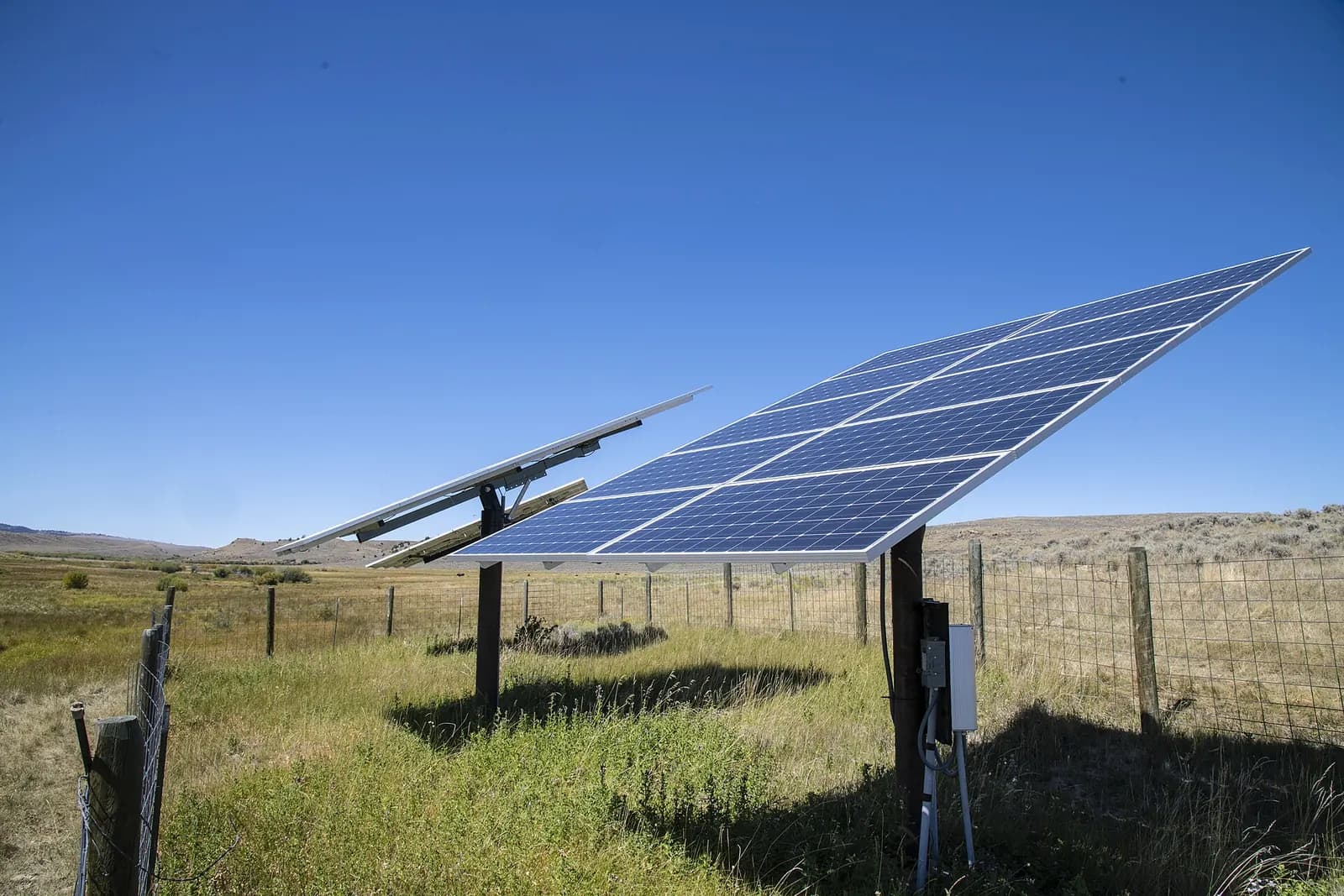
The solar water pump subsidy in Kerala comes mainly through PM-KUSUM, run in the state by ANERT. For standalone solar pumps (Component B) and for solarising existing grid-connected farm pumps (Component C), the cost is shared: 30% from the Centre, at least 30% from the State, and 40% from the farmer, for pumps up to 7.5 HP. You apply through ANERT, a registered agency installs the system, and the subsidy covers the benchmark or tendered cost, whichever is lower.
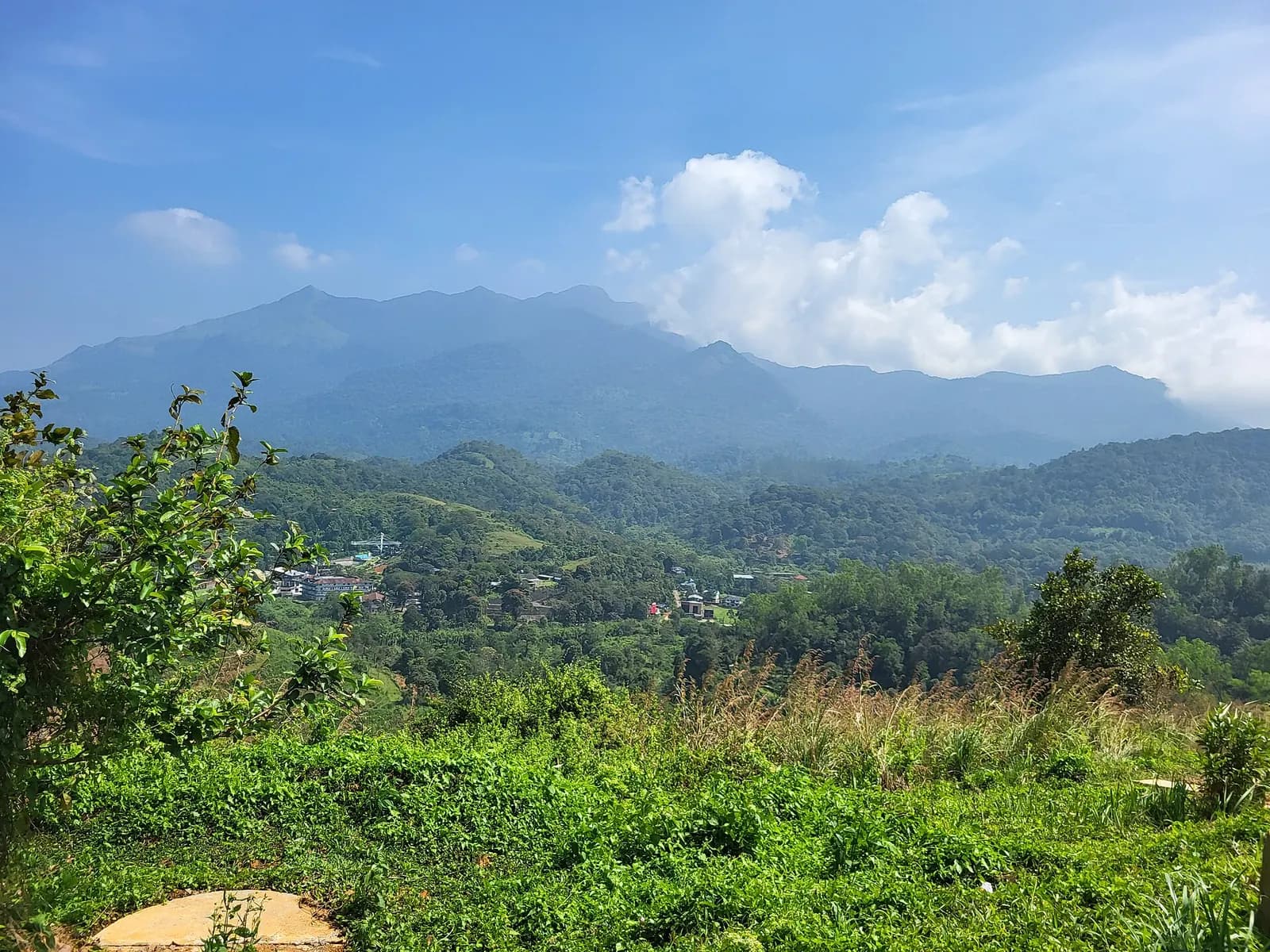
For farms in Wayanad, Kasaragod and the midlands of Kannur and Kozhikode, where diesel pumps are still common for areca, banana, coconut and vegetable plots, a solar pump removes fuel costs and the trip to buy diesel. Kerala had 826 off-grid solar pumps as on 31 March 2026, according to MNRE's renewable energy statistics for 2025-26, so there is plenty of room to grow.
The three components of PM-KUSUM
| Component | What it covers | Who it suits |
|---|---|---|
| A | Small solar plants of 500 kW to 2 MW on barren or farm land, selling power to the DISCOM | Farmer groups, cooperatives, landowners |
| B | Standalone off-grid solar pumps up to 7.5 HP, replacing diesel pumps | Farms with no grid supply or relying on diesel |
| C | Solarising existing grid-connected pumps up to 7.5 HP | Farms with KSEB agricultural connections |
The component details and cost shares are set out on the PM-KUSUM national portal. In north-eastern, hill and island states the central share is higher, at 50%, with the farmer paying 20%. Kerala falls under the general category.
PM KUSUM
mnreindia
This video is hosted on YouTube. Playing it loads content from Google, which may set cookies.
Watch on YouTubeHow to apply in Kerala
- Check the current call for applications on ANERT's PM-KUSUM page, which covers Components B and C in Kerala.
- Register with your land details, water source and, for Component C, your KSEB agricultural consumer number.
- Pay the farmer share as instructed once the application is accepted.
- An empanelled agency surveys the site, installs the pump and panels, and commissions the system.
- Inspection and handover, with warranty and maintenance terms set by the scheme.
Scheme timelines change. MNRE's progress update recorded an extension of PM-KUSUM until 31 March 2026. Before you plan around the subsidy, confirm with ANERT whether new applications are open and on what terms.
How to size a solar pump for your farm
A solar pump only runs when the sun shines, so size it to deliver a day's water in about five to six good sun hours. Three numbers matter:
- Total head. The vertical lift from the water level in your well or pond to the highest outlet, plus friction losses in the pipes. Measure the dry-season water level, not the monsoon level.
- Daily water need. Litres per day for your crops and area in the driest month. Drip irrigation reduces it sharply.
- Water source. Open well, borewell or pond. Borewells usually need submersible pumps; open wells and ponds can use surface pumps.
With those numbers, the supplier selects the pump, its HP rating and the panel array. Under PM-KUSUM Component C, the solar capacity can be up to twice the pump rating in kW, which helps run the pump through more of the day.
Add a storage tank, and consider drip
Store water instead of electricity. A raised tank or a lined farm pond filled during sunny hours lets you irrigate by gravity in the evening and on cloudy days, without a battery. Combine the pump with drip or sprinkler irrigation and the same pump covers a larger area, because less water is wasted.
Looking after a solar pump
- Clean the panels regularly in the dry season, when pumping demand is highest and dust is worst.
- Keep the controller in a shaded, ventilated box, away from rain and rodents.
- Check that the array is firmly fixed before the monsoon, and that cattle cannot rub against it.
- Watch for falling flow on sunny days: it can mean a dropping water table, a clogged foot valve or a worn pump.
- Keep the warranty card and the agency's phone number in the pump house, not in a drawer at home.
A solar pump has fewer moving parts than a diesel set and no fuel or oil to manage, so routine work is light. Most failures come from water quality, sand in borewells and damaged cables, all of which a short check every few months will catch early.
Off-grid solar beyond the pump
Many farms also need light and small loads in a shed or a farm house with no KSEB connection. A small off-grid system with a battery can power lights, a fan, a phone charger and a sprayer charging point. These systems are outside the PM Surya Ghar subsidy, which only covers grid-connected homes, but they are often cheaper than extending a line.
Wartens Energy for farm solar in North Kerala
Wartens Energy installs farm and off-grid solar pumps, as well as home and commercial rooftop systems, across Kannur, Kasaragod, Kozhikode and Wayanad from our base in Iritty. We can survey your water source, work out head and flow, and recommend a pump and array. See energy systems services, read about on-grid and hybrid systems for homes, or contact us to arrange a farm visit.