To become an automation engineer in India, you need an electrical, electronics, instrumentation or mechatronics background, solid practical skills in PLC programming, HMI and SCADA, drives and control wiring, and time on real equipment. Most people enter as trainee engineers at system integrators, machine builders or plant maintenance teams, and build experience through commissioning work.
It is a good time to enter the field. India installed almost 10,500 industrial robots in 2025, sixth in the world, according to IFR figures reported by UNI, and PLI schemes have drawn over ₹2.40 lakh crore of actual investment into new plants by 31 March 2026, as Morung Express (IANS) reported. Every new line and every robot cell needs people who can program, commission and maintain the controls.
What does an automation engineer do?
- Design. I/O lists, control philosophies, panel layouts and network architectures.
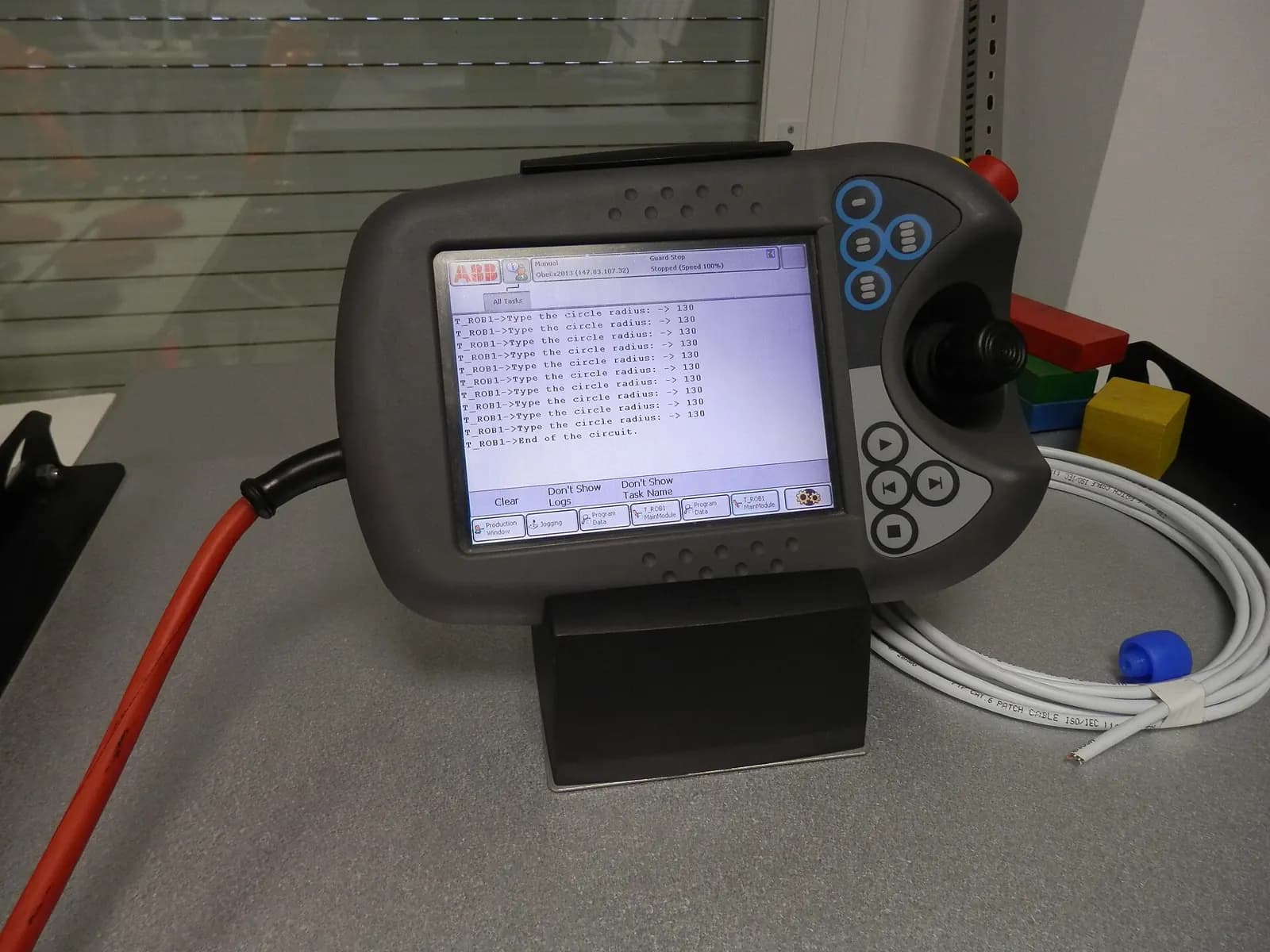
- Programming. PLC logic, HMI screens, SCADA, drive parameters and robot interfaces.
- Testing. Factory acceptance tests and, increasingly, testing against simulated machines.
- Commissioning. Loop checks, sequence testing and getting a line to rated speed on site.
- Support. Fault finding, modifications and improvements after handover.
A day in the life of an Automation Specialist at Siemens
Siemens Knowledge Hub
This video is hosted on YouTube. Playing it loads content from Google, which may set cookies.
Watch on YouTubeRoutes into automation in India
| Starting point | Typical first role | What to add |
|---|---|---|
| B.E./B.Tech in EEE, ECE, E&I, mechatronics | Trainee or graduate engineer at an integrator or OEM | Hands-on PLC, drives and site exposure |
| Diploma in electrical or electronics | Automation technician, commissioning assistant | Programming depth, documentation skills |
| ITI electrician or instrument mechanic | Panel wiring, maintenance technician | PLC fundamentals, HMI, troubleshooting |
| Mechanical engineer | Maintenance or project engineer | Electrical control basics, PLC programming |
The skills employers actually test
Core technical skills
- Reading electrical drawings and control circuits.
- PLC programming in ladder and structured text on at least one major platform, as defined in IEC 61131-3.
- HMI and SCADA configuration: screens, alarms, trends, user levels.
- VFD setup and control from a PLC.
- Industrial networks: PROFINET, EtherNet/IP, Modbus.
- Analogue signals, scaling and basic PID control.
Skills that set people apart
- Methodical troubleshooting under pressure.
- Clear documentation: comments, change notes, test records.
- Basic safety knowledge: lock-out, guarding, safety relays and robot cell safety.
- Communicating with operators, OEMs and clients without jargon.
- Willingness to travel and work on site, especially early in a career.
How to build experience before your first job
- Take free courses to learn the concepts. Our guide to free PLC courses with certificates has a 12-week plan.
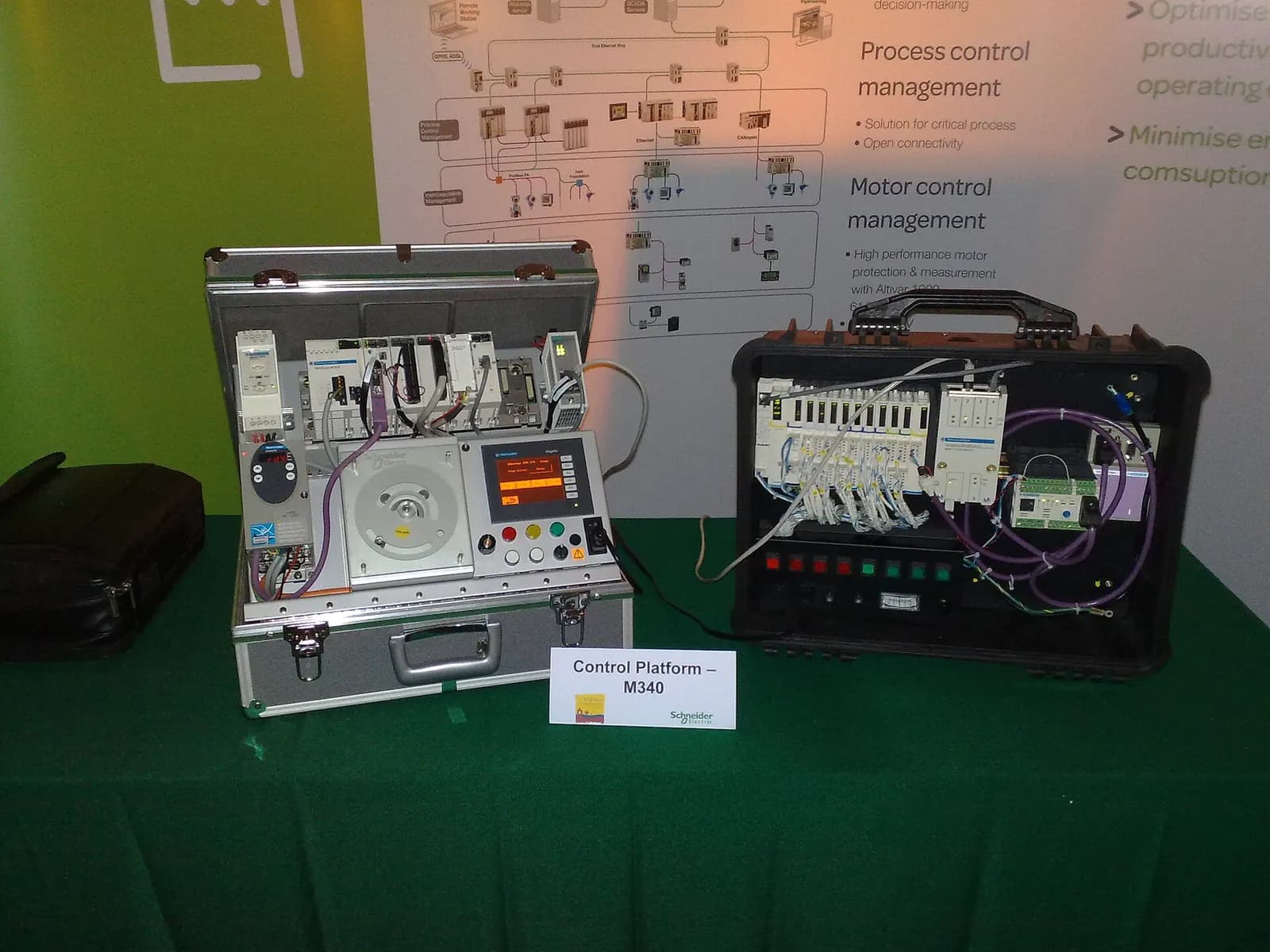
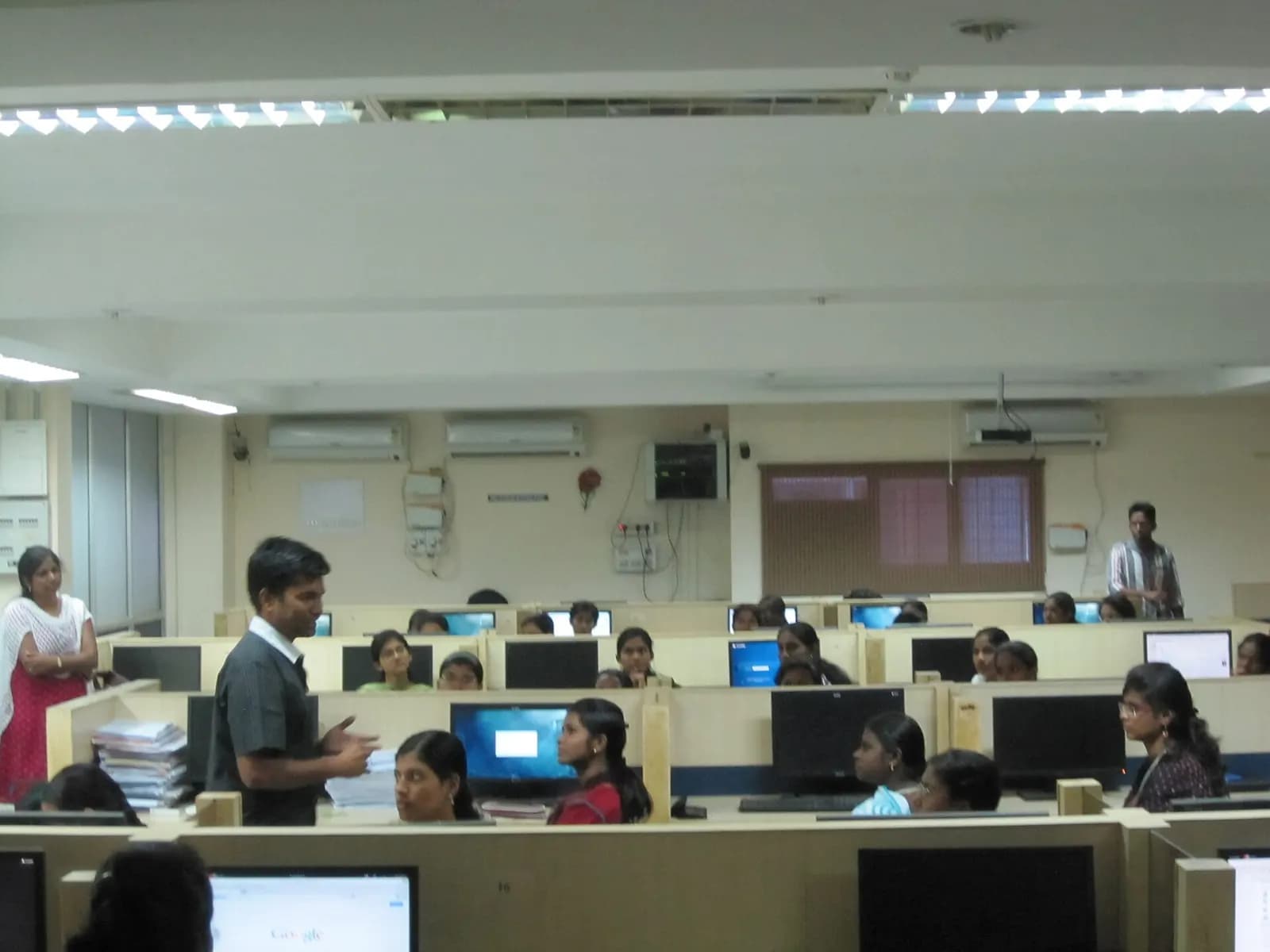
- Get hands-on time on real panels through a classroom programme, college lab or internship.
- Build one complete project you can explain line by line.
- Learn one platform deeply and two others well enough to read and modify programs.
- Apply for trainee roles at integrators and machine builders, where you see the most variety.
Where automation engineers work
System integrators give the widest exposure: different industries, brands and sites. Machine builders give depth on one type of machine and often international travel. Plant maintenance and projects teams in pharma, FMCG, auto and process industries give stability and ownership of a site. Many engineers start at an integrator for three to five years and then move to a plant or a senior design role. Specialisations later include robotics, process control and DCS, safety systems, industrial cybersecurity and digital twins.
Location matters less than it used to. Engineering centres in Bengaluru, Pune, Chennai and Hyderabad now design control systems for plants across India and abroad, testing software remotely and sending engineers to site only for commissioning. That means a fresher in a Tier 2 city can still build a strong career, provided the skills are real and the willingness to travel is there.
Professional development continues after the first job. Bodies such as ISA run certificate programmes in areas like industrial cybersecurity and safety instrumented systems, and manufacturers run advanced product training. These become valuable once you have a few years of site experience to anchor them.
What site work is really like
Commissioning is where automation engineers learn fastest, and it is demanding. A typical trip to a new plant in Gujarat or Tamil Nadu might last two to six weeks. The first days go on loop checks: confirming that every sensor, valve and motor is wired to the right PLC address. Then come dry runs without product, wet runs with product, and finally a performance run with the client watching. Hours are long when a start-up date is close, and problems are rarely where you expect them. Engineers who stay calm, keep notes and communicate clearly with the client's team are the ones who get trusted with bigger projects.
Mistakes freshers make
- Changing a running program without a backup or without telling anyone.
- Forcing outputs on a live machine without checking what moves.
- Learning only one brand's software and avoiding everything else.
- Ignoring the electrical side. Many faults blamed on software are wiring or power problems.
- Not asking operators what the machine actually does. They usually know.
How edWartens helps
edWartens, the training arm of Wartens, runs a classroom Automation Engineer Program at our Electronic City centre in Bengaluru, covering 20 PLC brands, and free online courses with optional certificates. Our courses include placement assistance, such as interview preparation and introductions to employers. We never guarantee a job or a salary. Read our guide to PLC training in Bangalore, see engineering training services, or contact us to visit the centre.