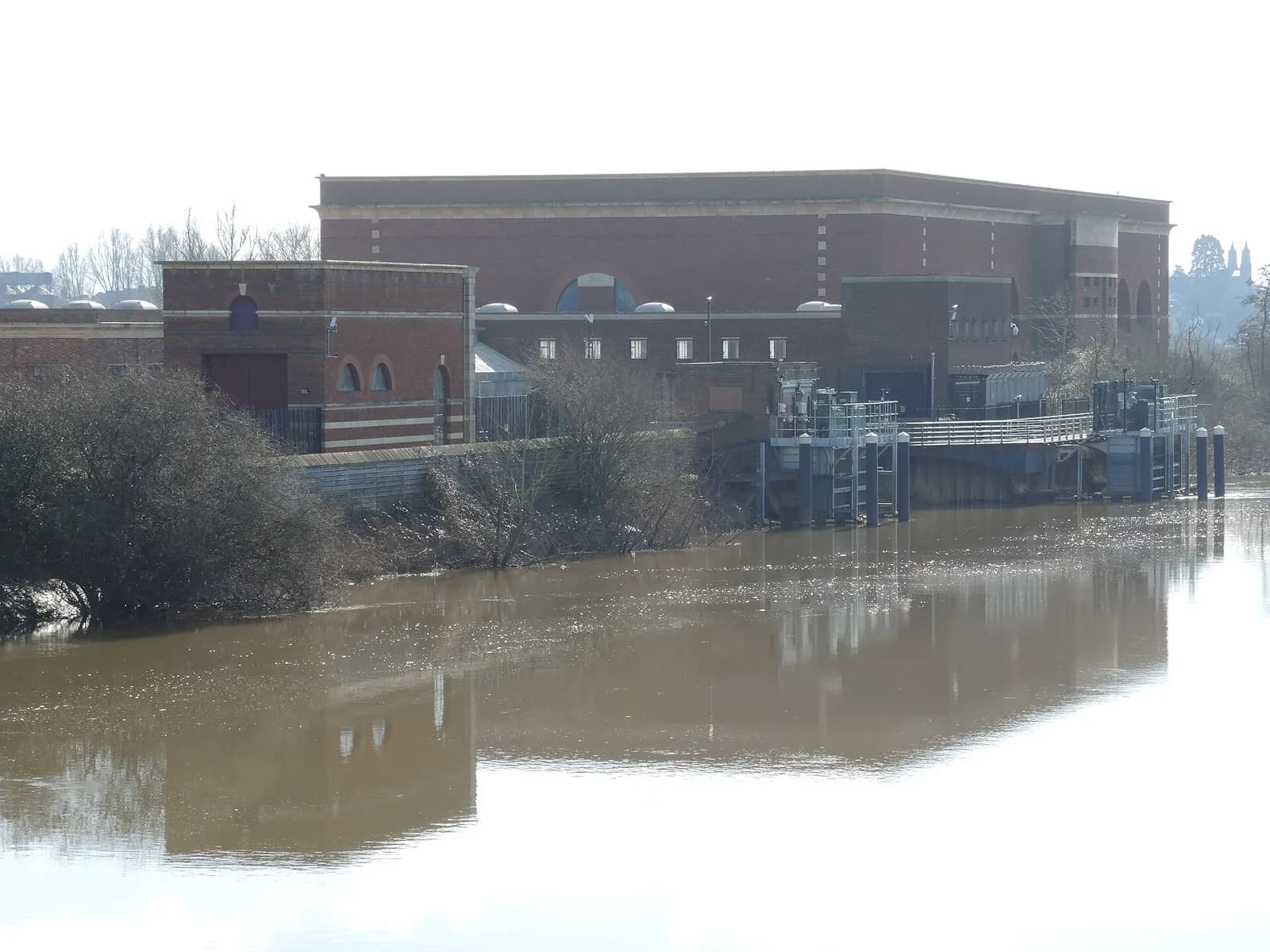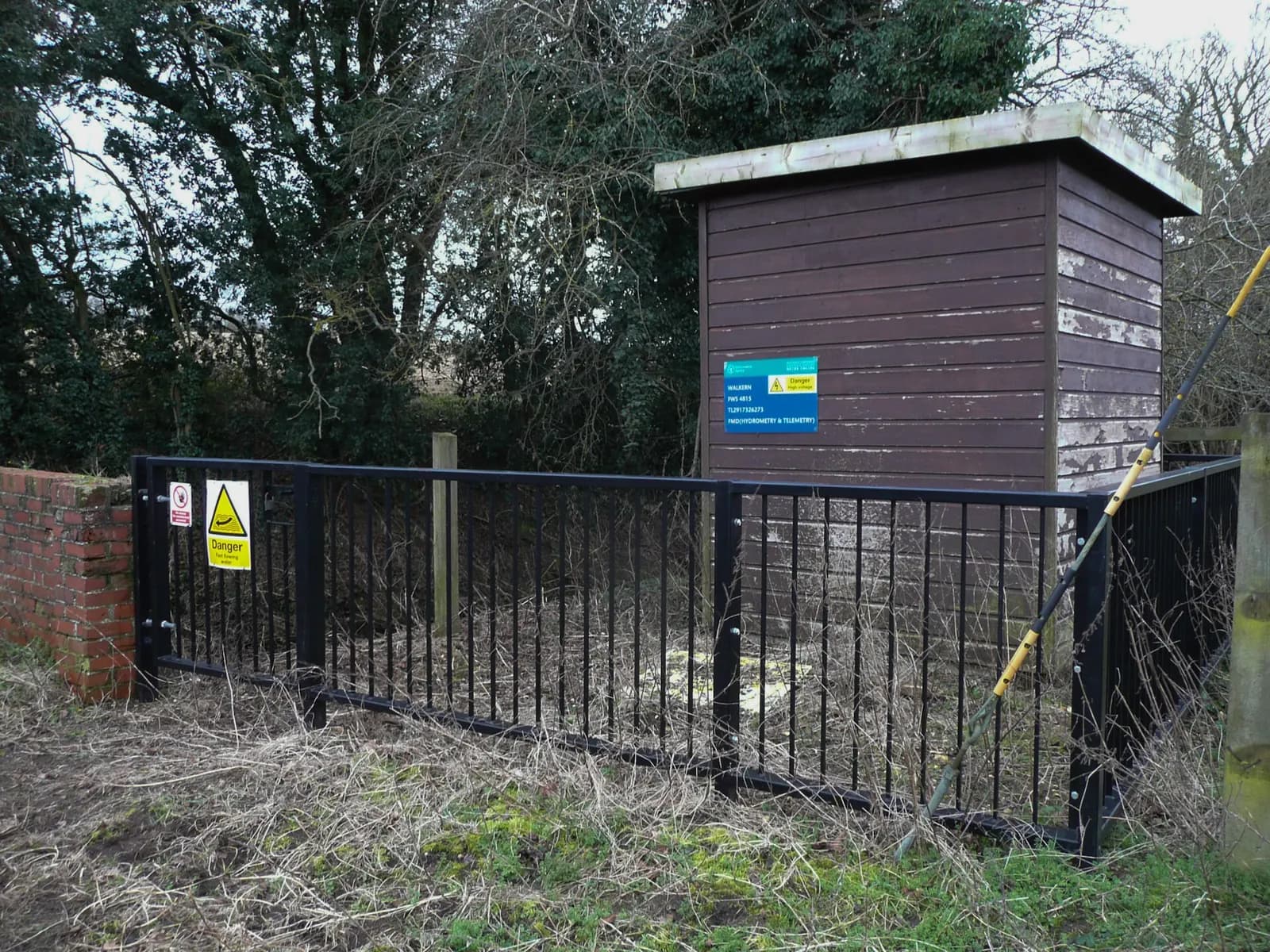
Telemetry outstation replacement is moving up water company priority lists because the analogue phone network is closing. Openreach says that on 31 January 2027 all traditional phone lines will be going digital, and equipment connected to those lines, from alarms to lift phones, needs to be checked. Remote pumping stations, overflows and service reservoirs that still dial in over copper fall into the same category.
The outstation, often called an RTU, is the box that collects levels, pump states and alarms at a remote site and sends them to the control centre. When it fails or loses its link, the site goes dark. With pumping stations recording 693 pollution incidents in 2024 according to the Environment Agency's 2024 report, a dark site is not an option.
Why telemetry outstation replacement is urgent now
- Communications. Sites relying on analogue dial-up or leased copper need a new bearer, usually IP over mobile or fixed broadband, and many older outstations cannot use it.
- Obsolescence. Outstation families installed in the 1990s and 2000s are out of production, and spares come from scrapped sites.
- Reporting. Storm overflow starts and stops must be published within an hour since 1 January 2025, per the Defra storm overflows guidance. Reliable, time-stamped data is now a compliance matter.
Replace the comms only, or the whole outstation?
Not every site needs a new RTU. If the existing unit supports an IP interface and is still supported by its maker, a router swap may be enough. If it only speaks dial-up, has no spares, or cannot hold time-stamped events through a comms outage, replacement is usually cheaper over the AMP8 period.
| Situation | Usual answer | Reason |
|---|---|---|
| Supported RTU with IP option | Comms upgrade only | Lowest site disruption |
| Obsolete RTU, simple site | Like-for-like outstation swap | Reuse field wiring and panel |
| Site also needs new control logic | Combined PLC and telemetry upgrade | One design, one test |
| Overflow with new EDM duties | New RTU with event logging | Time-stamp accuracy and buffering |
Protocols and the control centre
The outstation is only half the job. The control centre has to recognise it, poll it or accept unsolicited reports, and map every point to the right display and alarm. Many UK water networks use DNP3 or a manufacturer protocol between outstation and master station. The DNP Users Group describes DNP3 as an open protocol for RTUs and master stations, adopted as IEEE Std 1815 in 2010 and widely used in water and wastewater.
Whatever the protocol, the point list is the critical document. A mismatch between the outstation configuration and the master station database is the single most common cause of failed telemetry commissioning we see.
A replacement method that scales across hundreds of sites
- Group sites by type. Pumping stations, overflows, reservoirs and boreholes each get a standard I/O template and point list.
- Build a standard configuration. One tested outstation configuration per template, under version control.
- Test against the master station. Bench-test each template with a simulated site and the real control-centre database before the first install.
- Survey each site briefly. Confirm I/O, power, antenna position and signal strength against the template.
- Install and prove point by point. Every alarm forced and seen at the control centre, every analogue checked at two values.
- Close the record. Update the asset register, drawings and point list the same day.
Power, batteries and local alarms
Analogue lines carried their own power, so a dial-up outstation could often report a mains failure even with a flat battery. A router does not. When you move a site to IP, check the battery backup covers the router as well as the outstation, and that a mains failure alarm is sent before the batteries run down. On sites where a missed alarm could lead to a spill, consider a second communications path.
Also look for anything that bypasses the outstation. Older pumping stations sometimes have an autodialler or a hard-wired callout on a separate phone line. Those will stop working at the switch-off too, and nobody may notice until the first high-level alarm goes unanswered.
What drives cost per site
The price of telemetry outstation replacement varies more with site access and wiring condition than with the outstation itself. A clean kiosk with good drawings may take a day. A flooded wet well chamber with undocumented wiring can take a week. Survey first, group sites by difficulty, and price them in bands rather than as one average figure.
Security on new IP links
Moving from dial-up to IP puts remote sites on a network, which changes the risk. Use private APNs or VPNs, keep outstations off the public internet, and log configuration changes. Our article on water SCADA cyber security sets out the design choices that matter on telemetry projects.
What is SCADA?
RealPars
This video is hosted on YouTube. Playing it loads content from Google, which may set cookies.
Watch on YouTubeWhere Wartens helps
We prepare standard outstation and PLC configurations, point lists and test procedures, bench-test them against a simulated site, and support your installers remotely during site proving. It suits programmes with many similar sites where consistency matters more than heroics on the day.
Next step
Send us one representative site's drawings and point list and we will propose a template and price per site. See our water and wastewater controls service, read AMP8 automation for the wider picture, or contact us.