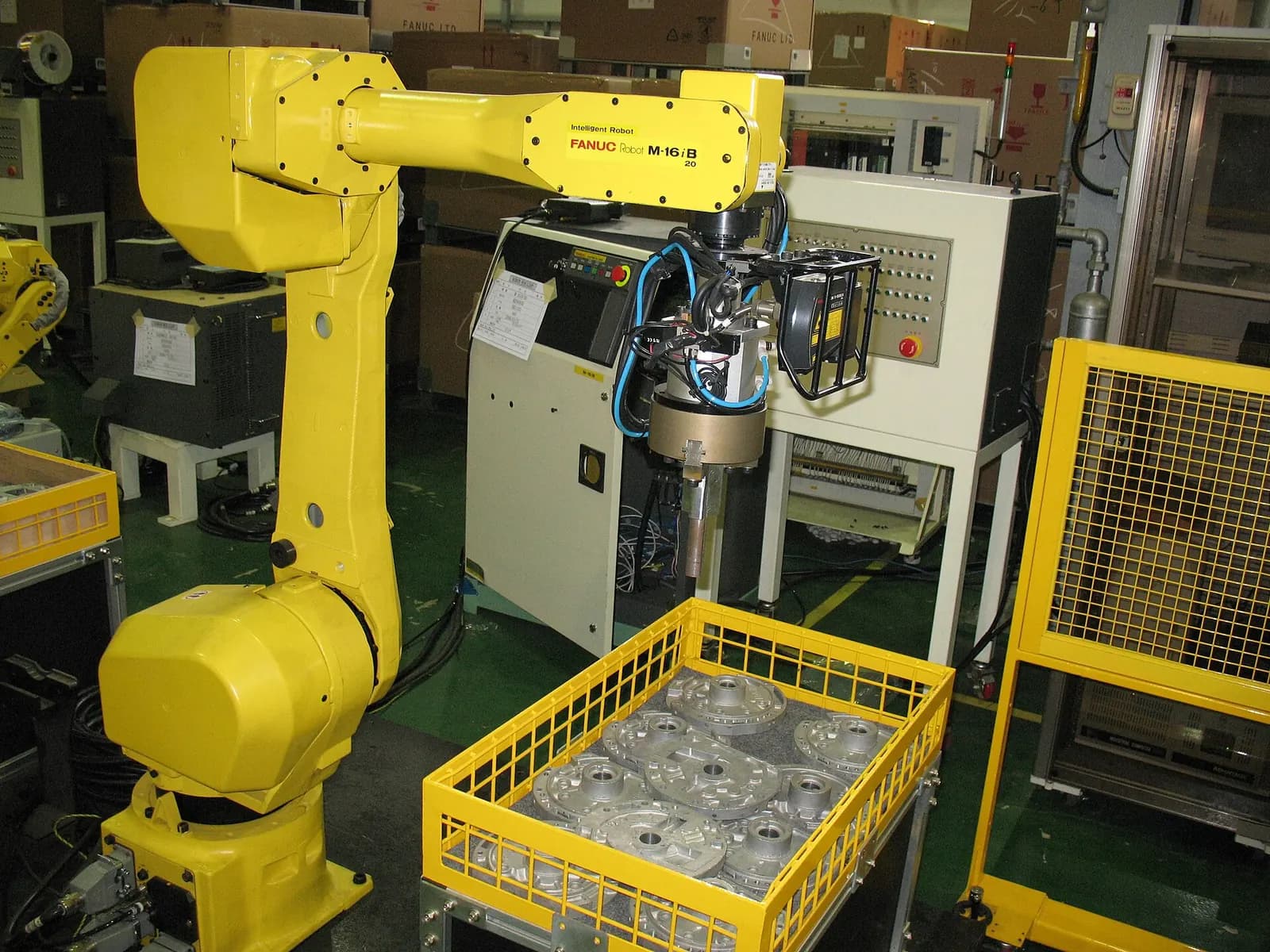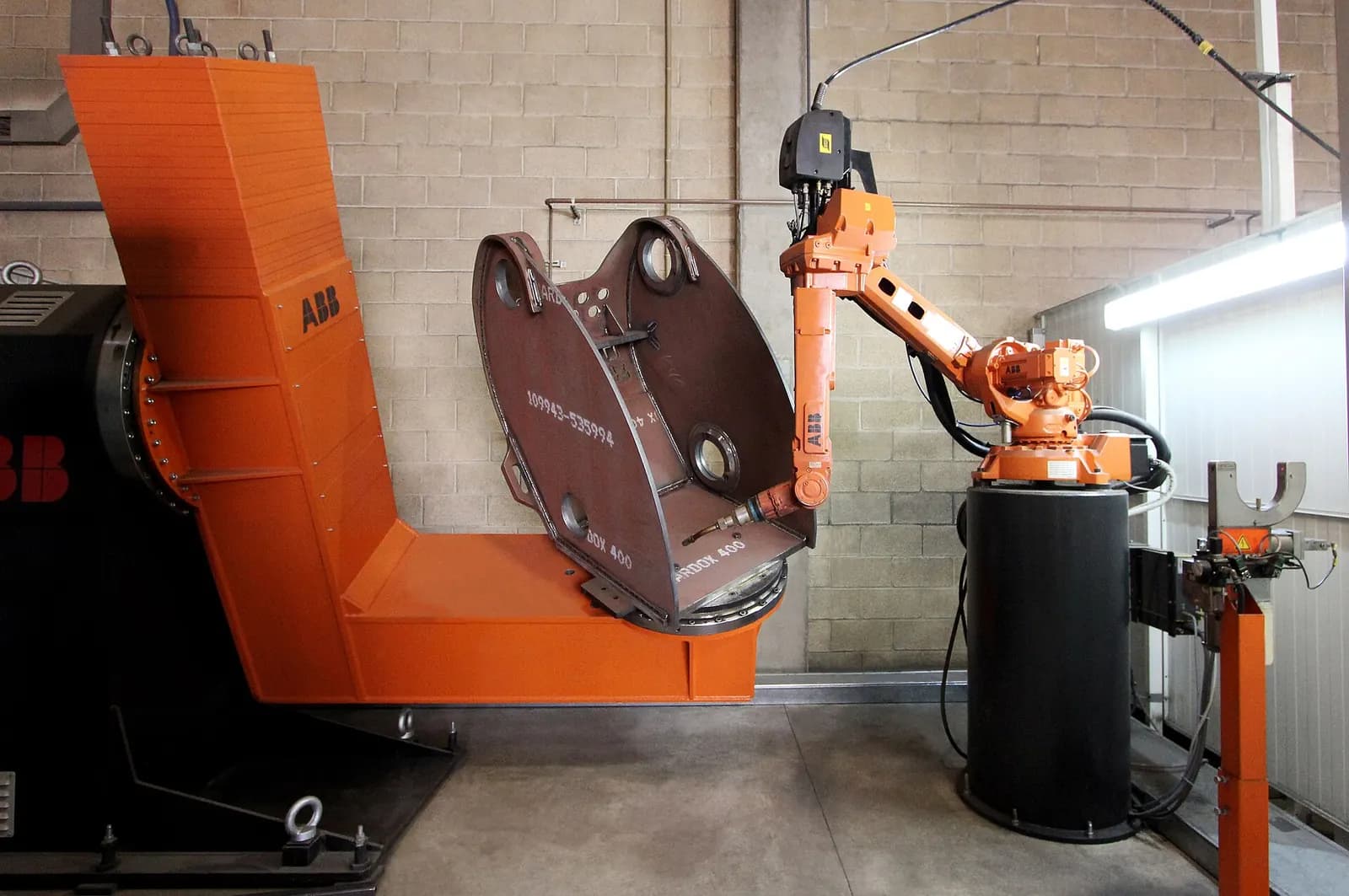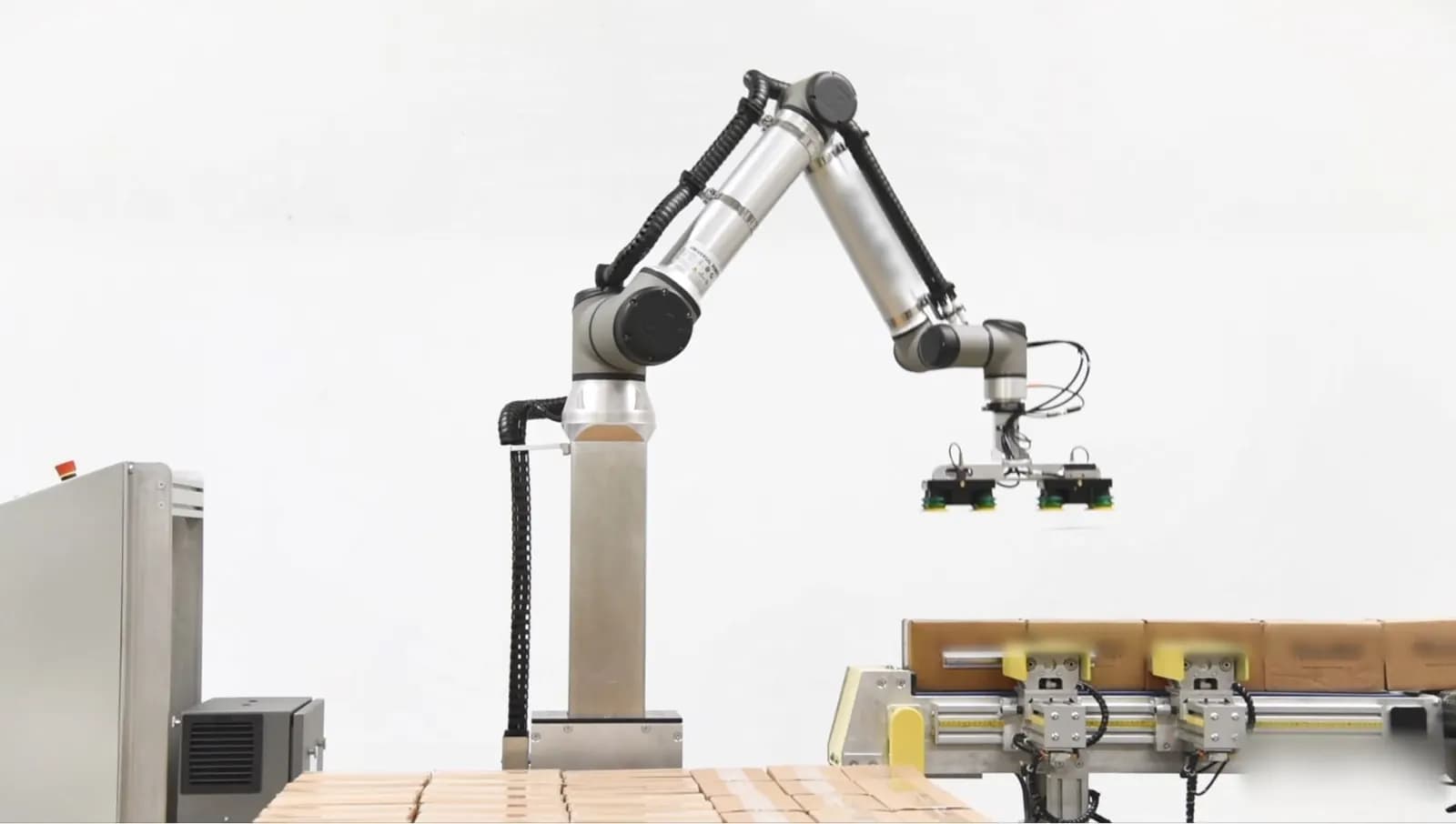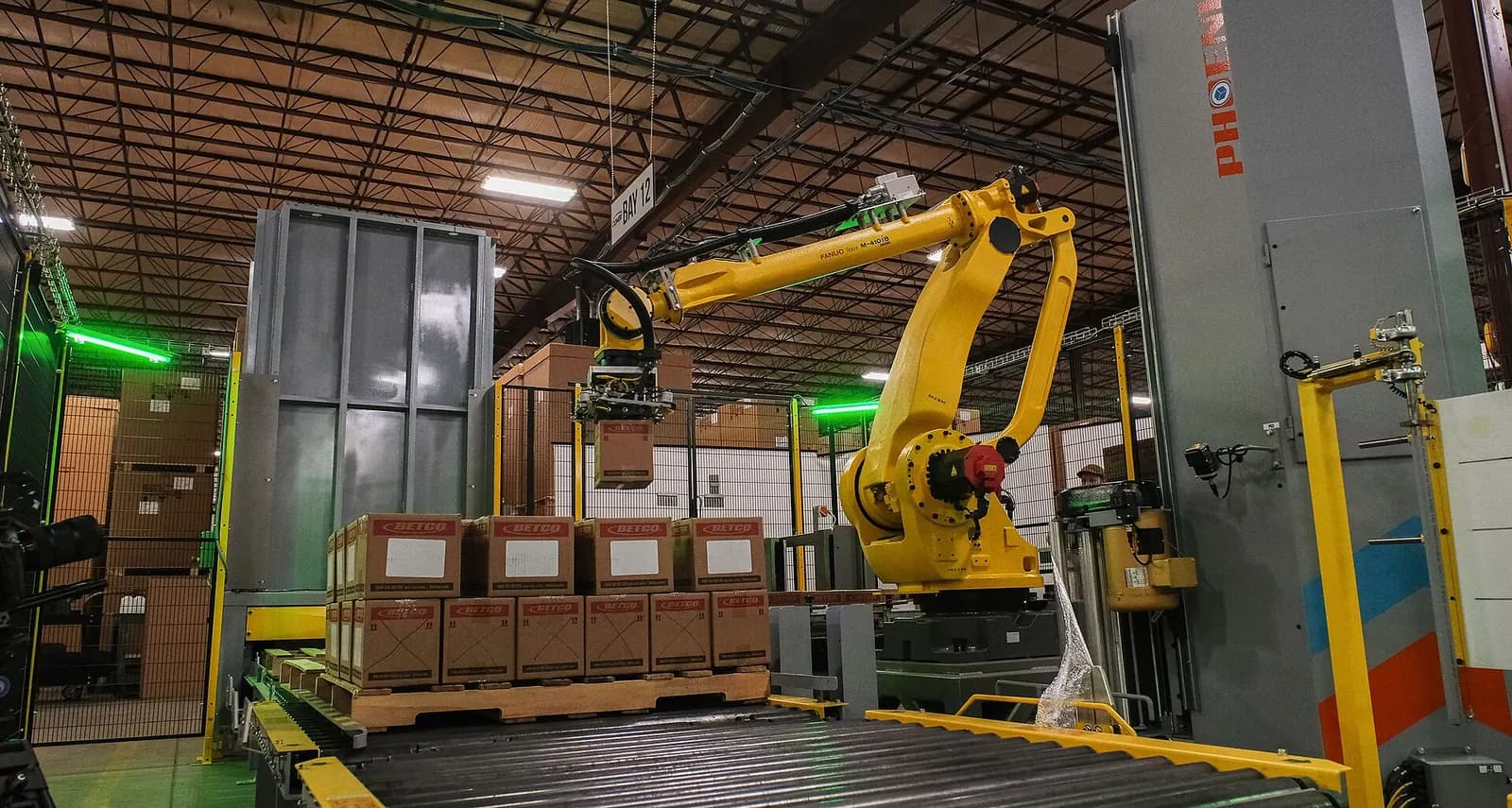
Robot subscription in India means you pay a monthly fee to use a robot cell instead of buying it outright. The provider supplies, programs and integrates the robot, and the plan typically covers support and maintenance for its term. For an MSME trying its first robot on palletising, machine tending or packing, it lowers the entry cost and the risk of buying the wrong thing.
The model is established internationally. The International Federation of Robotics noted in January 2025 that SME adoption is still held back by high initial investment and total cost of ownership, and that robot-as-a-service models let firms benefit from automation with no fixed capital involved. In professional service robots, IFR's September 2026 release says RaaS kept growing in popularity and is already the dominant business model in the US for that segment.
How a robot subscription works
- Assessment. The provider studies your task, parts, cycle time and floor space and confirms the application is suitable.
- Cell design. Robot, gripper, guarding, conveyors and controls are specified for your process.
- Integration. The cell is programmed, tested and installed, and linked to your machine or line signals.
- Monthly fee. You pay per month for the agreed term, instead of the full capital cost on day one.
- Support. Faults, program changes within scope and maintenance are handled as the contract defines.
- End of term. Renew, upgrade, return or buy, depending on the agreement.
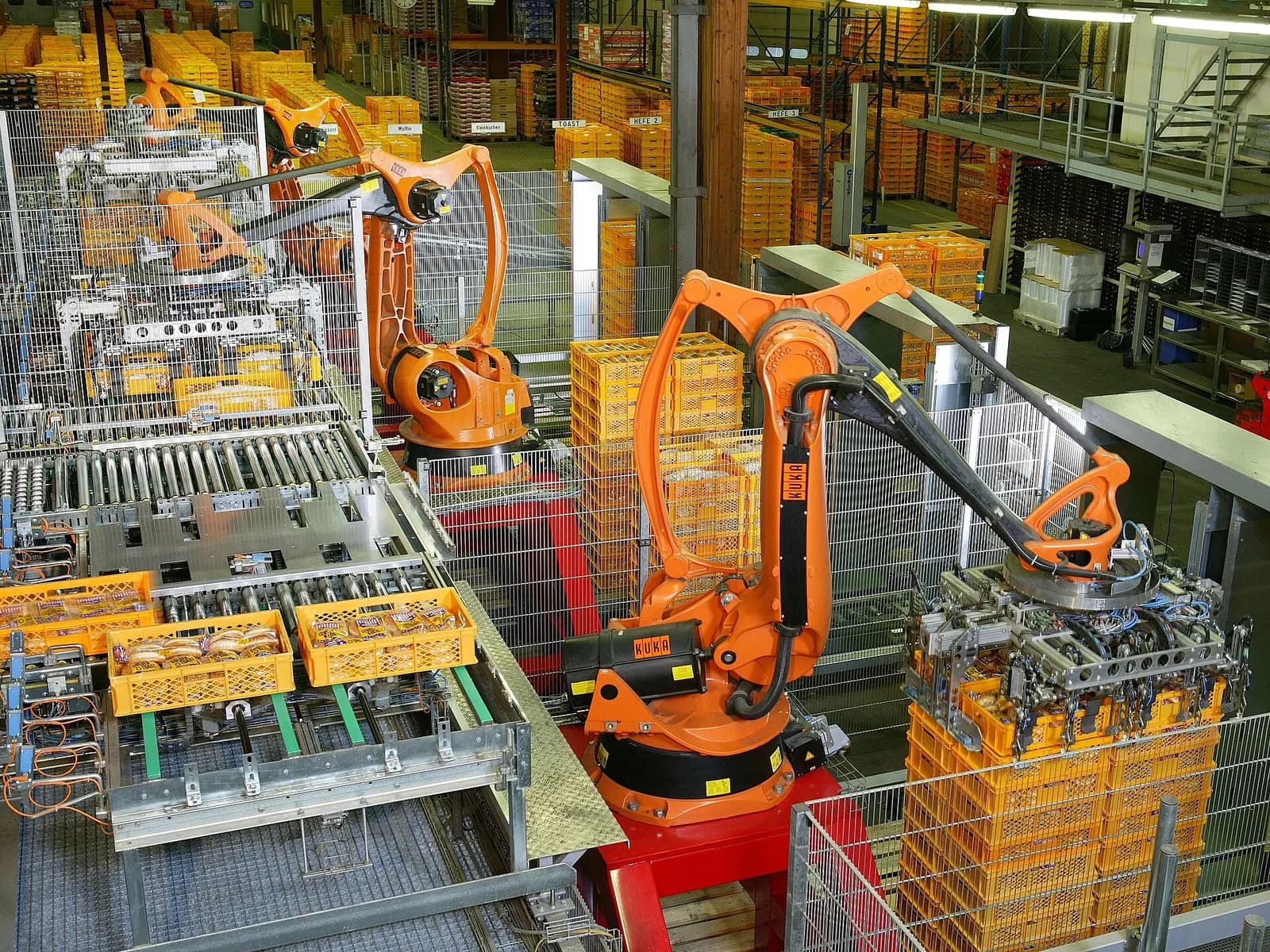
Subscription vs buying a robot
| Factor | Subscription | Capital purchase |
|---|---|---|
| Upfront cost | Low, monthly fee | Full cell cost on order |
| Risk if volumes drop | Shared with provider, per contract | Sits with you |
| Support and maintenance | Usually included for the term | Separate AMC or in-house |
| Long-run cost | Can be higher over many years | Lower if used for many years |
| Flexibility | Upgrade or change at renewal | Resell or redeploy yourself |
Subscription suits plants with uncertain volumes, no in-house robot skills, or a need to prove the case to owners or a bank before committing capital. Buying suits stable, high-volume tasks you will run for many years and can maintain yourself. Many firms start on subscription and buy the second and third cell once the first has proved itself.
Rapid Robotics and Robots-as-a-Service
Automation World
This video is hosted on YouTube. Playing it loads content from Google, which may set cookies.
Watch on YouTubeGood first tasks for a subscription robot
- End-of-line palletising of cartons or bags in food, FMCG and building materials.
- Machine tending of CNC lathes, VMCs and injection moulding machines on long runs.
- Case packing and pick-and-place of rigid products from a conveyor.
- Simple material handling between two fixed points, such as press-to-conveyor.
Avoid starting with tasks that need complex vision, highly variable parts or frequent changeovers, unless the provider has done the same task before. A first robot that struggles sets automation back in a plant for years.
What to check in a robot subscription contract
Safety deserves a line of its own. The robot cell must meet the cell safety requirements in ISO 10218-2:2025 whether you own it or not, and your operators need training on the guarding, the reset sequence and safe access for clearing jams. A subscription does not move the shop-floor duty of care away from the plant, so agree in writing who does what.
How to tell whether the first robot is working
Agree the measures before installation, and record a baseline for two weeks with the manual process. The obvious one is output per shift, but it is rarely enough on its own. Count the people-hours the task used to take and where those people now work. Count injuries and near-misses at the station, especially for heavy lifting. Count rejects and rework where the robot handles the product. After three months, compare. A subscription makes this comparison honest, because you have not yet sunk the capital and can walk away or change the scope at renewal.
Prepare the plant too. The robot needs a stable supply of parts in a known position, a clean power supply, compressed air for grippers and a clear area around the cell. Name an internal owner, usually a maintenance engineer, who learns the basics of recovery and restarts. Plants that treat the first robot as everyone's project and nobody's job get the least from it.
Why this matters for Indian MSMEs now
India installed almost 10,500 industrial robots in 2025, up 15% and sixth in the world, with installations growing 27% a year on average since 2020, according to IFR figures reported by UNI. Large OEMs drove most of that. Their suppliers are next, often under customer pressure on quality and delivery, but without the capital or engineering staff of the OEM. A subscription closes part of that gap.
Robot subscription from Wartens
Robot subscription is an offer we make only in India. Our Bengaluru engineers program and integrate the cell, and you pay monthly instead of buying the robot. If the case is proven and you would rather own the next one, we also do conventional robot cell integration. See automation engineering services, read our guide to cobots vs industrial robots, and look at our India automation overview for the wider picture.
Next step: send a short video of the task you want to automate, the cycle time and the part weights through our contact page. We will tell you honestly whether a robot is the right answer.