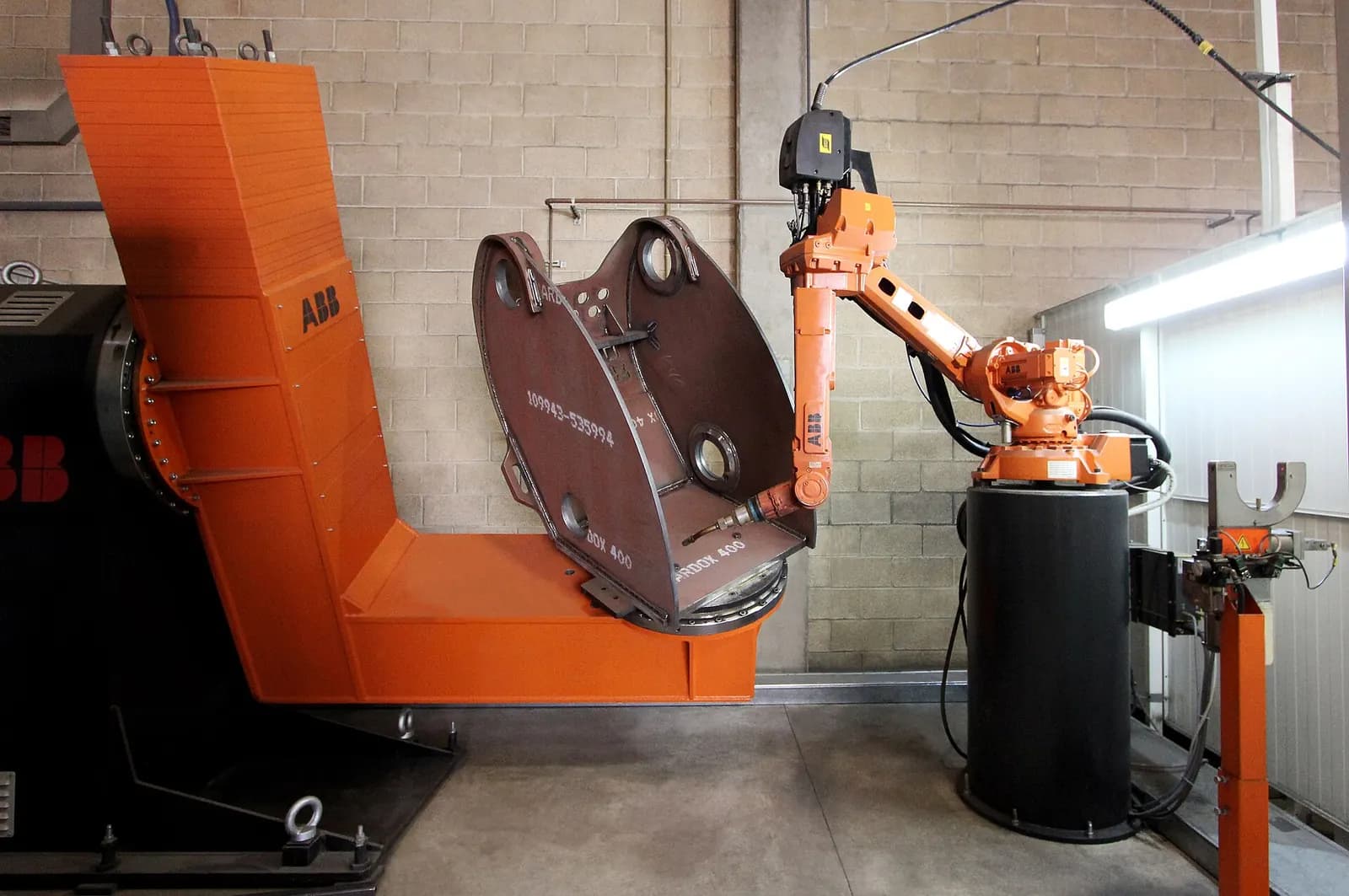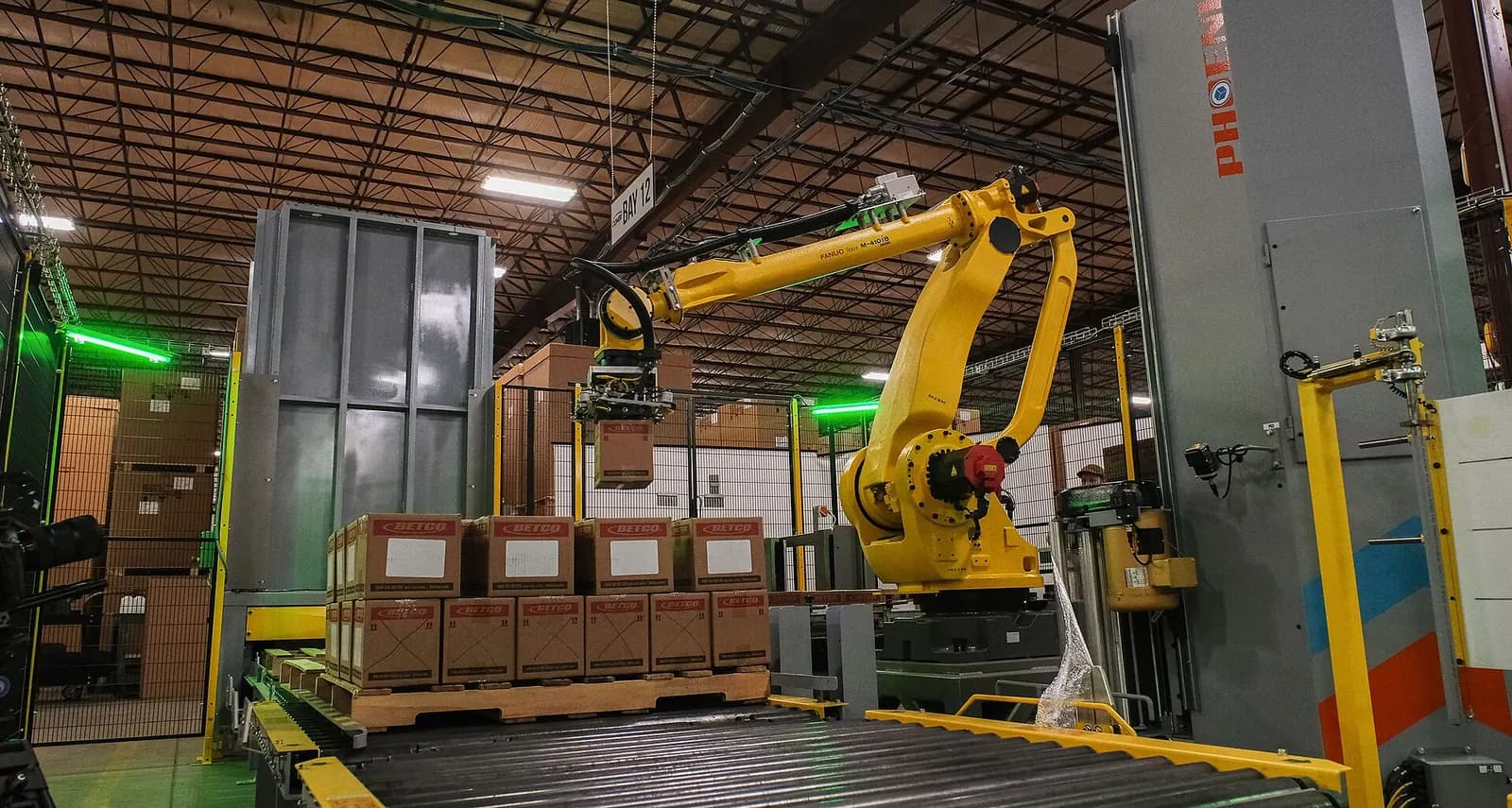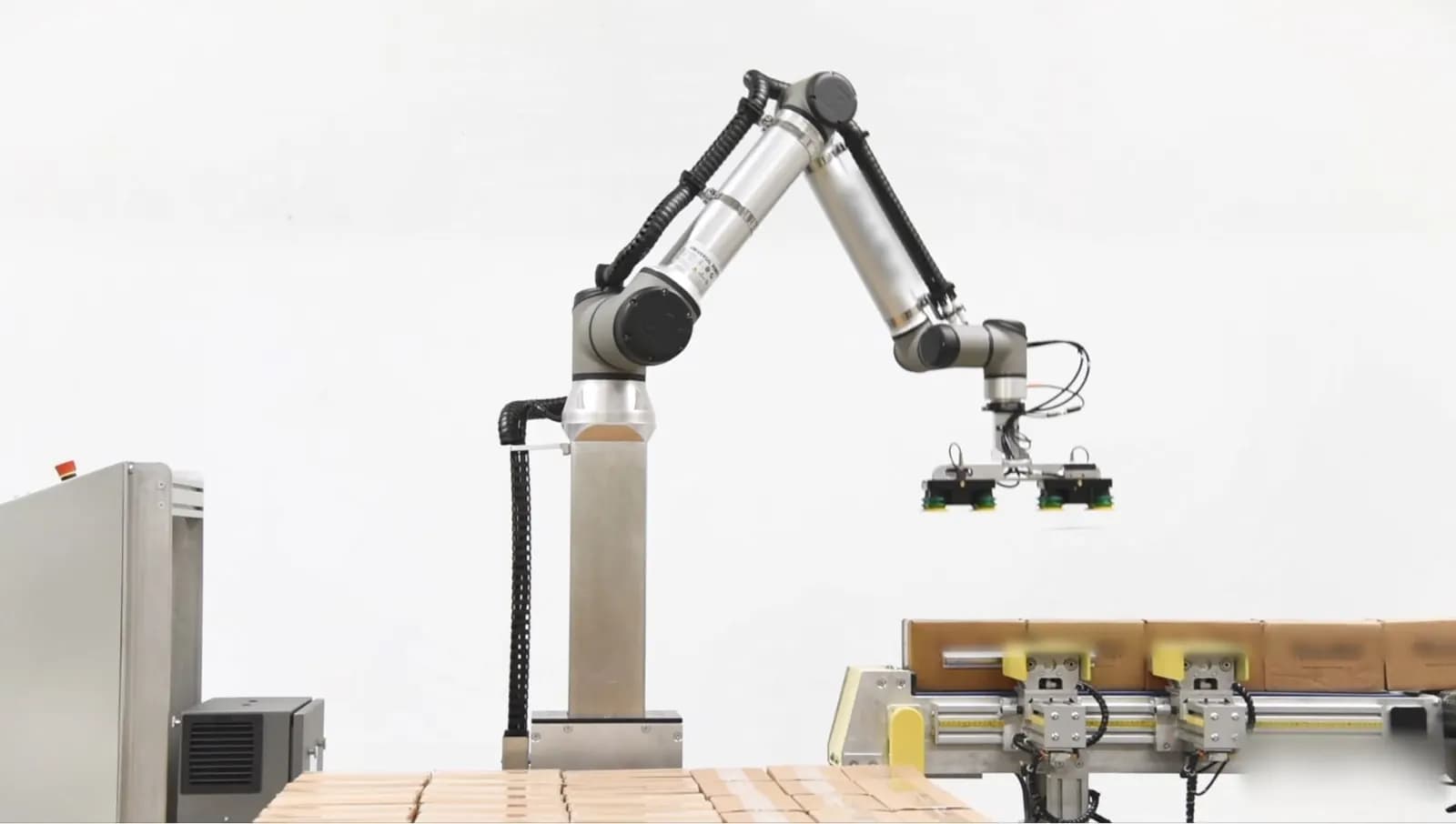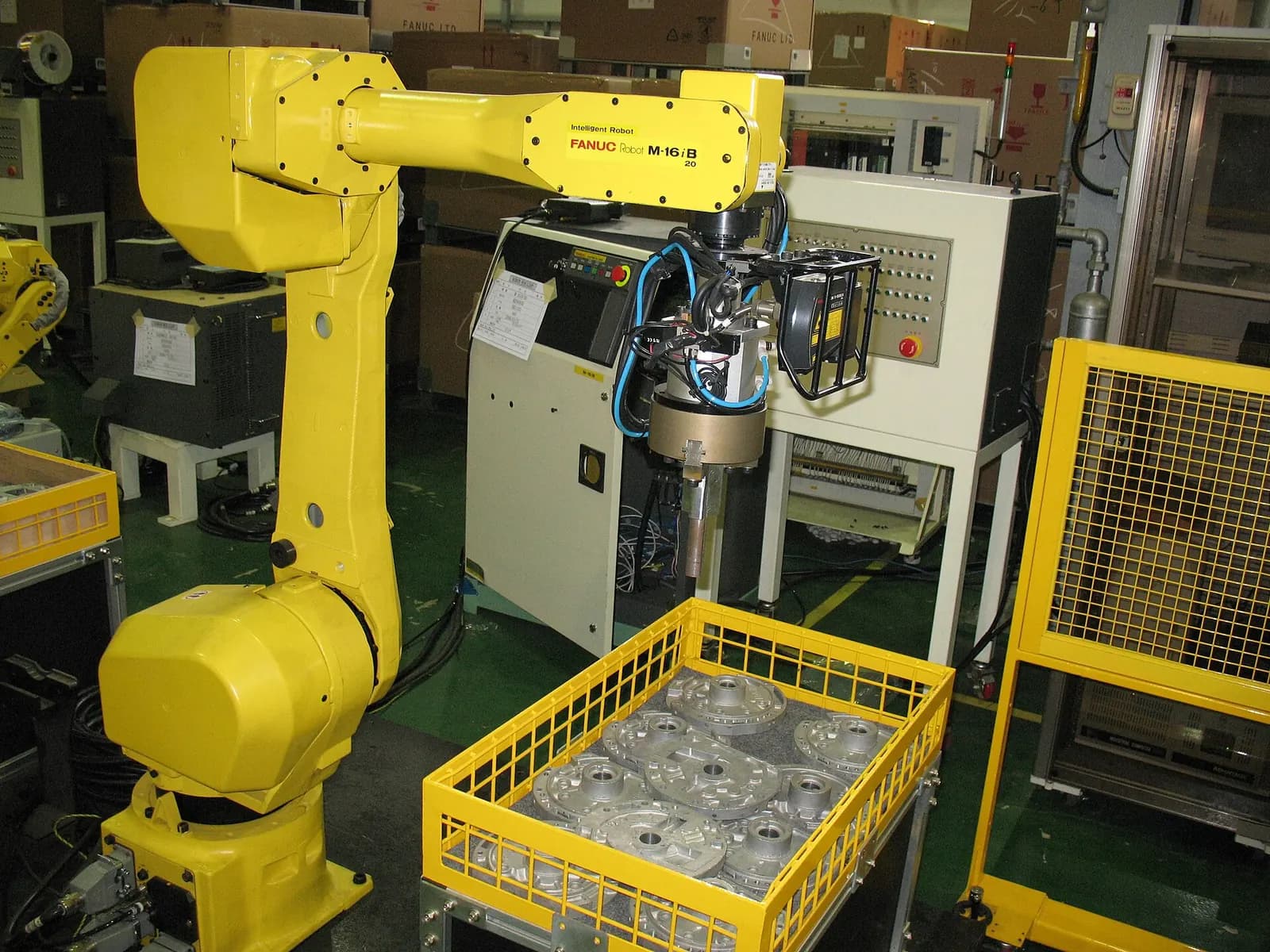
A robot on rent in India usually means one of three arrangements: a short-term rental to trial a robot, a lease that finances the hardware over several years, or a subscription that bundles the robot cell with integration and support for a monthly fee. All three avoid a capital purchase on day one. The difference is who programs the robot, who fixes it when it stops, and who is left holding it if your volumes change.
The question matters most to small plants. Since 1 April 2025, a micro enterprise is one with up to ₹2.5 crore of investment in plant and machinery and ₹10 crore of turnover, under revised criteria reported by Deccan Herald (PTI). For a firm that size, a fully integrated robot cell is a large share of everything it owns. The International Federation of Robotics has noted that high initial investment still holds SMEs back, and that robot-as-a-service models let firms automate with no fixed capital.
Rental, lease or subscription: what each includes
| Model | What you get | Who carries the risk | Suits |
|---|---|---|---|
| Short-term rental | Robot for weeks or months | You, for making it work | A trial with in-house skills |
| Finance lease | Hardware financed over years | You, for performance | A proven task, cash-flow relief |
| Robot subscription | Cell, integration, support, monthly fee | Shared, per contract | First robot, no robot skills |
| Purchase | Ownership from day one | You | Stable, long-running tasks |
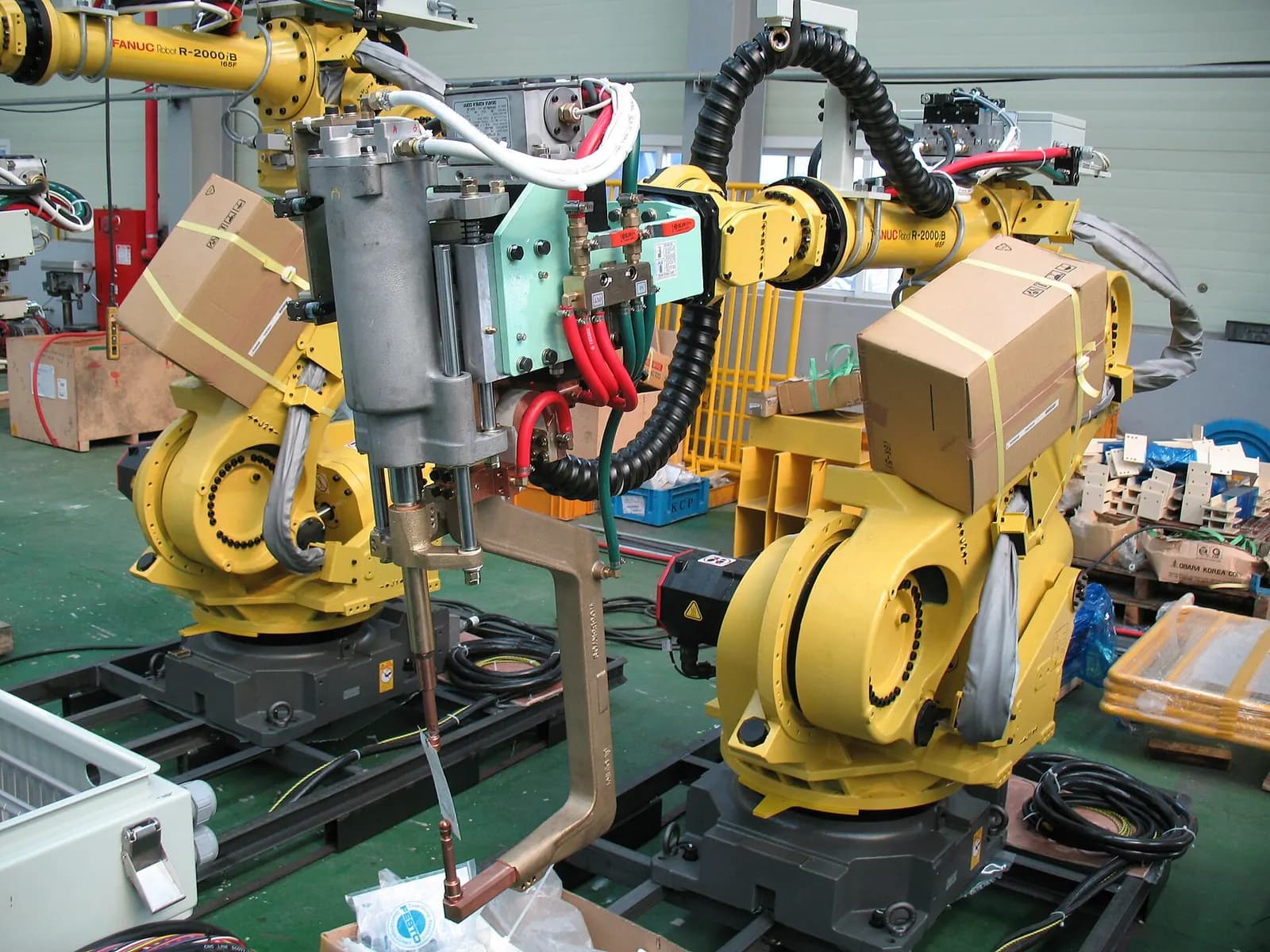
A bare robot on rent is rarely useful on its own. It needs a gripper, guarding, a stand, a connection to your machine signals and a program. If the rental covers only the arm, the integration cost and the risk of a failed trial are yours. That is why a subscription that includes the whole cell often works out simpler for a first robot, even if the monthly figure looks higher than a bare rental.
How to trial a robot before you buy
- Pick one task. Palletising, machine tending on a CNC or moulding machine, or simple pick-and-place. Avoid tasks that need complex vision or frequent changeovers for a first trial.
- Record a baseline. Two weeks of output per shift, people-hours, rejects and injuries or near-misses at the station.
- Get the cell designed for your parts. Gripper, part presentation and guarding matter more than the robot brand.
- Agree success measures in writing. Cycle time, uptime and quality targets, and what happens if they are missed.
- Run for at least three months. The first weeks always include teething problems; judge the steady state.
- Decide at the end of term. Renew, change the task, buy the cell, or hand it back.
Why Factories are Adopting Robots-as-a-Service | Roman Hölzl, RobCo
Lightspeed Venture Partners
This video is hosted on YouTube. Playing it loads content from Google, which may set cookies.
Watch on YouTubeComparing the options honestly
Monthly figures are easy to compare and usually misleading. Put every option on the same sheet over the same period, say three years, and include everything it takes to get a working cell: the robot, gripper, guarding, stand, conveyors, programming, installation, operator training, spares, breakdown support and program changes. Then add what happens if the trial fails or volumes drop after a year. For a purchase, that is resale value minus the cost of removing the cell. For a lease, it is usually the remaining payments. For a subscription, it is the notice period and any early-exit fee. Finally, give a value to your own engineers' time: a rental that leaves your maintenance team integrating a robot for two months is not free. Done this way, the cheapest option on paper is often not the cheapest in practice, and the right answer depends on how sure you are about the task and the volumes.
What to check in any robot rental or subscription contract
Check where support comes from. A rental priced in another currency and supported only remotely may look cheap until the robot stops on a night shift. A local integrator who can reach the plant, change the program and train your maintenance staff is worth more than a lower monthly figure.
Safety does not change with ownership. The cell must meet the integration requirements in ISO 10218-2:2025 whether you rent, lease, subscribe or buy, and your operators need training on the guarding, the reset sequence and safe access to clear jams. Agree in writing who does what.
Why this is growing in India
India installed almost 10,500 industrial robots in 2025, up 15% and sixth in the world, according to IFR figures reported by UNI. Large OEMs led that growth. Their suppliers are now under pressure on quality and delivery, but rarely have spare capital or a robot engineer. A pay-monthly model closes part of that gap.
Robots on subscription from Wartens
Wartens offers robots on a flexible subscription instead of a capital purchase, in India only. Our Bengaluru engineers design, program and integrate the cell with your existing PLC and machines, so you are not left with a bare arm. When the case is proven, we also do conventional robot cell integration. See automation engineering services, our detailed guide to how robot subscription works, and cobot vs industrial robot for choosing the arm.
Next step: send a short video of the task, the part weights and the cycle time through our contact page. We will tell you honestly whether a robot fits, and give you a written monthly price if it does.