Food processing automation in India pays back fastest in four places: batching and dosing, cleaning in place, packing and end-of-line, and traceability. Start where manual work causes waste, recalls or hygiene risk, then link the islands with a line PLC and simple data capture. That order works for a ready-to-eat plant in Pune as much as a spice unit in Kochi.
The sector is large and still formalising. IBEF puts the Indian food processing market at US$ 382.24 billion in FY25. The PLI Scheme for the Food Processing Industry, with an outlay of ₹10,900 crore over 2021-22 to 2026-27, covers ready-to-cook and ready-to-eat foods including millet products, processed fruit and vegetables, marine products and mozzarella cheese. Plants in the scheme have to grow sales year on year, and that is an automation problem as much as a sales one.
Where food processing automation pays back first
1. Batching, weighing and dosing
Manual weighing of ingredients is slow and the commonest cause of out-of-spec batches. Load cells on mixing vessels, recipe management in the PLC and an HMI that forces the operator through each step cut giveaway and give you a batch record without paperwork.
2. Cleaning in place (CIP)
Automated CIP controls temperature, concentration, flow and contact time for every circuit and logs it. That log is what an auditor wants to see. The FSSAI licensing regulations already point this way: Schedule 4, Part II asks that equipment be designed for cleaning and monitoring and that "wherever possible cleaning in place (CIP) system shall be adopted", per the FSSAI regulations compendium.
3. Packing and end-of-line
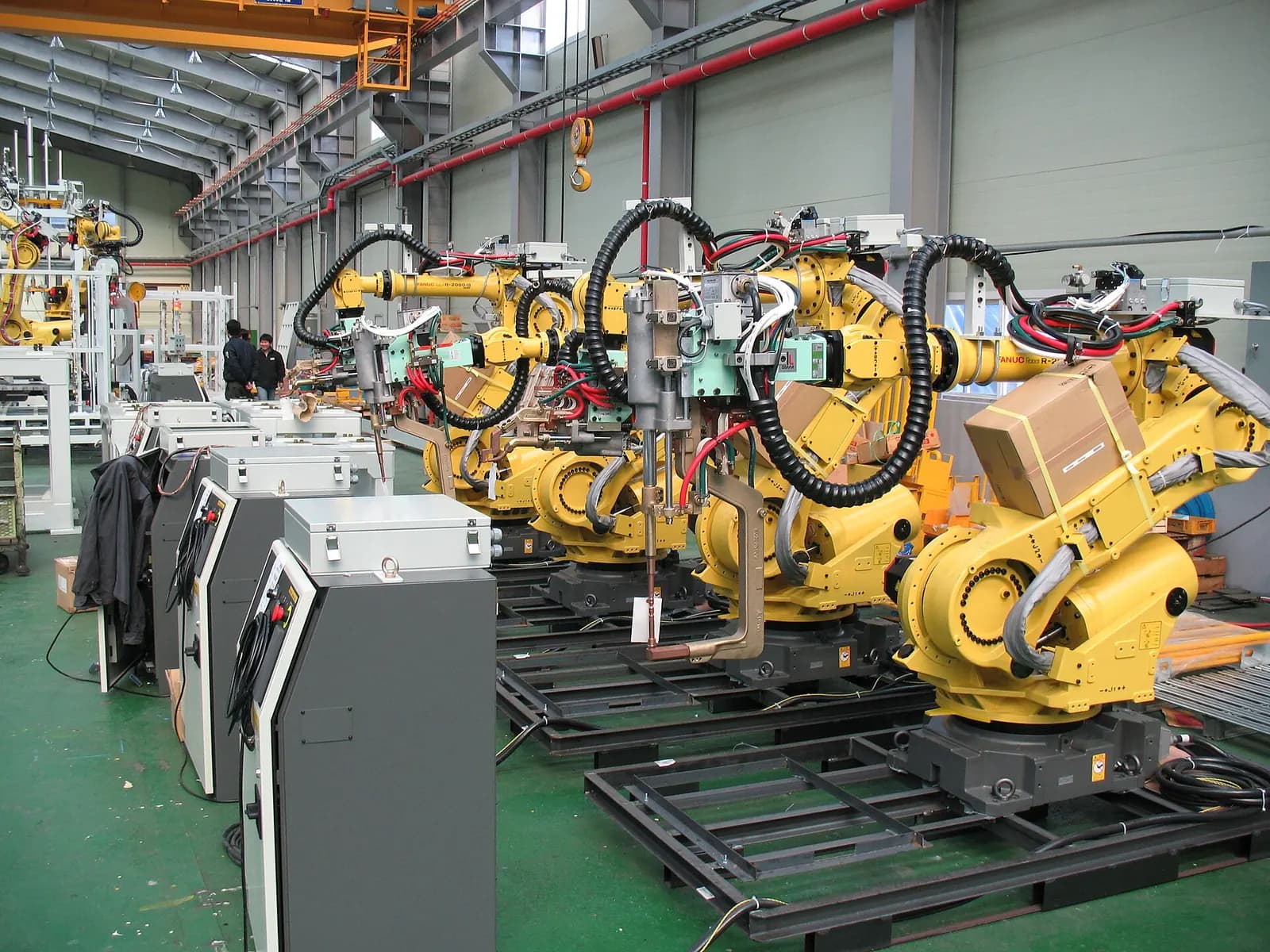
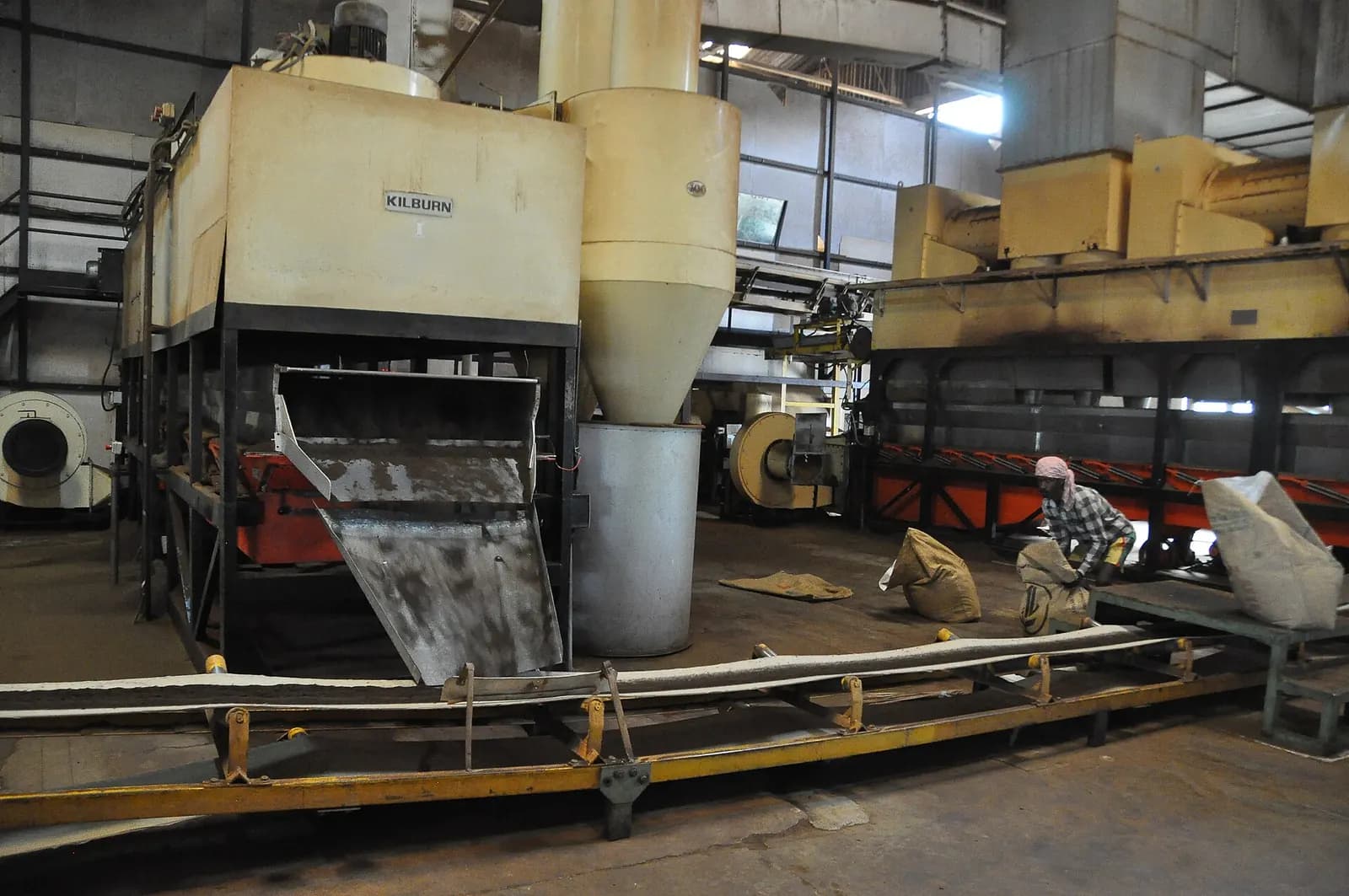
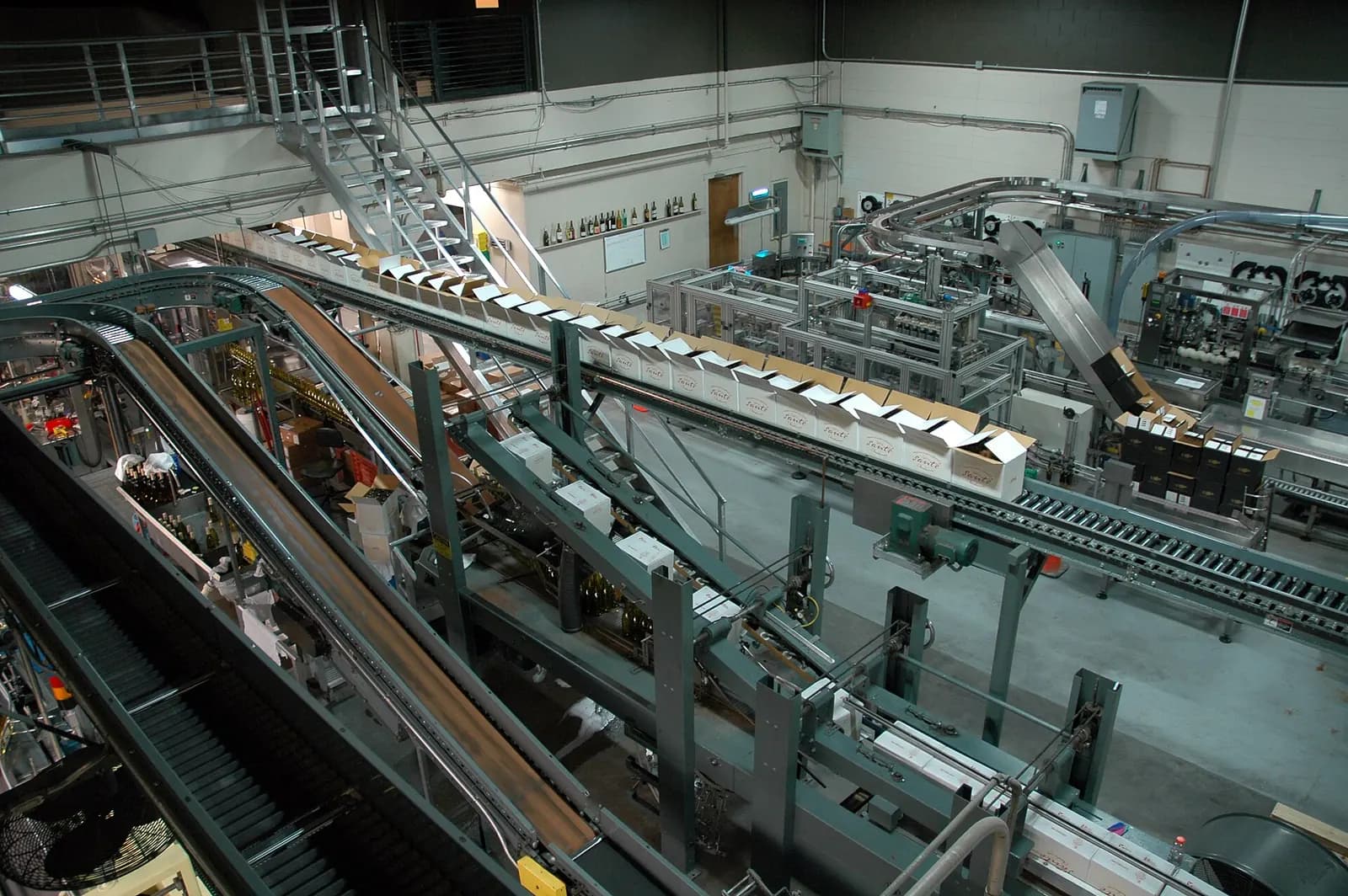
Form-fill-seal machines, checkweighers, metal detectors, case packers and palletisers usually come from different OEMs. The integrator's job is to make them behave as one line: speed following, reject confirmation, accumulation logic and a single stop and alarm philosophy. Robotic palletising is often the first robot an Indian food plant buys; see our article on robot subscription if capital is tight.
4. Traceability and OEE
Batch codes printed and verified, lot genealogy from raw material to pallet, and simple OEE (availability, performance, quality) per shift. You do not need a full MES on day one. A SCADA layer with good historian tags gets most plants 80% of the value.
Hygienic design rules that change the control design
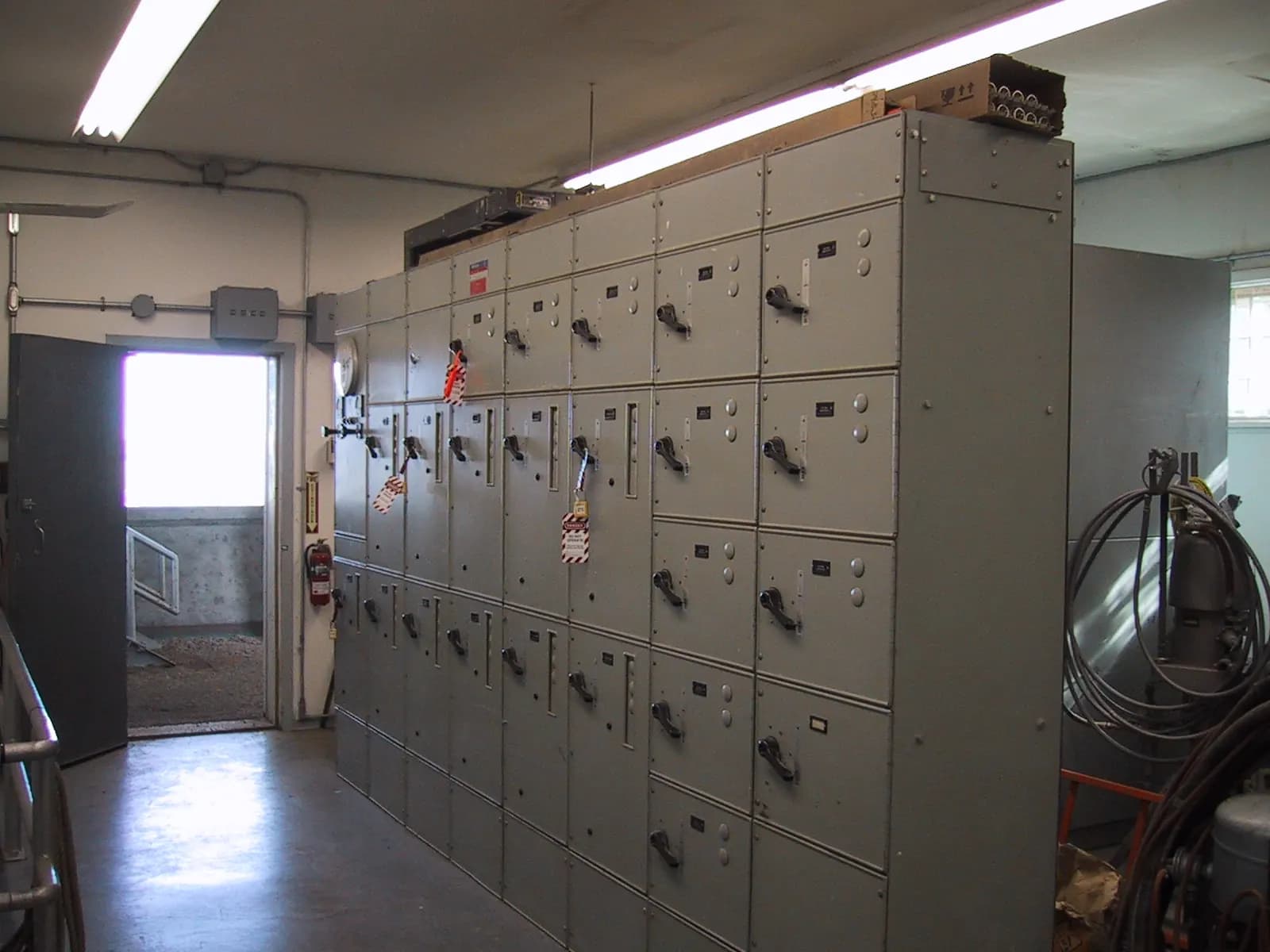
- Panel location and rating. Keep main panels out of wash-down zones. Field enclosures in wet areas need a suitable IP rating and sloped tops.
- Stainless field devices. Specify hygienic sensors with process connections that drain and can be cleaned.
- Separation of raw and cooked zones. Network and panel layouts should respect the plant's hygiene zoning.
- Robots near open food. ISO 10218-2 for robot cells explicitly leaves out hazards from processing food and hygienic requirements, so food-contact robot applications need extra assessment beyond the robot safety standard.
Digital Enterprise in the Food & Beverage Industry
Siemens Knowledge Hub
This video is hosted on YouTube. Playing it loads content from Google, which may set cookies.
Watch on YouTubeA phased plan for an Indian food plant
| Phase | Scope | What it gives you |
|---|---|---|
| 1 | Recipe batching and CIP automation | Consistent batches, hygiene records |
| 2 | Packing line integration | Rated line speed, fewer stoppages |
| 3 | Line SCADA and historian | OEE, downtime reasons, batch reports |
| 4 | Robotic palletising or case packing | Labour redeployed, fewer injuries |
Each phase should leave the plant better off on its own, so you can pause between them without stranded investment. Design the network and PLC architecture for phase 4 at the start, even if you only build phase 1.
Why PLISFPI plants feel the pressure first
The scheme rewards growth in sales of eligible products, so capacity that exists on paper but not on the floor costs money twice. A PIB note on PLISFPI from April 2026 reports 165 approved applications across 274 units, with actual investment of ₹9,207 crore against ₹7,722 crore committed, and sales of PLI products growing at a CAGR of 10.58%. Plants that bought new machines to hit those targets now need the machines to run together, at speed, shift after shift.
In practice we see three patterns. Some plants have excellent individual machines with no line control, so one slow checkweigher sets the pace for the whole line. Others have a line PLC but no data, so nobody can say whether the problem is changeovers, minor stops or rejects. A third group has built manual workarounds, such as extra packers at the end of the line, that hide the real constraint. Each needs a different first step, which is why a short audit beats a standard package.
Mistakes we see in Indian food plant automation
- Buying robots before the upstream line can feed them steadily.
- Panels placed in wash-down areas because that was where the space was.
- Recipe values kept in an Excel sheet and typed into each machine by hand.
- No spare I/O or network ports, so every later improvement means a new panel.
- SCADA screens that copy the P&ID but give operators no clear next action when something stops.
How Wartens works with food plants
Food and beverage is one of the sectors we serve from Bengaluru, with turnkey automation covering design, PLC and SCADA programming, panel build coordination and commissioning on site. For new PLISFPI lines we can test the control logic against a model of the line before equipment arrives, as described in our virtual commissioning guide. See automation engineering services for the full scope, or send us your process flow for a written proposal.