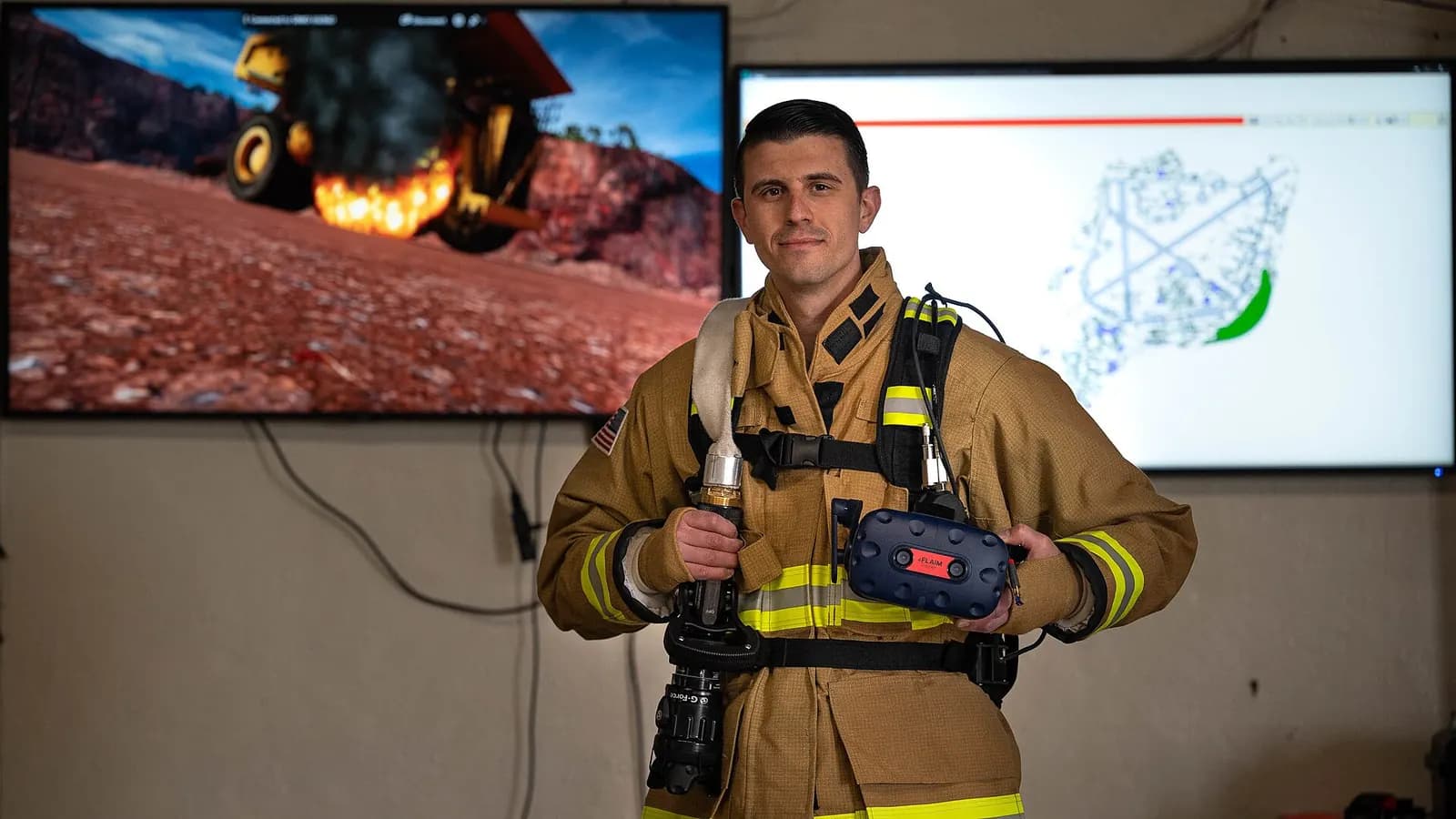
VR safety training for oil and gas in the UAE lets operators and technicians practise high-risk procedures, such as energy isolation, confined space entry and emergency response, in a realistic replica of their own plant without exposure to the hazard. It works best for rare, dangerous or expensive scenarios that cannot be rehearsed on live equipment, and it should sit alongside classroom and on-the-job training, not replace them.
ADNOC Gas Processing has already studied the approach. An SPE paper summarised by the Journal of Petroleum Technology notes that operators and maintenance staff are the majority of its workforce, and reports lower training cost, better competency and improved HSE outcomes from a VR field simulator (JPT).
Which tasks suit VR safety training
Use VR where the real thing is too dangerous, too rare or too costly to practise. The IOGP Life-Saving Rules are a good map of where to start, because they target the activities behind most fatal incidents in the industry, including energy isolation, confined space, hot work, working at height and line of fire (IOGP).
| Scenario | Why VR helps | What the trainee does |
|---|---|---|
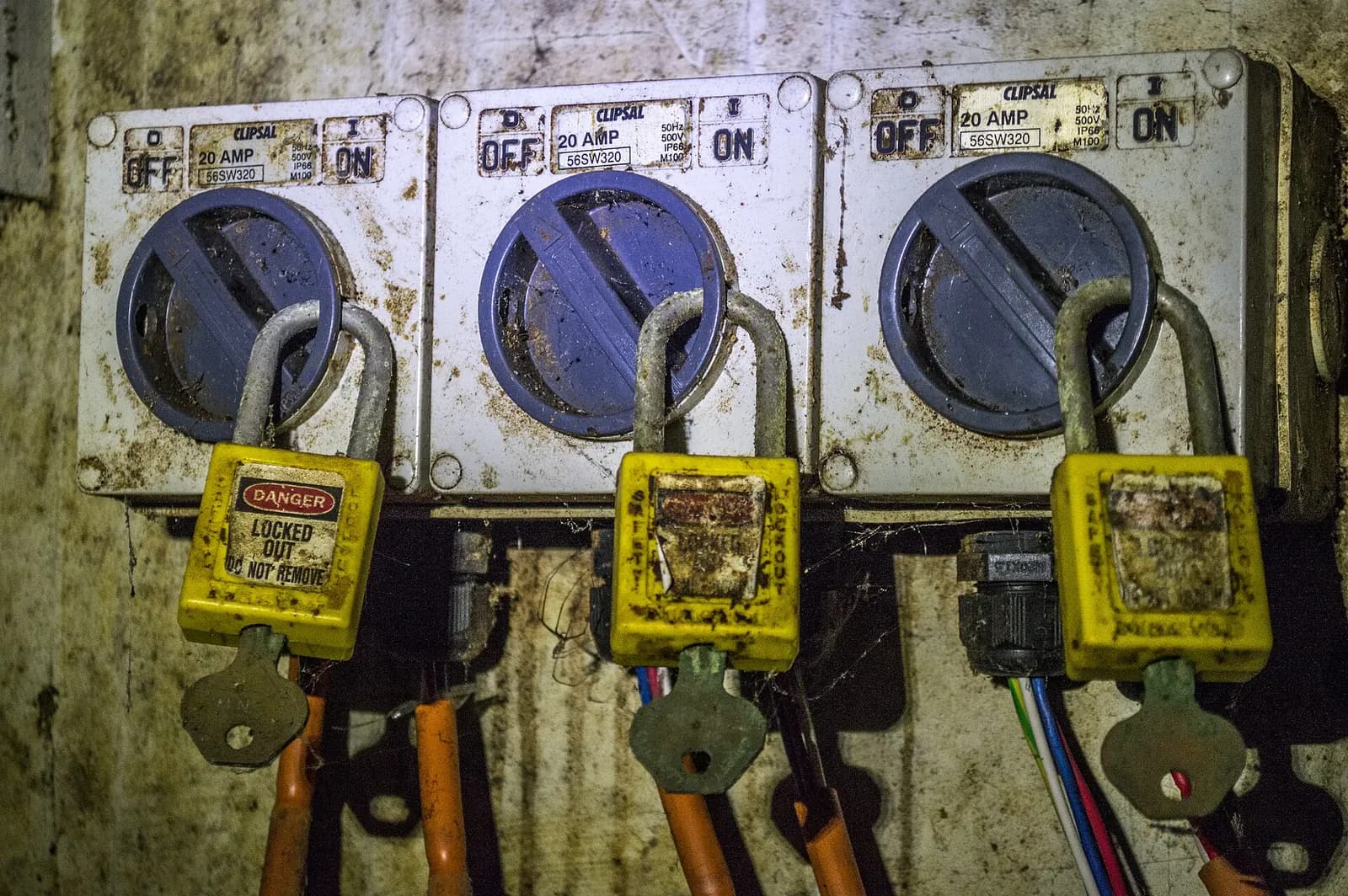
| Energy isolation and LOTO | Mistakes are fatal; plant is rarely free | Identify sources, isolate, lock, tag, prove zero energy |
| Confined space entry | Atmosphere hazards are invisible | Permit checks, gas testing, standby and rescue plan |
| Gas release and muster | Cannot be rehearsed for real | Detect, alarm, choose route, account for people |
| Pump or compressor start-up | Errors damage expensive kit | Line-up, pre-start checks, start, respond to trips |
| Hot work permit | Ignition risk near hydrocarbons | Area checks, fire watch, gas monitoring |
How a VR module is built
A good module looks like the trainee's own unit, not a generic plant. That means building it from your CAD, laser scans or 3D models, then adding the procedure logic step by step. The JPT summary lists the features that matter: fine interaction with 3D objects, spatial sound, a learning management system to record competency, and clean conversion of CAD into VR (JPT).
- Pick the procedure and get the current written version signed off by operations and HSE.
- Build the environment from CAD or scans of the actual area, including valves, tags and signage.
- Script the steps, the wrong choices and the consequences. Trainees should see what happens if they skip a step.
- Add assessment: time, errors, missed checks, recorded per trainee.
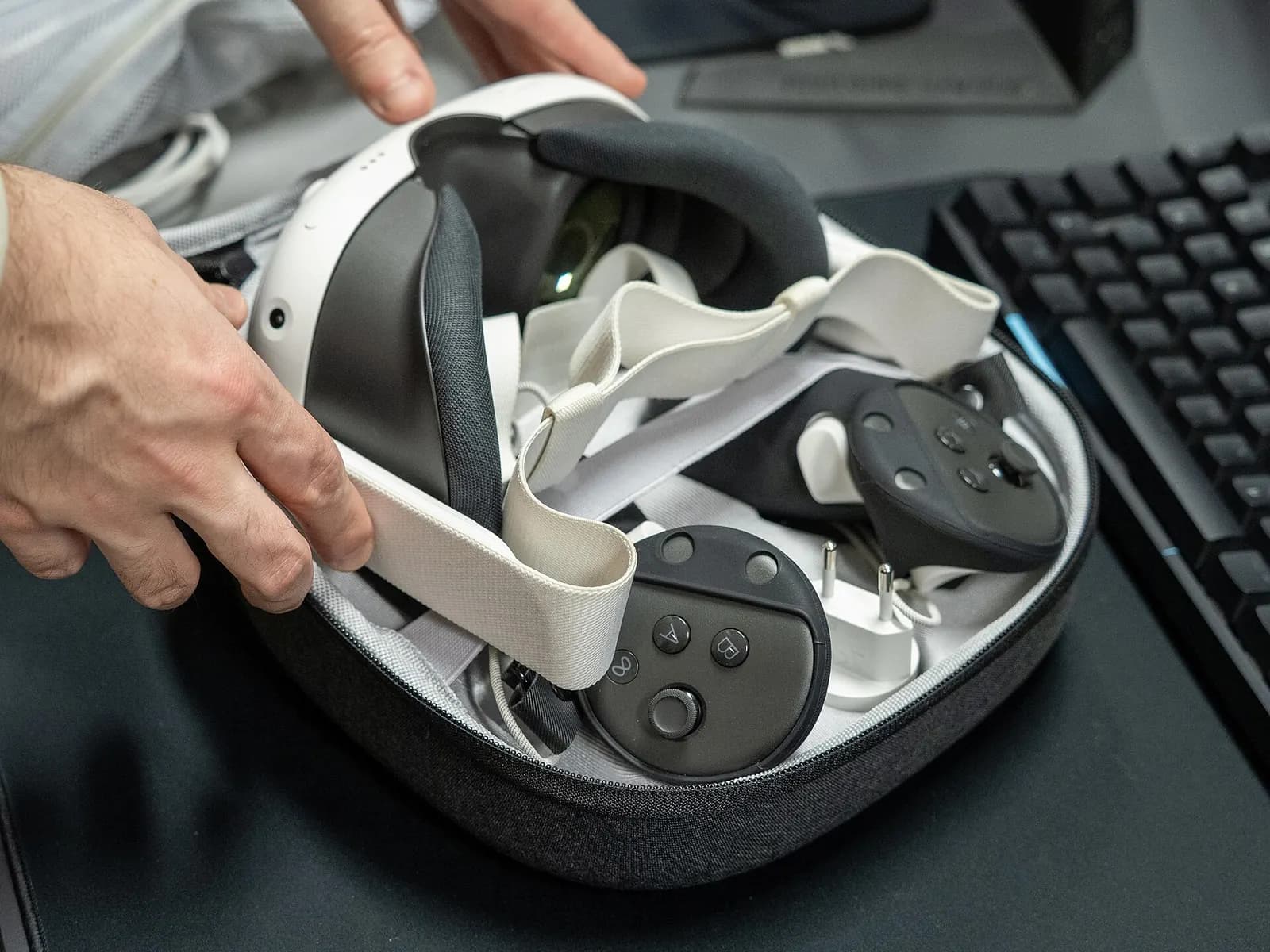
- Pilot with a crew, collect feedback, fix, then roll out on standalone headsets.
What the evidence says
The largest published workplace study is from PwC, which compared classroom, e-learning and VR for a soft-skills course. It found VR learners completed training up to four times faster than in the classroom, and were 40% more confident to act on what they learned than classroom learners (PwC). PwC also found VR became the cheaper option only at scale, which matches our experience: a module built for 20 people rarely pays, one used by 400 does.
Aramco Virtual Reality Fire Safety Training Oil Gas Petrochemistry
Nsocial VR Company
This video is hosted on YouTube. Playing it loads content from Google, which may set cookies.
Watch on YouTubeRolling VR out across sites and contractors
Oil and gas operators in the UAE rely heavily on contractors who rotate between sites. VR helps here because the same module can be issued before mobilisation, so a contractor arrives already familiar with the unit layout, muster points and isolation philosophy. Standalone headsets can be shipped to a contractor's base and the results returned to your learning management system.
Language matters too. Crews often include speakers of Arabic, English, Hindi, Malayalam, Tagalog and Urdu. Build modules so that voice-over and text can be swapped without rebuilding the scene, and test them with the crews who will use them.
Plan the practicalities. Sessions of 15 to 25 minutes work better than long ones, especially for first-time users. Keep headsets in an air-conditioned room, because heat shortens battery life and fogs lenses, and keep spare face covers for hygiene. A trainer with a tablet or screen mirroring the headset view can run four or five trainees an hour through a short isolation scenario.
What to ask a VR training supplier
- Will the scene be built from our CAD or scans, or from a generic library?
- Who owns the 3D assets and the procedure logic after delivery?
- How are results exported to our LMS, and in what format?
- How long does it take to update a module when a procedure changes?
- Which headsets are supported, and can it run offline on site?
Where VR stops and the real plant starts
VR teaches sequence, recognition and decision-making well. It does not teach the feel of a stiff valve or the weight of breathing apparatus. Keep practical sign-off on real equipment, and use VR to make sure trainees arrive at that sign-off already knowing the steps. For regulated certificates, such as offshore survival, follow the relevant body's rules; OPITO standards, for example, define how their courses are delivered.
Wartens builds VR safety and operations training through iUNI, from your CAD and procedures, for oil, gas and energy operators. Read more on our immersive training service, see how the same approach works for VR PLC labs, or tell us which procedure you want to train first.