Rooftop solar cost in Kerala comes down to three numbers: the installed price in your written quote, the PM Surya Ghar subsidy you get back (up to ₹78,000 for a home system of 3 kW or more), and the amount the system takes off your KSEB bill each month. Divide the net cost by the yearly saving and you have the simple payback. The rest of this guide shows how to check each number so you are comparing quotes fairly.
We do not publish package prices, because roof type, distance to the meter and component choice change the figure. Wartens Energy gives a fixed written price after a free site survey (Wartens Energy). What follows is the method to judge any quote, ours or someone else's.
What a complete quote should include
| Item | What to check | Why it matters |
|---|---|---|
| Solar modules | Make, model, wattage, warranty | Sets generation and long-term output |
| Inverter | Make, model, on-grid or hybrid, warranty | Most common part to fail; hybrid adds backup |
| Mounting structure | Material, height, roof type | Tiled and sloping roofs need different structures |
| Cabling and protection | DC and AC cable sizes, SPD, isolators | Safety and losses |
| Earthing and lightning | Number of earth pits | Essential in Kerala's thunderstorm season |
| KSEB and net meter | Who pays the fees and does the paperwork | Hidden extras appear here |
| Monitoring and AMC | App, alerts, cleaning visits | Matters more when you live abroad |
If one quote is much cheaper, look at the structure, the earthing and the inverter first. Those are where corners are cut, and they are hard to inspect from the Gulf.
How the subsidy changes rooftop solar cost in Kerala
The central subsidy is ₹30,000 per kW for the first 2 kW and ₹18,000 for the third kW, capped at ₹78,000 (Outlook Money). It is credited after commissioning, so you pay the full price first. Our PM Surya Ghar guide for NRIs explains who should apply.
Estimating the monthly saving
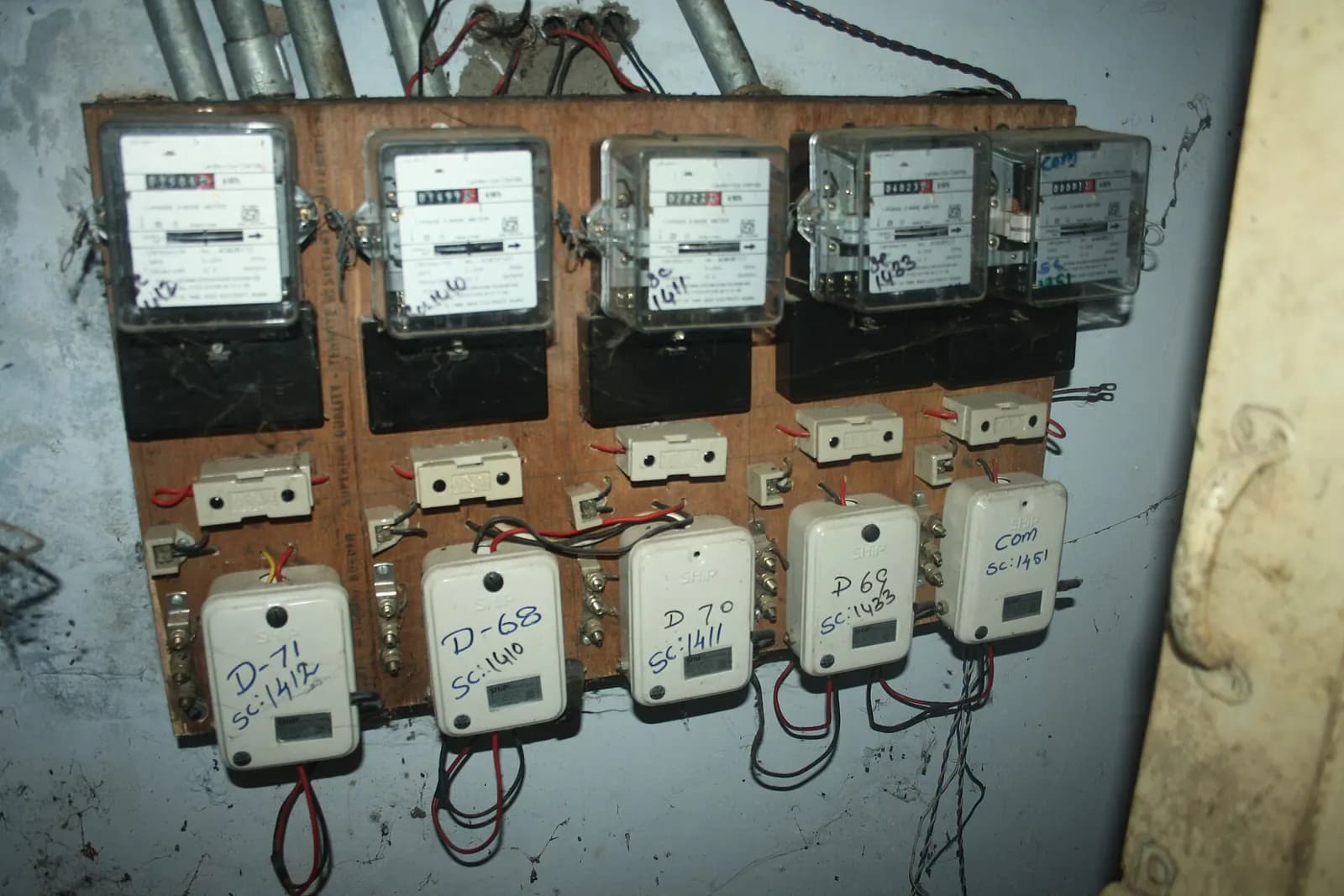
Start from your last twelve KSEB bills, not one month. Kerala homes use more in the hot months before the monsoon and less during the rains. Then estimate generation: a common rule of thumb in south India is around four units per kW per day on average across the year, but check your exact location on the Global Solar Atlas, which gives long-term solar yield for any point on the map. Treat four units as an assumption to test, not a promise.
Wartens Energy's own illustration is a 3 kW on-grid system saving up to ₹2,700 a month (Wartens Energy). Your figure will depend on how much you use at home during the day, how the net meter is settled and the tariff slab you are in.
Simple payback, worked through
Payback in years = (installed price minus subsidy) ÷ yearly saving. The table uses the ₹2,700 a month illustration, which is ₹32,400 a year. The net cost figures are examples only, not quotes, to show how sensitive payback is to price.
| Example net cost after subsidy | Yearly saving | Simple payback |
|---|---|---|
| ₹1,00,000 | ₹32,400 | About 3.1 years |
| ₹1,50,000 | ₹32,400 | About 4.6 years |
| ₹2,00,000 | ₹32,400 | About 6.2 years |
KSEB rules that affect the saving
Kerala's rules for rooftop solar have been under review. In October 2025 the state regulator upheld KSEB's levy of fixed charges on domestic solar prosumers under net metering (Mercom), so your bill will not fall to zero even on a sunny month. The regulator's 2025 draft renewable energy regulations also proposed changes to net metering and a grid support charge on exported power, which drew strong objections (The South First).
What changed after switching to solar?
Luminous India
This video is hosted on YouTube. Playing it loads content from Google, which may set cookies.
Watch on YouTubeComparing two quotes: a quick check
Put both quotes side by side and convert them to price per kW of panel capacity. Then check whether they include the same things: earthing pits, lightning protection, the net-meter work, KSEB fees, monitoring and the first year of cleaning. A quote that looks ₹15,000 cheaper often leaves out ₹20,000 of work that appears later as an extra. Ask both installers for the expected yearly generation in units, and how they calculated it. If one gives a number far above the other for the same roof, ask why before you trust it.
Costs people forget
- Cleaning, especially before and after the monsoon.
- An inverter replacement at some point in the system's life; check the warranty length.
- Structural repairs if the roof needs work before panels go on. Do it first.
- Battery replacement if you choose a hybrid system.
- Bird mesh or guards if pigeons nest under the panels, which is common on flat concrete roofs.
- A monitoring subscription, if your installer charges for remote alerts after the first year.
None of these change the decision for most homes, but adding them to the calculation gives a payback figure you can trust, rather than one that only works on the brochure.
Next step
Send us twelve months of KSEB bills and roof photos. We will size the system, give you a fixed written price and show the payback using your own consumption. Read how the remote installation process works, see our energy systems service, or get in touch.