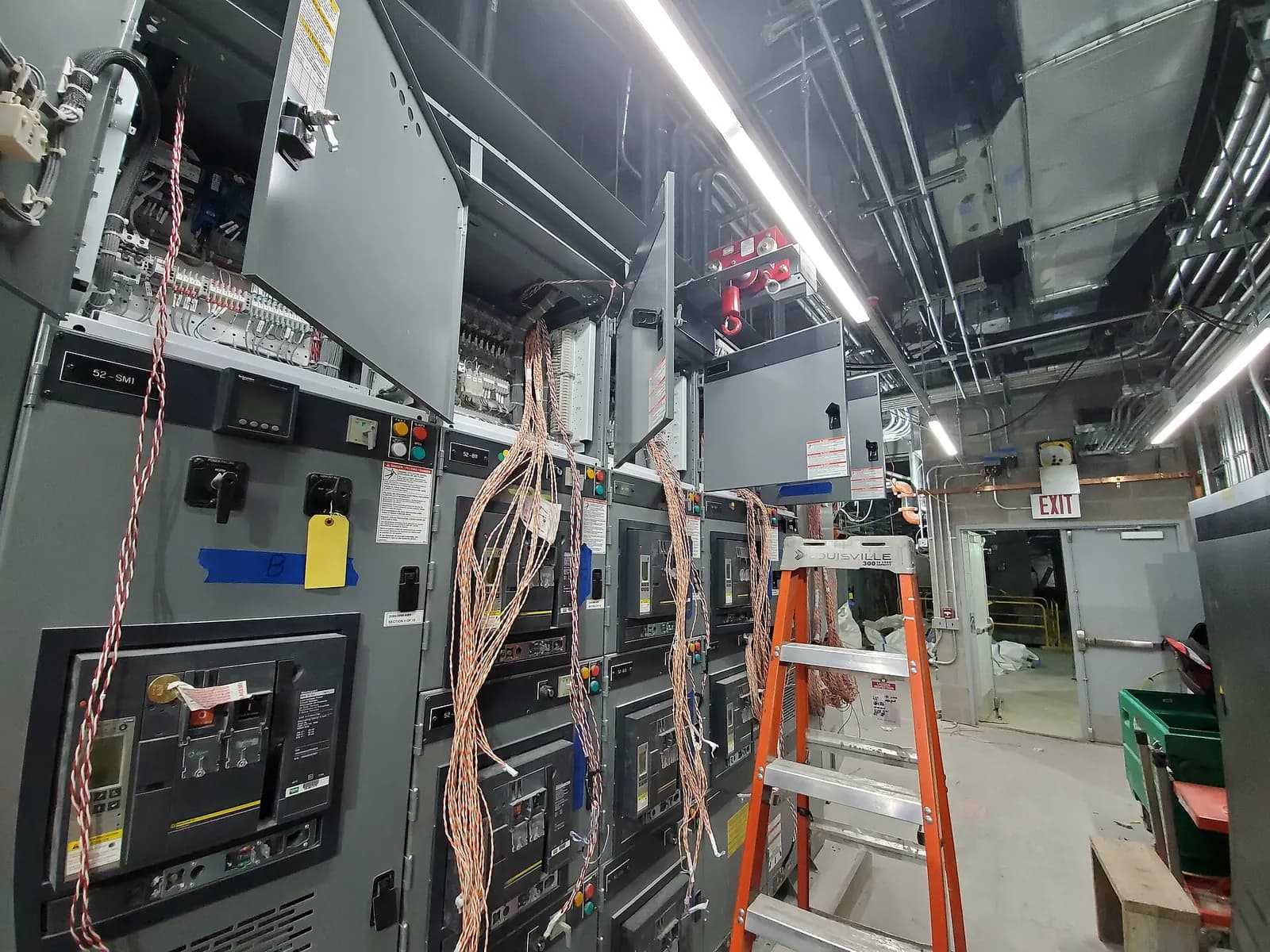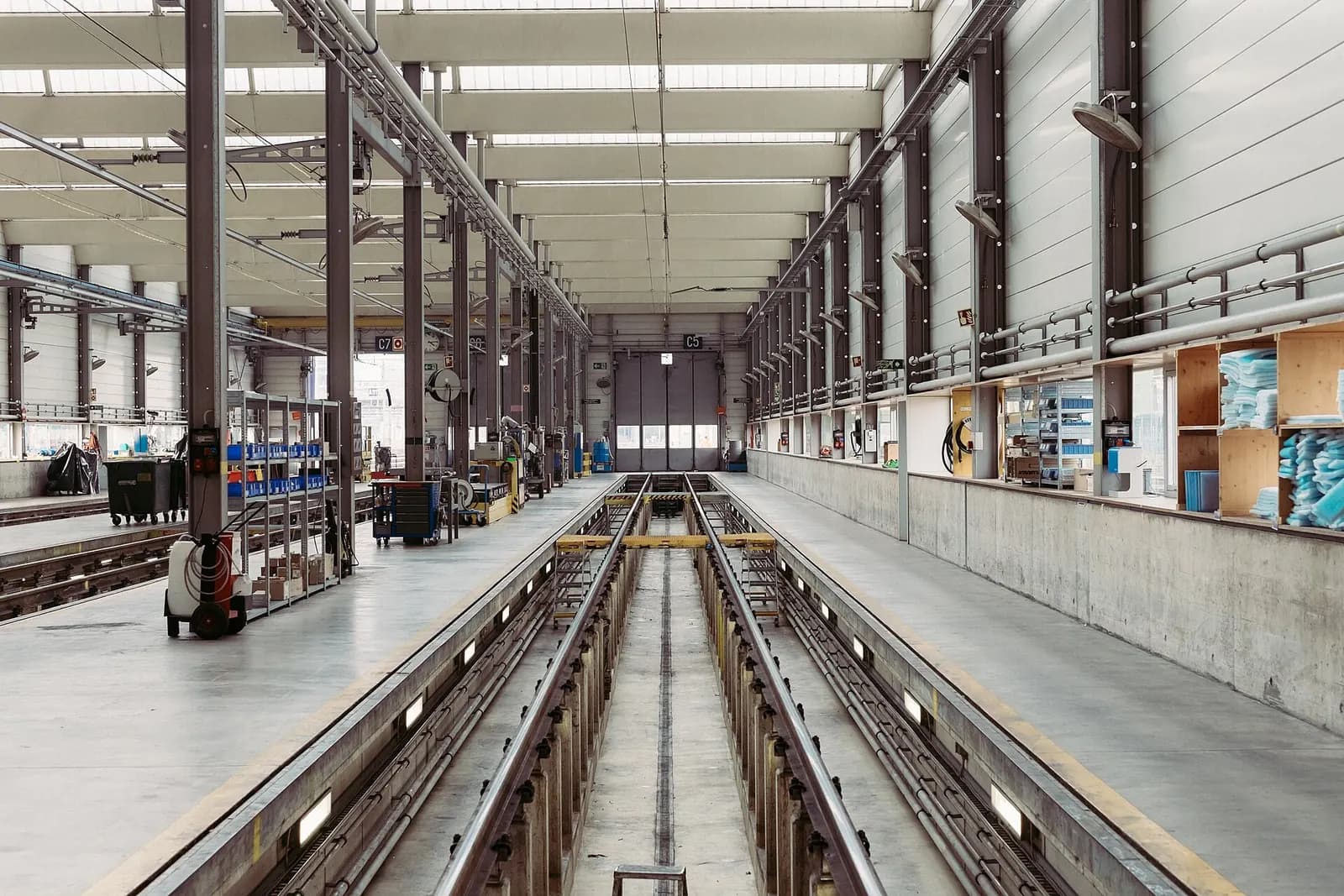
The iUNI digital twin is a VR-ready, 1:1 replica of a factory, plant, warehouse or building, built from CAD and connected to live data from SCADA, PLCs, IoT sensors and ERP, and viewed in a web browser with no software to install. A typical build takes 12 to 24 weeks and delivers a twin platform with a 3D viewer, an IoT integration layer, an analytics dashboard and a VR/AR module (iUNI).
iUNI is the Wartens group's VR, AR and digital twin company, and the iuni.ai site notes its official launch in June 2026. In the UAE, Wartens offers iUNI twins to manufacturers, utilities and facility operators from its office in Abu Dhabi. This brief is for the people who will specify, buy and use one.
Who the iUNI digital twin is for
- Manufacturers in food, plastics, metals and pharma who want to see line performance in context and test changes before making them.
- Utilities and district cooling operators who want to optimise plants and networks against live demand.
- Facility operators managing towers, campuses and mixed-use developments, where energy and maintenance dominate the cost.
- Project teams commissioning a new line, who want to rehearse it before the equipment arrives.
What the product does
| Feature | What it means in practice |
|---|---|
| 1:1 replica from CAD | Equipment, rooms and routes at true scale, from your drawings or a scan |
| Real-time IoT data | Live values shown on the equipment in 3D, not on a separate trend screen |
| Predictive maintenance and anomaly detection | Early warning of drift, fouling or abnormal behaviour |
| What-if simulation | Test a setpoint, shift pattern or layout change on the model first |
| Web-based 3D viewer | Opens in a browser, so no installation on operator PCs |
| SCADA, PLC and ERP integration | Reads the systems you already run, usually read-only |
What you receive
The four deliverables listed by iUNI are the digital twin platform with its 3D viewer, the IoT integration layer that brings data in, the analytics and reporting dashboard, and a VR/AR visualisation module for walkthroughs and training. On a Wartens project you should also expect the tag mapping, the data flow drawings and a short operating guide, because those are what let your team keep the twin alive after handover.
How a 12 to 24 week build typically runs
- Scope (weeks 1 to 2). One use case, one area, one measurable target. We agree what the twin must answer and what it will not do.
- Data and drawings (weeks 2 to 5). CAD or BIM files, P&IDs, SCADA tag lists, PLC exports and maintenance history. Gaps are closed with site photos or a scan.
- Model build (weeks 4 to 10). The 3D model at 1:1 scale, checked against photos and walkdowns.
- Integration (weeks 8 to 16). Read-only connections through open interfaces such as OPC UA, tag mapping and data validation against live values.
- Analytics and what-if (weeks 12 to 20). Dashboards, anomaly rules and the first simulation scenarios for the agreed use case.
- Handover (final weeks). User training, documentation and a review of results against the target.
The phases overlap, and the total depends mostly on data quality. A site with a clean tag list and current drawings sits near 12 weeks. A site with mixed generations of controllers and no as-built drawings sits near 24, or needs an upgrade first.
What is a Digital Twin?
IBM Technology
This video is hosted on YouTube. Playing it loads content from Google, which may set cookies.
Watch on YouTubeThe Wartens difference: control logic in the twin
Wartens started as an automation engineering firm. That matters in two ways. The twin reads your control system the way your own engineers do, tag by tag. And when the use case is commissioning, the twin runs the same PLC logic the plant will run, so sequences and interlocks are tested before site work. Our guide to the virtual FAT shows how that works for equipment built abroad.
What it does not do
- It does not replace SCADA. The control room still runs the plant; the twin adds context and analysis. See digital twin vs SCADA.
- It does not write to your controls by default. Integration is read-only unless a later, reviewed phase changes that.
- It does not fix poor data. Uncalibrated meters and missing tags limit what any twin can show.
- It is not a one-off. Models need updating when the plant changes, so plan an owner and a budget for upkeep.
Questions to settle before you sign
Settle five points in writing before the project starts. Which single use case and target the first phase is judged against. Who on your side owns the twin after handover, and how many hours a month they can give it. Which data connections are allowed, and whether your OT security team has approved them. Where the platform is hosted and who can access it. And what happens to the models and data if you later change supplier.
Clear answers to these questions do more for the outcome than any feature on the list above. They also make the 12 to 24 week estimate realistic, because most delays come from waiting for data access and decisions rather than from the 3D work.
Price and standards
iUNI publishes its digital twin pricing range on its pricing page, in GBP, and Wartens confirms a fixed scope and price in writing for each UAE project. For long-term openness, ask that your twin follows the principles of the ISO 23247 digital twin framework for manufacturing and uses open interfaces, and that you own the model, the tag mapping and the analytics rules.
For a wider introduction, read our digital twin UAE guide; for a utility example, see the district cooling digital twin.
Next step: send drawings, a tag list and the question you want answered through contact, and we will reply with a written scope for an iUNI digital twin.