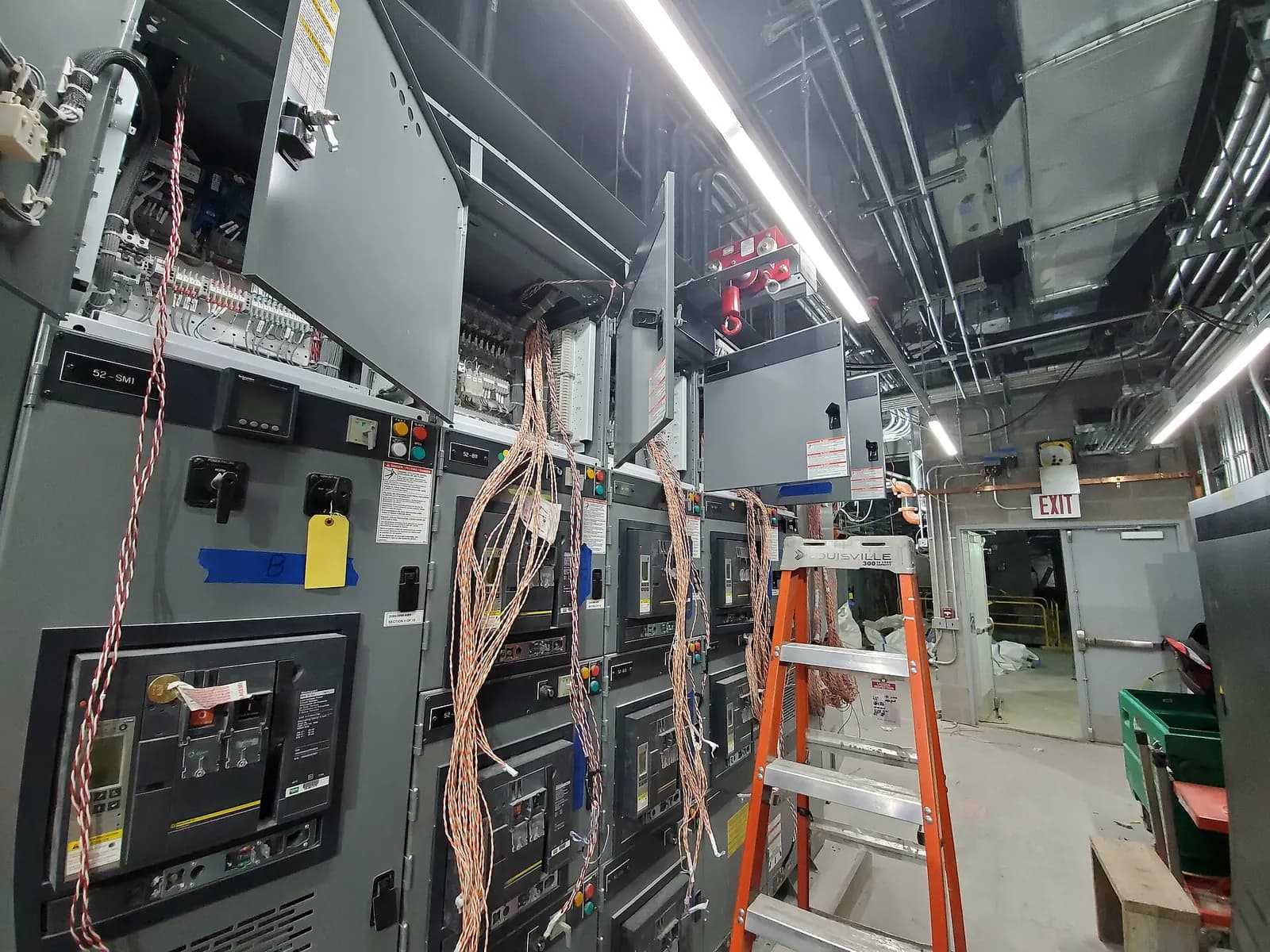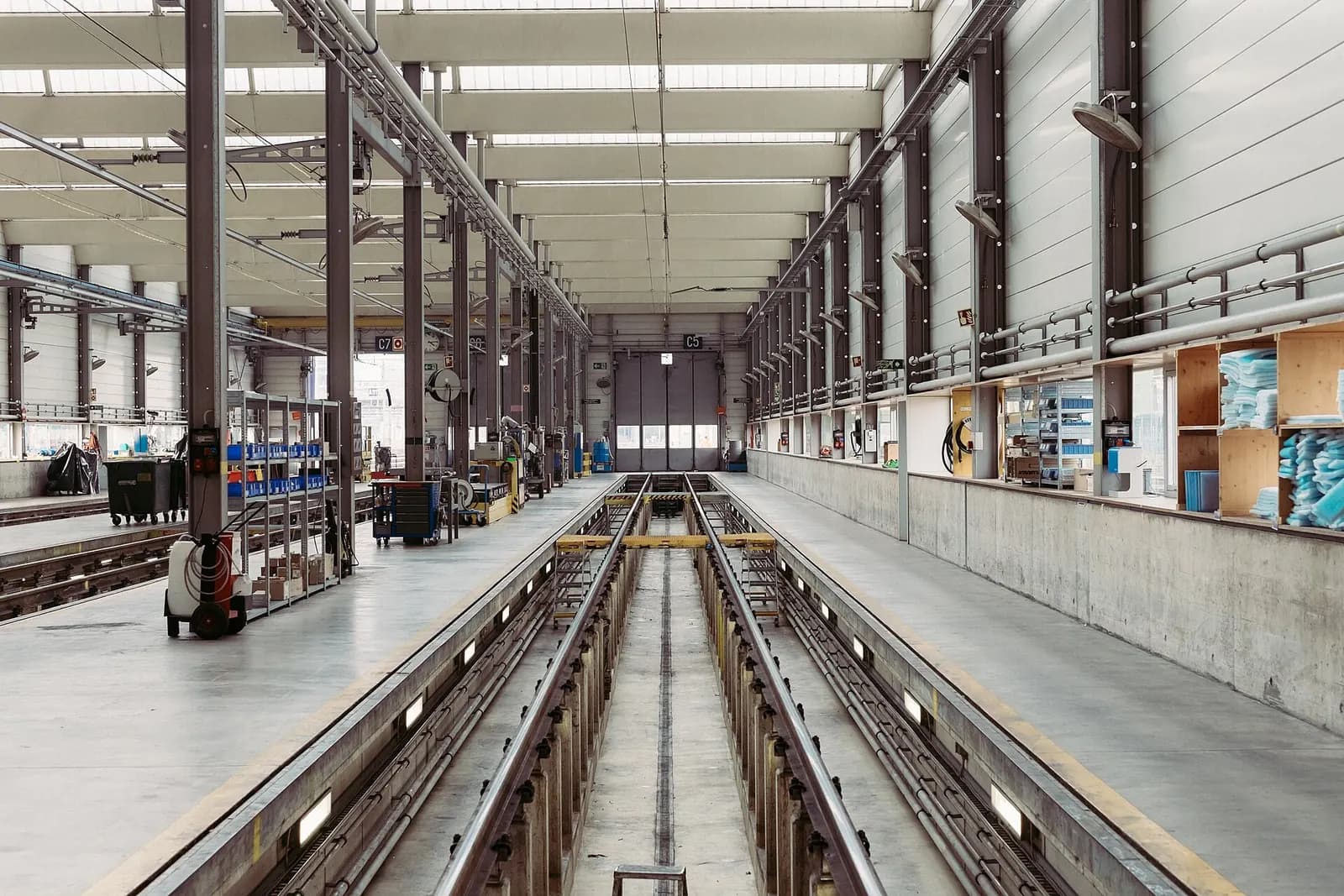
A district cooling digital twin is a live model of the chiller plants, pipe network and connected buildings that a utility runs, fed by the same SCADA and meter data the control room already sees. Its job is to find the cheapest way to meet tomorrow's cooling demand: which chillers to run, at what setpoints, and when to charge thermal storage. In the UAE, where cooling is the summer peak, that question is worth a great deal of electricity.
This article explains what goes into a twin for a district cooling scheme, where the savings come from, and how iUNI, the Wartens brand for digital twins, approaches a project. It is written for utility engineers, plant managers and the energy teams of master developers.
Why district cooling suits a digital twin
The scale of UAE district cooling makes small improvements large. Empower reported a connected capacity of about 1.7 million refrigeration tons at the end of 2025, with 90 plants, more than 430 km of distribution pipe and 1,747 buildings served across Dubai (Dubai Media Office). The same release notes an IDEA 2025 honourable mention for district cooling plant optimisation using machine learning.
In Abu Dhabi, Tabreed runs 92 plants in six countries delivering more than 1.3 million refrigeration tonnes, all managed from a control centre on Saadiyat Island. Its chief executive described full automation and 24/7 monitoring as the groundwork for using AI to align production with cooling demand (Aletihad, May 2025). That is the job a twin does: it turns years of automation data into decisions about the next hour.
What a district cooling digital twin contains
| Layer | What is modelled | Where the data comes from |
|---|---|---|
| Plant | Chillers, cooling towers, primary and secondary pumps, thermal energy storage | Plant PLC and SCADA, chiller controllers, power meters |
| Network | Pipes, valves, pressure and temperature along the routes | Network SCADA, pressure and flow transmitters |
| Customers | Energy transfer stations and building load profiles | BTU meters, ETS controllers, BMS where available |
| Context | Weather, tariffs, maintenance state | Weather feed, tariff tables, CMMS records |
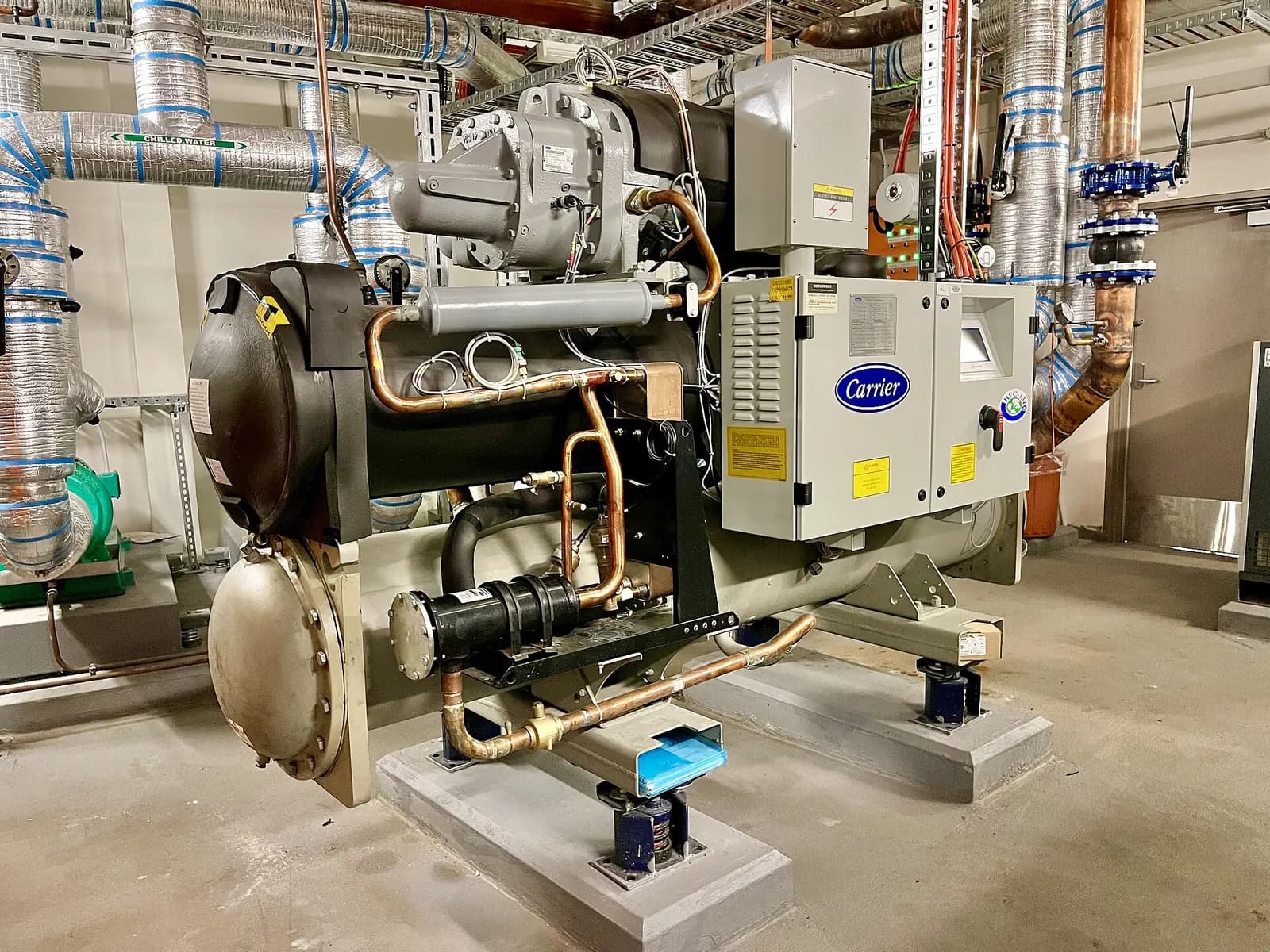
The plant layer is where most of the money is. Each chiller gets its own performance model, built from manufacturer curves and corrected with live data, so the twin knows how efficient each machine is at a given load and condenser water temperature. The network and customer layers explain the demand side, which is where many plants lose efficiency without seeing it.
Where the energy savings come from
- Chiller sequencing. Running the right combination of machines at their efficient load range rather than staging by a fixed order.
- Setpoint reset. Moving chilled water supply and condenser water temperatures with load and weather instead of holding design values all year.
- Thermal storage scheduling. Charging storage when power is cheaper and the night air is cooler, then discharging through the afternoon peak.
- Low delta-T detection. Finding the energy transfer stations that return water too cold, which forces the plant to pump and chill more than the load needs.
- Maintenance timing. Spotting a fouled condenser or a drifting sensor from its effect on efficiency before it becomes a failure.
There is a published example of the approach. In Vienna, Wien Energie uses a digital twin from Gradyent that forecasts cooling demand, picks the most efficient combination of compression chillers within runtime limits, and feeds setpoints into the existing SCADA. Setpoints were checked in two test runs before being applied automatically (Gradyent). Note the order: advisory first, closed loop only after testing.
District Cooling: Dubai's Response to Climate Change
International District Energy Association
This video is hosted on YouTube. Playing it loads content from Google, which may set cookies.
Watch on YouTubeHow iUNI builds a district cooling twin
iUNI twins are built 1:1 from CAD, connected to live IoT data, and viewed in a web-based 3D viewer with no software install. They include predictive maintenance and anomaly detection, what-if simulation and integration with SCADA, PLC and ERP. The deliverables are the twin platform with 3D viewer, an IoT integration layer, an analytics and reporting dashboard and a VR/AR module, and a typical project takes 12 to 24 weeks (iUNI).
What we add as automation engineers is the control side. The twin reads the plant's tags the way the PLC programmer wrote them, and when you want to test a new sequencing strategy, the strategy runs against the model before it touches the plant. If your plant controls themselves need work first, that is our automation engineering service.
A pilot plan for one plant
- Choose one plant with good metering and a known efficiency problem, ideally with thermal storage.
- Collect a year of data: chiller power and flows, supply and return temperatures, tower fan speeds, weather.
- Connect read-only through OPC UA or Modbus from the plant SCADA, so the twin cannot write to the controls.
- Run in advisory mode for a full summer. Compare the twin's recommended setpoints with what operators chose, and measure kW per ton both ways.
- Decide on closed loop only when operators trust the advice and the control system has been reviewed for safe fallback.
What a twin will not do
It will not fix a plant that is mechanically undersized or a network with stuck valves. It will not replace the operators, who still make the call during a trip or a heat wave. And it will not stay accurate on its own: chiller models drift as machines age, so recalibration belongs in the maintenance plan.
For the building side of the same problem, read our article on the digital twin for facility management. If you are weighing a twin against a SCADA upgrade, start with digital twin vs SCADA.
Next step: send us a plant schematic, a tag list and one summer of trends through contact. We will tell you what a digital twin of that plant could show and what it would take to build.