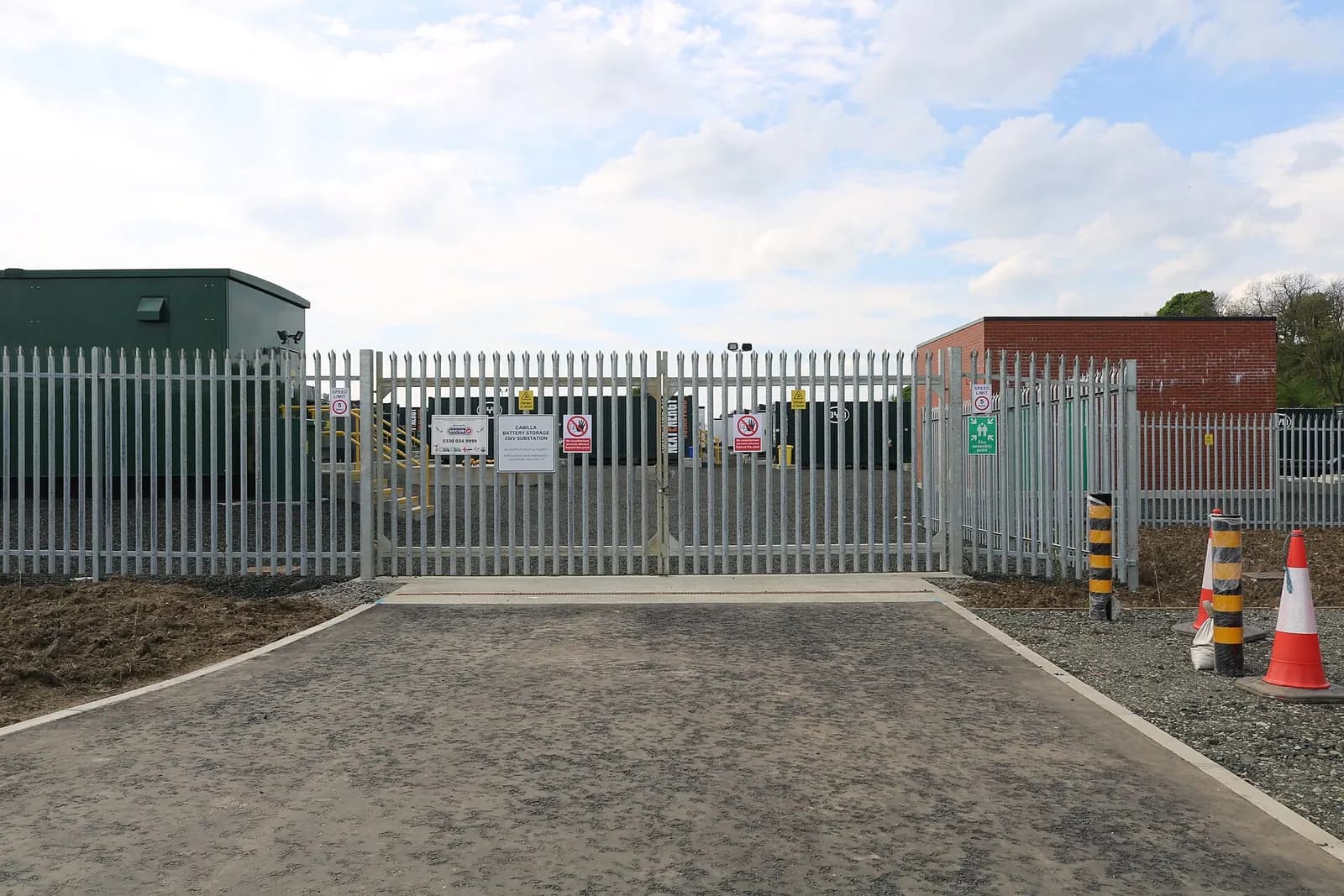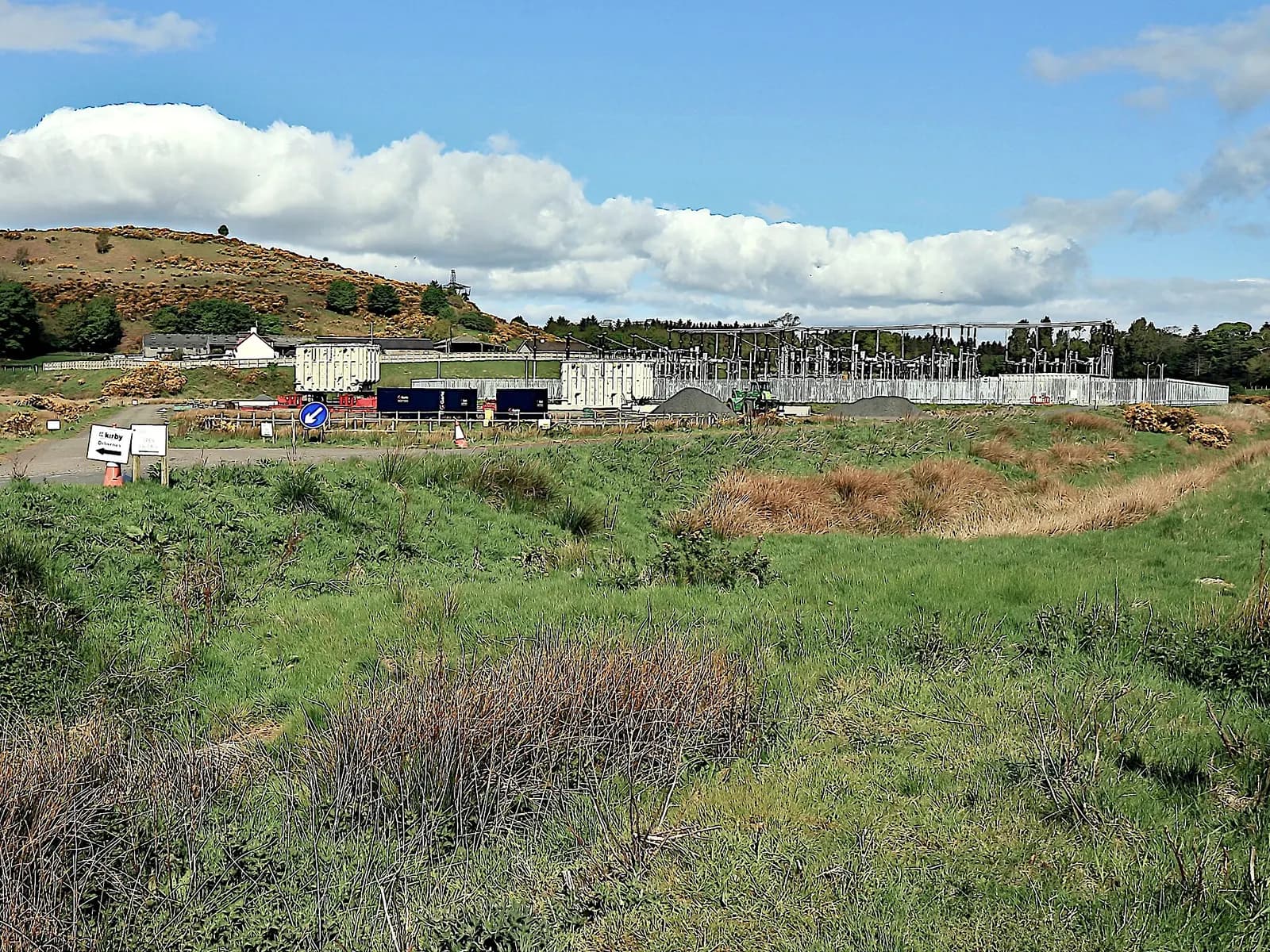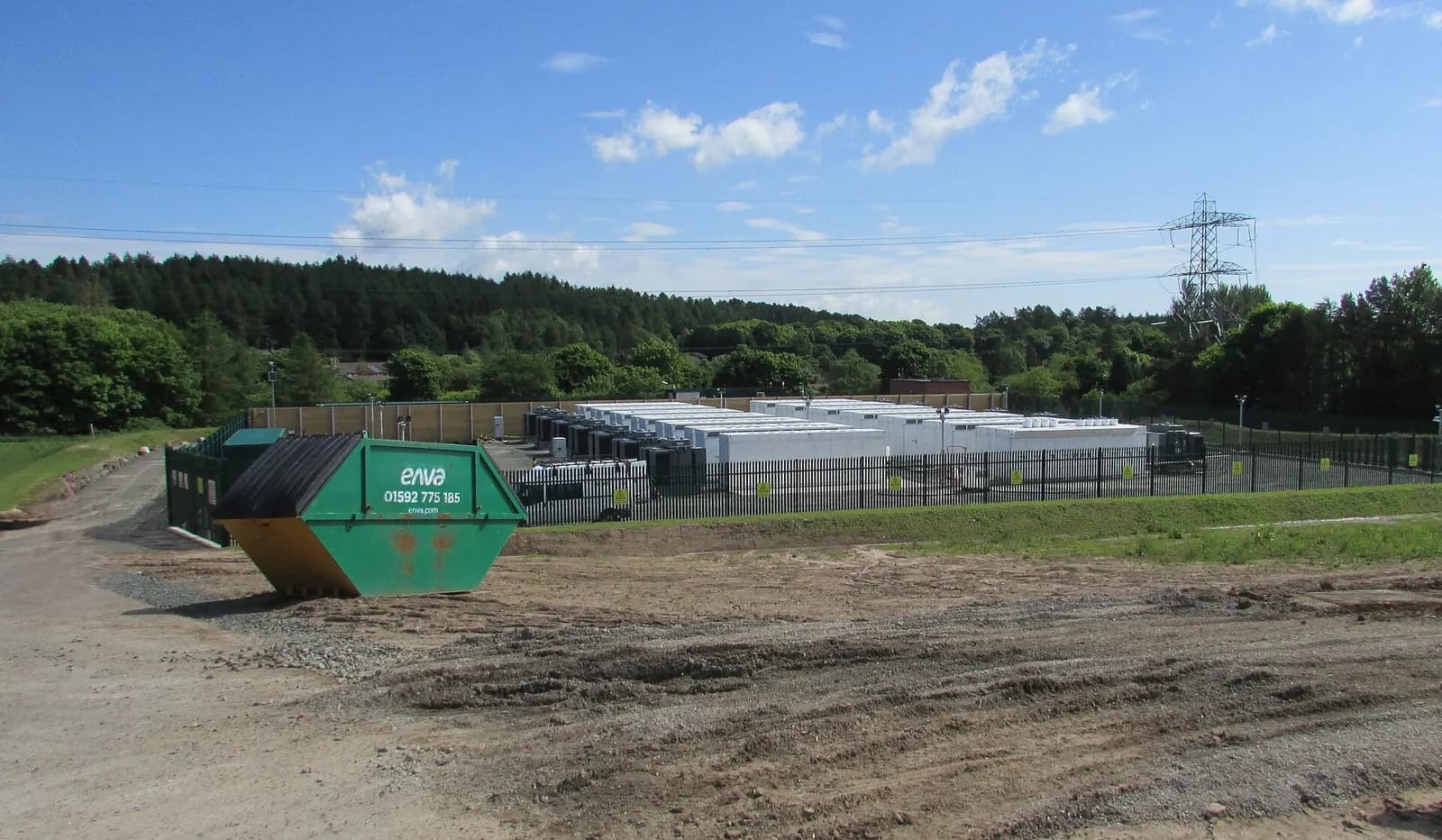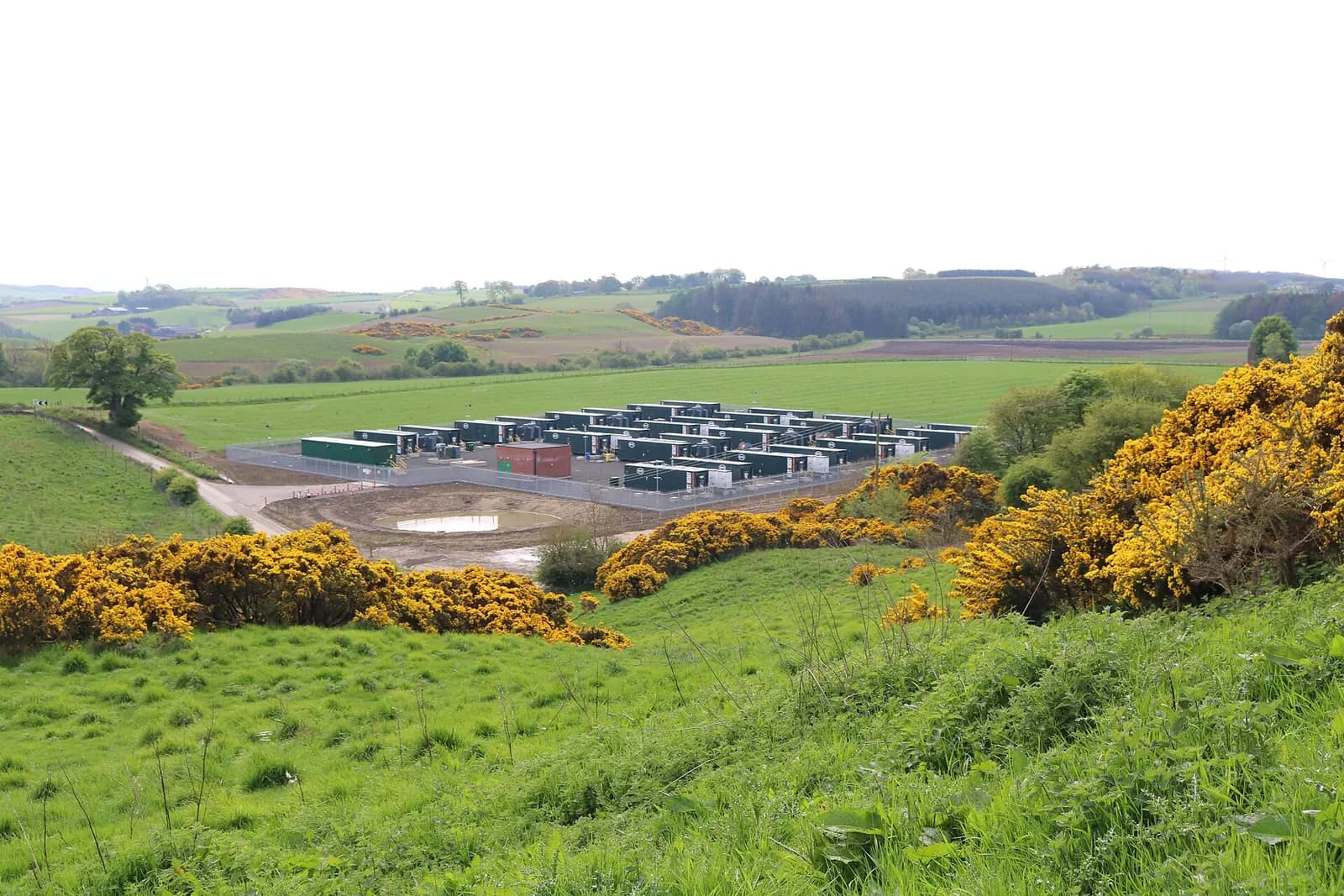
BESS SCADA is the supervisory control and data system that monitors and operates a battery energy storage site: the batteries, inverters, transformers and grid connection, and the data that proves performance to the system operator and the owner. Great Britain's battery fleet reached 7.2 GW and 11.8 GWh after the first quarter of 2026, according to Modo Energy, with a 30 GW pipeline. Every one of those sites needs controls engineering that works first time.
Storage projects are control projects. The batteries are bought as products; the integration of those products into a site that responds correctly to the grid, protects itself and reports accurately is engineering work, and it is where many commissioning delays come from.
The layers of a BESS control system
| Layer | Role | Typical owner |
|---|---|---|
| Battery management system (BMS) | Cell and rack protection, state of charge | Battery supplier |
| Power conversion system (PCS) | Inverters converting DC and AC | Inverter supplier |
| Power plant controller (PPC) | Site-level power and voltage control at the grid point | Integrator or specialist |
| Energy management system (EMS) | Dispatch, schedules, trading or service signals | Optimiser or owner |
| SCADA | Monitoring, alarms, history, operator control, reporting | Integrator |
These layers overlap differently on every project, which is exactly why interfaces cause problems. Write an interface document early that lists every signal between layers, its units, update rate and who owns it.
What the SCADA must monitor
- Active and reactive power, voltage and frequency at the point of connection.
- State of charge and available energy, per block and for the site.
- Inverter status, faults and derating.
- BMS alarms, cell temperature extremes and HVAC status.
- Fire detection and suppression status, interfaced as required by the site's fire strategy.
- Protection relay status, breaker positions and auxiliary supplies.
- Communications health for every device.
Data for the system operator
Sites providing balancing services must meet NESO's data and metering requirements. For the dynamic frequency services, NESO's Dynamic Containment, Moderation and Regulation page explains that operational metering applies to both Balancing Mechanism and non-BM units, and that performance monitoring data is sent through the Data Concentrator API in a defined format. The SCADA and historian must store data at the resolution needed to prove delivery. Our article on Dynamic Containment battery controls covers the control side.
Alarms and the operator
Storage sites are usually unmanned and monitored remotely, often by an operations centre looking after many sites. Alarm design matters as much as on a water network: separate the alarms that need action now (fire, protection trip, loss of communications) from those that can wait (HVAC filter, minor derating). Our SCADA alarm management guide applies directly.
Historian and reporting
Owners, lenders and optimisers all want data: availability, round-trip efficiency, degradation, service delivery and revenue reconciliation. Design the historian with those uses in mind. Agree tag naming across blocks so reports work the same on every site, and keep high-resolution data for the periods when it matters, such as frequency events.
Cyber security
A storage site is a networked industrial system with remote access from several parties: the owner, the optimiser, the battery and inverter suppliers and the maintenance contractor. Zone the network, route every remote connection through a managed gateway, and keep a complete asset inventory. Our water SCADA cyber security article sets out design principles that apply equally here.
Contel Smart Energy Builds a Multi-Site PV & BESS Management Platform With Ignition
Inductive Automation
This video is hosted on YouTube. Playing it loads content from Google, which may set cookies.
Watch on YouTubeMany sites, one standard
Developers and operators increasingly run portfolios rather than single sites. A standard SCADA template, with the same tag structure, screens, alarm priorities and reports for every site, pays back quickly: operations staff learn one system, reports compare like with like, and each new site is configuration rather than design. Where equipment differs between sites, isolate the differences in device drivers and keep everything above them identical.
The connection queue makes timing harder to predict. NESO says the queue it inherited was around four times what was needed for 2030, and its connections reform re-ordered projects to prioritise those ready to build. Sites can move forward or back in the programme at short notice, so a template-based controls package that can be deployed quickly is worth more than a bespoke one.
A commissioning sequence that works
- Point-to-point checks of every device on the network, with values compared at the device and in SCADA.
- Alarm tests for every critical signal, including fire, protection and communications loss.
- Controller tests against simulated grid signals before export is allowed.
- Staged power tests, block by block, recording response at the meter.
- Reporting checks: historian data, availability files and service data match what happened.
Test before energisation
Simulate device data and grid signals and test the SCADA, PPC logic and alarms before the site is energised. Waiting for live equipment to find a wrong scaling factor or missing alarm costs days of commissioning time on a site that should be earning. With a 30 GW pipeline competing for contractors and engineers, a well-tested controls package is one of the few things a developer can control.
Next step
Wartens engineers site SCADA, monitoring and controller logic for grid-scale and commercial storage, for developers and EPC contractors. Send us the single-line diagram and equipment list and we will return a written scope through our energy systems service. Read the UK market briefing or contact us.